Newsroom Food
Milk Quality in Small Ruminants: Specific Approach Required
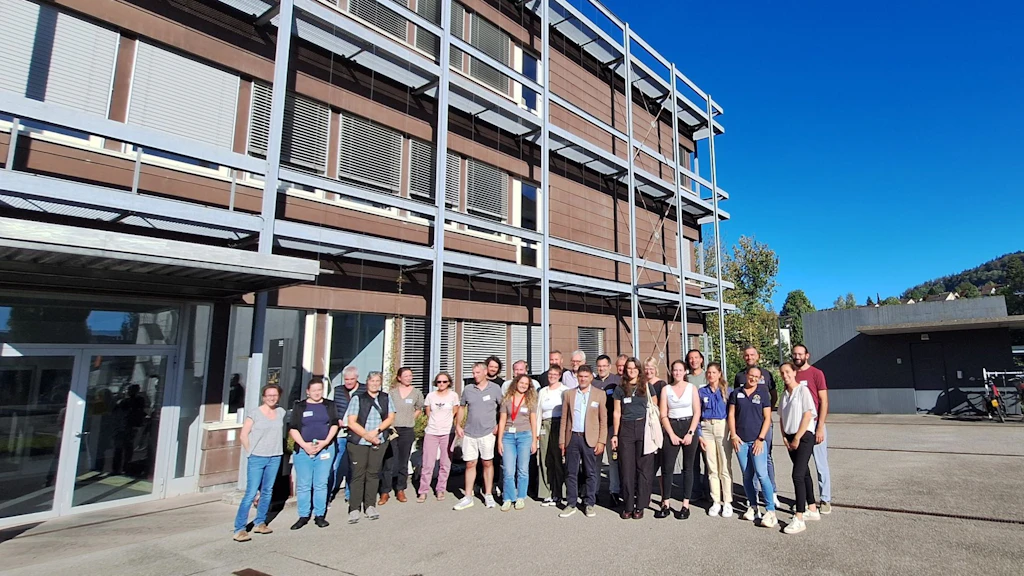
Hosted by Agroscope on 14 and 15 September 2026 in Liebefeld, the LactoWell workshop brought together international specialists from research, extension and practice to discuss the challenges of small-ruminant milk production.
Time Travel through the Lens of Cheese: An Alpine cheese from Valais Recounts 142 Years of Microbial History
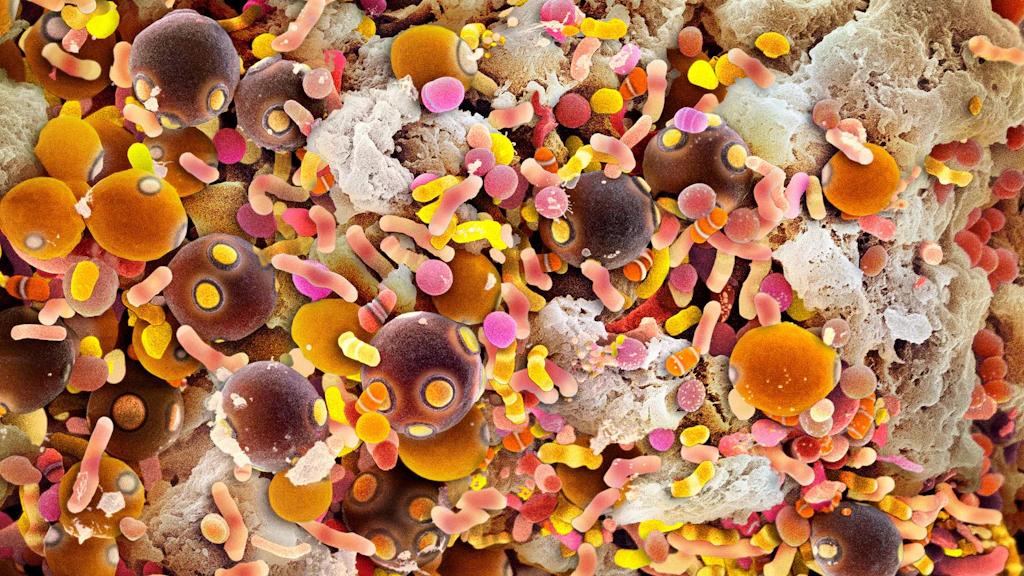
An international research team headed by Agroscope examined cheeses produced at an alpine cheese dairy in Valais between 1875 and 2017. The microorganisms found in these cheeses are a unique testimony to the evolution of agriculture and food technology over time.
Preparing the Potato Sector for Future Challenges
Further information is available in the following languages: German, French, Italian
Milking Festival at Agrotechnorama: From milking by hand to robots
Robotic milking machines are now responsible for around half the milk on the supermarket shelves. How has this come about? The Milking Festival ‘From milking by hand to robots’ running from 29 to 30 August 2026 at Agrotechnorama, the agricultural engineering museum in Tänikon TG, has the answers.
Hand-over of keys to Agroscope’s new laboratory building in Posieux: a milestone for the national research campus
On Friday 14 August 2026 the canton of Fribourg officially handed over the keys to Agroscope’s new laboratory building in Posieux to the Swiss Confederation. The ceremony was attended by President of the Swiss Confederation Guy Parmelin and delegations from the Fribourg State Council and the Agroscope executive board as well as the Federal Offices for Agriculture (FOAG) and Buildings and Logistics (FOBL). Thus the centrepiece of Agroscope’s new site strategy is now ready for use.
Viticulture and Oenology Experimental Station: Interim Results
Further information is available in the following languages: German, French, Italian
Agrivoltaics: Different Impacts in Raspberry and Strawberry Crops
Agrivoltaic systems affect strawberry and raspberry crops differently. The results of four years of trials are presented in a video and in an article in Swiss Agricultural Research.
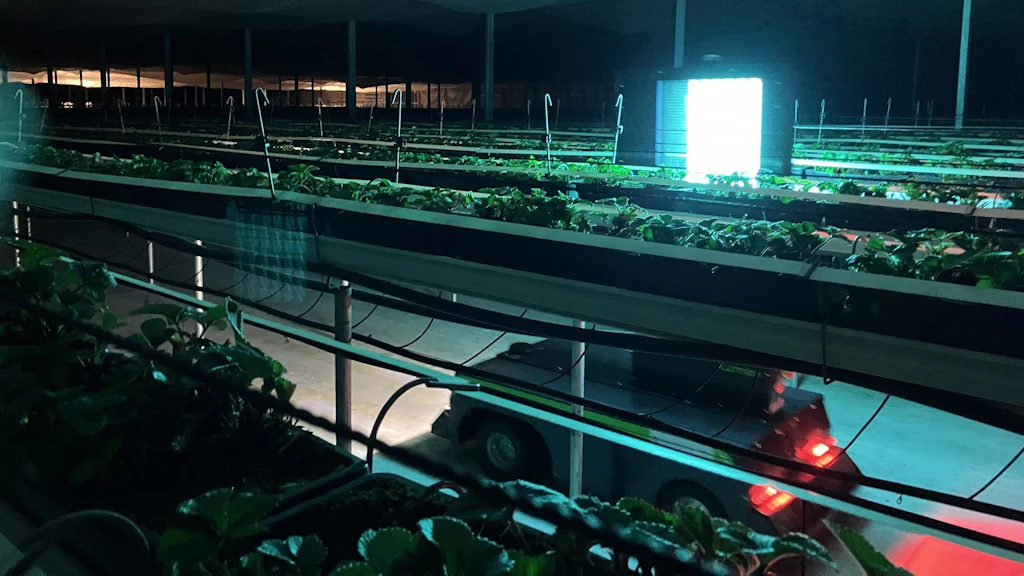
UV-C for Controlling Powdery Mildew in Greenhouse Strawberry Production
Further information is available in the following languages: German, French or Italian
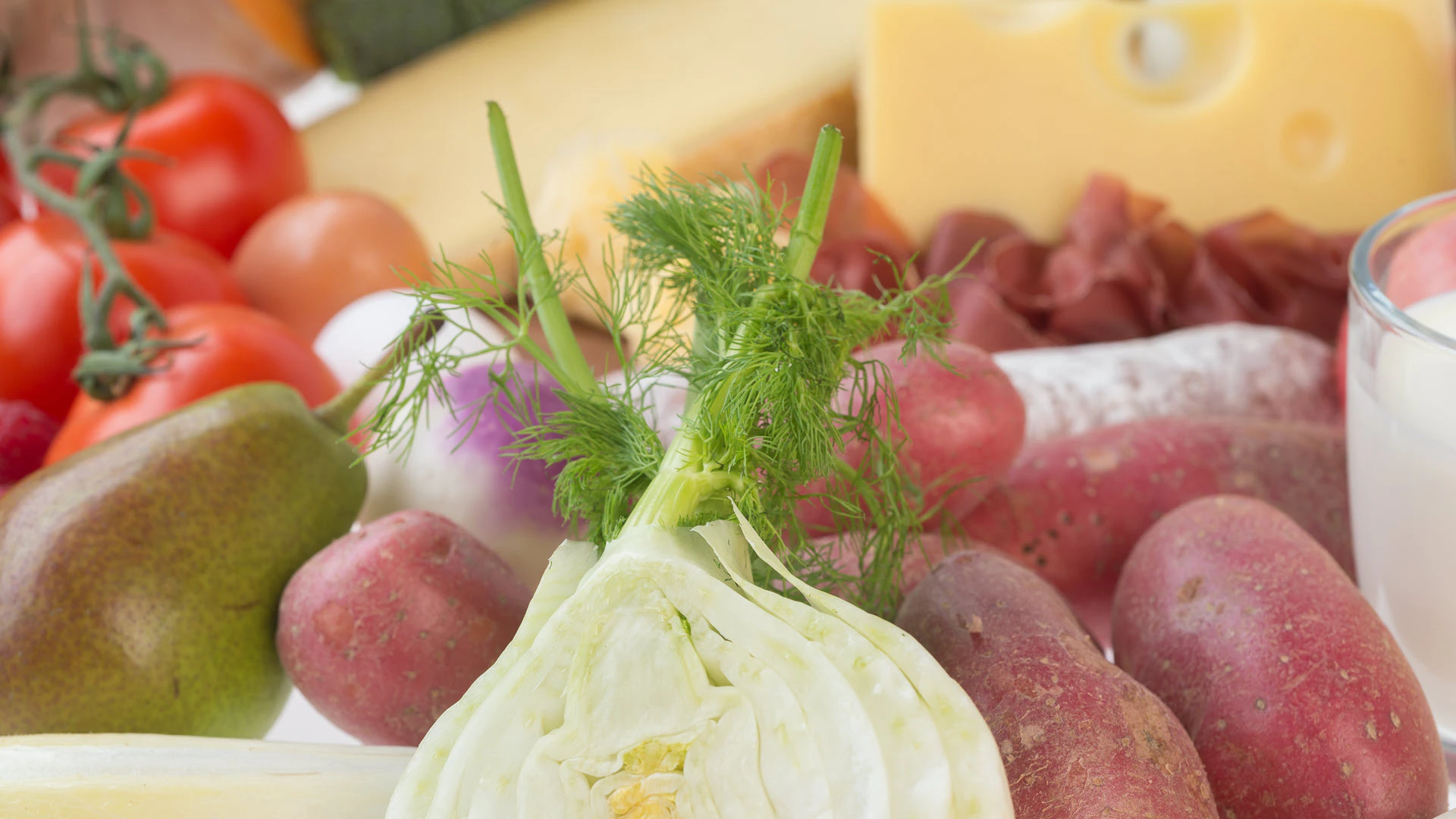
Reference Values for the Environmental Impacts of Eight Swiss Foods at a Glance
Agroscope researchers have developed and applied a method for determining reference values for the environmental impacts of eight frequently consumed foods produced in Switzerland. The results are published and freely available.
Possible Effects of Sustainability Goals on the Agriculture and Food Sector
De plus amples informations sont disponibles dans les langues suivantes:allemand, italien, anglais.
Discover Agroscope research at the BEA!
At this year’s BEA exhibition, Agroscope presents a treasure in the Bacteria Vault. The special show, ‘Milk’, gives a lighthearted insight into what makes Swiss cheese unique.
Key Methodology for Determining Protein Digestibility
Together with European partners, Agroscope researchers have developed a method for determining protein digestibility in vitro. The method quantifies the amino acids in foods released by digestion and allows for the evaluation of protein quality without animal testing.
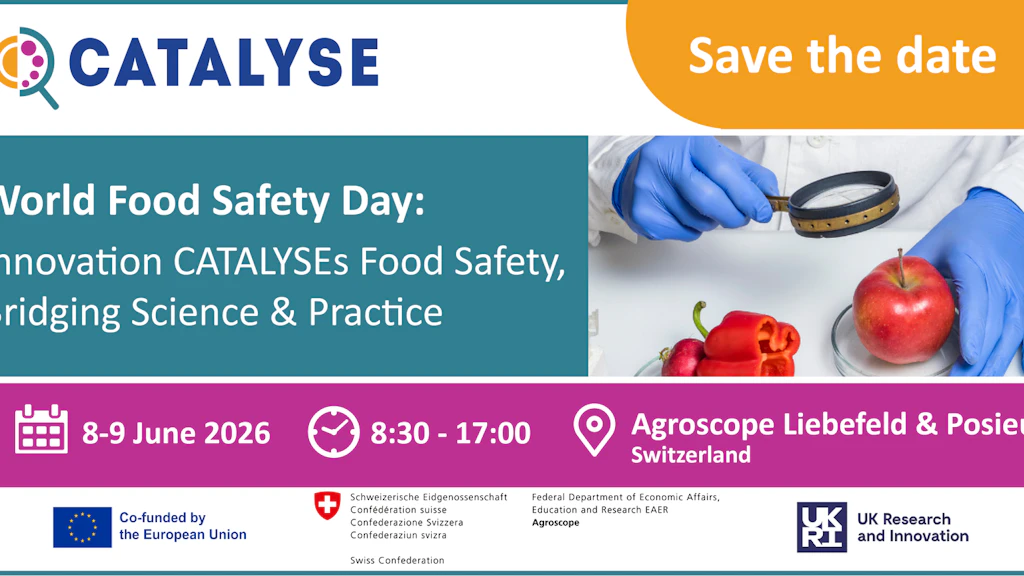
Innovation CATALYSEs Food Safety – Bridging Science and Practice
As a partner of the EU Project ‘CATALYSE’, Agroscope hosted a World Food Safety Day event on 8-9 June 2026. Presentations and further information can be found here.
Unique Experimental Station for Improving the Quality of Agricultural Soils
Further information is available in the following languages: German, French, Italian.
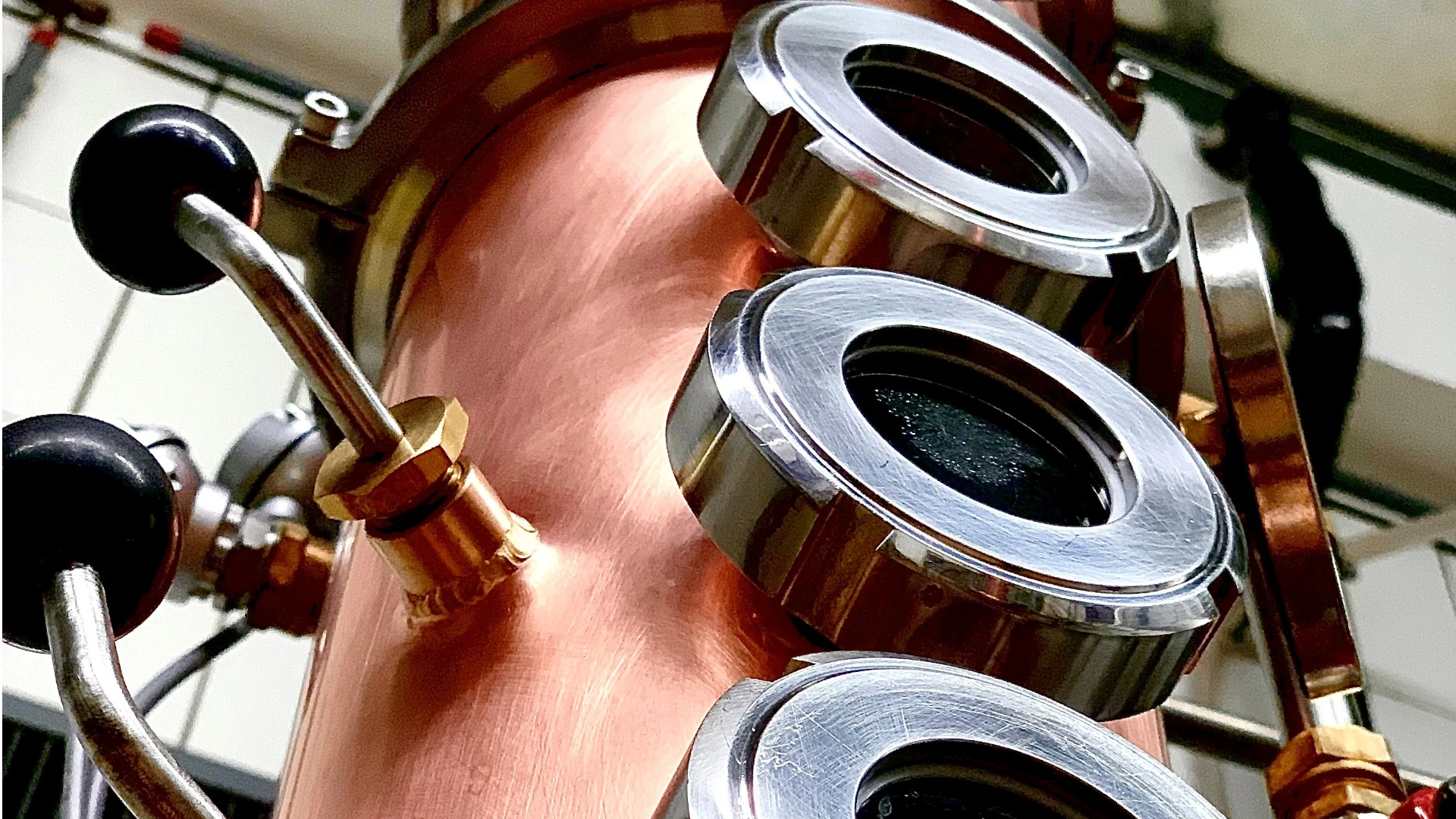
Agroscope Tests the Potential of Sweet Sorghum for Distillation
Further information is available in the following languages:German, French, Italian
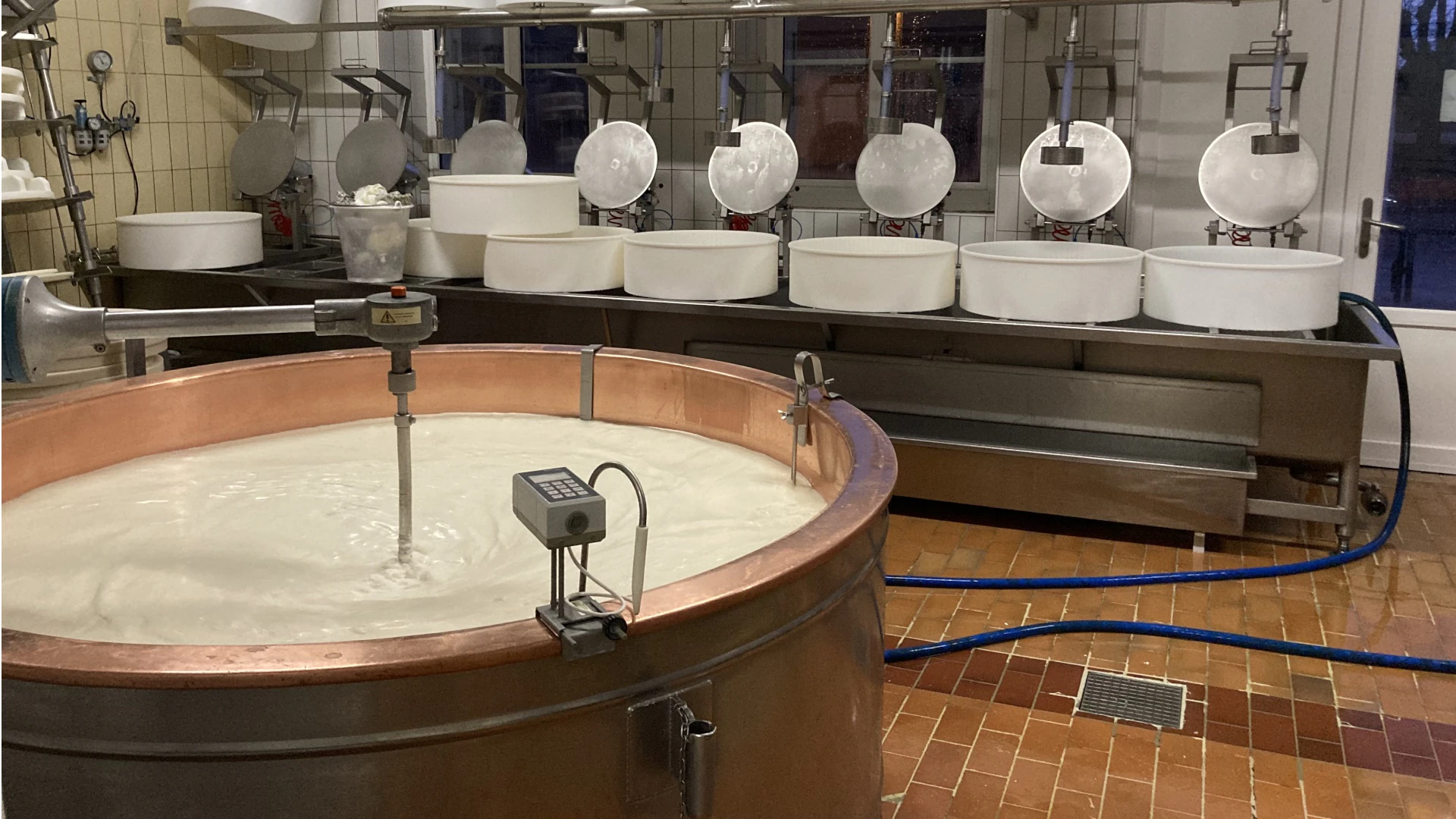
Looking Back on Decades of Commitment to Cheese Research
Further information is available in the following languages: German, French, Italian.
Agroscope Presents Seven New Resistant Grape Varieties
Further information is available in the following languages:German, French, Italian
Research with a Focus on Impact and Practical Benefits
Agroscope’s New Work Programme 2026-2029 Places a Greater Focus on Impact and Practical Benefits. Areas such as plant protection, plant breeding, climate-change adaptation and economic efficiency will also be strengthened.
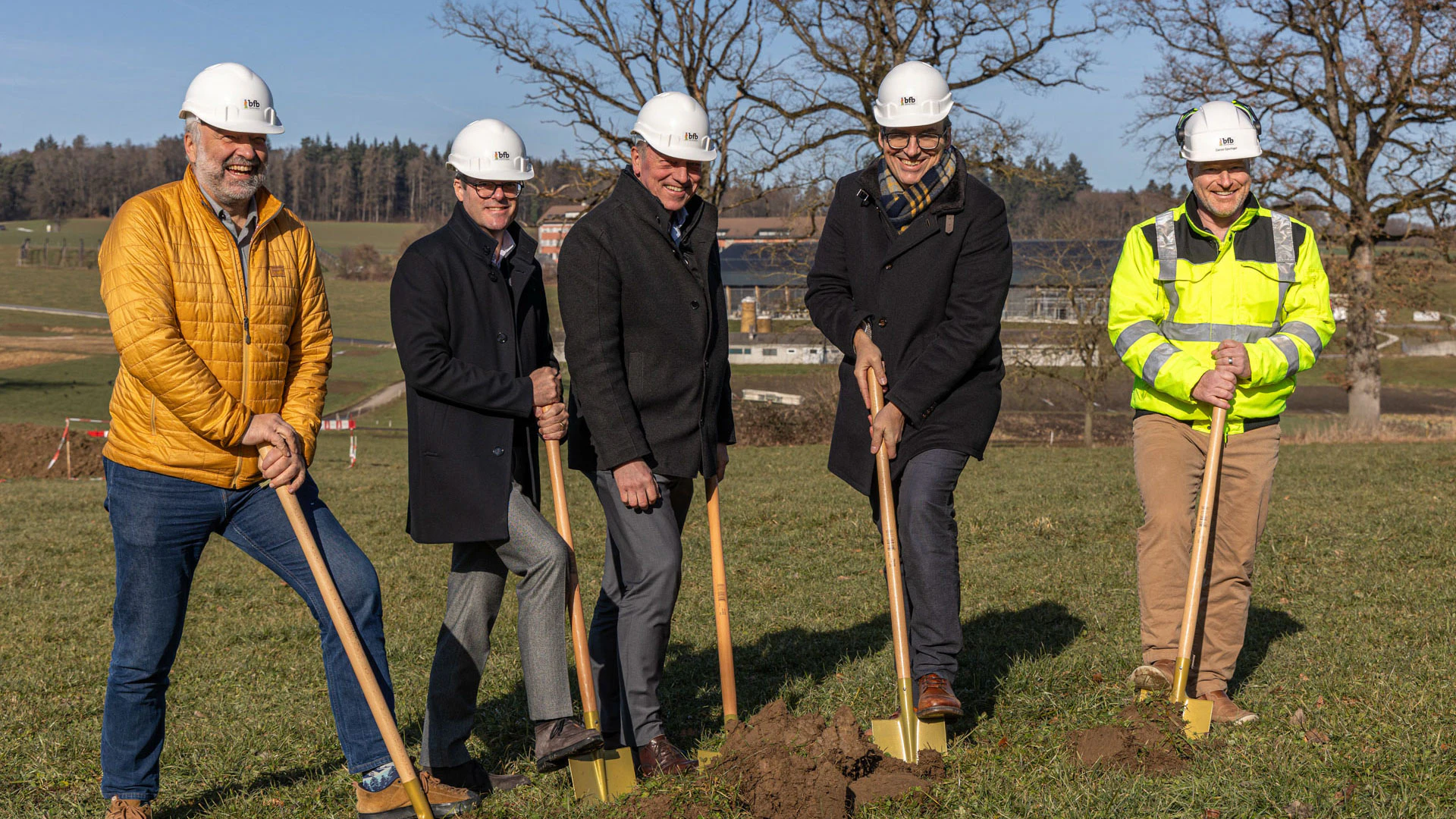
Groundbreaking Ceremony for the New Production Building for Cheese Cultures in Grangeneuve
Further information is available in the following languages:German, French, Italian.
New Agroscope Guidelines for Distilleries
Agroscope provides distilleries with practical guidelines and worksheets on good practice, self-monitoring and occupational safety. The documents were developed together with industry representatives and offer concrete assistance for day-to-day operations.
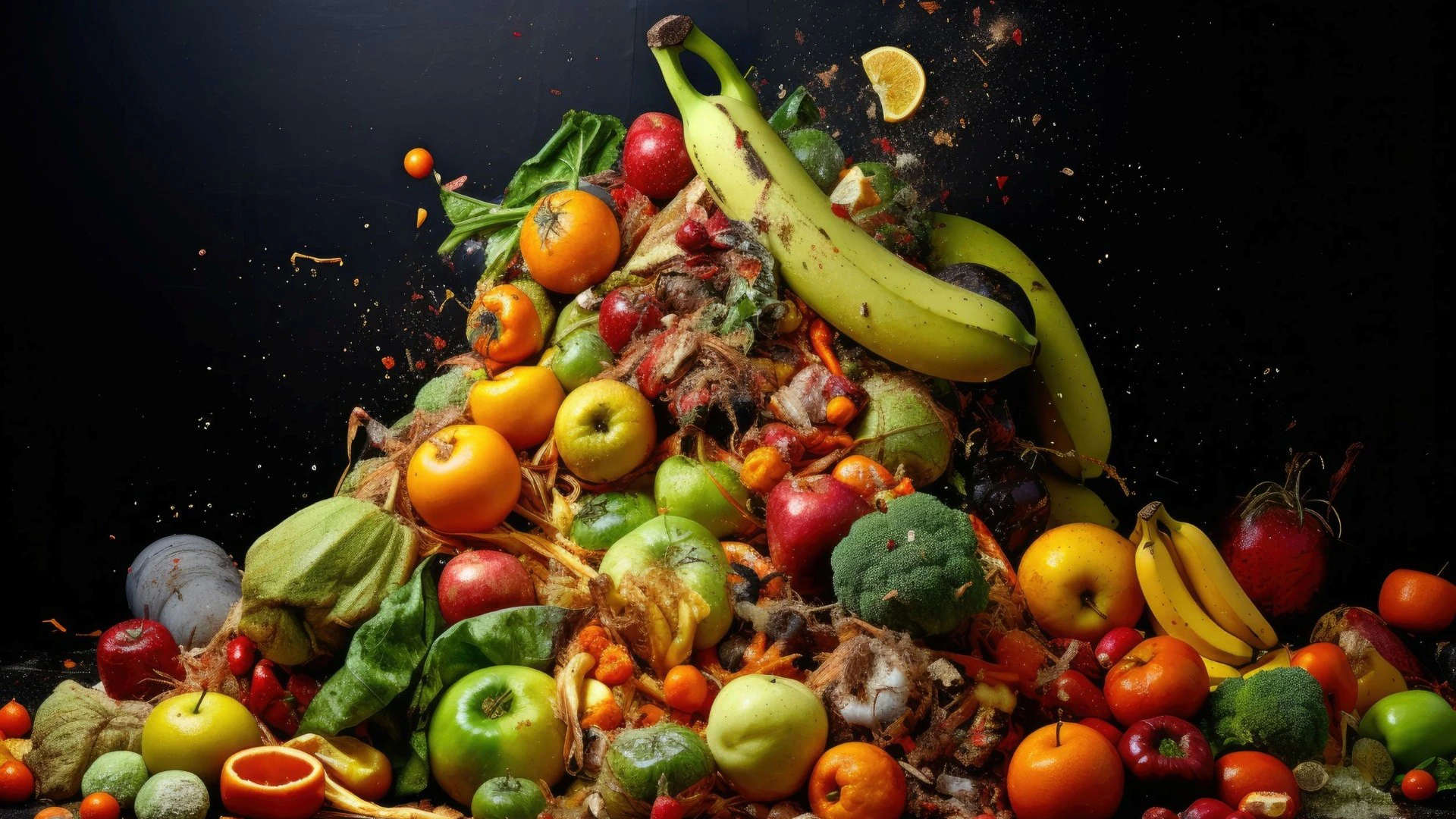
New Guide for Reducing Food Waste
Around 90 kg of food is wasted in Swiss households per person and year. Part of the waste could be avoided, which would be a win for both the pocketbook and the environment. Agroscope has produced a guide for reducing food waste.
Feed Ration with More Rapeseed Cake Has No Impact on the Quality of Gruyère AOP Cheese
Further information is available in the following languages: German, French, Italian.
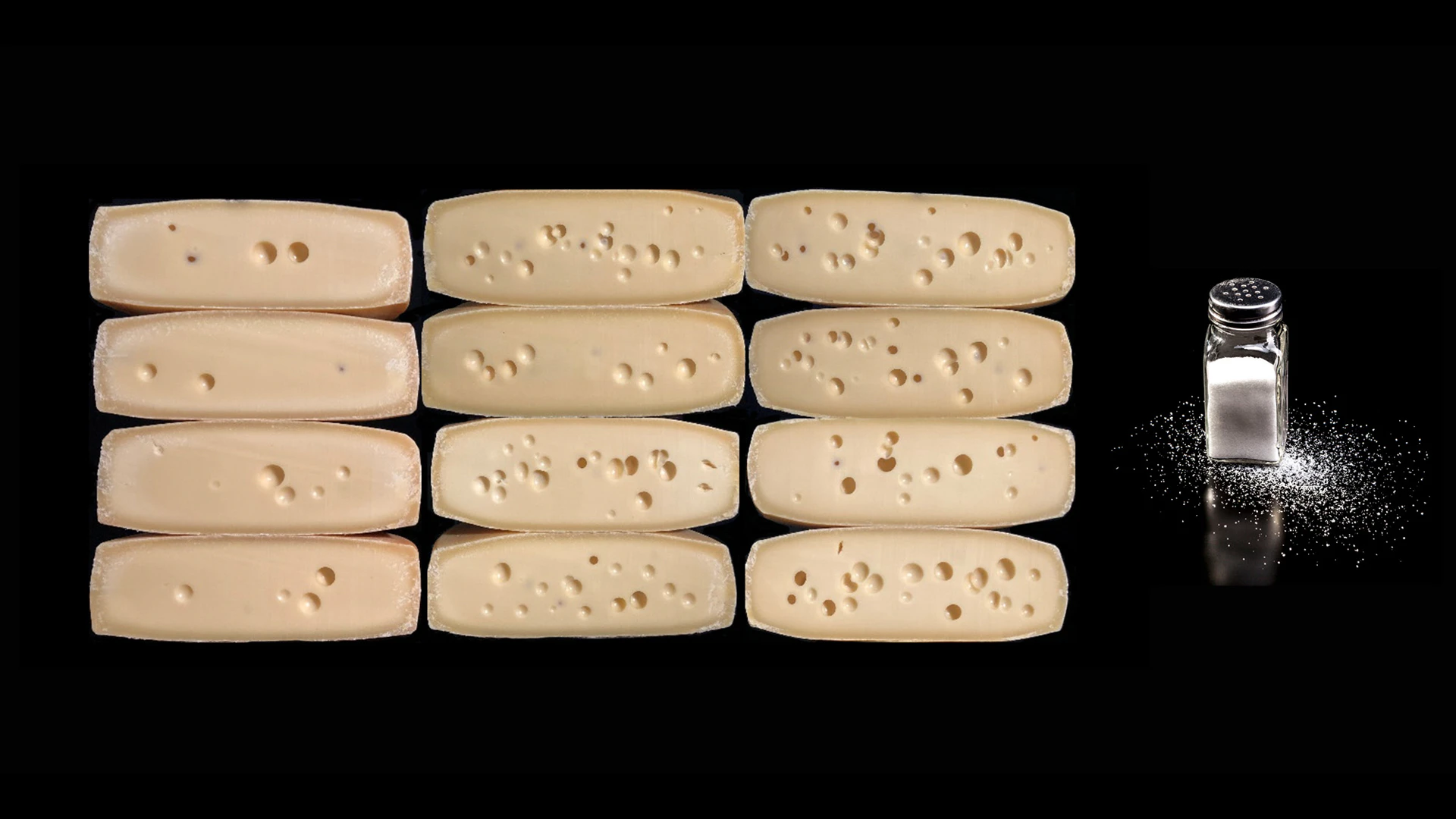
The Salt Dilemma with Emmentaler Cheese
Emmentaler PDO has a low-to-very-low salt content compared to other varieties of cheese. Agroscope researchers show how this came about, what sort of effects this has on sensory quality, and what can be done about this.
Automatic Milking in PDO Cheese Sectors: Between Tradition and Technology
A new study looks at the impacts of automatic milking systems on milk quality, its link to terroir, microbial biodiversity, social aspects and the image of PDO cheese.
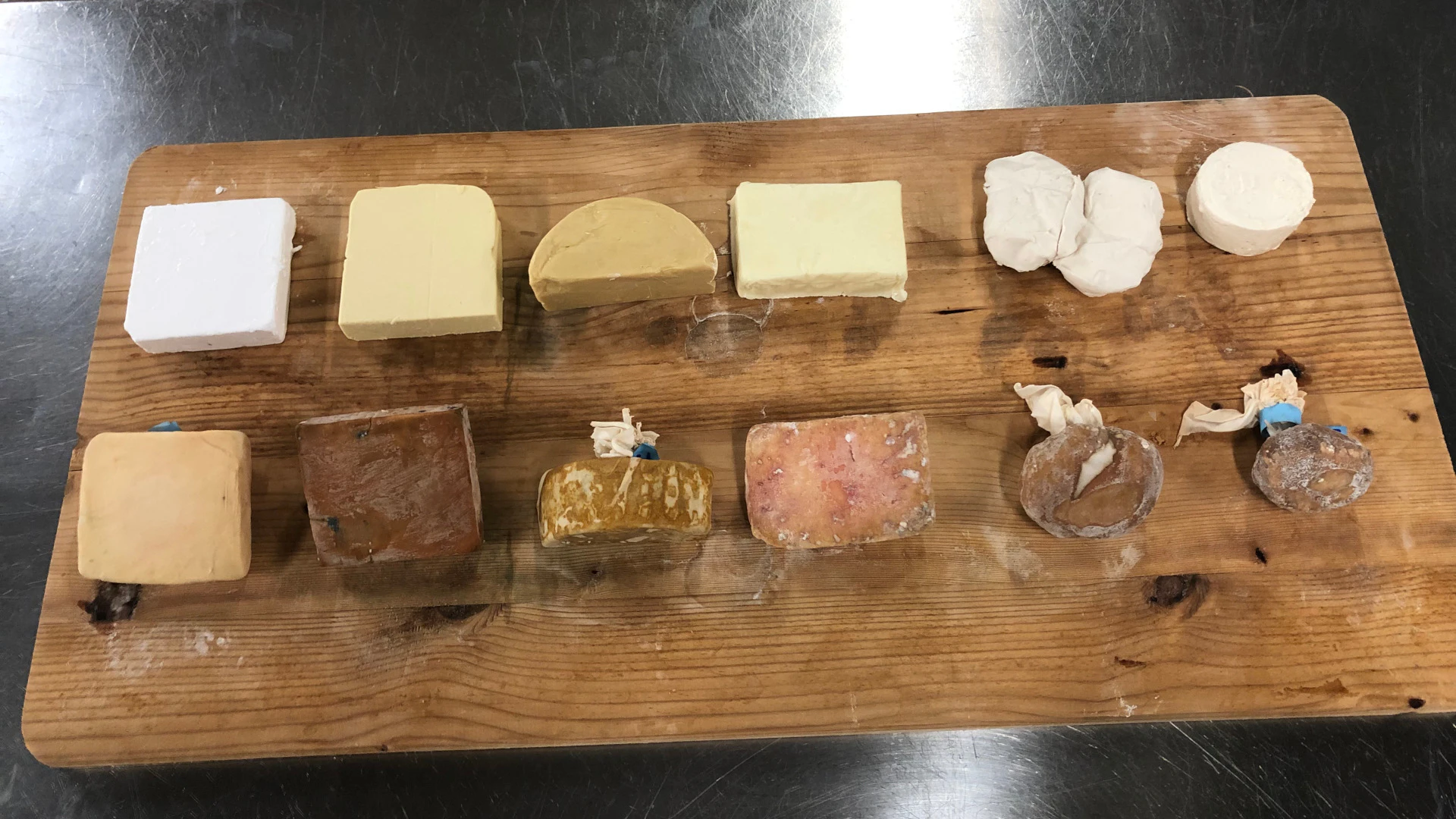
New Cheese Ripening Method Also Works for Vegan Cheese Alternatives
Further information is available in the following languages: German, French, Italian.
Agroscope’s Microorganism Collections – an Invisible Treasure
Agroscope harbours a treasure in the form of its microorganism collections. From fungi to cheese-culture bacteria by way of microalgae, these valuable resources drive research on behalf of a more sustainable agricultural sector.
WASTEWISE: A Decisive Step in Combating Food Waste
The new EU-funded project ‘WASTEWISE’ aims to make a contribution to reducing food waste in both Switzerland and Europe. Agroscope supports the project by compiling detailed data, calculating the environmental impact of losses and waste, and examining the nutritional factors.
SRF-Einstein looks behind the scenes of Swiss cheese production
What makes Swiss cheese so unique? In its 9 January 2025 broadcast, the Swiss media company SRF’s science programme ‘Einstein’ explores this question, explaining the important role played by bacteria. In addition to a closer look at our bacteria collection, laboratories and culture production, there is a cheese test in our research dairy.
New Cheese Ripening Method: Dairies and Textile Firms Take the Lead
The scientific issues concerning the new cheese ripening method have been resolved and a textile has been developed that meets all the requirements. Together with the industry, it was decided that the cheese dairies and textile companies would take implementation forward from this point.
Emmentaler Dolce – a Young Cheese with Bags of Flavour
Together with the Emmentaler variety organisation, Agroscope has developed the scientific bases for a new recipe for an Emmentaler-type cheese boasting more flavour and a more supple curd with a short ripening period. This potentially makes it a competitive alternative to popular non-Swiss large-eyed cheeses.
A Thumbs up for Raw Milk Products
The knowledge and skills needed to produce safe, high-quality raw milk products already exists. A new Agroscope publication explains how. It summarises the key findings of last year’s conference of the FACEnetwork, a European network of farmhouse and artisan cheese and dairy producers.
New Protective Culture from Agroscope Prevents Faulty Fermentation in Cheese Production
Agroscope has developed a protective culture against butyric acid fermentation, which can cause millions of CHF-worth of damage in the cheese sector. The culture prevents the formation of undesirable gases and negative changes in the taste of the cheese.
Alpine and Mountain Agriculture: Adapting to a Rapidly Changing World
For three years now, the Alpine and Mountain Agriculture Experimental Station has been helping farms at higher altitudes deal with increasingly demanding production conditions. In a meeting of tradition and technology, ongoing trials and initial results were presented to the media on 2 July in the Canton of Graubünden. Below, some information on the projects.
Bacteria welcome!
Our gut microbiota is important for our health. The more diverse the microbial composition, the better. The Polyfermenthealth project aims to find new bacteria for yogurt production in order to bring more bacterial and nutrient diversity back into the diet.
What Makes Swiss Cheese Unique?
British YouTuber Tom Scott looks behind the scenes of cheese research at Agroscope.
Brandies from Old Apple Varieties
The potential of old apple varieties often remains untapped. Agroscope and Fructus are testing which old apple varieties might stage a comeback as the raw material for distilling brandy.
The Right Varieties for Successful Baking
Agroscope researchers are investigating which grain varieties are best suited to backing Swiss Christmas cookies (Guetzli) or bread. The Swiss wheat variety ‘Dilago’ was specially bred for baking Guetzli.
AgroPV and Greenhouse Crops: Pilot Project
To utilise useful light for the vegetables grown in the greenhouse whilst producing electricity: this is possible thanks to the startup Voltiris's agri-photovoltaic system. Agroscope is currently testing this solution for vegetable crops requiring especially high levels of light at its Conthey site.
A Food Challenge, Seasoned with Agroscope Knowledge
How can we feed ourselves in the most climate- and environmentally friendly way possible? The Swiss TV channel SRF’s ‘Einstein’ show explores this issue in two programmes, on 10 and 17 February 2022 – with the participation of experts from Agroscope.
Researching in the System and with Practice
Agroscope’s new 2022–2025 Work Programme aims to strengthen system research and co-create more research with farmers. It is also increasingly guided by the principles of agroecology.
Characterisation of Raclette du Valais PDO
Agroscope has comprehensively characterised the cheese variety Raclette du Valais PDO (Protected Designation of Origin). With the reference values obtained, cheese-dairy advisory services will be able to identify cheese defects more easily in future.