
Discover Agroscope research at the BEA!
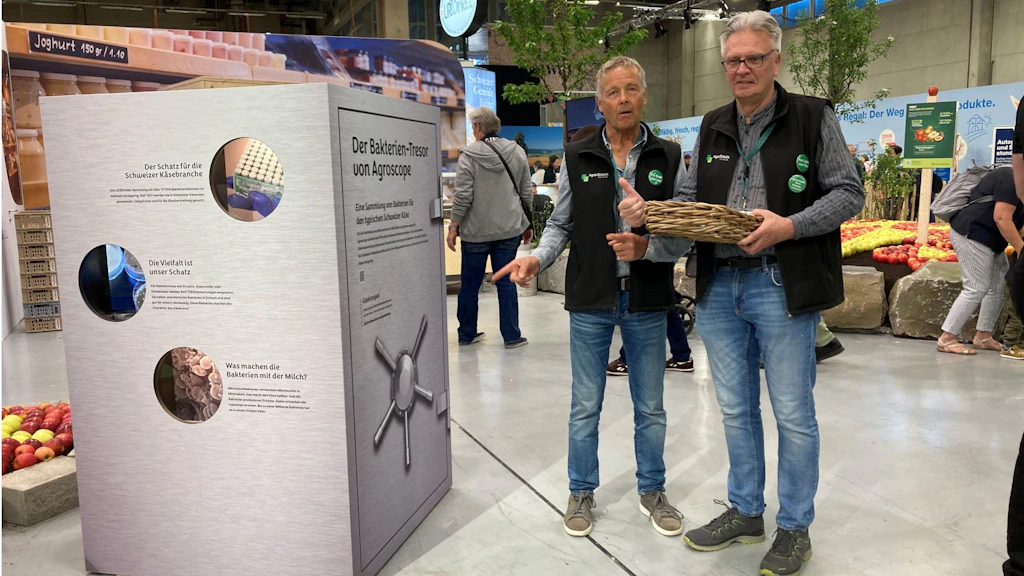
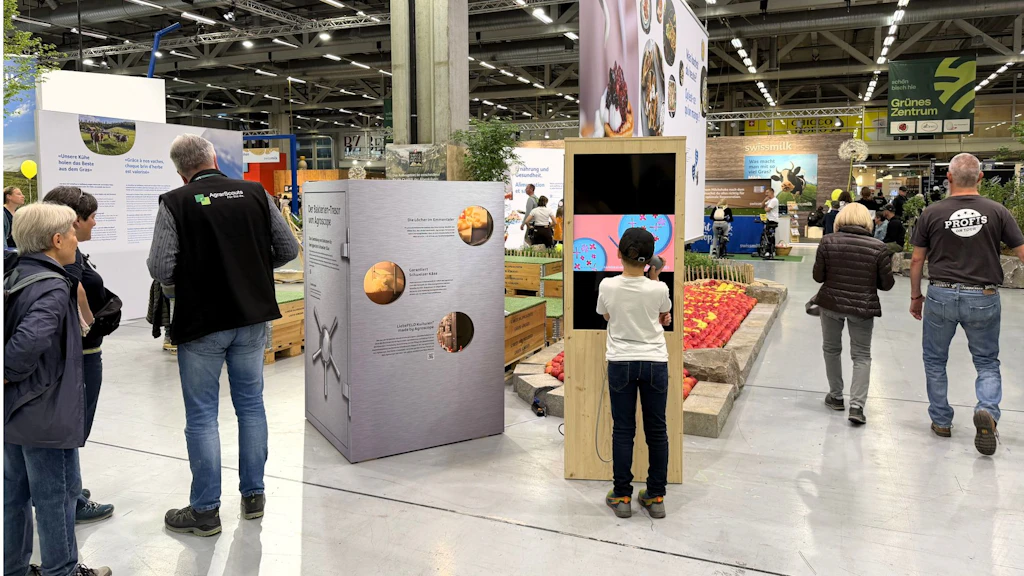
At this year’s BEA exhibition, Agroscope presents a treasure in the Bacteria Vault. The special show, ‘Milk’, gives a lighthearted insight into what makes Swiss cheese unique.
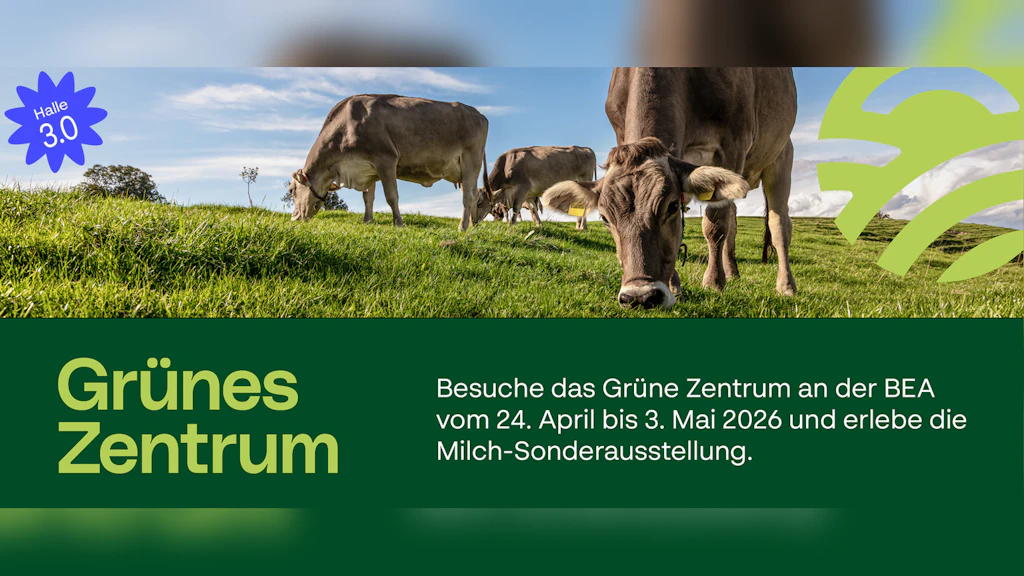
This year Agroscope will again be present at the BEA, from 24 April to 3 May 2026 in the Green Centre in Hall 3.
Agroscope’s bacteria collection represents a genuine treasure for Swiss cheese dairies. In the Vault (‘Tresor’) at the BEA you will learn just what these tiny bacteria are capable of. A short animated video shows how cheese with high microbial diversity is produced, and what makes it particularly healthy.
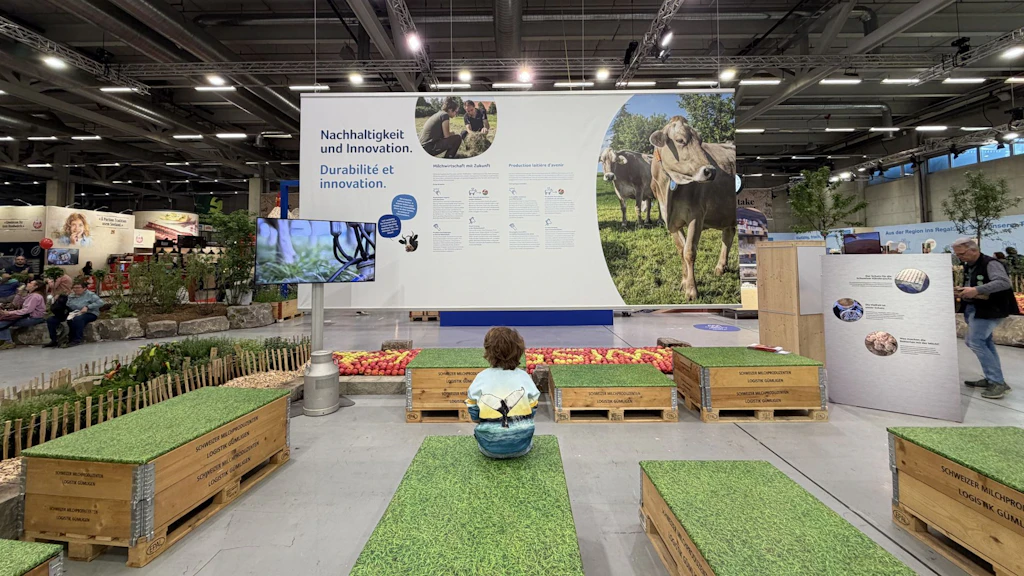
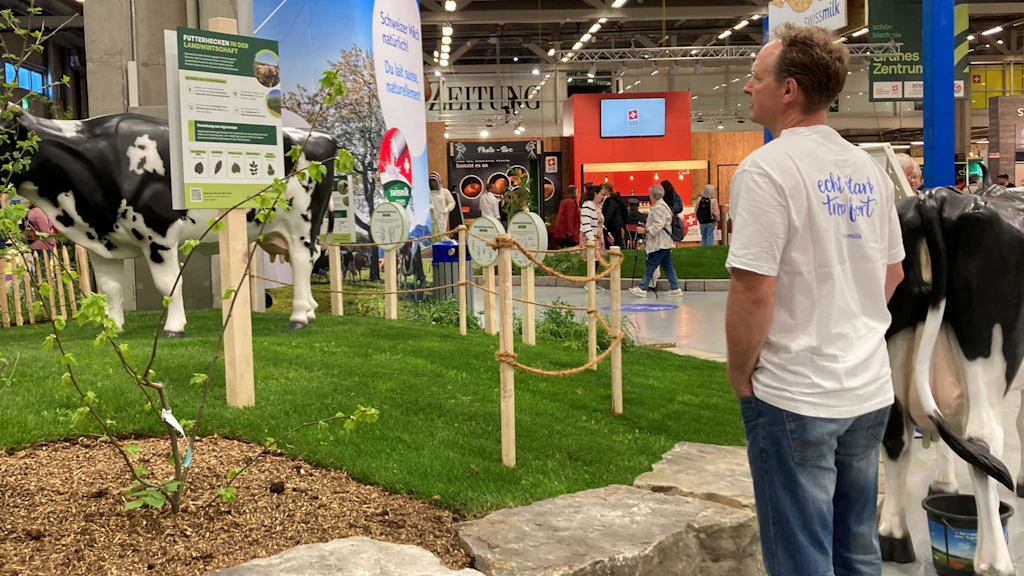
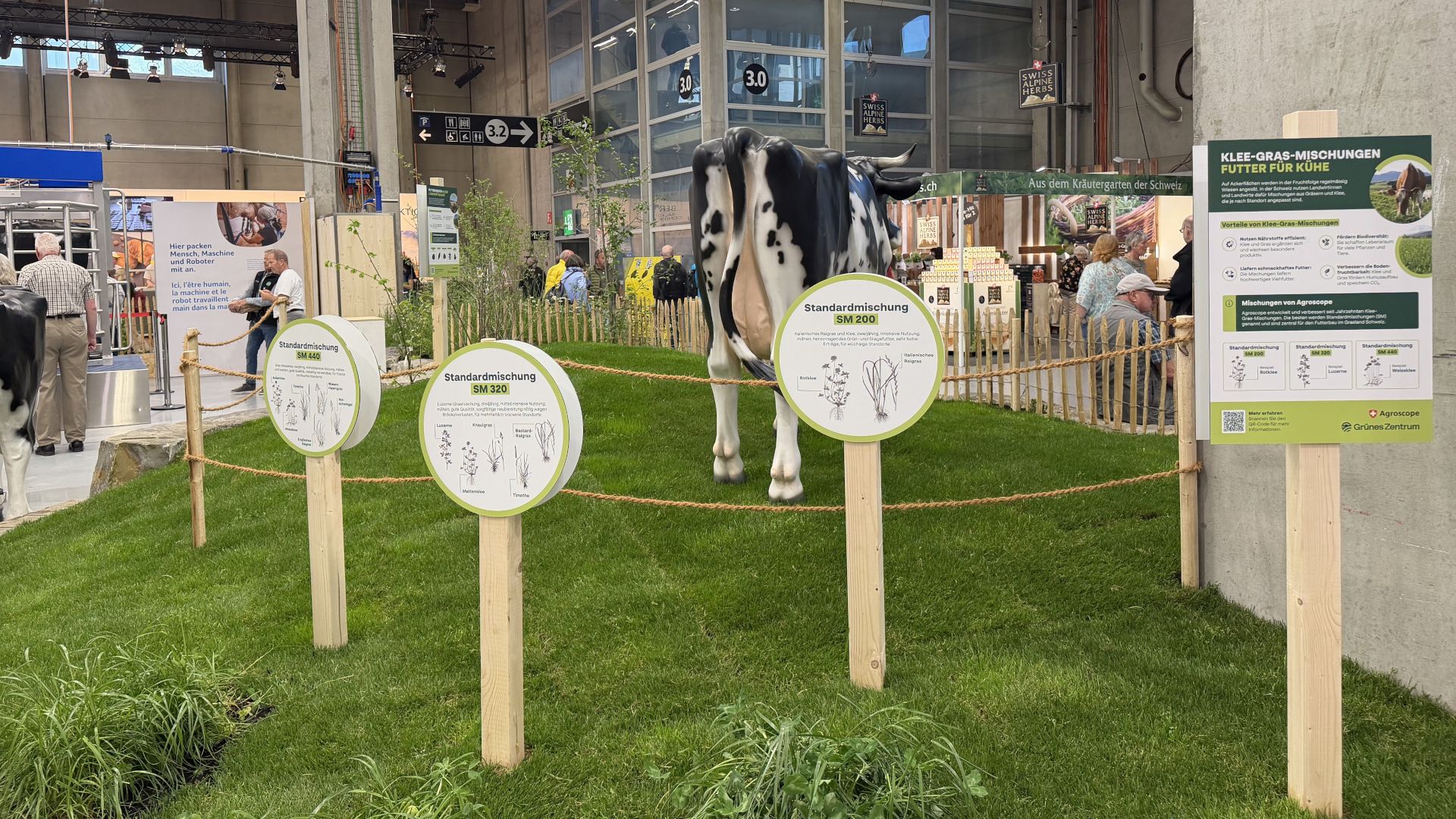
High-quality cheese also requires good feed for the cows, so Agroscope will also be presenting various clover-grass mixtures. These meadow plants deliver palatable forage, play an important role in the crop rotation and possess many benefits for the environment. Discover these plants for different sites and uses.
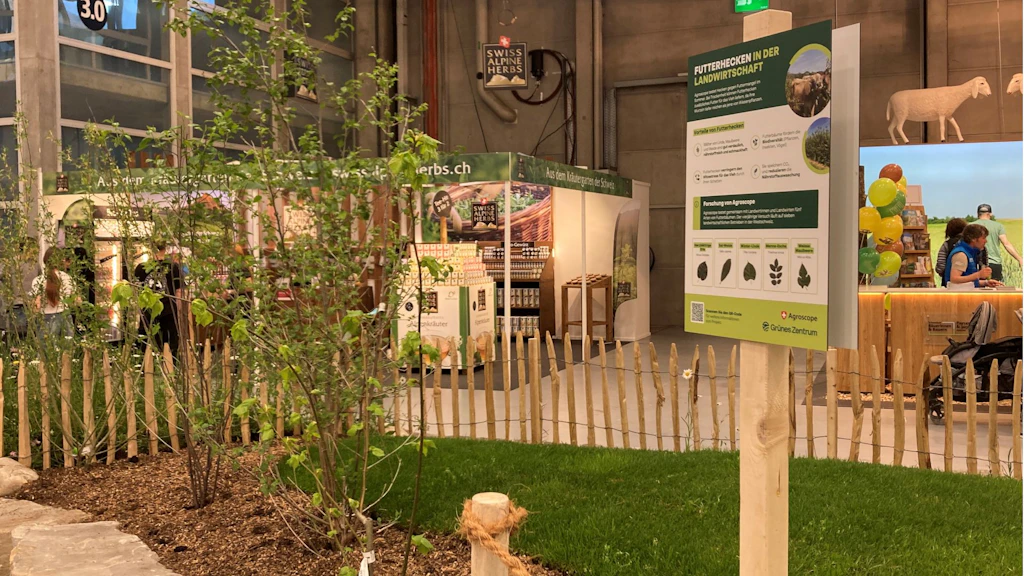
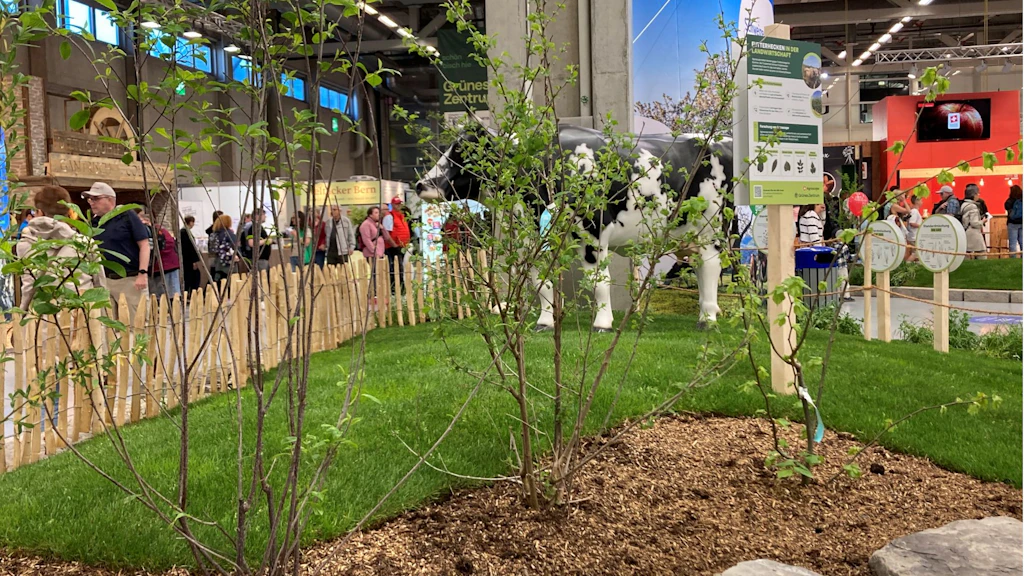
With climate change comes an increase in summer drought. Hence, we’ll be showing how forage hedges with trees can serve as a substitute for grass during such drought periods. You’ll learn which trees are particularly suitable as forage for cows – and the answer may surprise you.
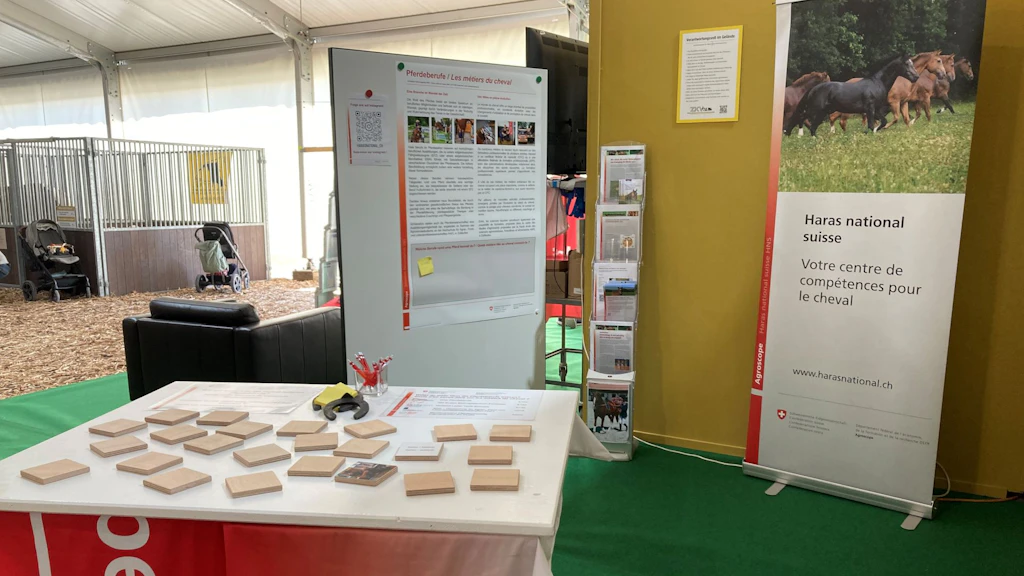
Agroscope’s Swiss National Stud is also represented at the BEA ‘Horse’ show, and will be presenting interesting facts on horsekeeping and equine research. On selected days you’ll find us in Hall 13 at the Community Stand for the Horse Sector, which we will be organising jointly with the Exhibition Office of BEA Horse and the Swiss Equestrian Federation (Zentralschweizerischer Kavallerie- und Pferdesportverband ZKV).
The Swiss National Stud’s team will be taking part daily with stallions at the Noon Breed Show and will be participating in the Franches-Montagnes Afternoon on Saturday 2 May 2026.
We look forward to your visit!
Further information
.jpeg?w=1024&auto=format)



Index
Read more

Cheese, Milk and Dairy Products
Milk and milk products are valuable foods in the human diet because of their composition.
Agroforestry for forage production
Climate change is an important factor in yield and forage quality losses, mainly due to the increased periods of drought during the growing season. Agroforestry for forage production could be a promising solution, particularly during the summer when the risk of reduced forage production from drought is highest. The #AgroForageTree project aims to test the potential of fodder tree hedgerows for providing supplementary tree leaf-based forage in summer.

Seed Mixtures, Variety Testing, Variety Lists
When numerous different organisms co-exist in an ecosystem (biodiversity), the ecosystem services of benefit to humans are often improved. This occurs because the different living creatures are mutually complementary in their functions.