

Agroscope’s Microorganism Collections – an Invisible Treasure
Agroscope harbours a treasure in the form of its microorganism collections. From fungi to cheese-culture bacteria by way of microalgae, these valuable resources drive research on behalf of a more sustainable agricultural sector.
Microorganisms are key players in all sorts of ecosystems, which is why they play a pivotal role in many of Agroscope’s research topics. In agriculture, for example, they are essential for soil quality as well as crop health and productivity. Besides this, they are actively used in processes such as composting, biogas production and even biological pest control. Microorganisms are used in the food industry to manufacture products we consume every day, such as yoghurt, cheese, wine, beer, kimchi and chocolate.
Fungi, algae & co.: Agroscope’s Microorganisms collections
Over the course of decades of research, Agroscope has set up various collections comprising a wide range of microorganisms from different environments. To give a few examples:
- Agroscope’s ‘Mycology’ Group has built up the comprehensive ‘Mycoscope’ fungi collection over a period of more than fifty years. Today, this collection includes almost 4400 strains. These are used to search for new natural chemical compounds such as fungicides and drugs, flavourings and colourings as well as to develop strategies for the biological control of plant pathogens.
- The ‘AlgoScope’ microalgae collection is of recent provenance, established in 2022 as part of the ‘Algafeed’ project which aims to develop suitable indigenous microalgae as an alternative animal-feed protein source to soya. The most promising strains of the collection are used to develop food- and feedstuffs, and could in future be used in research into applications in fields such as bioremediation, biofuels, natural biocides and even plant growth aids.
- A collection of microorganisms from fermented foods was also created at Agroscope within the context of research on the microorganisms in milk and dairy products. The collection mainly contains bacteria isolated from fermented dairy products. In addition, it encompasses isolates from other fermented foods (such as meat or fermented plant products), a collection of bacteriophages and wine yeasts, and reference strains from international collections. The strains of this collection are used in a wide range of research applications. In addition, the cheese cultures underlying the success of many Swiss cheese dairies contain isolates from this collection.
An important resource for current and future research
The above-mentioned examples are just a selection of the comprehensive resources maintained by Agroscope. Equally worthy of mention are the collection of entomopathogenic fungi for research into biological pest control and the collections of honey bee- and human pathogenic bacteria, including antibiotic-resistant strains. Likewise of great interest are the collections of fungi, viruses and bacteria that can affect crops as plant-disease pathogens. Lastly, Agroscope also has a collection of soil microorganisms serving as a valuable resource for research into soil health and soil biodiversity.
Agroscope recognised early on the value of such collections for research activities and supported the extensive work associated therewith, particularly through the interlinking of the collections to promote scientific cooperation. The interactive database of the fungi collection (www.mycoscope.ch) makes it easier for researchers to make use of these valuable resources.
These collections offer the scientific research community unique access to microbial biodiversity, which – just like the biodiversity of the animal and plant kingdoms – is under threat from changes to the environment. They are not only a precious legacy of the diversity of Switzerland’s microorganisms but also a resource of inestimable value for current and future research, and hence for the development of new products and applications.
In the latest issue of its magazine, Agroscope invites you on a tour of its microorganism collections, which harbour a veritable treasure trove of invisible biodiversity.
Read more
Index
Further Information
Genetic Biodiversity, Collections
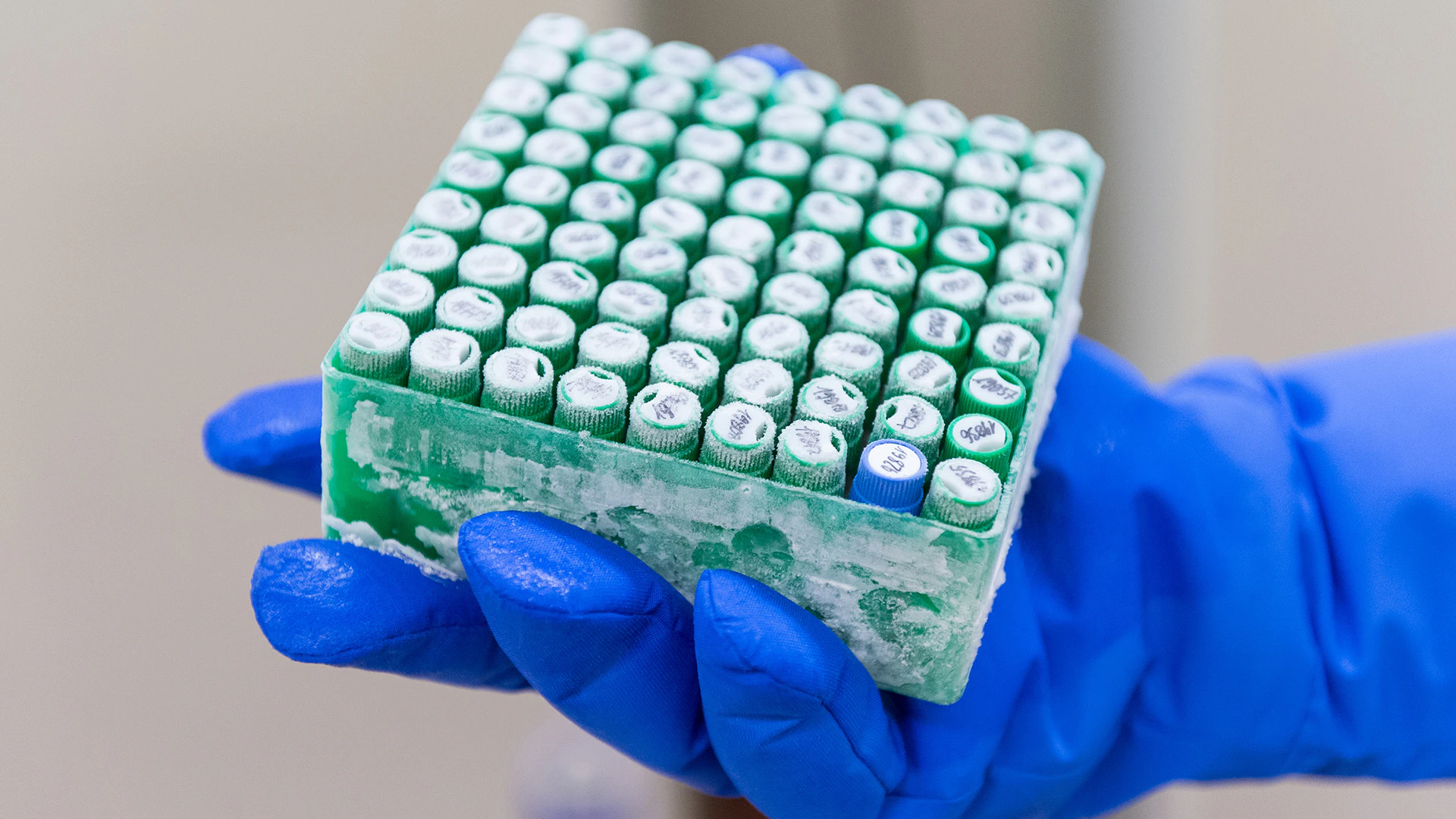
As part of its various research activities, Agroscope has collected numerous microorganisms isolated from various agricultural and food systems. The microbial collections built up over time not only encompass a vast taxonomic diversity of organisms, including viruses, bacteria, fungi, oomycetes, and microalgae, but also cover a wide variety of functions. Some of these microorganisms are pathogens of plants, animals, or humans, while others have biotechnological applications, such as biocontrol, the production of food for humans and feed for animals, and the synthesis of bioactive compounds of medical or agronomic interest. The microorganisms collected represent a heritage of Swiss microbial biodiversity and play a central role in many of the research projects conducted by Agroscope.
WhatsApp channel for practitioners
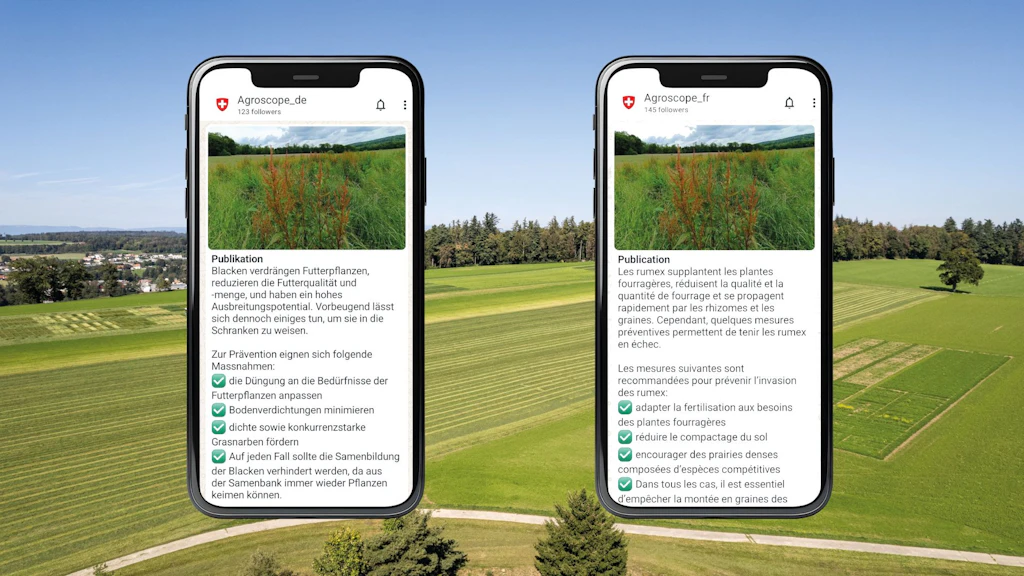
Aimed at agricultural practitioners, the information is shared on our WhatsApp channels 'Agroscope_fr' (French) and 'Agroscope_de' (German).