Newsroom Plant Production
Topic Plant Production | Newsroom
SwissFruit Congress on Berries 2026
Further information is available in the following languages: German, French, Italian
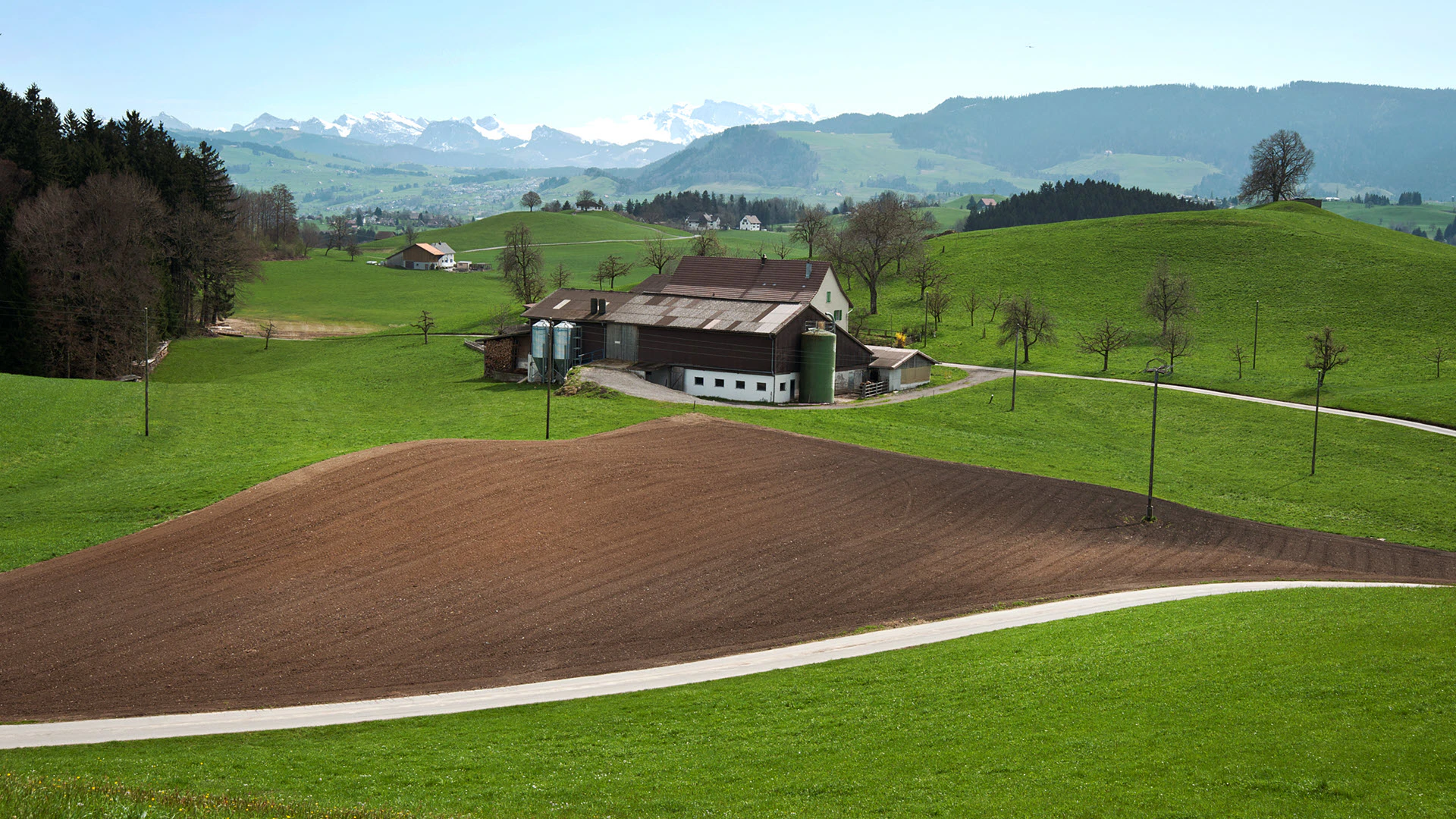
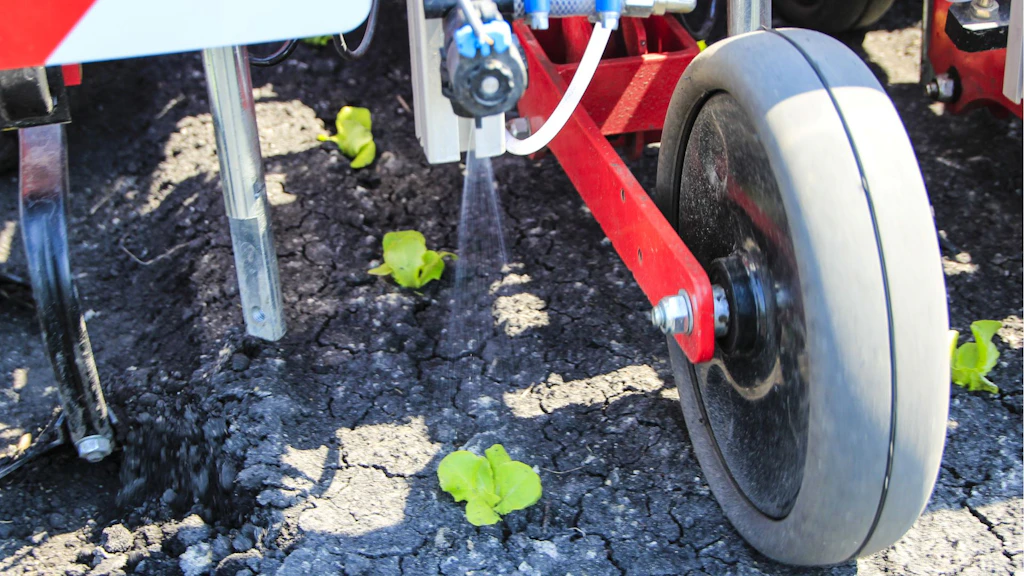
Spot-Spraying in Vegetable Crops: Targeted Plant Protection for the Future
At the press conference of 15 October, specialists showed how spot-spraying helps reduce the use of plant-protection products in vegetable crops. Agroscope has published a policy brief and a scientific report on this topic.
Spot-Spraying in Vegetable Crops: Targeted Plant Protection for the Future
Camera-guided spot-spraying enables targeted application of plant-protection products on individual plants in a crop. At the media conference of the Association of Swiss Vegetable Producers on October 15, Agroscope researchers show how the method functions.
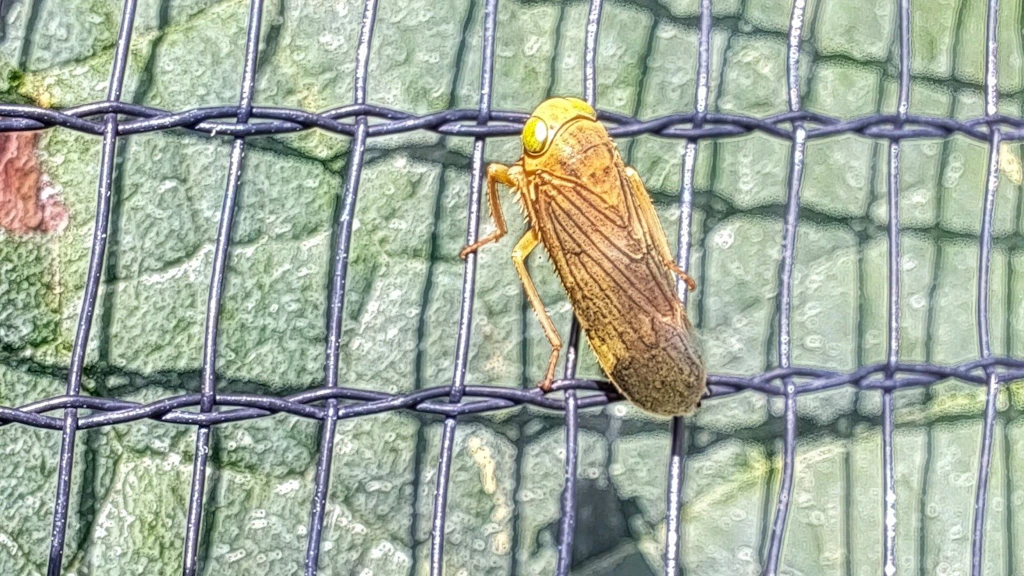
New Leafhopper Potentially Problematic for Grapevine Detected in Switzerland
Native to North and Central America, the leafhopper Jikradia olitoria is a potential vector of flavescence dorée (grapevine yellows). Recently reported in several European countries, the presence of this pest has now been confirmed in Ticino.
GDPM 2027: 10th International Workshop on Grapevine Downy and Powdery Mildews
The tenth international scientific meeting devoted to grapevine downy and powdery mildews will be held in Nyon from 13–16 July 2027. On the GDPM 2027 agenda: scientific exchanges, recent findings and innovations. Early Bird rates available.
Nematodes in Crop Production: New Factsheets for Practitioners
Further information is available in the following languages: German, French, Italian
Updated Varietal Profiles for Swiss Cider Apples
Agroscope has revised the publication Beschreibung wertvoller Mostapfelsorte (Description of useful cider apple varieties). As well as adding four varieties to the list, the information about cultivation and juice quality has also been updated. Robust varieties for Swiss production are the primary focus.
Flavescence Dorée: Reducing Disease Pressure by Managing Hazel Bushes
A study conducted in Ticino by Agroscope and the Federal Research Institute for Forest, Snow and Landscape WSL shows that coppicing hazel bushes in the vicinity of vineyards can sustainably reduce populations of Orientus ishidae, an alternative vector of flavescence dorée.
Preparing the Potato Sector for Future Challenges
Further information is available in the following languages: German, French, Italian
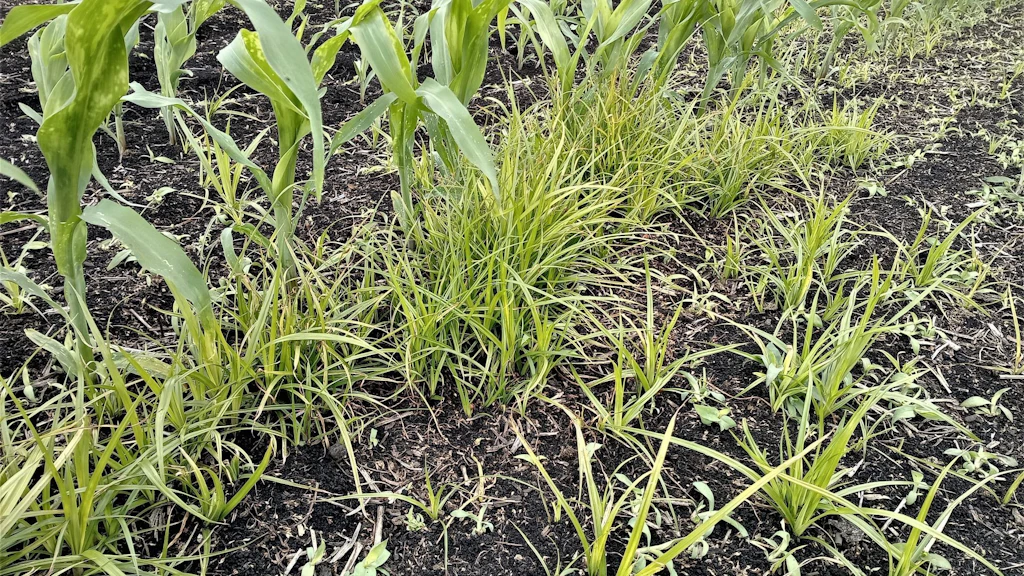
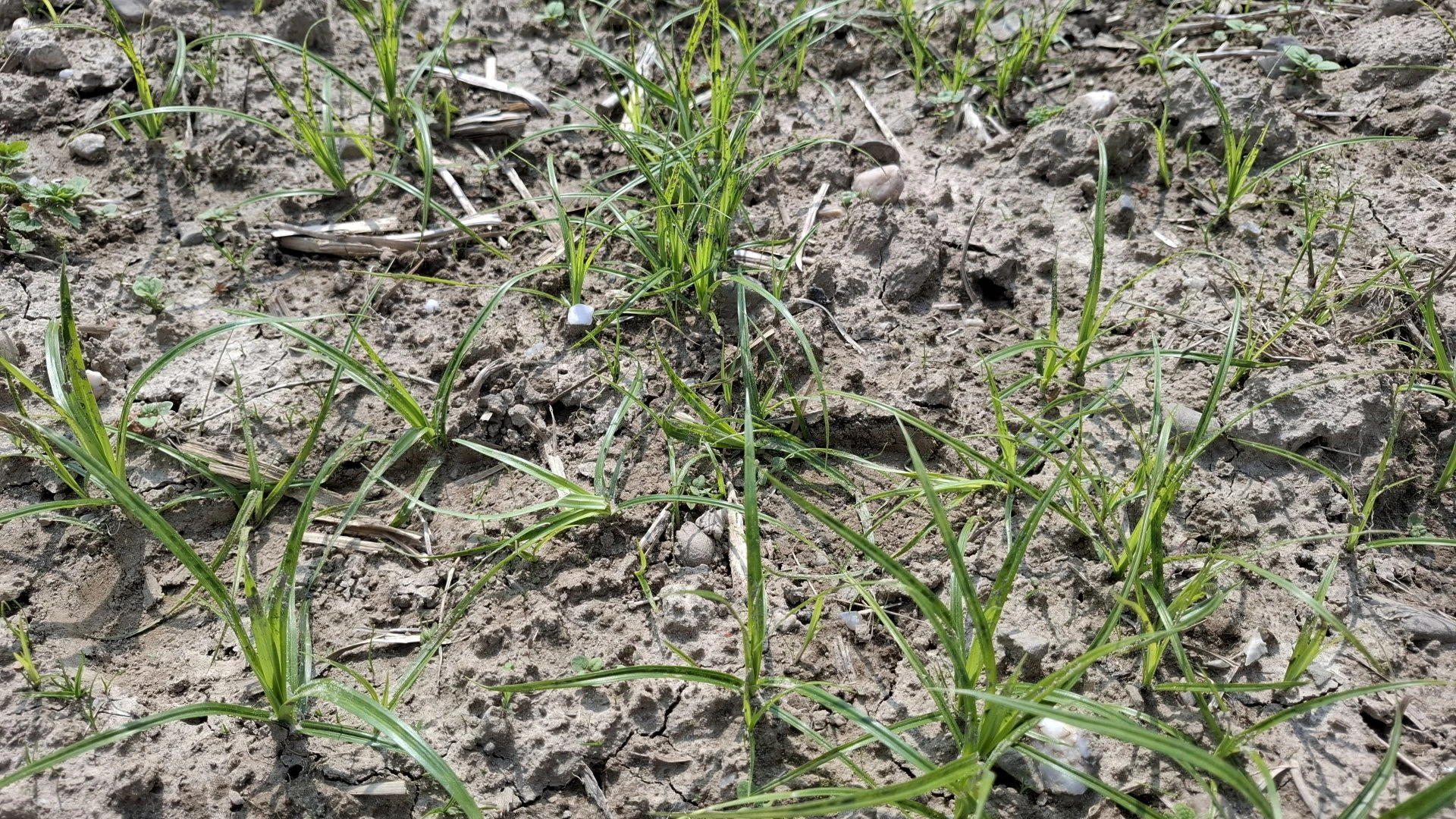
Yellow Nutsedge: Field Trial to Investigate Effective Control Strategies
Further information is available in the following languages: German, French, Italian
Soil Quality and Soil Cover: Science, Practice and Advisory Service working hand in hand
Further information is available in the following languages: German, French, Italian
What Buried Underpants Reveal about the Soil
Five years ago, volunteers throughout Switzerland buried cotton underpants to measure soil-life activity. The results of this experiment now show that soil-life activity is above all influenced by type of land use.
Recycle4Bio Project Closing Event: Register now
Further information is available in the following languages: German
Insights from the field Yannick Stabrowski
Further information is available in the following languages: German, French
Hand-over of keys to Agroscope’s new laboratory building in Posieux: a milestone for the national research campus
On Friday 14 August 2026 the canton of Fribourg officially handed over the keys to Agroscope’s new laboratory building in Posieux to the Swiss Confederation. The ceremony was attended by President of the Swiss Confederation Guy Parmelin and delegations from the Fribourg State Council and the Agroscope executive board as well as the Federal Offices for Agriculture (FOAG) and Buildings and Logistics (FOBL). Thus the centrepiece of Agroscope’s new site strategy is now ready for use.
New Fact Sheets on Major Diseases Affecting Apples, Stone Fruit and Kiwifruit
Further information is available in the following languages: German, French, Italian
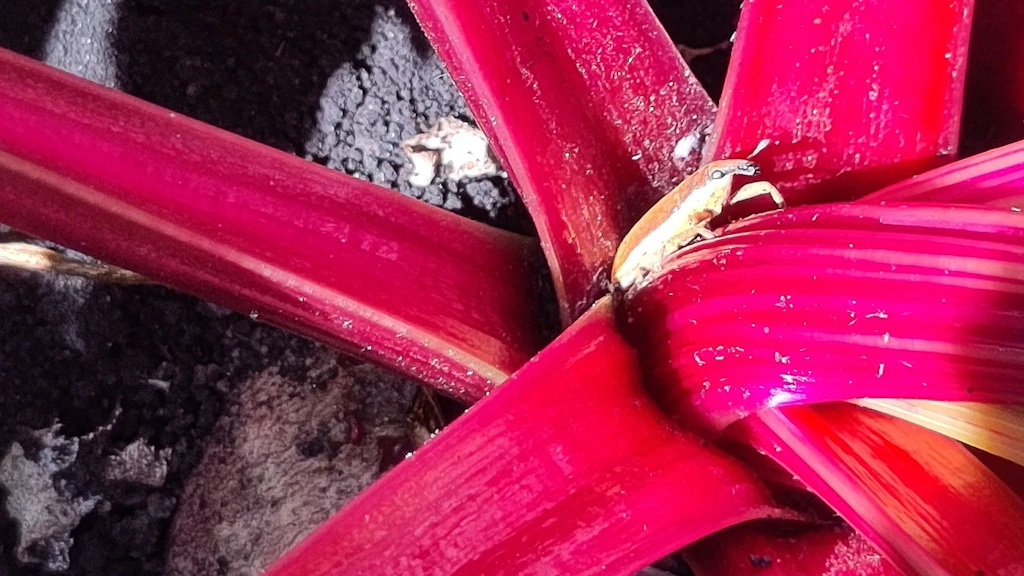
Agroscope Fact Sheet on the Beet Lixus
Further information is available in the following languages: German, French, Italian
Meeting of Pome Fruit Experts at 2026 Güttingen Conference
This year’s Güttingen Conference topics are the certification of plant-protection products, efficient planting, collateral pests and new apple rootstock. The conference will take place on Saturday 15 August 2026 from 9.30am onwards in Güttingen, Canton of Thurgau.
Viticulture and Oenology Experimental Station: Interim Results
Further information is available in the following languages: German, French, Italian
Swiss Wild Hops – A Promising Resource for the Future of Beer Brewing
Further information is available in the following languages: German, French, Italian
Agrivoltaics: Different Impacts in Raspberry and Strawberry Crops
Agrivoltaic systems affect strawberry and raspberry crops differently. The results of four years of trials are presented in a video and in an article in Swiss Agricultural Research.
Using Sheep and Heifers to Keep Dwarf Shrubs in Check
A pilot project is turning to sheep and heifers to slow the spread of dwarf shrubs on alpine pastures. The aim is to curb scrub encroachment and improve biodiversity as well as the quality and quantity of forage.
Trials with Drought-Resistant Forage Crop Mixtures
The development of drought-resistant forage crop mixtures for the mountain regions is moving foward in five cantons. Results from 2024 and 2025 show that two species play a particularly vital role in maintaing yields during droughts.
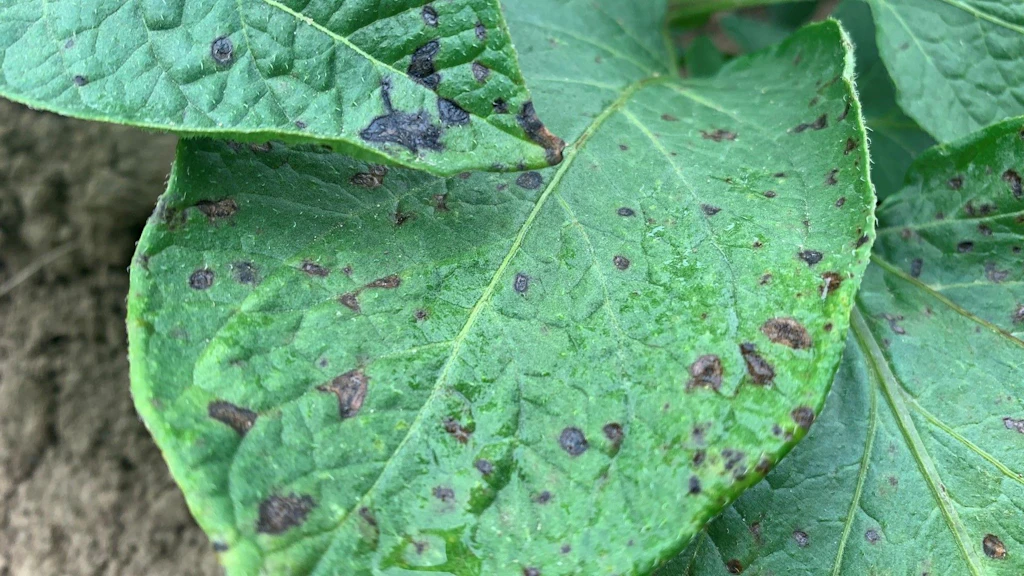
Alternaria in Potatoes: Use of Robust Varieties Recommended
Further information is available in the following languages: German, French, Italian
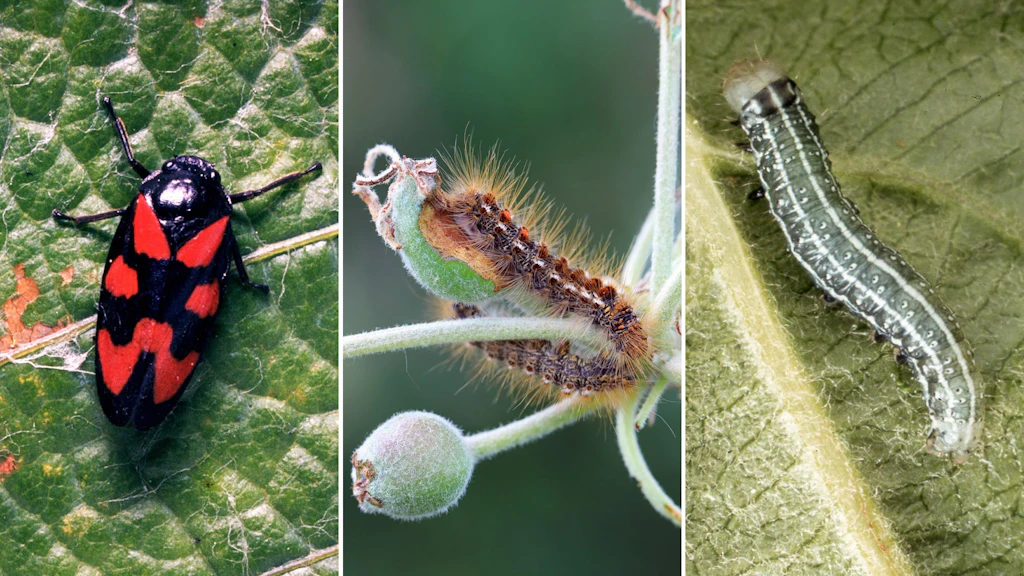
New Fact Sheets on Pests in Fruit Growing
Further information is available in the following languages: German, French, Italian
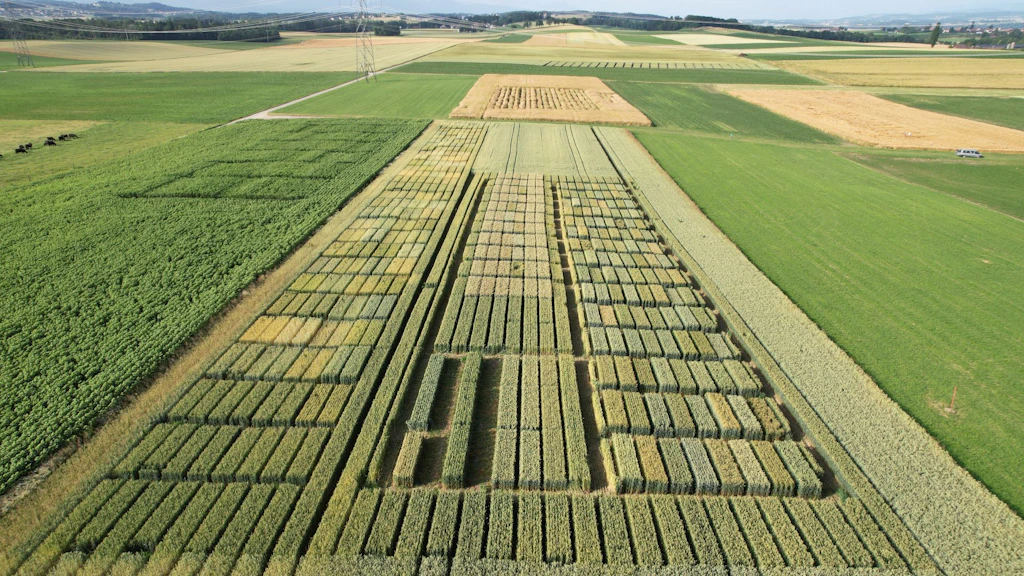
Recommended Cereal Varieties 2027
Further information is available in the following languages: German, French, Italian
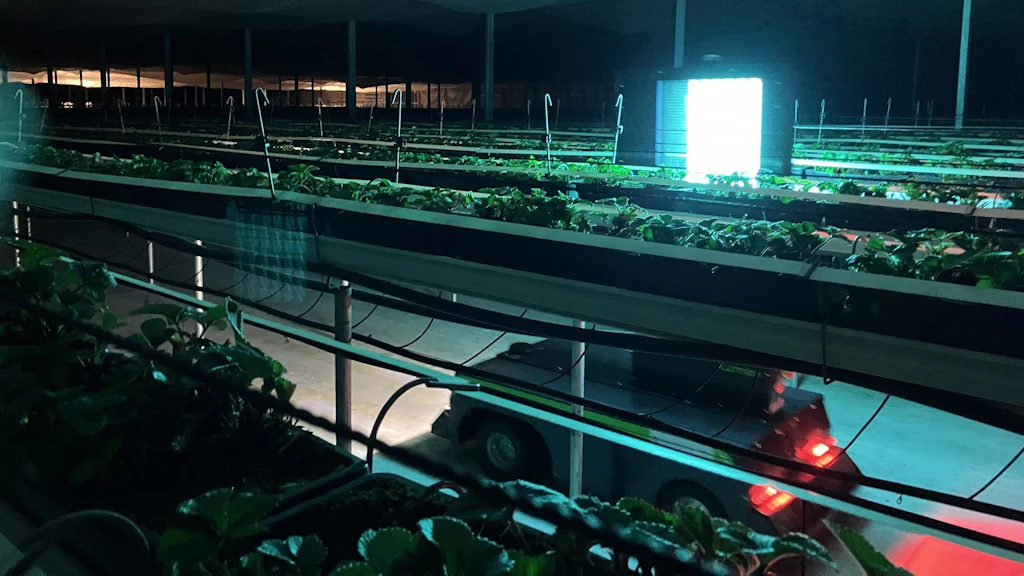
UV-C for Controlling Powdery Mildew in Greenhouse Strawberry Production
Further information is available in the following languages: German, French or Italian
Agroscope at the Field Days 2026
Further information is available in the following languages: German, French, Italian
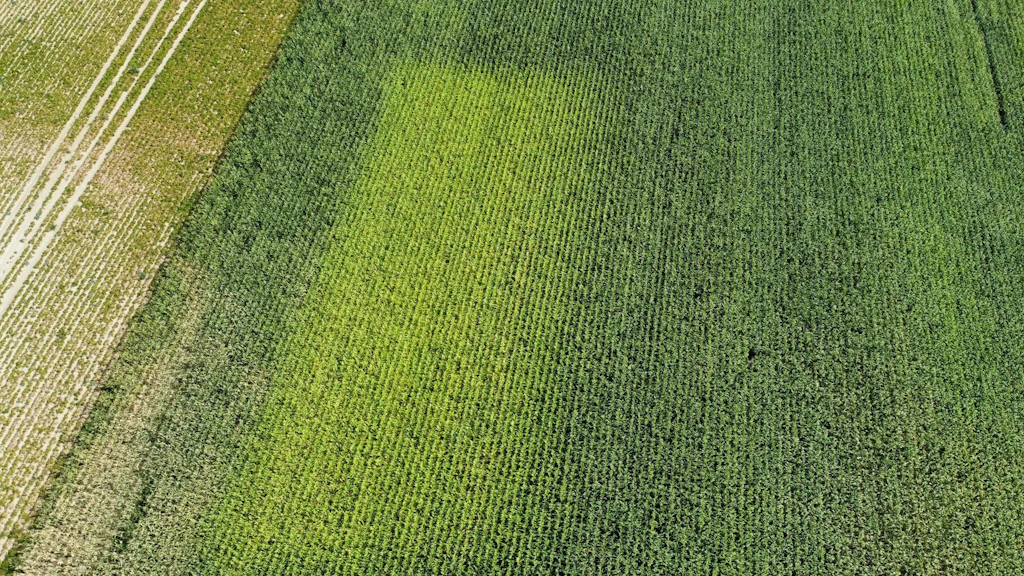
Reducing Plant-Protect Products thanks to Precision Farming
Digital technologies make it possible to apply plant-protection products (PPPs) at the right time, in the right amount and in the right place. This means that the amount of PPPs used can be significantly reduced in some cases.
Possible Effects of Sustainability Goals on the Agriculture and Food Sector
De plus amples informations sont disponibles dans les langues suivantes:allemand, italien, anglais.
Breitenhof-Tagung Agroscope 2026
Further information is available in the following languages: German
‘Stop the Japanese Beetle’ Campaign Launched
Further information is available in the following languages: German, French, Italian
Field Trial with Cisgenic Potatoes: Sustainable Disease Resistance Sought
Agroscope is testing the use of new breeding technologies by cultivating a late blight-resistant potato cultivar in the field. Authorised by the Federal Office for the Environment (FOEN), the field study serves as a basis for researching potato varieties containing no foreign DNA. These so called ‘cisgenic’ varieties reduce the need for plant-protection products and can better withstand extreme weather conditions.
Insights from the field Christian Moser
Further information is available in the following languages:German, French.
2026 Spring Conference of the ADCF
On 13 May 2026 The Swiss Grassland Society (ADCF) will be holding a spring conference in Riffenmatt, Canton of Bern, focusing on forage strategies tailored to the conditions of the terrain. The presentations and demonstration will be given in German and French.
Discover Agroscope research at the BEA!
At this year’s BEA exhibition, Agroscope presents a treasure in the Bacteria Vault. The special show, ‘Milk’, gives a lighthearted insight into what makes Swiss cheese unique.
Insights from the field Daniel Humbert
Further information is available in the following languages:German, French.
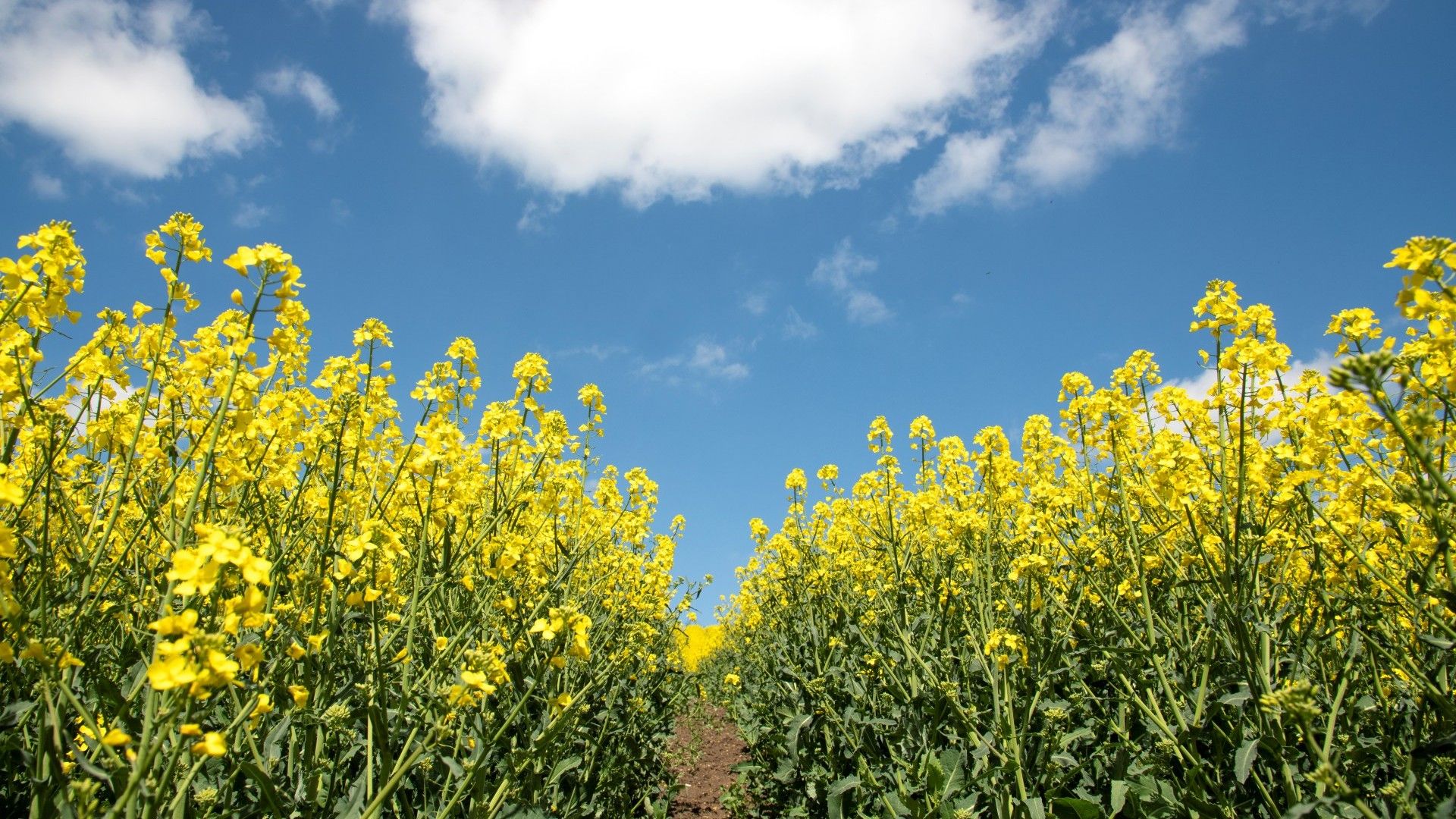
Swiss List of Recommended Winter Oilseed Rape Varieties 2027
Further information is available in the following languages: German, French, Italian
Phytosanitary Recommendations for Fruit Growing Published
Further information is available in the following languages: German, French
Making Self-watering Fruit Trees a Reality
The start of the growing season raises the issue of optimal irrigation in fruit production. Thanks to digital measurements, trees on pilot farms are only being irrigated when necessary, thus saving water. An Agroscope video shows how this works.
Fertilisation Recommendations for New Vegetable Types and Processing Vegetables
Further information is available in the following languages:German, French, Italian
Unique Experimental Station for Improving the Quality of Agricultural Soils
Further information is available in the following languages: German, French, Italian.
Agroscope Tests the Potential of Sweet Sorghum for Distillation
Further information is available in the following languages:German, French, Italian
Understanding the Population Dynamics of Potato Blight
Potatoes require very high fungicide inputs. New strains of late blight are hampering control measures. A monitoring aims to comprehensively record the population dynamics of the pathogen in Switzerland and provide recommendations for potato production.
Supporting Ground-Nesting Wild Bees for the Benefit of Crop Pollination
A new Agroscope factsheet offers tips on how to support ground-nesting wild bees on one’s own farm with relatively little effort. This will help boost the populations of the primary insect pollinators of agricultural crops.
Lists of Plant Protection Products for Commercial Fruit Growing and Viticulture in 2026
Further information is available in the following languages: German, French, Italian
Agroscope Presents Seven New Resistant Grape Varieties
Further information is available in the following languages:German, French, Italian
Herbicide-Free Control of Yellow Nutsedge
Further information is available in the following languages: German, French, Italian.
Research with a Focus on Impact and Practical Benefits
Agroscope’s New Work Programme 2026-2029 Places a Greater Focus on Impact and Practical Benefits. Areas such as plant protection, plant breeding, climate-change adaptation and economic efficiency will also be strengthened.
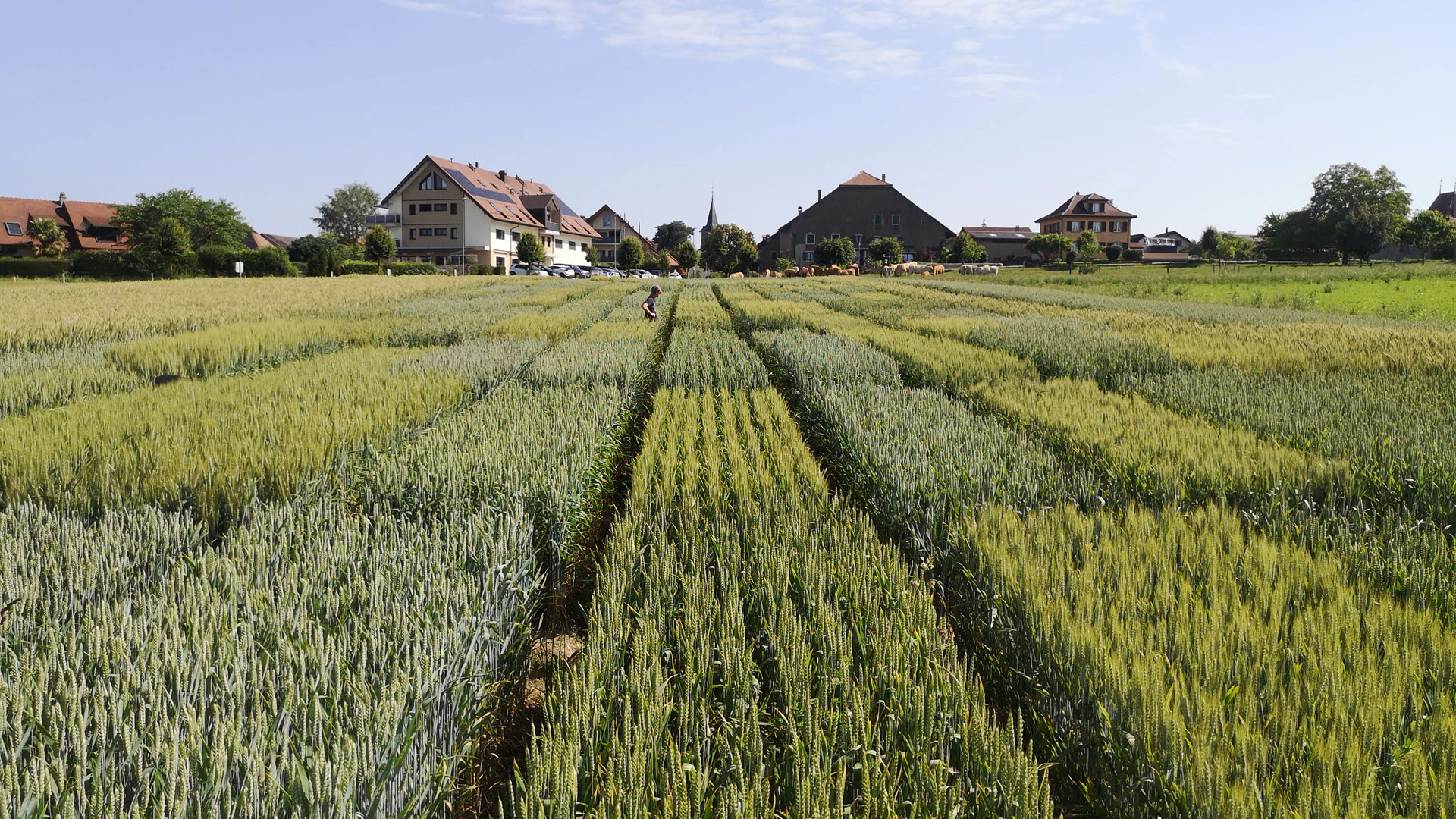
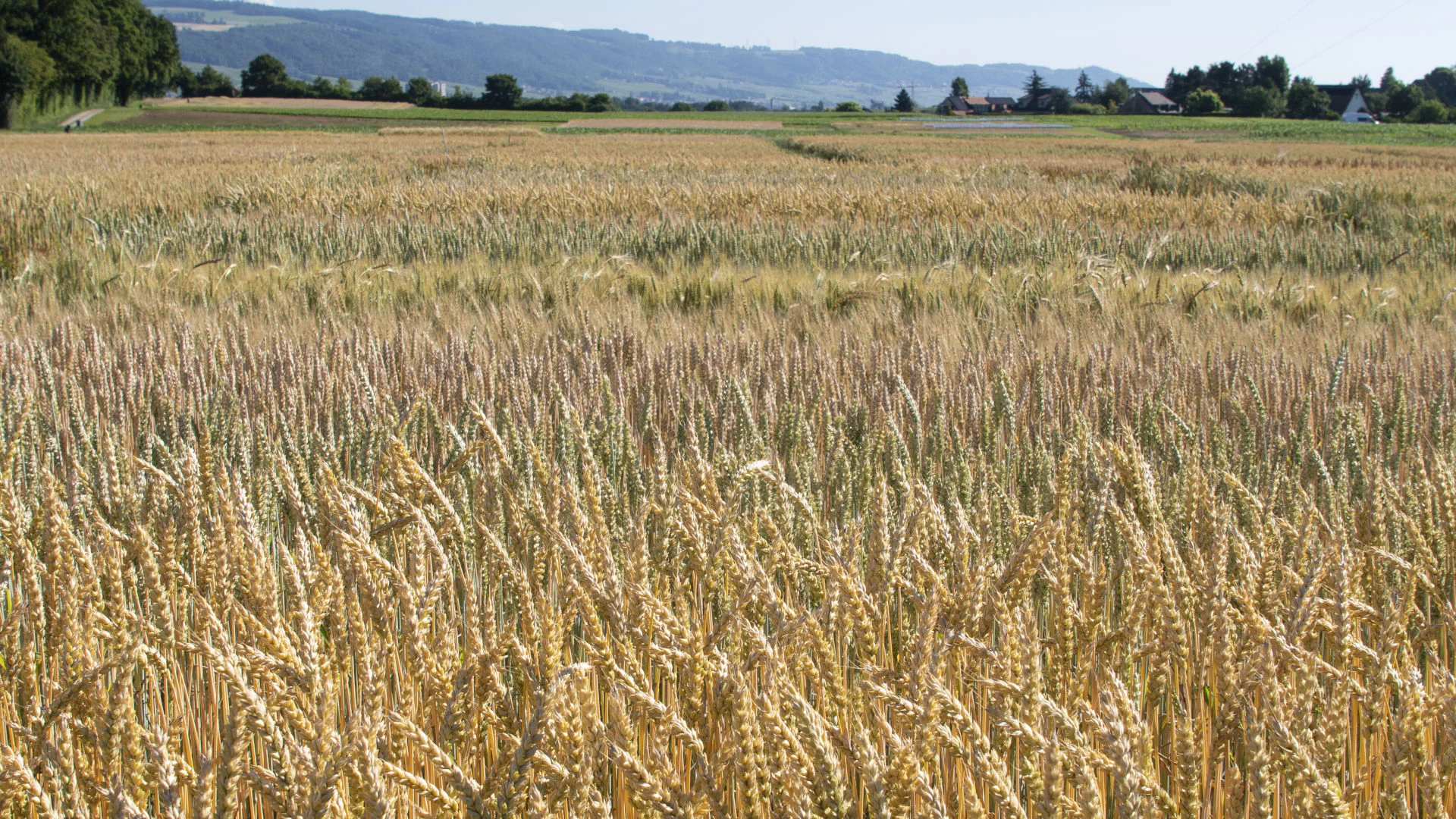
Cultivar Mixtures Stabilise Wheat Baking Quality
An Agroscope study shows that breeding cultivar mixtures is an effective strategy for mitigating the effects of changing abiotic conditions and maintaining stable wheat quality.
2026 List of Plant-Protection Products for Berry Production Published
The List of Plant-Protection Products for Berry Production is available online for free download. It contains the names of the plant-protection products permitted in PEP with their active ingredients, commercial names, target organisms and dosages.
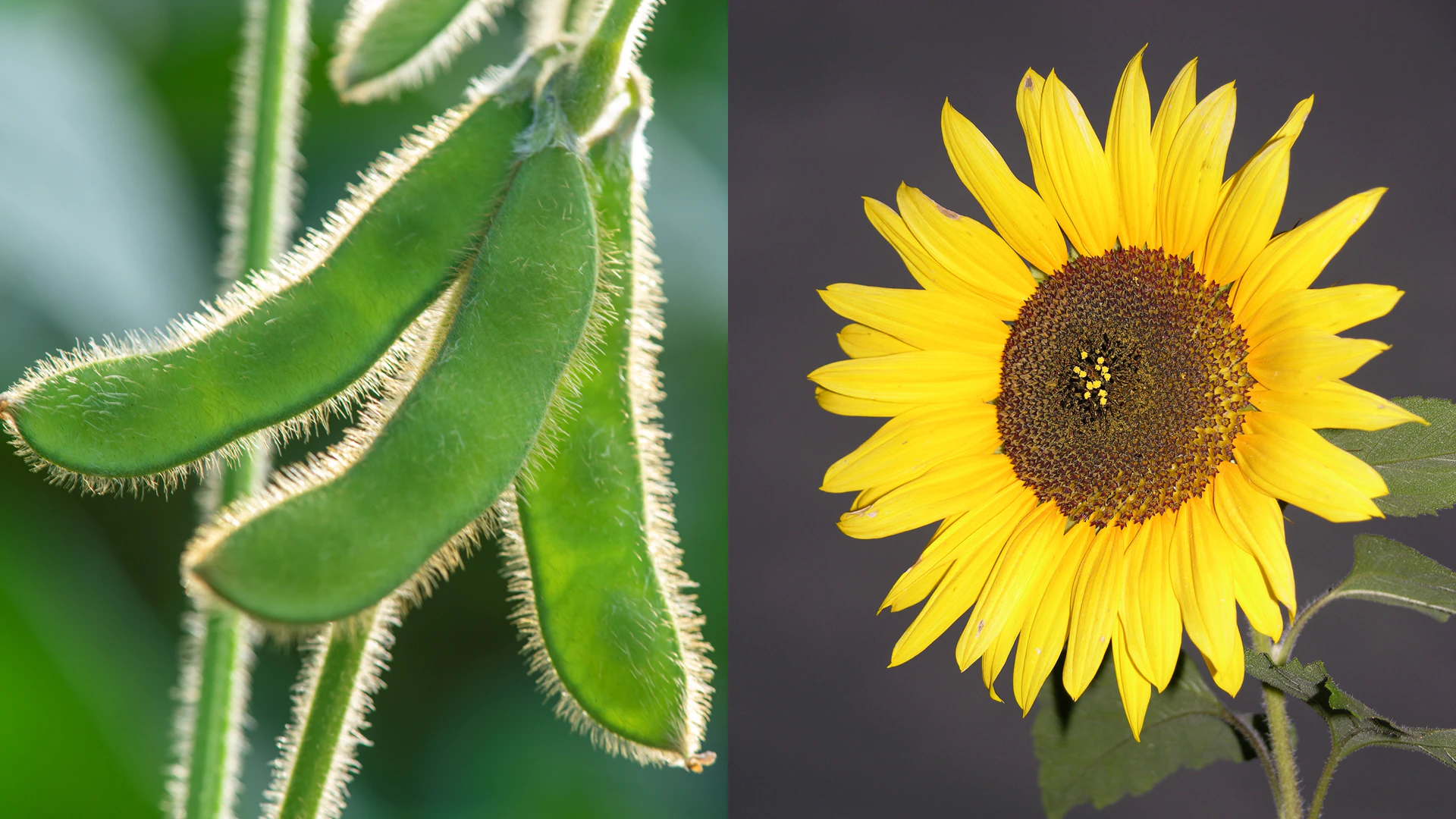
Lists of Recommended Soybean and Sunflower Varieties 2026 Now Online
Further information is available in the following languages: German, French, Italian
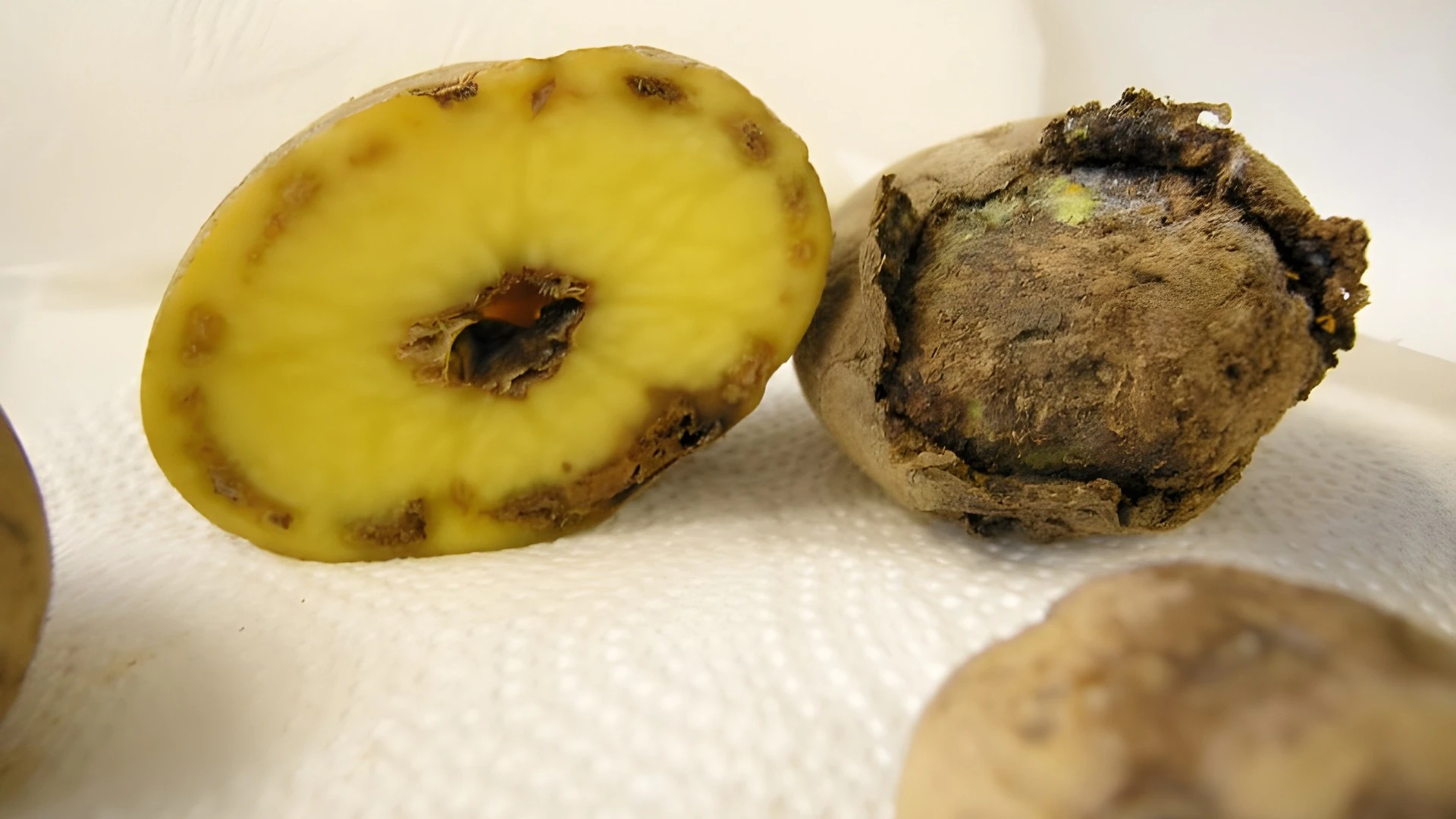
Control of Bacterial Wilt
Further information is available in the following languages: German, French, Italian.
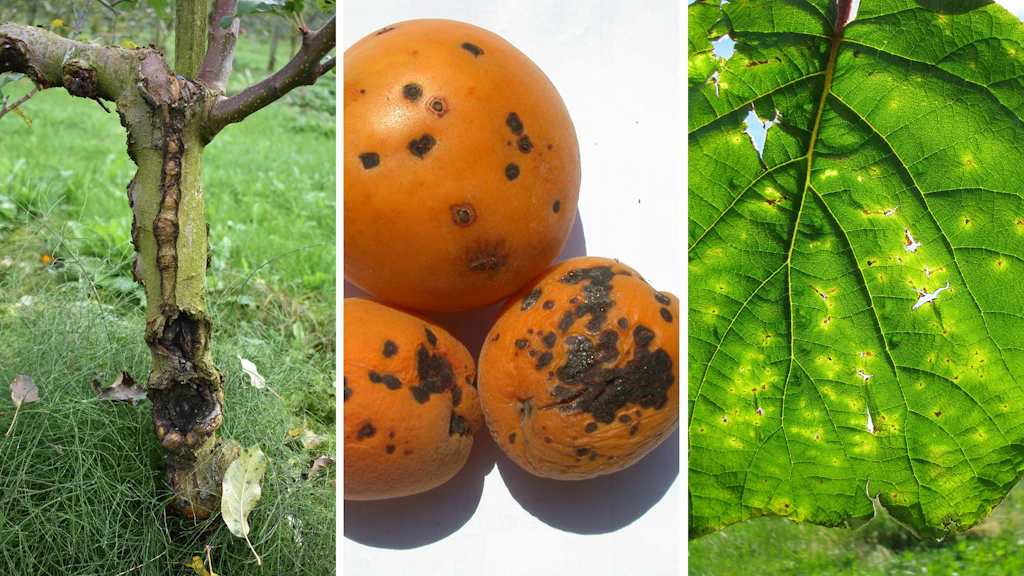
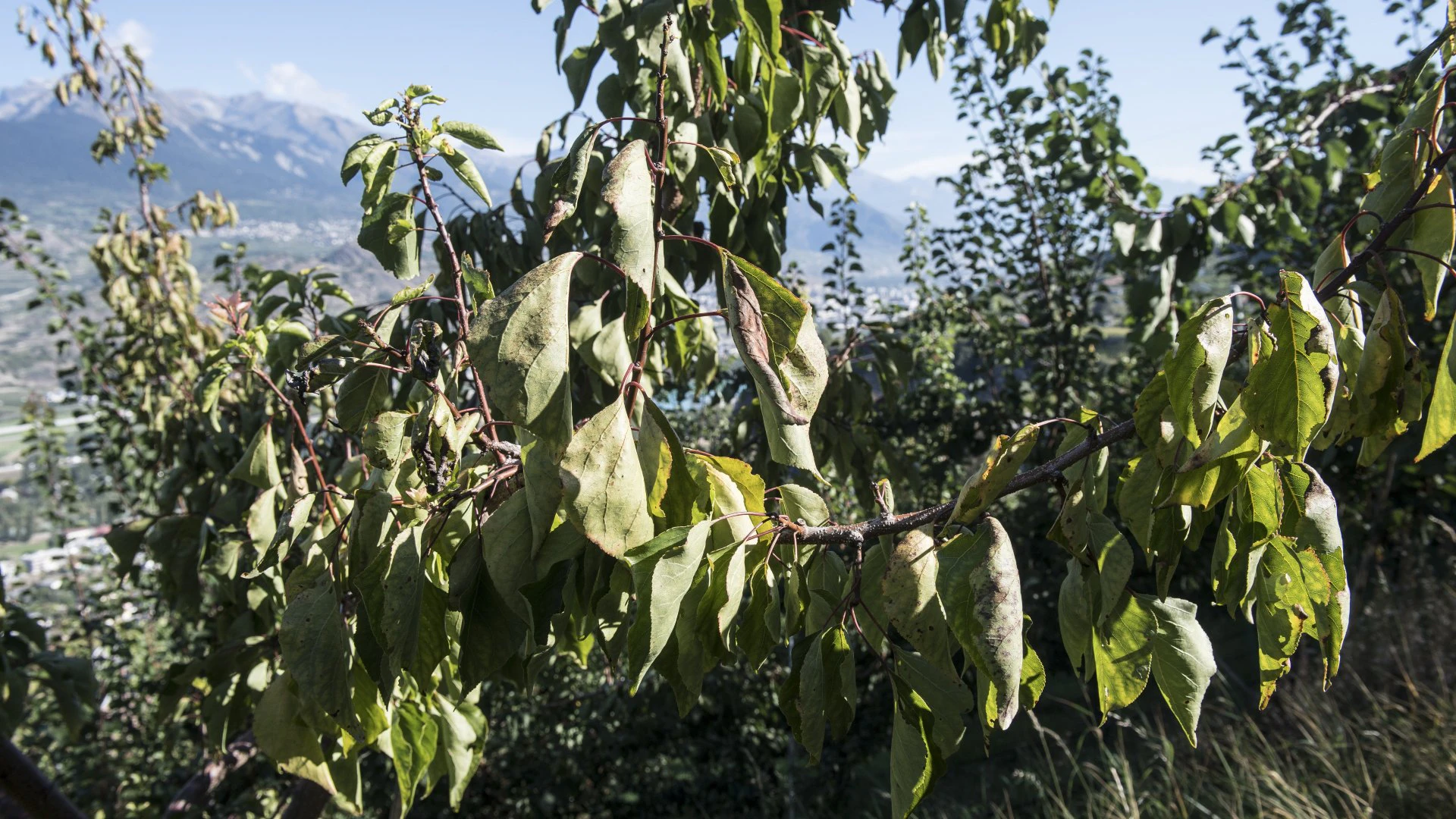
European Stone-Fruit Yellows in Valais Fruit Crops
A study conducted recently by Agroscope revealed that 75% of Valais apricot orchards are affected by European Stone Fruit yellows (ESFY), a serious disease transmitted by psyllids.
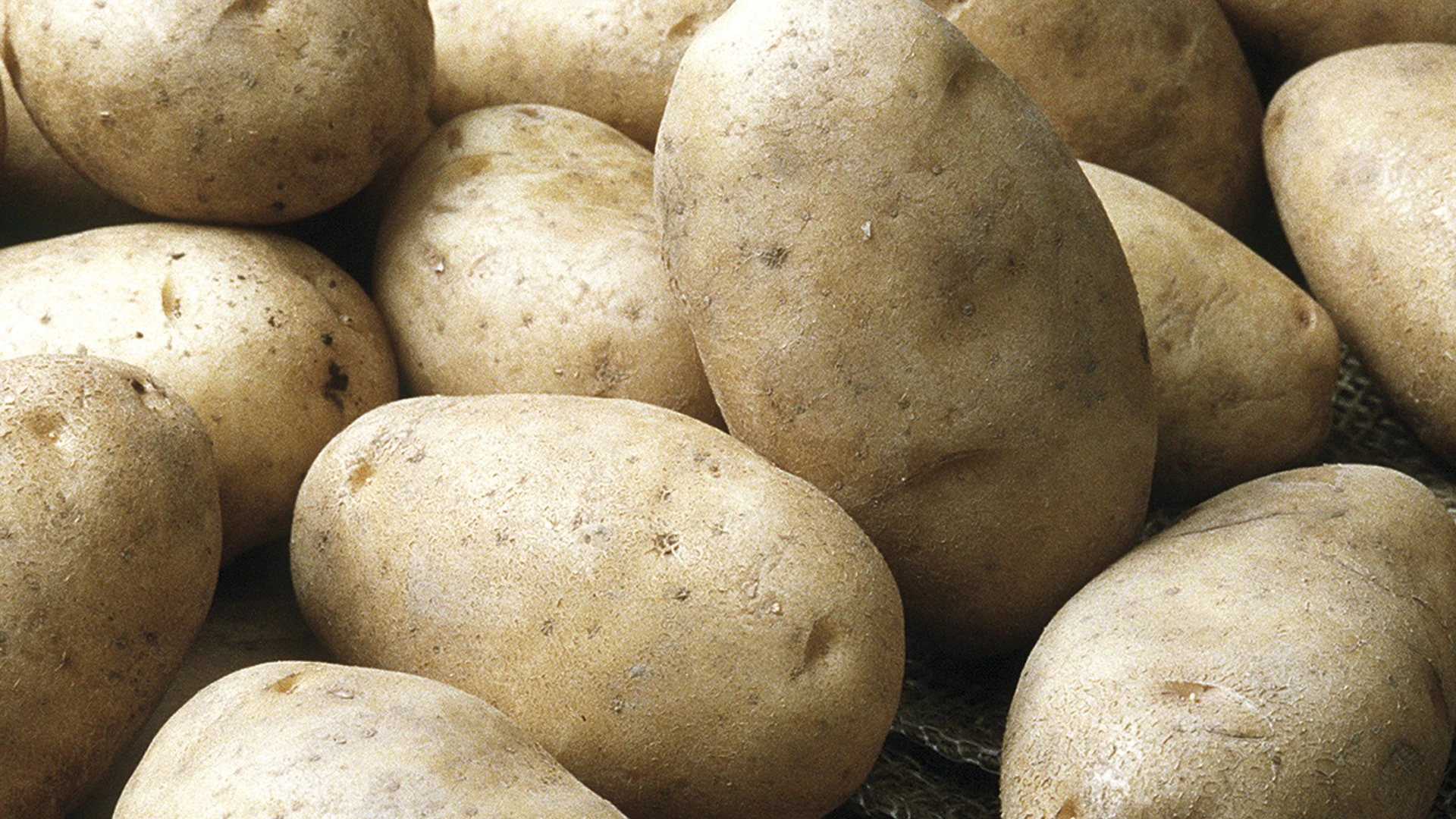
Swiss List of Recommended Potato Varieties 2026 Now Available
Further information is available in the following languages: German, French, Italian.
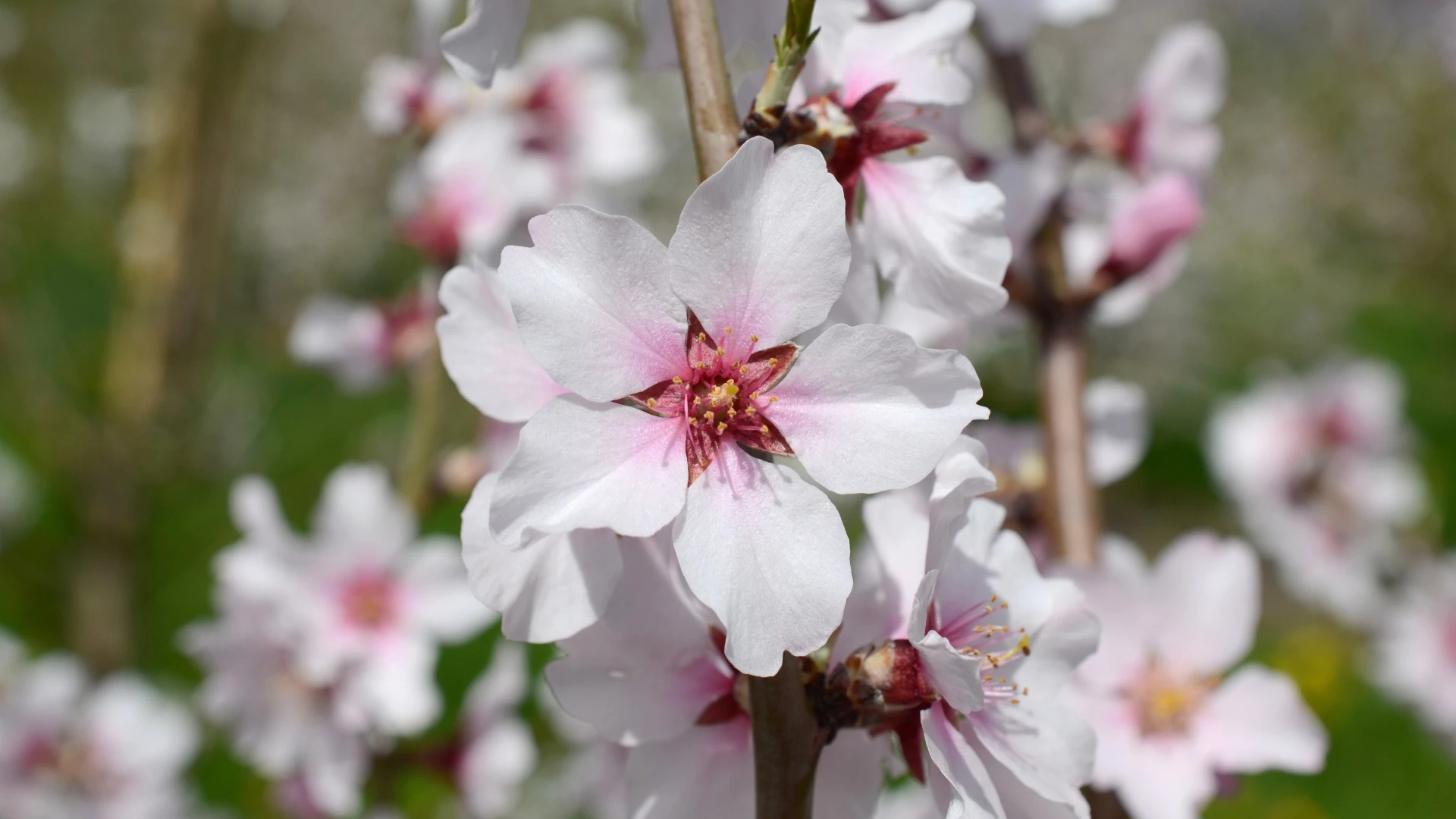
Almond Farming in Switzerland: Multifunctional Use as an Opportunity
Further information is available in the following languages: German, French, Italian.
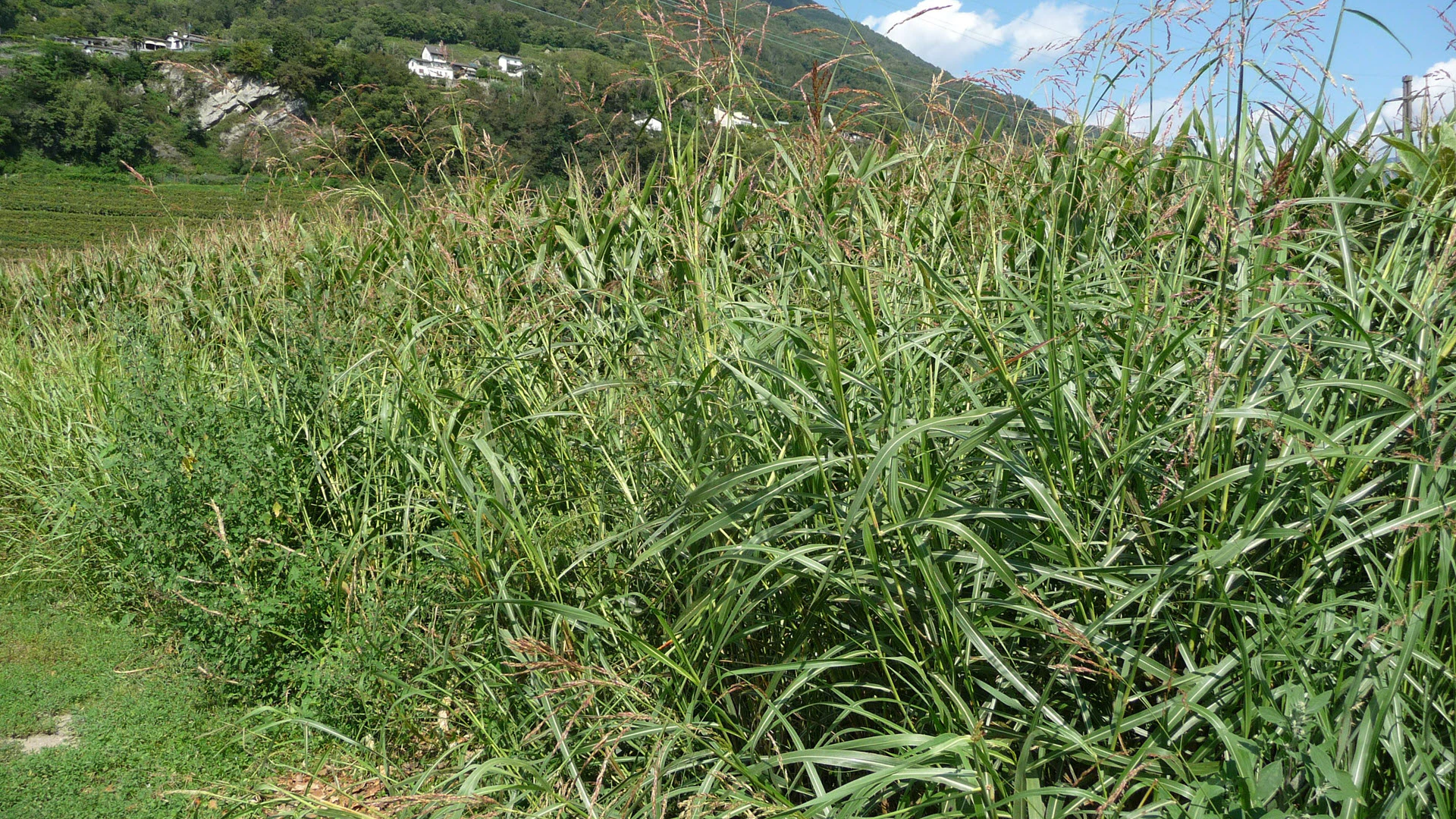
Aleppo Millet: Early Detection is Important
Further information is available in the following languages: German, French, Italian
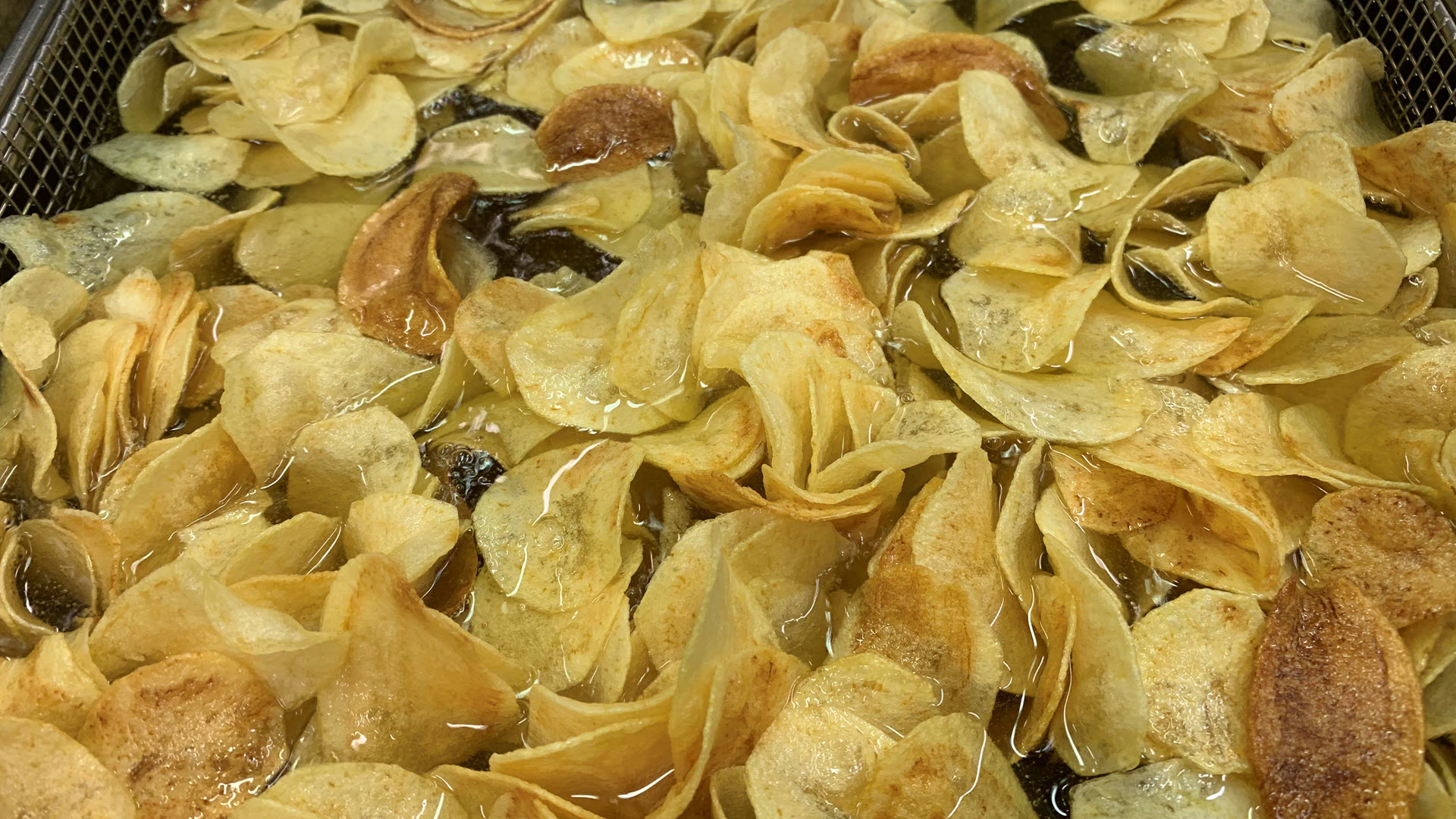
Practical Test of Potato Varieties for Crisps and Chips
On behalf of swisspatat, Agroscope tested the suitability of different potato varieties for processing into crisps and chips. Key factors here were sugar levels, deep-frying behaviour and storage conditions.
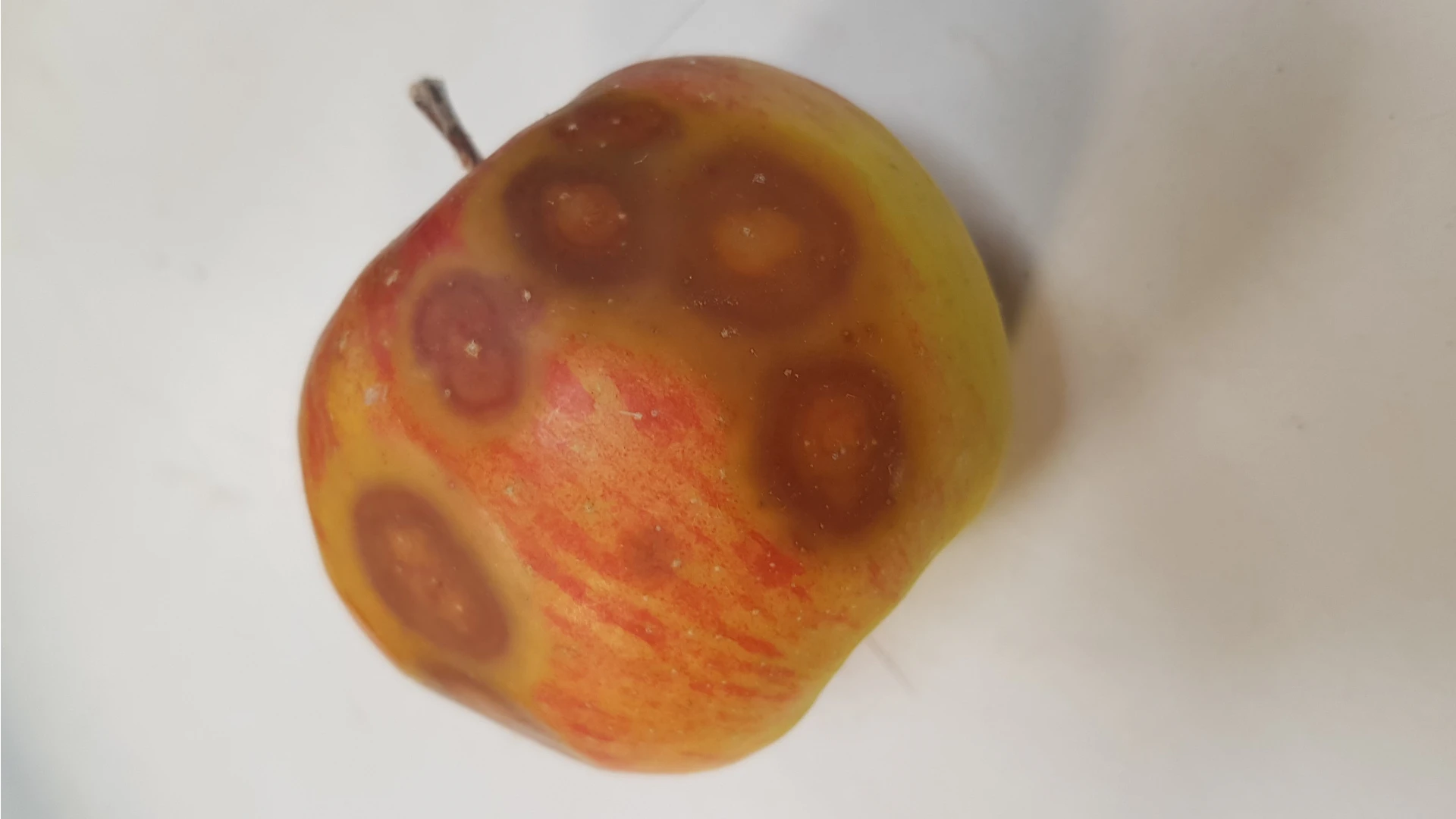
Storage Diseases in Pome Fruit: Innovative Methods Before and After Harvest
Further information is available in the following languages: German, French, Italian.
Variety Mixtures for Healthier, more Yield-Stable Wheat Crops
Agroscope is working as a part of an international project on compiling new basic knowledge and developing predictive models to create particularly high-yielding variety mixtures of wheat. Samuel Wüst informs in an interview about the new project.
Artificial Intelligence vs Corvid Intelligence
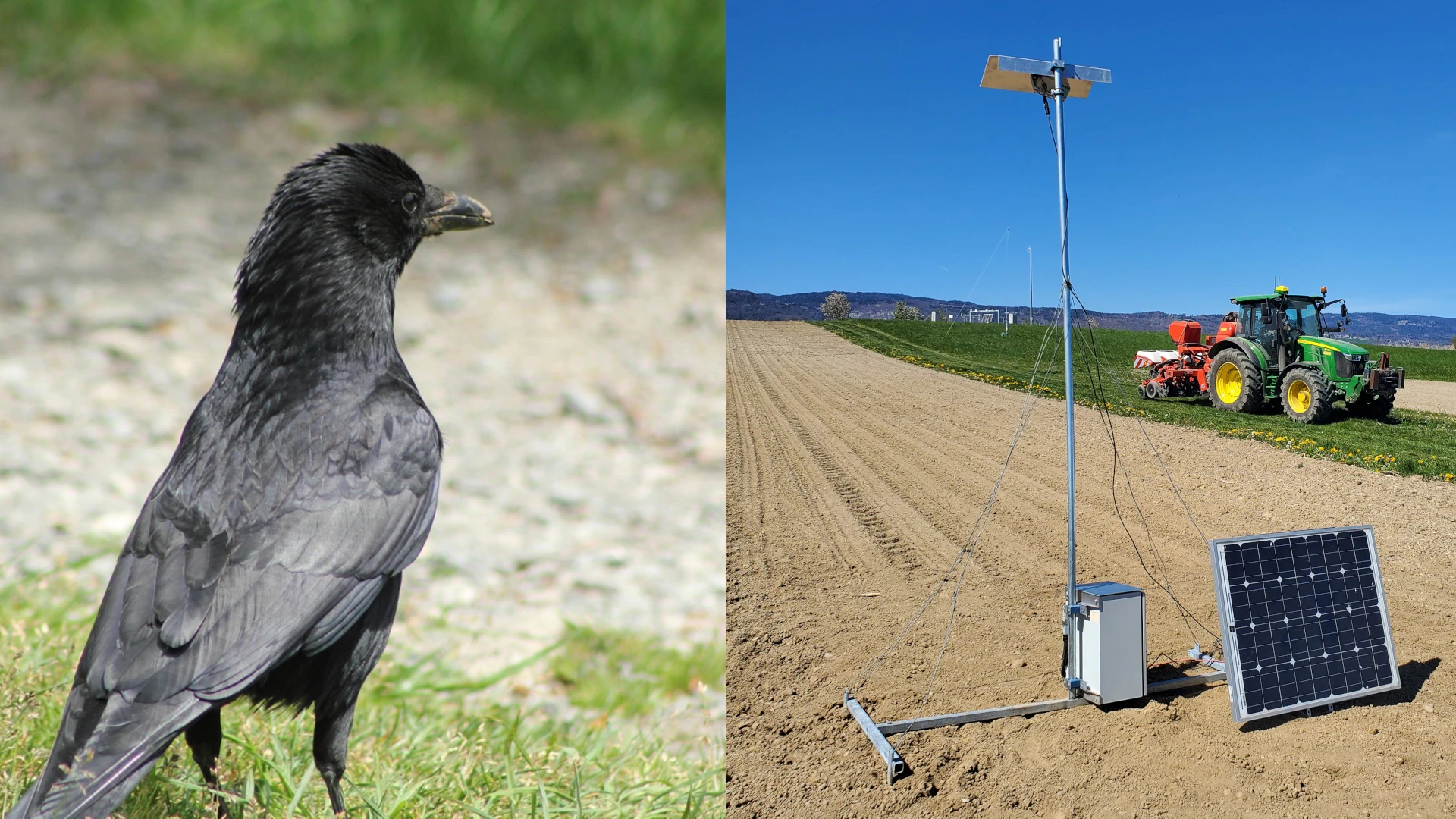
Will AI outsmart corvids to protect crops? Agroscope is currently testing a system for detecting and scaring away these birds. The aim is to make the system intelligent and adaptive via an interdisciplinary project to be supported by the FOAG from 2026.
Cotton Bollworm Moving Northwards
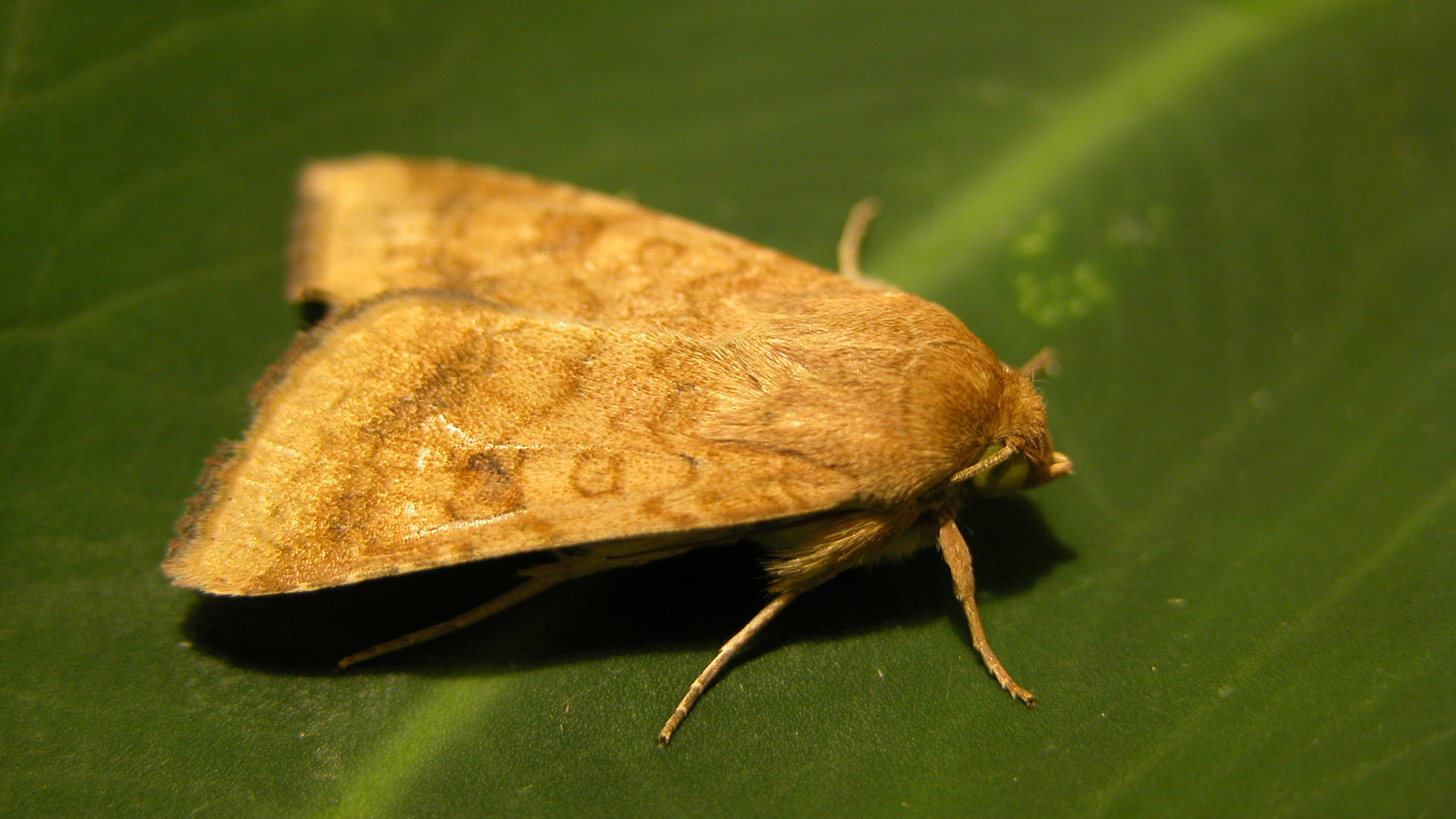
The cotton bollworm is a major pest in vegetable crops. This tropical migrant butterfly has made it as far as northern Europe due to climate change. Population numbers have currently reached their peak. Agroscope monitors the insects and identifies countermeasures.
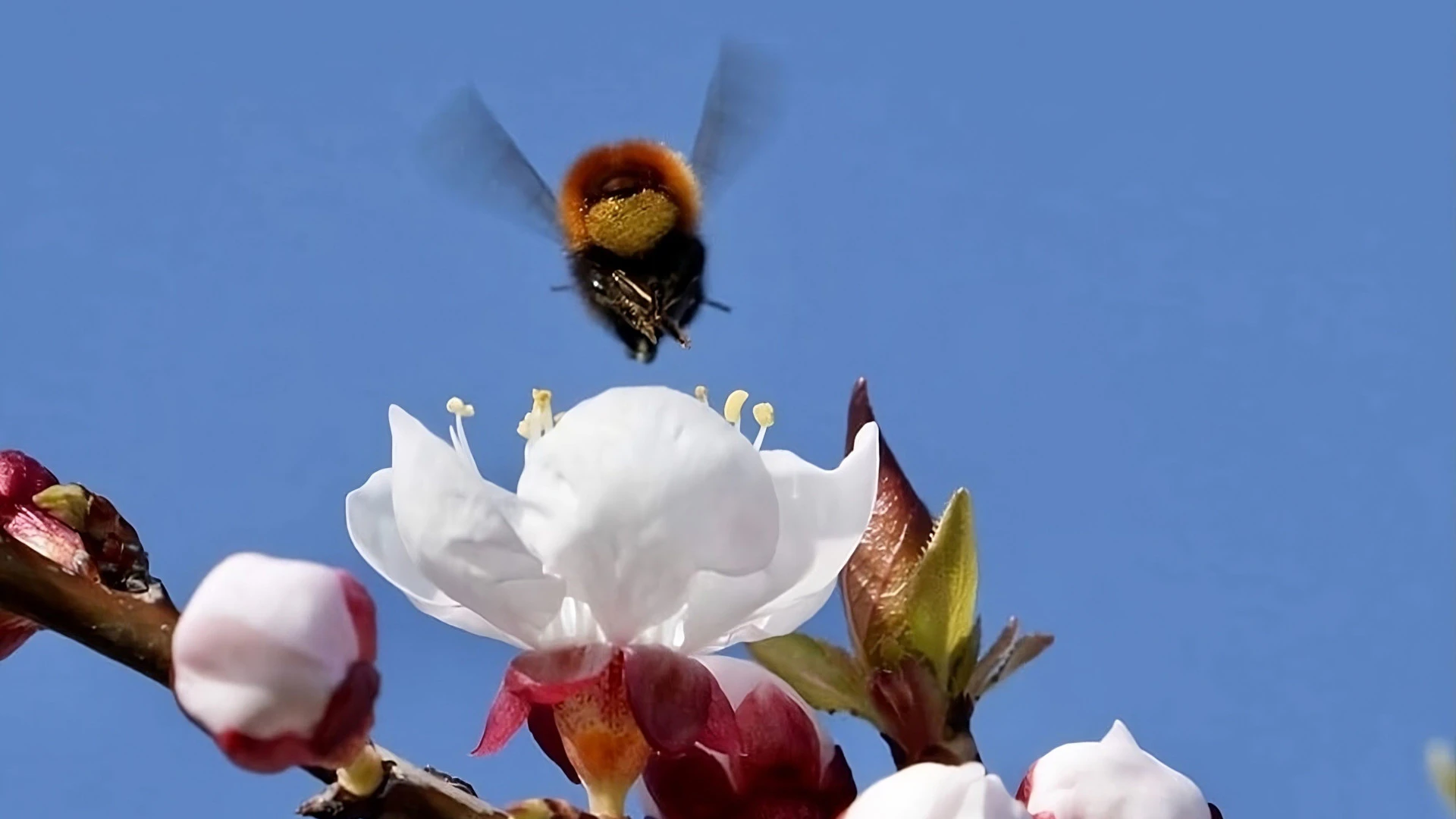
Mason Bees: Choosing the Right Species for Cherry- and Apple Tree Pollination
Many fruit and vegetable crops are dependent on managed pollinators such as honeybees or bumblebees for pollination. Diversification of these pollinators is essential, since they are not always the best choice for specific crop plants, especially during cold, wet weather.
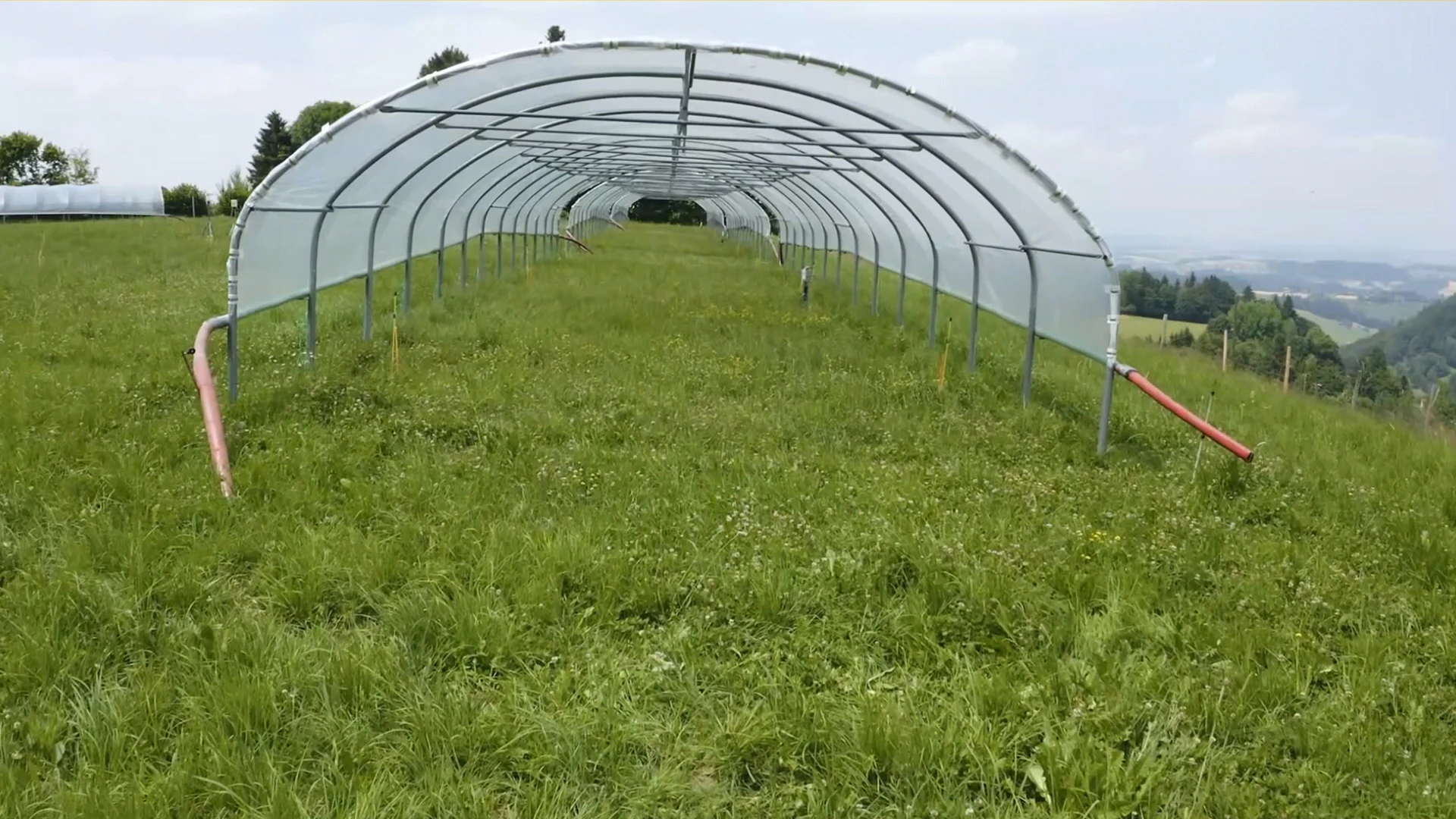
Simulated Drought at Altitude: Climate-Proof Forage Mixtures
On Bernese grasslands at over 1000 metres of altitude, unusual polytunnels simulate summer drought. Their aim is to compare the performances of drought-resistant forage mixtures in normal conditions and in a water deficit situation.
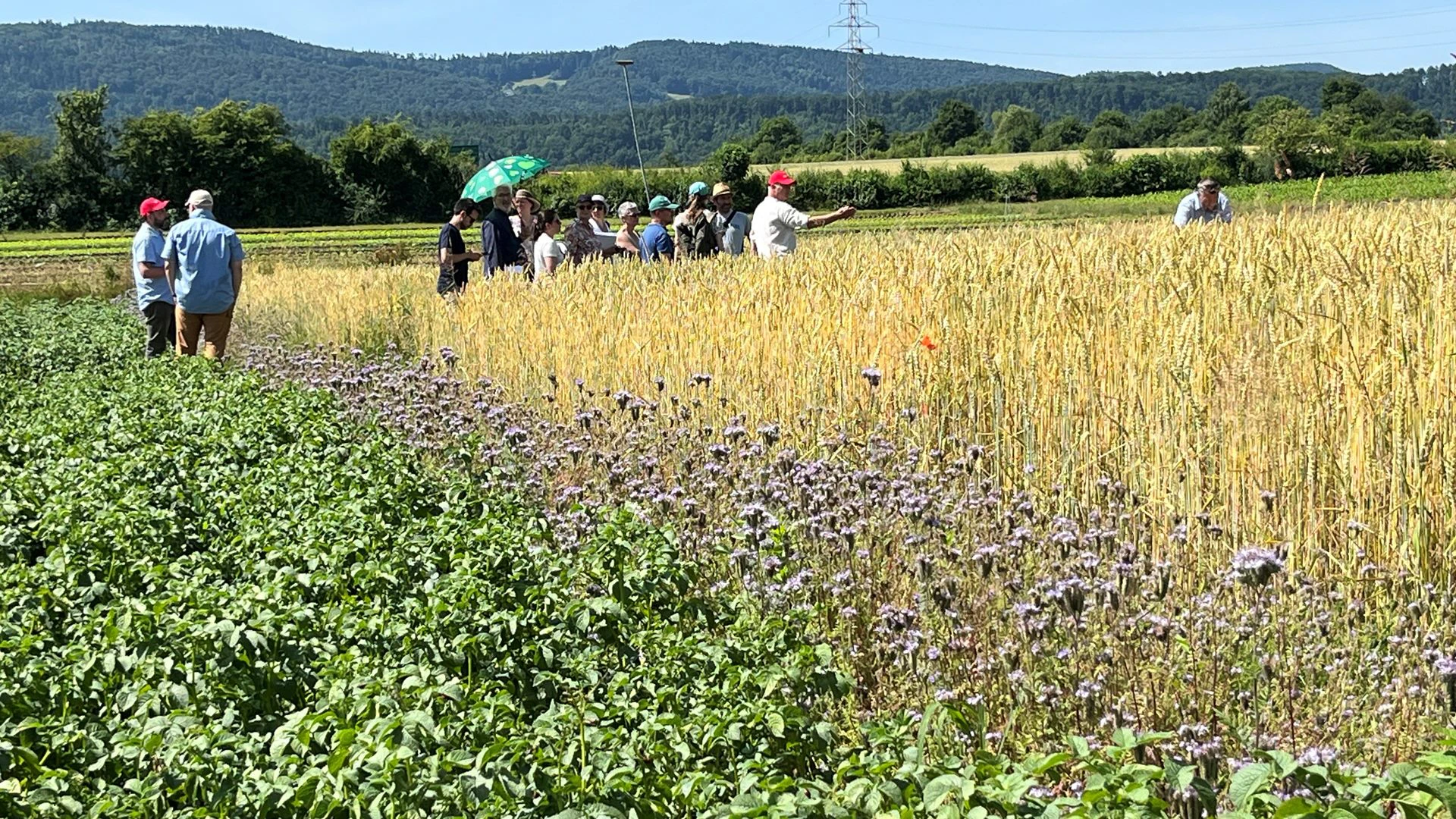
DOK Trial Has Been Comparing the Growth of Organic and Conventional Crops for Two Generations
Further information is available in the following languages: German, French.
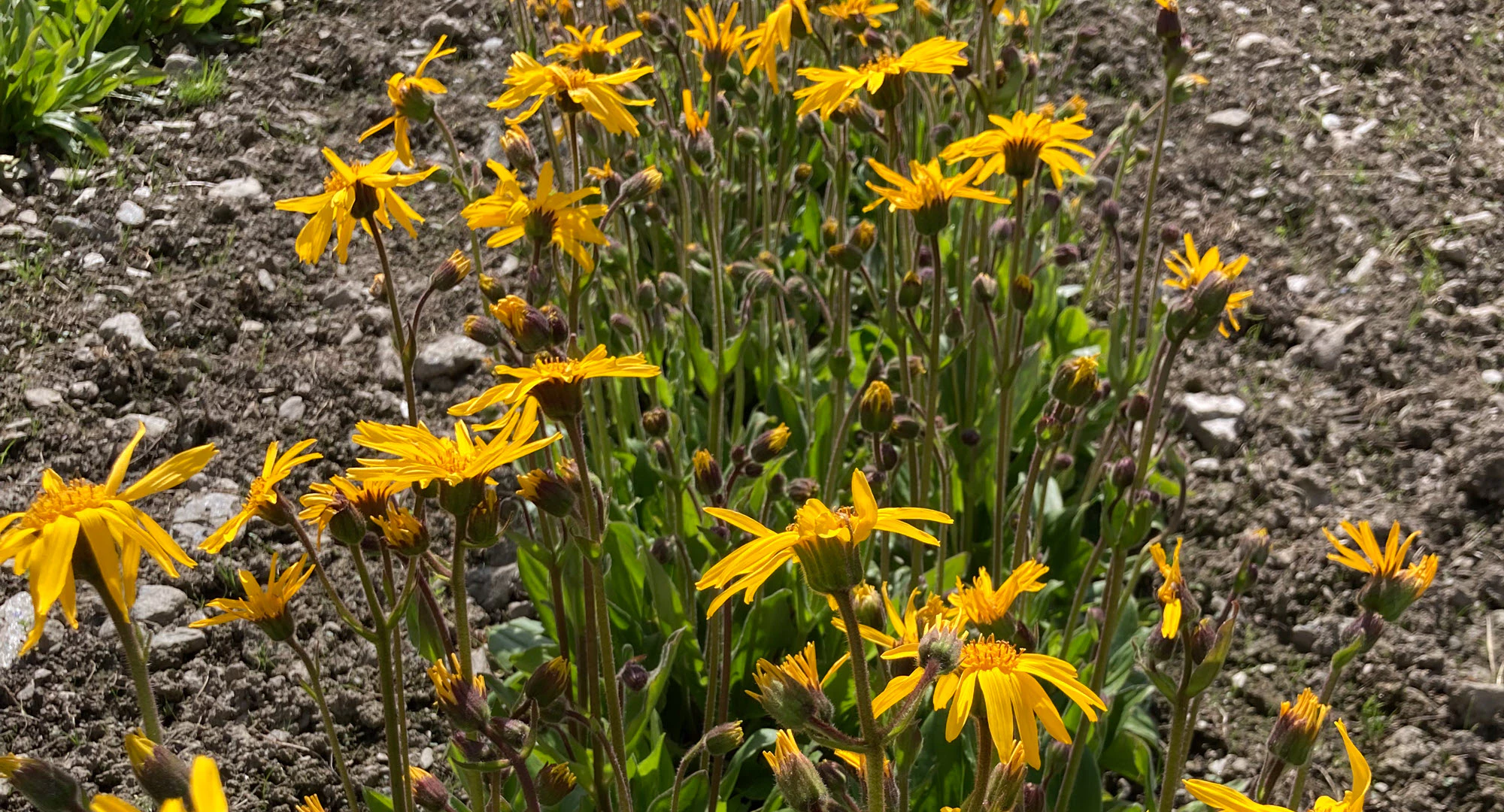
Agroscope is Working on Breeding a Variety of Arnica that is Suitable for Cropping
Further information is available in the following languages: German, French, Italian.
Japanese Beetle: Update on Biology, Legal Bases and Control
In a new practice-oriented publication, Agroscope summarises all available information on the biology of the Japanese beetle as well as the legal bases. In addition, experts assess the threat to various crops and take a deeper dive into control measures.
Targeted Use of Soil Maps for Soil Samples, Field Classification and Fertilisation
New factsheets show how practitioners, extension workers and the enforcement sector can benefit from precise soil information.
Needs-based Fertilising of Plants
Targeted nitrogen fertilisation optimises yields while protecting the environment. A new Agroscope factsheet introduces site-specific fertilisation and gives an overview of the advantages, drawbacks and requirements of the main systems.
Establishment of a Swiss Plant Phenotyping Network
Forschende von Agroscope und der ETH Zürich entwickeln das Swiss Plant Phenotyping Network (SPPN), um die Analyse und Züchtung von Pflanzen durch Phänotypisierung zu verbessern.
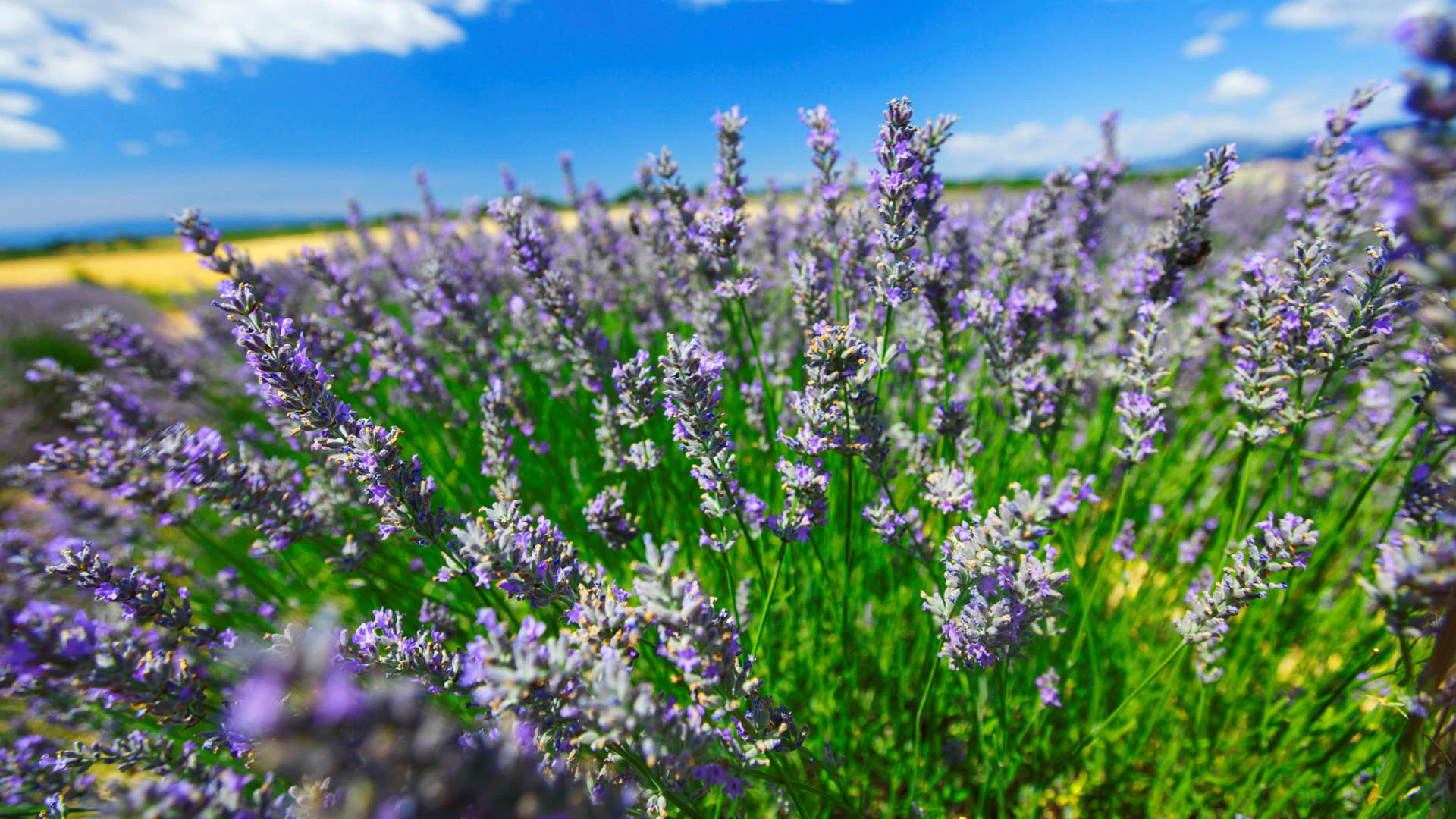
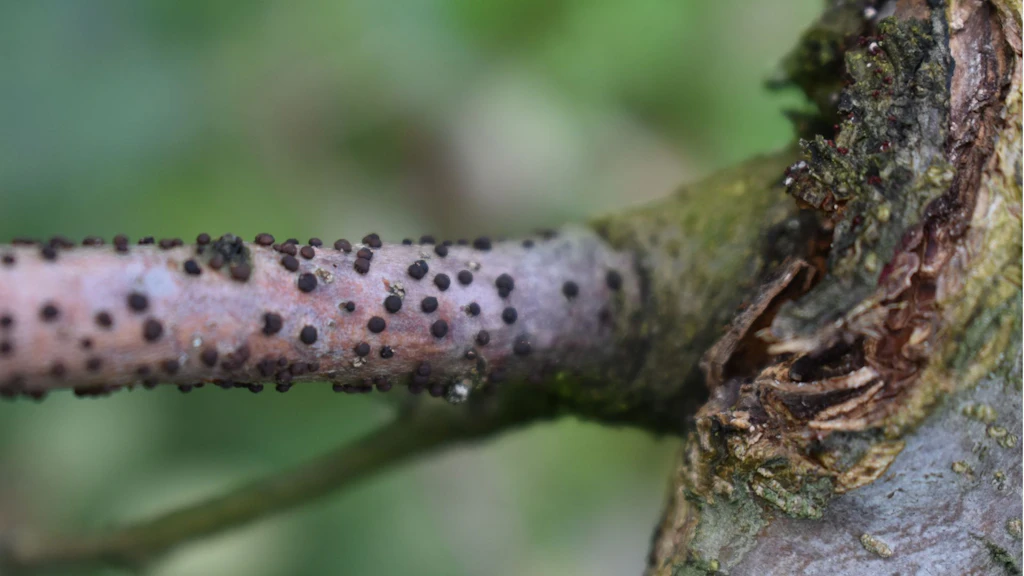
Septoria Leaf-Spot Disease in Lavender Detected for First Time in Switzerland
Following the first confirmed detection of Septoria leaf-spot disease in Switzerland, Agroscope has published an information sheet to explain the symptoms on lavandin (hybrid lavender) and true lavender and to highlight control options.
Viticulture Research in German-Speaking Switzerland: an Anniversary and New Projects
On the occasion of the 175th anniversary of grape breeder Hermann Müller-Thurgau's birth, Agroscope presents an anecdote and two current Agroscope projects.
Schweizer Orangenapfel: Swiss Fruit Variety of the Year 2025 bred by Agroscope
Juicy, refreshing flesh, a tasty flavour and good keeping qualities are the hallmarks of the Schweizer Orangenapfel. Seventy years after the introduction of this orange pippin-style apple, it has been named Swiss Fruit Variety of the Year 2025.
Initial Experiences of Wet-Rice Pioneers
Waterlogged land is a problem for agriculture in Switzerland. One solution could be wet-rice farming. In a video, agricultural practitioners with experience in wet-rice farming speak about this subject.
Strategies and Herbicides to Control Weeds in Vegetable Growing?
Further information is available in the following languages: German, French.
Feeding Pigs According to Their Nutrient Requirements Reduces Nutrient Losses
The protein and phosphorus requirements of pigs change according to life phase. Optimised phase feeding can improve nutrient efficiency and reduce the import of feedstuffs. New Agroscope factsheets highlight how this can be achieved and examine trade-offs.
Site-Specific Fertilisation Ensures Yields and Reduces Nitrogen Surpluses.
Further information is available in the following languages:German, French, Italian.
Nitrogen Fertilisation: Calculation Methods And Recommendations Vary in Europe
Differences of up to 100 kg nitrogen per hectare, depending on the country: fertilisation recommendations are not the same throughout Europe.
Updated Recommendations for Berry Fertilisation
The principles of fertilisation (GRUD) are of great importance for agricultural practice and extension. Agroscope has now updated the module ‘Fertilisation of Berry Crops’.
New Alliance for Viticulture, Fruit and Vegetable Growing
Agroscope as well as research and sectoral partners from Italy, Germany, Austria and Switzerland are signing a joint Memorandum of Understanding, thereby strengthening their cooperation for research and education in viticulture, fruit and vegetable growing.
Science of Fungi in Grapevine: New Open Sccess Book
The reference book on fungal diseases of the grapevine has been comprehensively updated. It is currently available in English free of charge through open access.
Asiatic Knotweeds: Also a Threat to Agriculture
Asiatic knotweeds are exotic invasive plants and represent a threat to agricultural production and biodiversity. The ‘Neobiota’ Competence Centre in Cadenazzo (Canton of Ticino) has developed new knowledge to optimise control of these problematic rhizomatous species.
Adapting Fruit and Berry Cultures to Climate Change
Die Anpassung der Obst- und Beerenkulturen an den Klimawandel stand am 12. November im Mittelpunkt der Diskussionen in Bern. Die Veranstaltung (FuturLab) wurde vom Kompetenznetzwerk Obst und Beeren (KOB) organisiert.
Principles of Fertilisation in Transition
The Swiss fertilisation recommendations have developed impressively: from a simple application table in 1938 to comprehensive recommendations for all crops in 2017. Digitalisation is opening up new challenges and opportunities.
Support Association for Swiss Plant Breeding Center Founded
The ‘Swiss Plant Breeding Center’ SPBC – the network for Swiss stakeholders in the plant breeding and breeding research sectors – now has recourse to a support association. Together with the SPBC, the association aims to promote knowledge sharing and the use of new methods in applied plant breeding.
Successful Monitoring of a Vegetable Pest
The cotton bollworm is an invasive pest in vegetable crops. In 2024, Agroscope and partners have launched a national monitoring programme to detect the occurrence of the pest at an early stage, optimise the use of insecticides and avoid higher yield losses.
Preventing Broad-Leaved Dock Infestation
Broad-leaved dock crowds out forage plants, reduces forage quality and quantity, and has a high potential for spreading via rhizomes and seeds. There are, however, several preventive measures that can be taken to rein in this weed.
Chips from Early Potatoes Are Also Tasty
Agroscope is testing new, very early varieties for processing them into chips. These varieties show surprisingly good results.
Agroscope utilises the interactions between plants and insects for plant protection
Did you know that pests choose their host plants according to certain criteria?With this knowledge, pests in crops can be better controlled.
Mit Far-UV-C- (222 nm) gegen Echten Mehltau bei Erdbeeren
Agroscope führt einen innovativen Versuch mit einem Gerät durch, das UV-C-Licht mit einer Wellenlänge von 222 Nanometern emittiert und Echten Mehltau und Spinnmilben in Erdbeerkulturen bekämpfen soll. Der Prototyp wird derzeit am Standort Conthey in einem Folientunnel getestet.
Indigenous Parasitoids for the Control of an Exotic Grapevine Leafminer
The alien leafminer moth Aspilanta oinophylla is causing growing damage in the vineyards of Ticino. Agroscope's ‘Neobiota’ Competence Centre endeavours to promote natural interactions between the pest and indigenous parasitoids.
Predatory Mite Against the Tomato Rust Mite
A recent study shows the potential of a new biocontrol strategy against the tomato rust mite.
Alpine and Mountain Agriculture: Adapting to a Rapidly Changing World
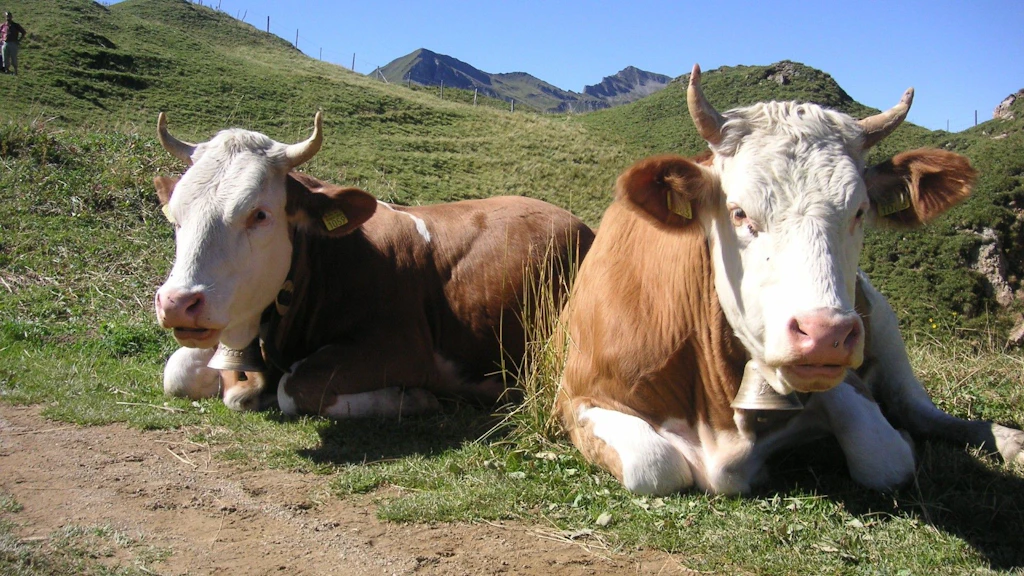
For three years now, the Alpine and Mountain Agriculture Experimental Station has been helping farms at higher altitudes deal with increasingly demanding production conditions. In a meeting of tradition and technology, ongoing trials and initial results were presented to the media on 2 July in the Canton of Graubünden. Below, some information on the projects.
Predictable yield increases thanks to mycorrhizal fungi inoculation in maize
Researchers were able to show that inoculating maize fields with mycorrhizal fungi can increase harvest yields. In addition, indicators were found for predicting the success of the measure. The findings were published in the scientific journal Nature Microbiology.
Recycling Wood Residues for Sustainable Agricultural Systems
This project aims to store soil organic matter, restore the fertility of agricultural soils and control weeds by recycling wood residues. The residues are incorporated or spread on the surface in a field trial. The effects of wood residues on soils, oilseed rape, wheat crops as well as on weeds are studied
SRF’s ‘Einstein’ Programme on Apple Breeding
On Thursday evening, 26 October 2023, Swiss broadcaster SRF’s ‘Einstein’ programme was all about how new apple varieties arise and what role new breeding methods could play here. The programme will highlight the close cooperation in this field between Agroscope and ETH Zurich.
First Experimental Release of Parasitic Asian Wasp to Control Spotted-Wing Drosophila
The invasive spotted-wing drosophila (SWD) is a devastating pest in berry, stone fruit and grape crops. A natural antagonist from the fruit fly’s area of origin in East Asia is now due to be released in Switzerland for the first time by Agroscope and CABI.
Japanese Beetle or Other Alien Species: Beware of Stowaways
As the holiday season kicks off, the Federal Office for Agriculture calls on holidaymakers to refrain from accidentally importing insect stowaways, since exotic pests such as the Japanese beetle – so called ‘non-indigenous species’ – can cause major damage.
Improved Crop Variety Mixtures Made Possible by Scientific Breakthrough
In an article recently published in Nature Communications, Agroscope and partners resolved a positive diversity effect in genotype mixtures to a single gene. This breakthrough will facilitate the design of improved crop variety mixtures.
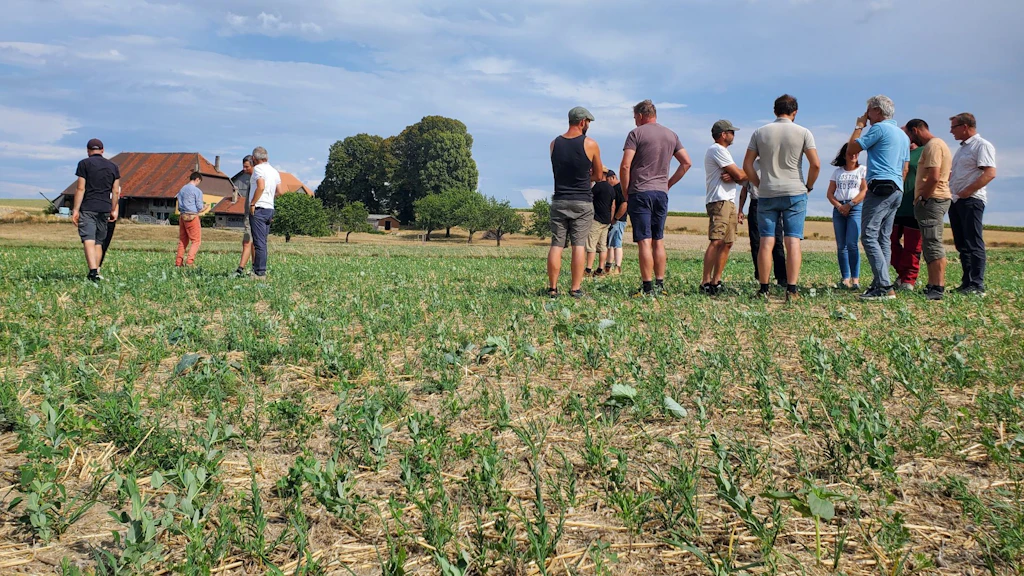
Using Modern Technology to Optimise Plant-Protection Application
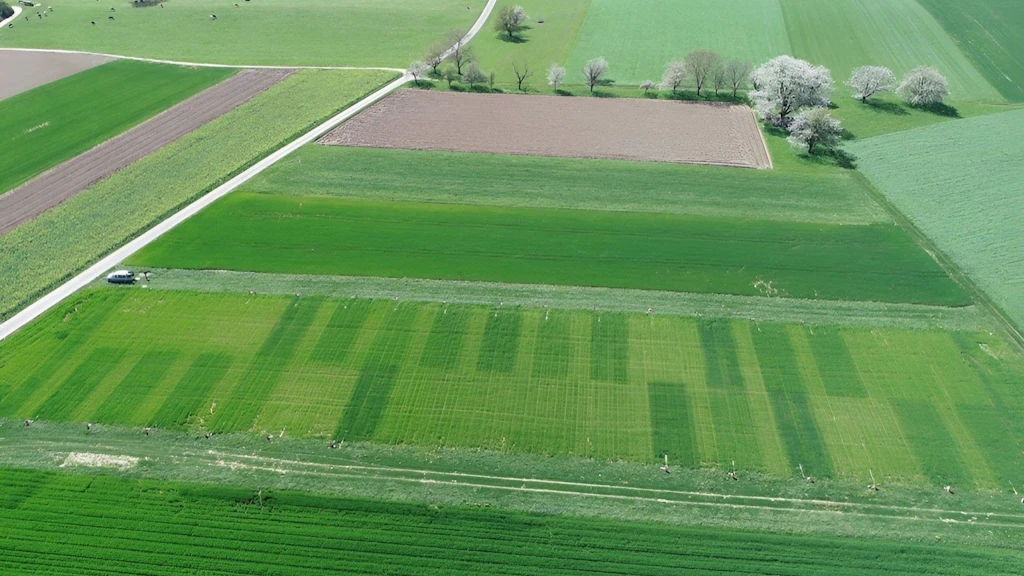
The aim of the PFLOPF project is to reduce plant-protection use by at least 25%. This is to be achieved with Precision Farming technologies, including online forecasting tools, GPS steering systems, and sensor-controlled plant-protection and hoeing machines.
Natural Cockchafer Control: New Machine for Steep Sites
On steep sites it is difficult to inject the soil with a useful fungus that kills off harmful cockchafer larvae. A motor mower equipped with spiked-tooth rollers and steered by remote control makes it possible to treat the meadows that are at risk.
Growing Sorghum in Switzerland – Interdisciplinary Research in the Year of Millets
The United Nations has declared 2023 the ‘International Year of Millets’. Millets have advantages over other cereal species and forage plants: they are undemanding, drought-resistant, rich in minerals and gluten-free. For several years now, Agroscope has been researching the millet species sorghum, among others.
Brandies from Old Apple Varieties
The potential of old apple varieties often remains untapped. Agroscope and Fructus are testing which old apple varieties might stage a comeback as the raw material for distilling brandy.
The Right Varieties for Successful Baking
Agroscope researchers are investigating which grain varieties are best suited to backing Swiss Christmas cookies (Guetzli) or bread. The Swiss wheat variety ‘Dilago’ was specially bred for baking Guetzli.
AgroPV and Greenhouse Crops: Pilot Project
To utilise useful light for the vegetables grown in the greenhouse whilst producing electricity: this is possible thanks to the startup Voltiris's agri-photovoltaic system. Agroscope is currently testing this solution for vegetable crops requiring especially high levels of light at its Conthey site.
Flavescence Dorée Vine Disease Genome Decoded for the First Time
Agroscope researchers have succeeded in cracking the genome of a quarantine grapevine disease, flavescence dorée, which had proven virtually impossible to combat to date. The decoding will enable us to identify the weak points of the pathogen so that it can be fought more effectively.
A Food Challenge, Seasoned with Agroscope Knowledge
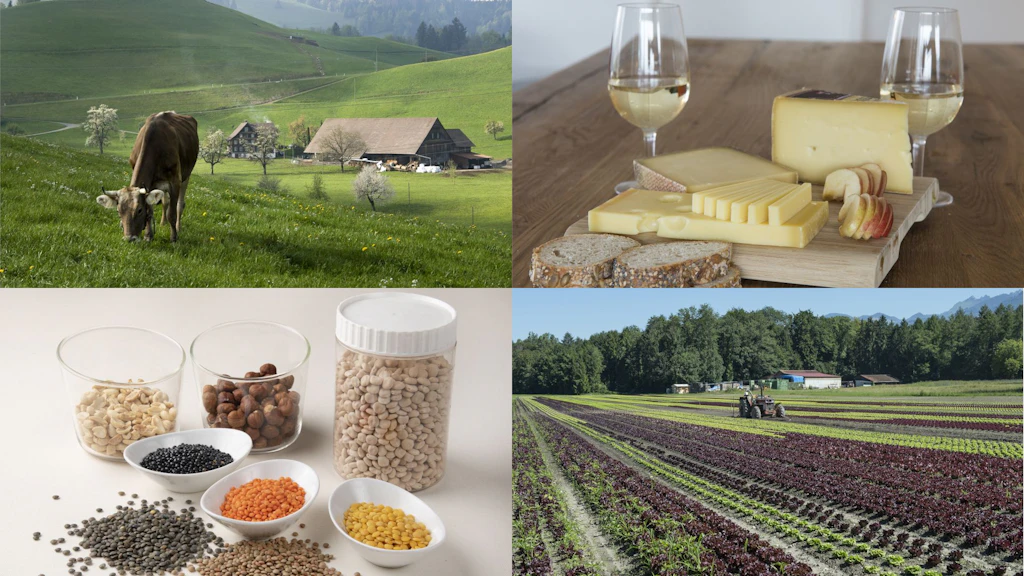
How can we feed ourselves in the most climate- and environmentally friendly way possible? The Swiss TV channel SRF’s ‘Einstein’ show explores this issue in two programmes, on 10 and 17 February 2022 – with the participation of experts from Agroscope.
Researching in the System and with Practice
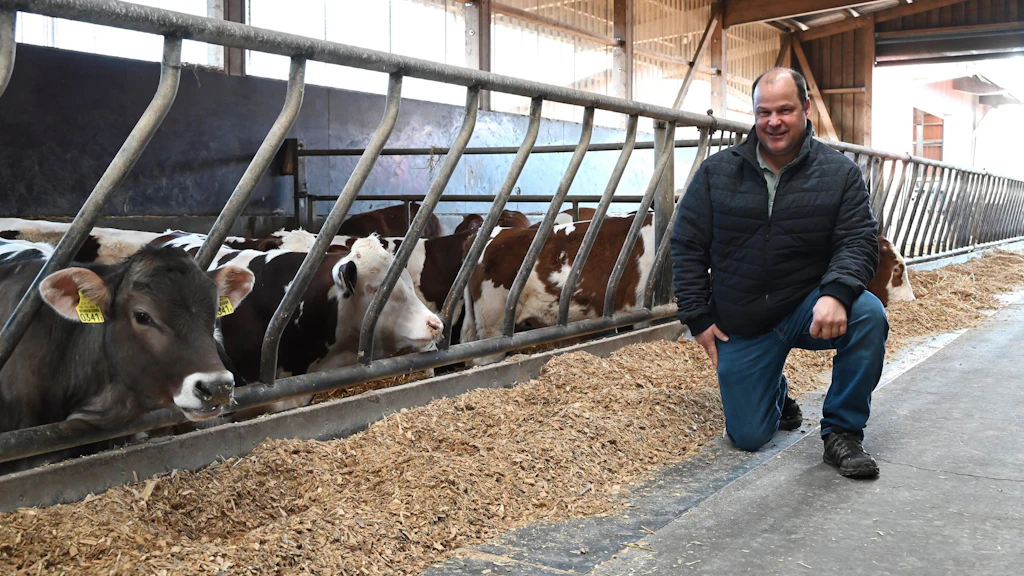
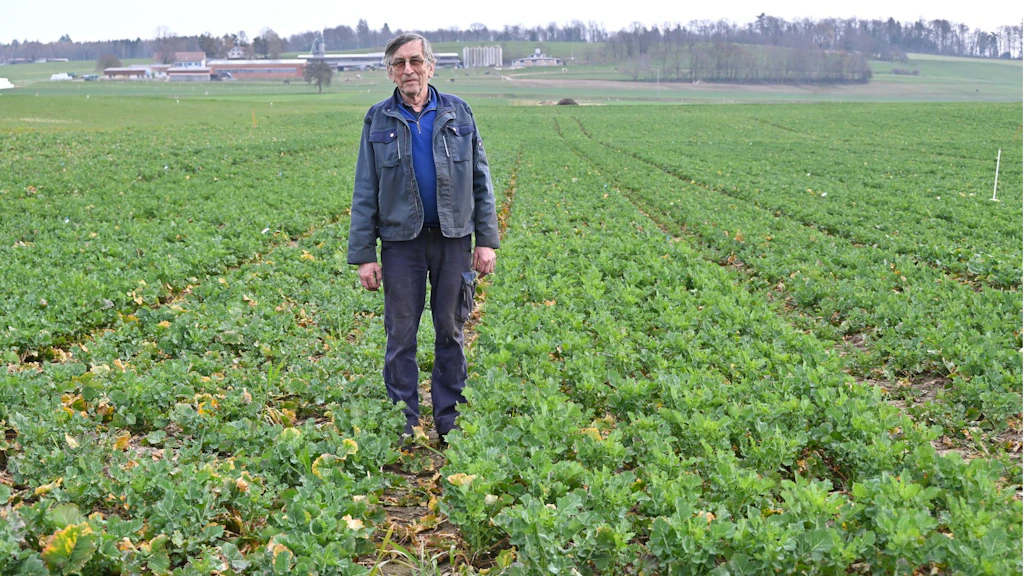
Agroscope’s new 2022–2025 Work Programme aims to strengthen system research and co-create more research with farmers. It is also increasingly guided by the principles of agroecology.







.JPG?rect=0%2C0%2C1920%2C1080&w=1024&auto=format)





.jpg?rect=0%2C0%2C1920%2C1080&w=1024&auto=format)




_1920x1080.jpg?w=1920&auto=format)