Newsroom 2025
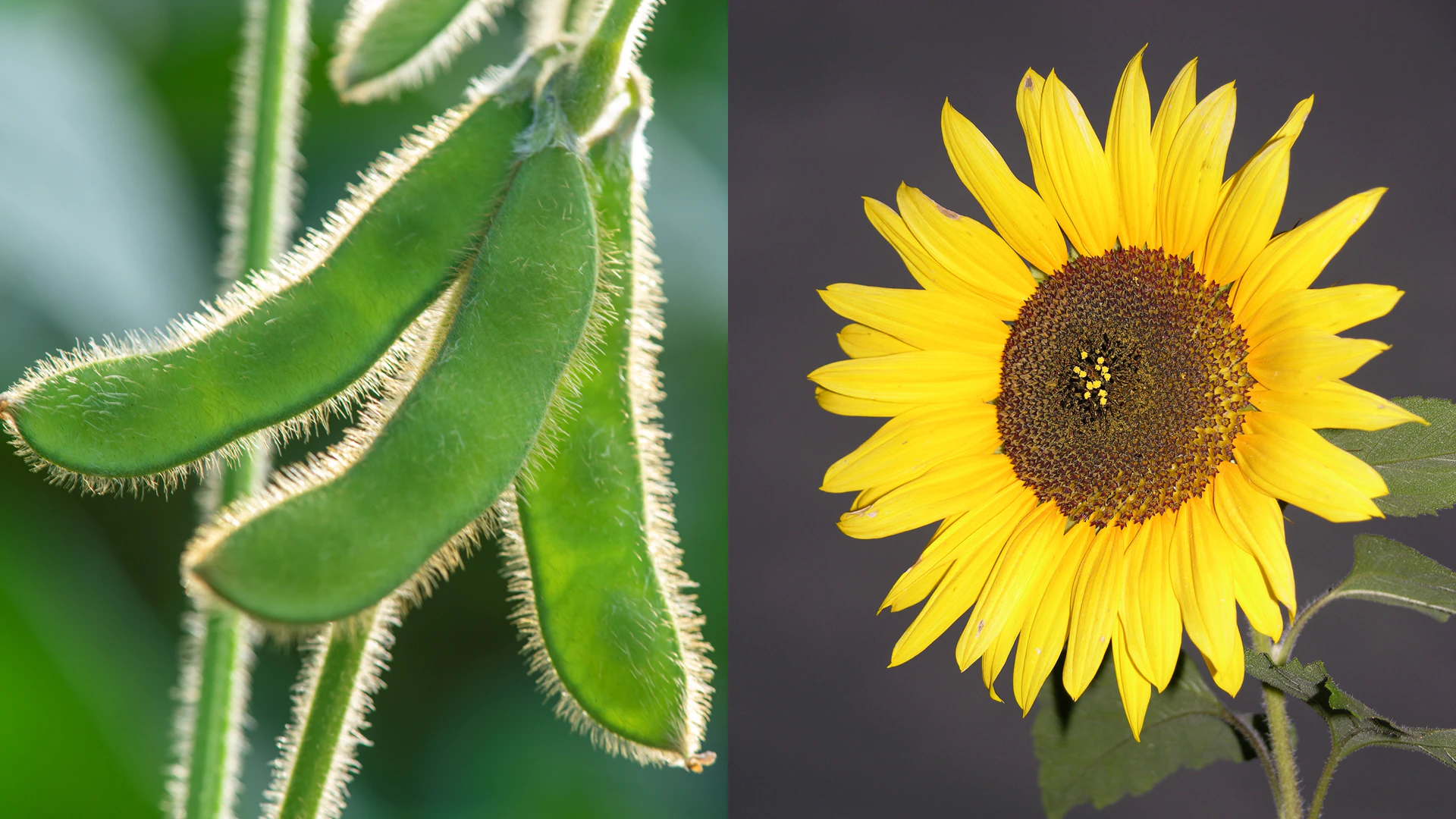
Lists of Recommended Soybean and Sunflower Varieties 2026 Now Online
Further information is available in the following languages: German, French, Italian
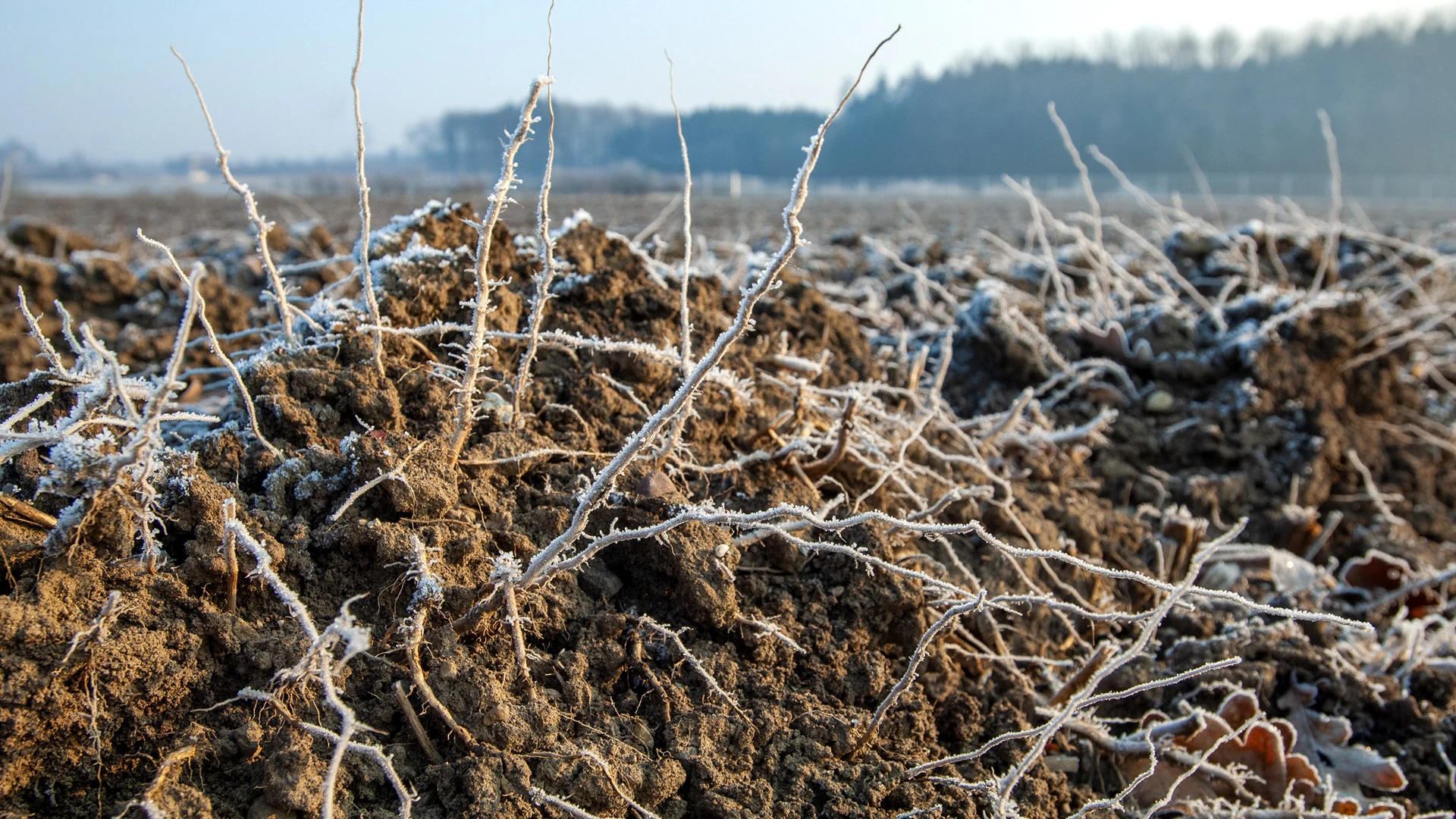
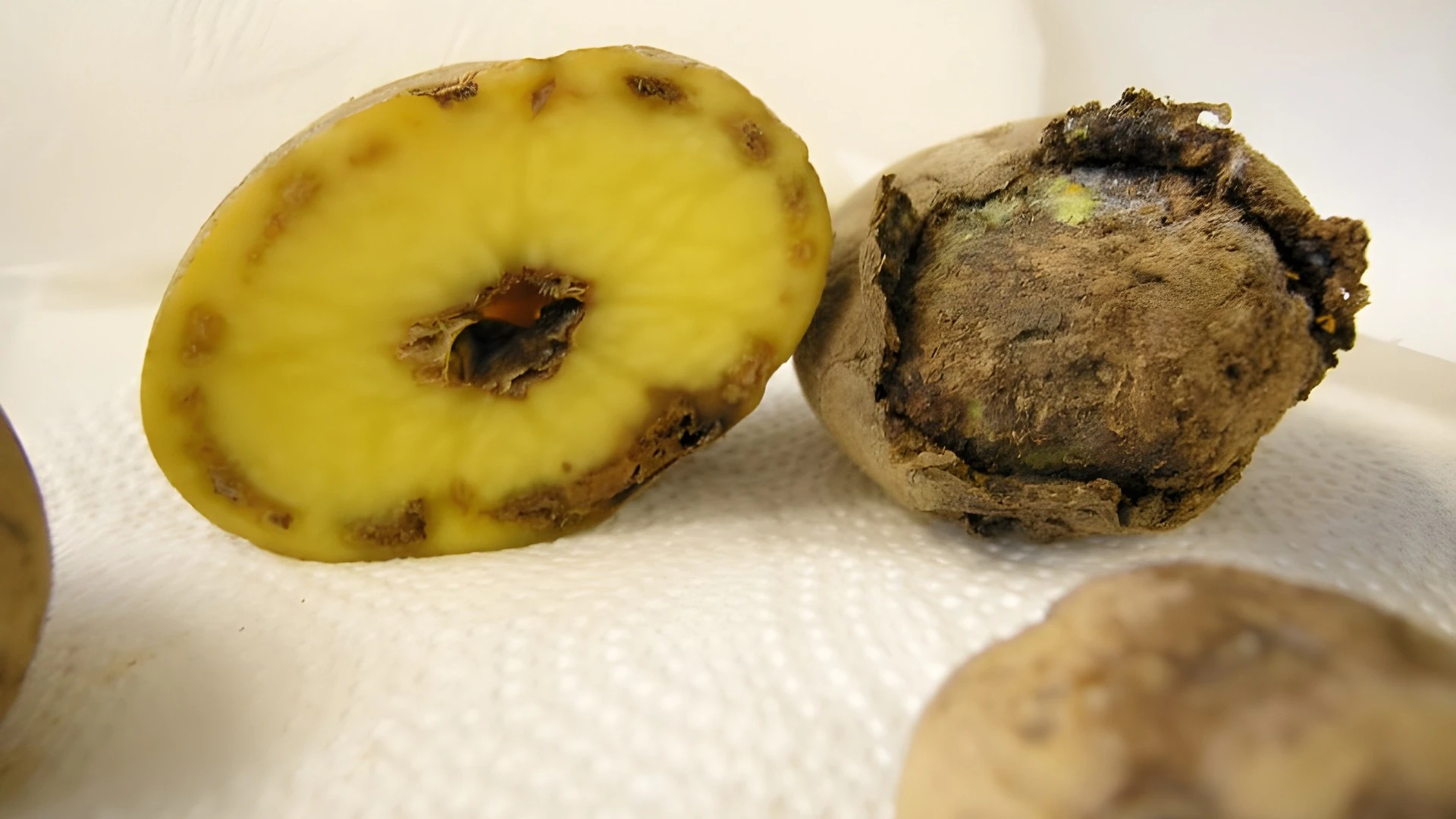
Control of Bacterial Wilt
Further information is available in the following languages: German, French, Italian.
Less Nitrogen Losses, Stable Yields: Success of the Smart-N Project
Further information is available in the following languages: German, French, Italian.
New Agroscope Guidelines for Distilleries
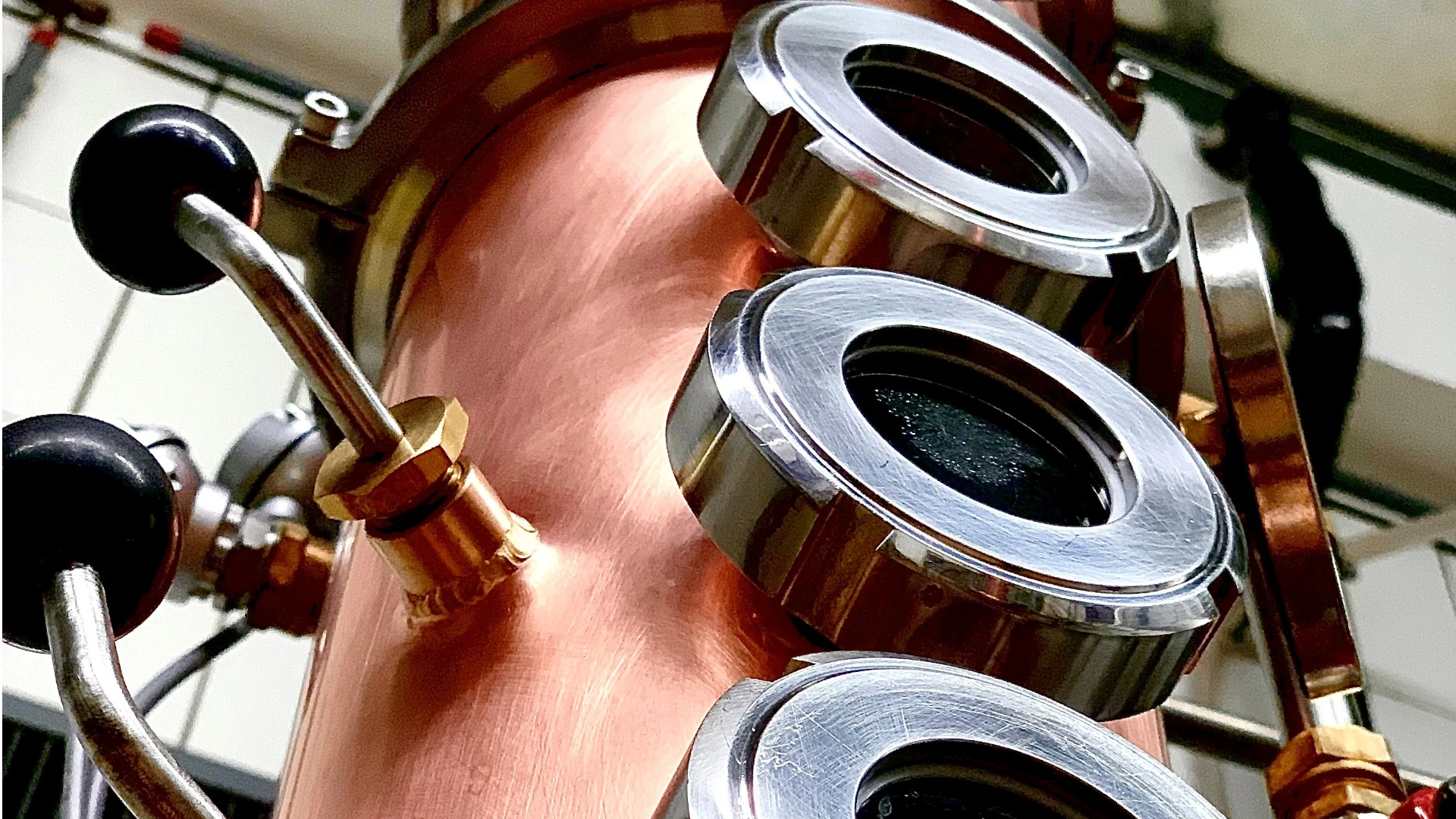
Agroscope provides distilleries with practical guidelines and worksheets on good practice, self-monitoring and occupational safety. The documents were developed together with industry representatives and offer concrete assistance for day-to-day operations.
European Stone-Fruit Yellows in Valais Fruit Crops
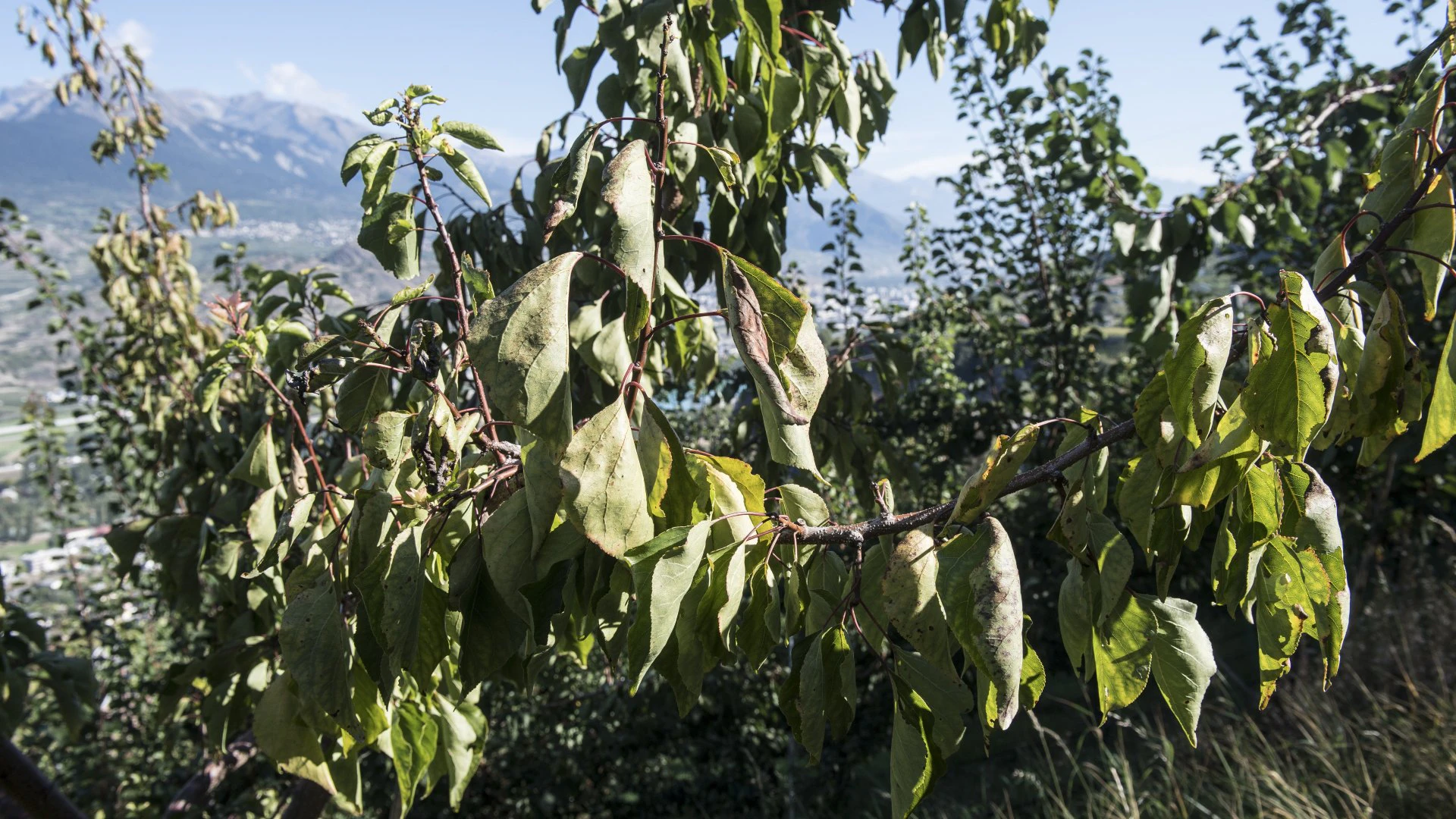
A study conducted recently by Agroscope revealed that 75% of Valais apricot orchards are affected by European Stone Fruit yellows (ESFY), a serious disease transmitted by psyllids.
Swiss List of Recommended Potato Varieties 2026 Now Available
Further information is available in the following languages: German, French, Italian.
Swiss Agricultural Income 2024: a Heterogeneous Year Depending on the Branch
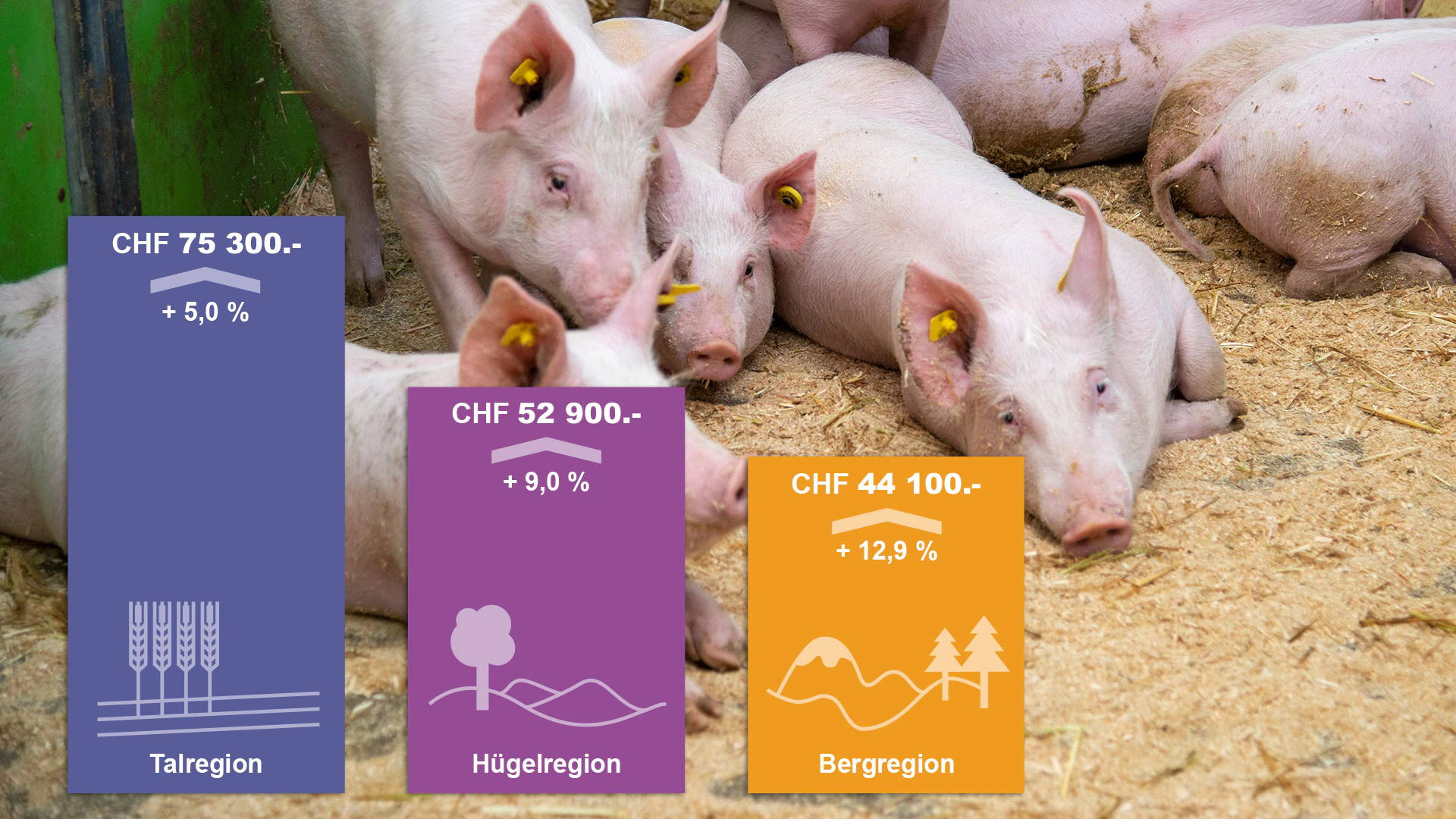
Swiss Agricultural income rose by 2.6 per cent in 2024 compared to the previous year, averaging CHF 81,700 per farm. The reason for this was higher revenues (monetary output) from pig, poultry and fruit production.
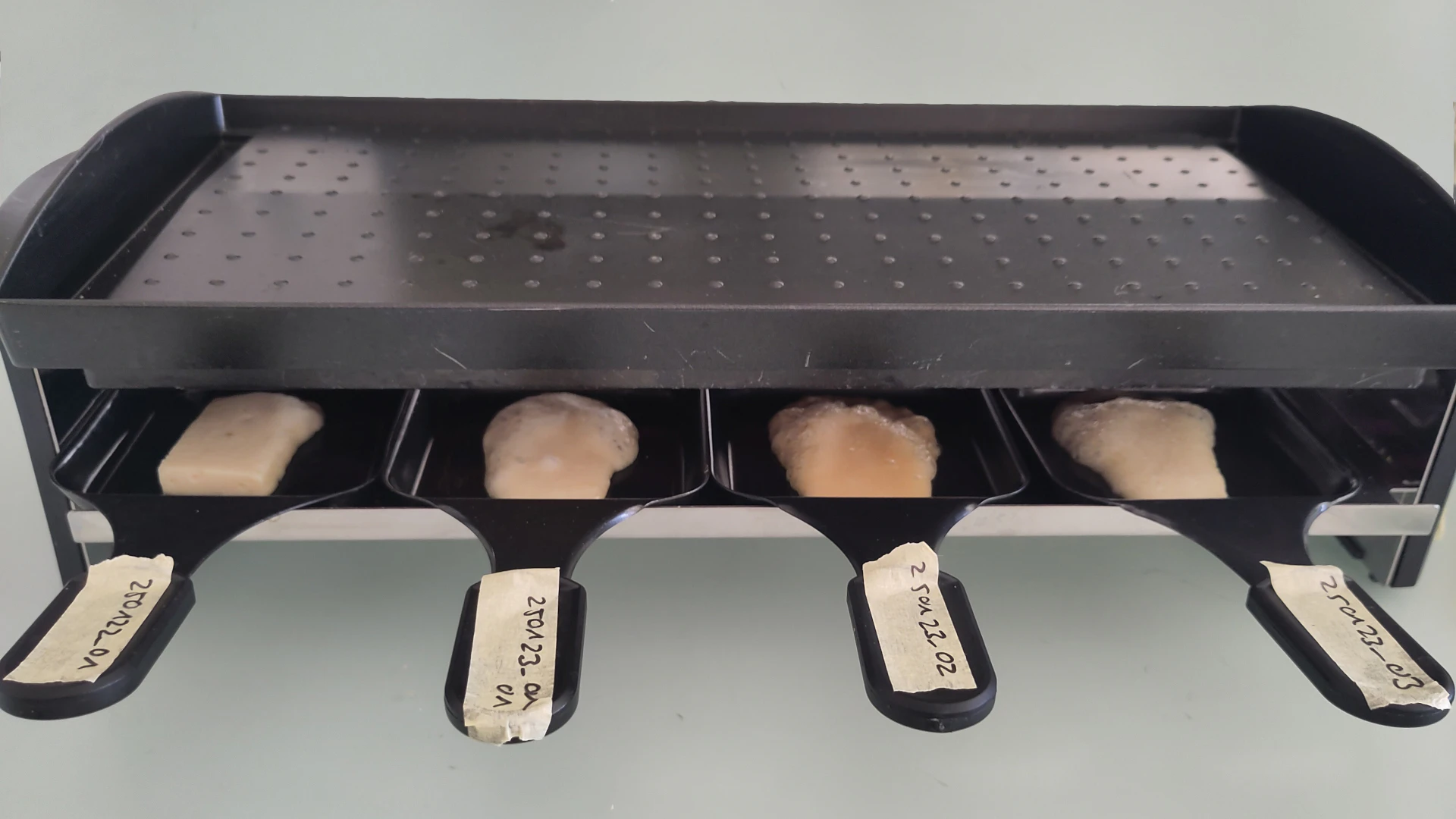
Delicious Plant-Based Raclette Alternative Made from Swiss Iingredients
Further information is available in the following languages: German, French, Italian.
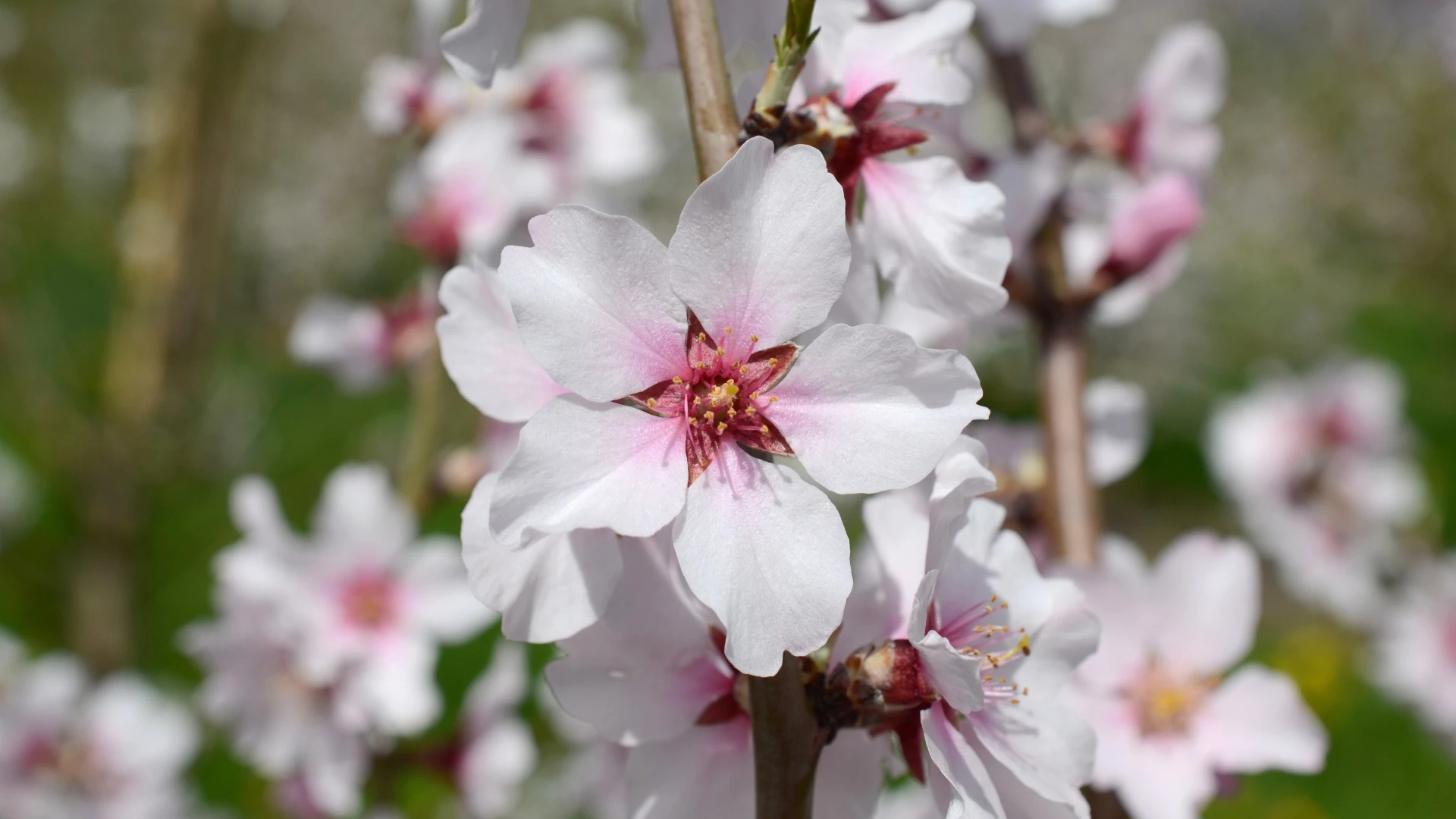
Almond Farming in Switzerland: Multifunctional Use as an Opportunity
Further information is available in the following languages: German, French, Italian.
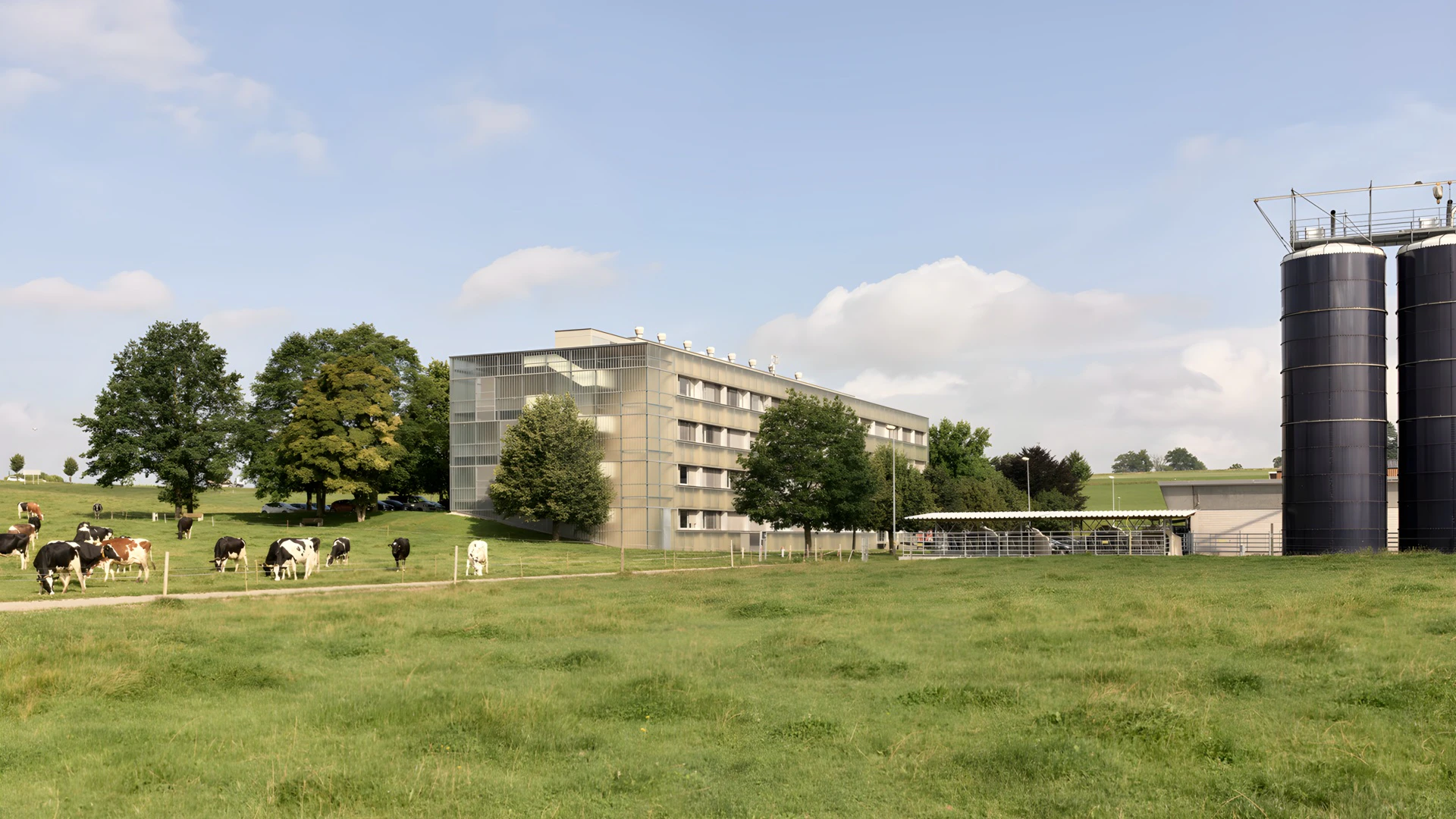
Planning Application for the Refurbishment of the Research and Administration Building on the Agroscope Posieux Campus Submitted
Further information is available in the following languages:German, French, Italian
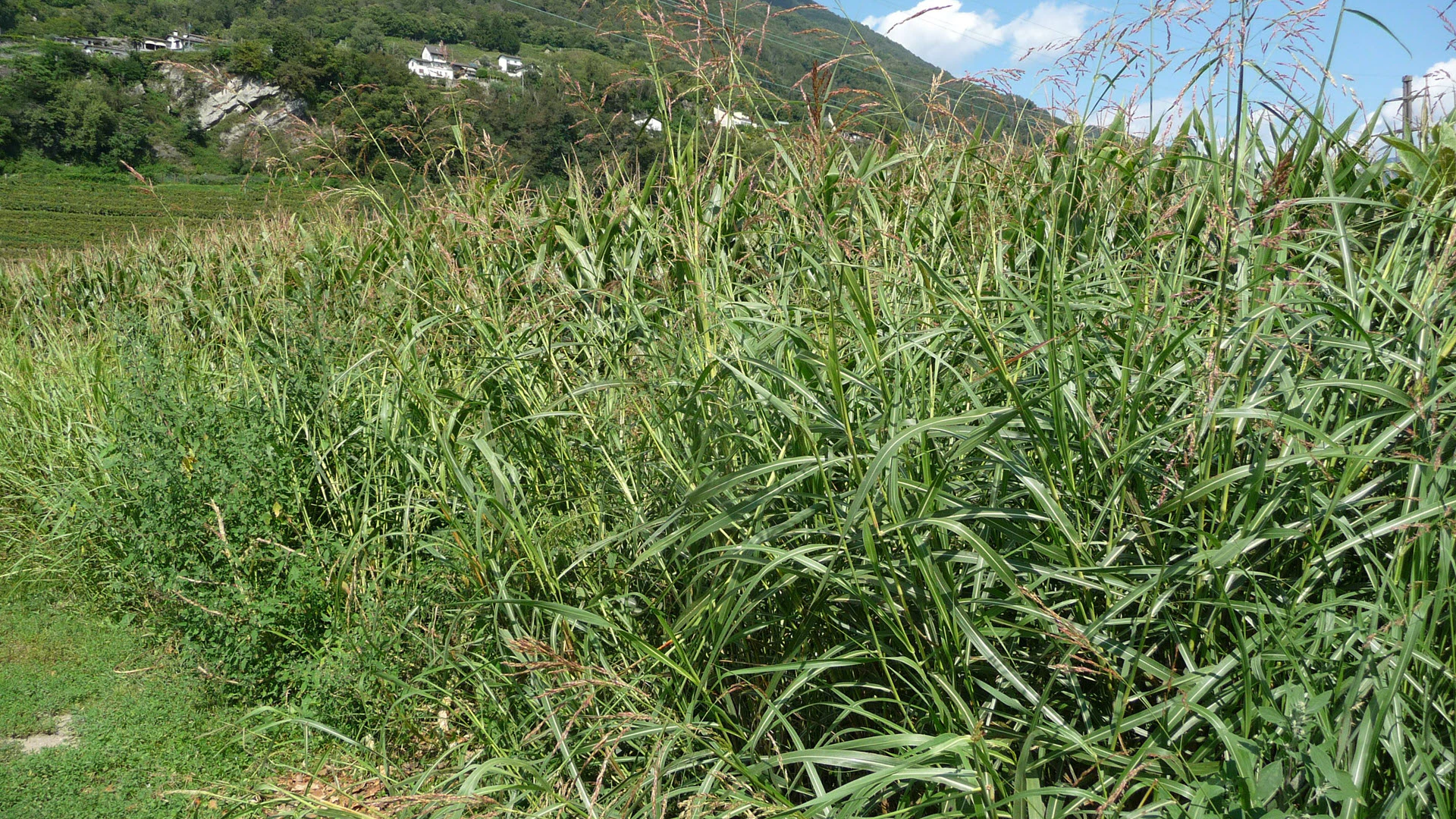
Aleppo Millet: Early Detection is Important
Further information is available in the following languages: German, French, Italian
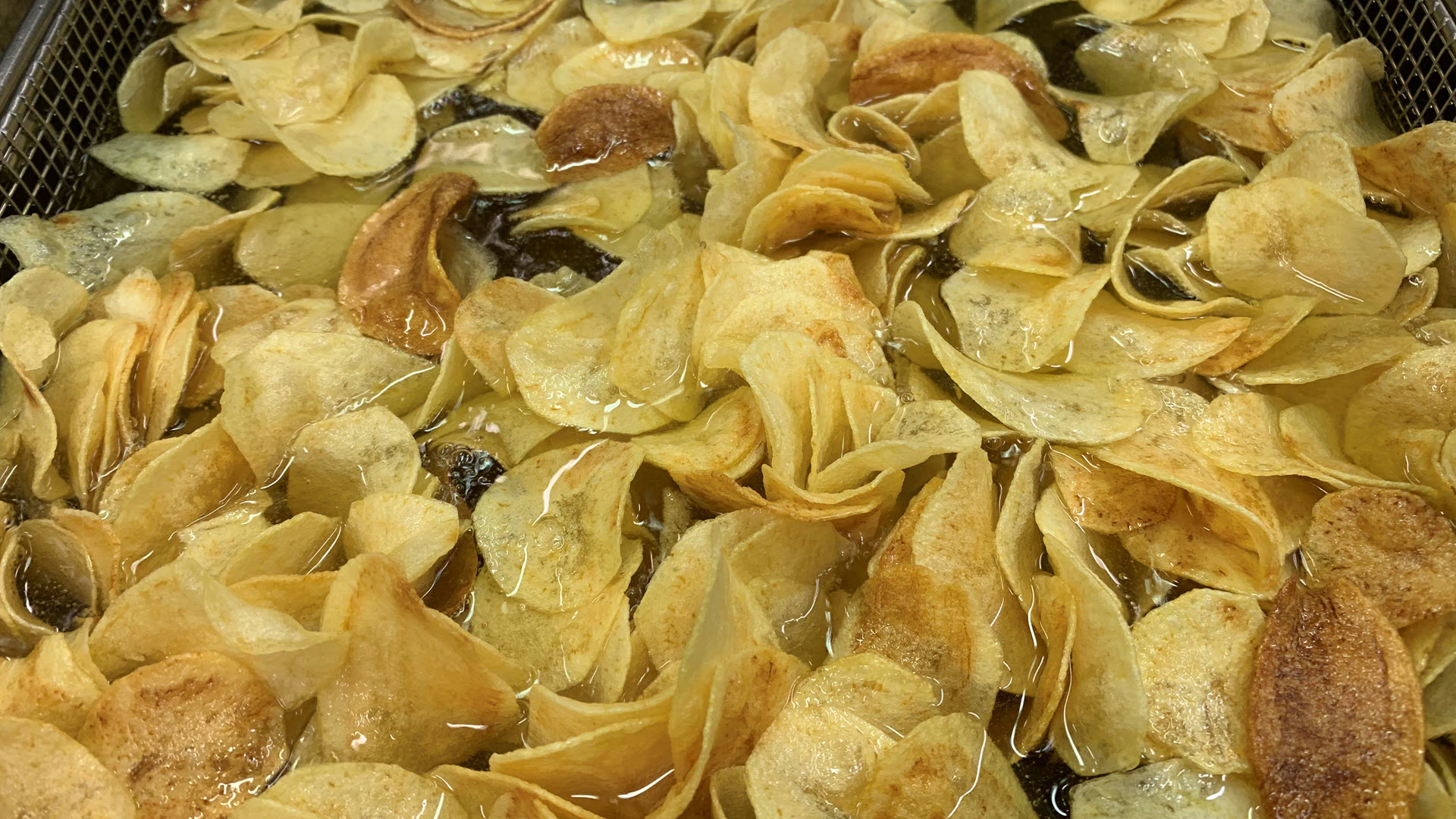
Practical Test of Potato Varieties for Crisps and Chips
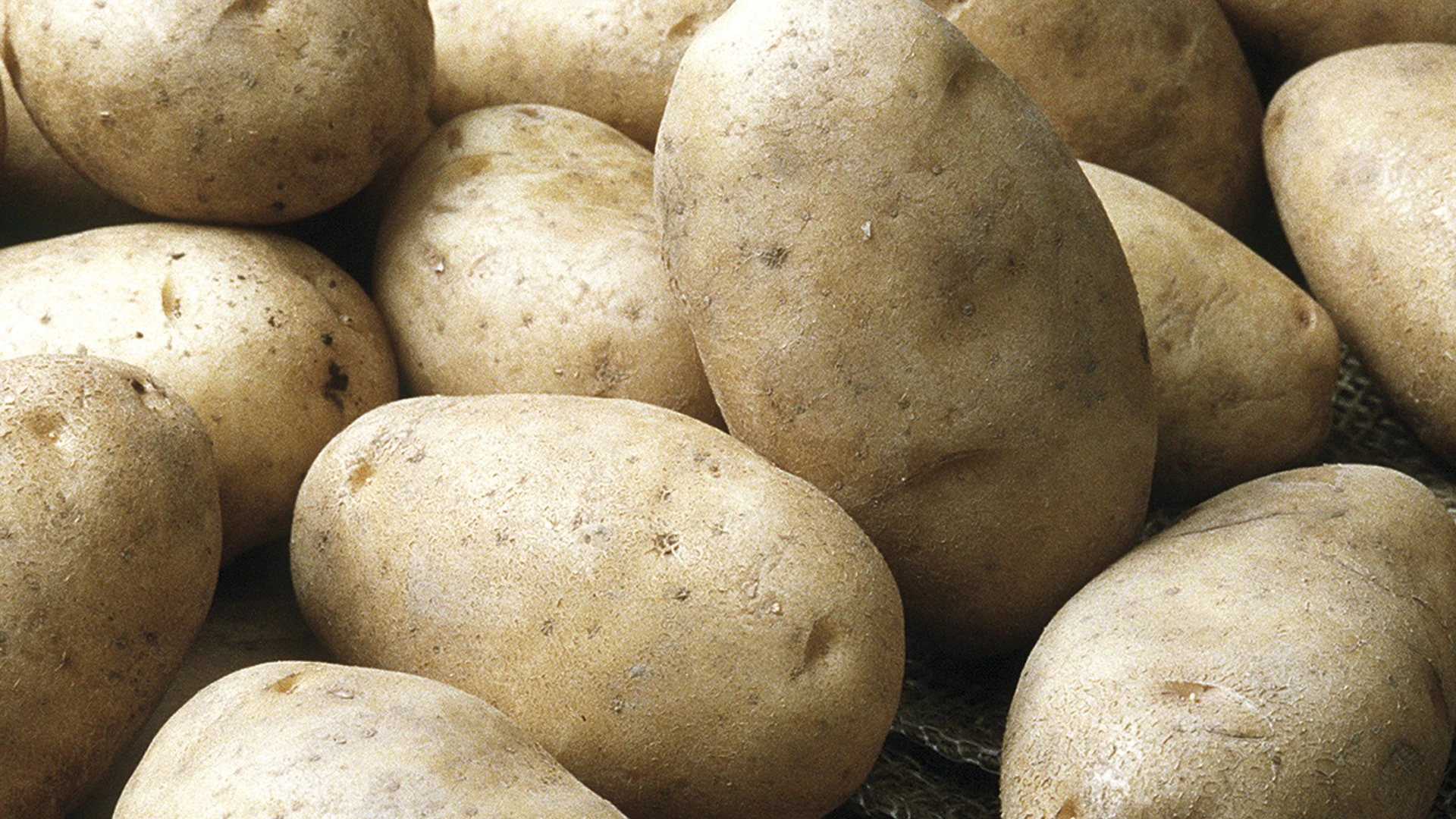
On behalf of swisspatat, Agroscope tested the suitability of different potato varieties for processing into crisps and chips. Key factors here were sugar levels, deep-frying behaviour and storage conditions.
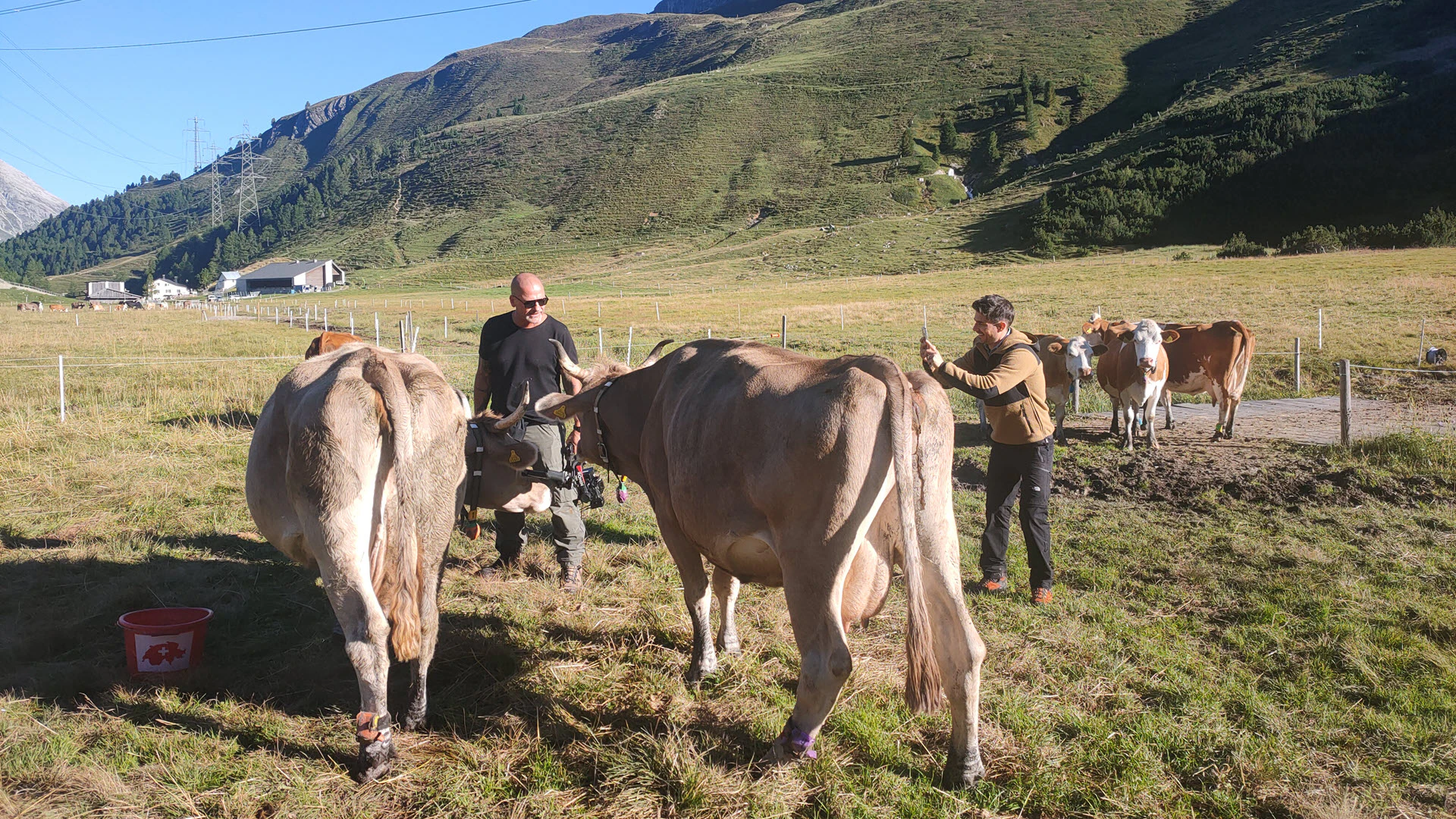
Agroscope Looking for Suitable Cattle Breeds to Maintain Alpine Pastures
When mountain pasture use is sub-optimal, scrub runs rampant and biodiversity is lost. In this SRF Einstein broadcast of 23/10, Agroscope researcher Caren Pauler talks about her search for cattle breeds that maintain alpine pastures.
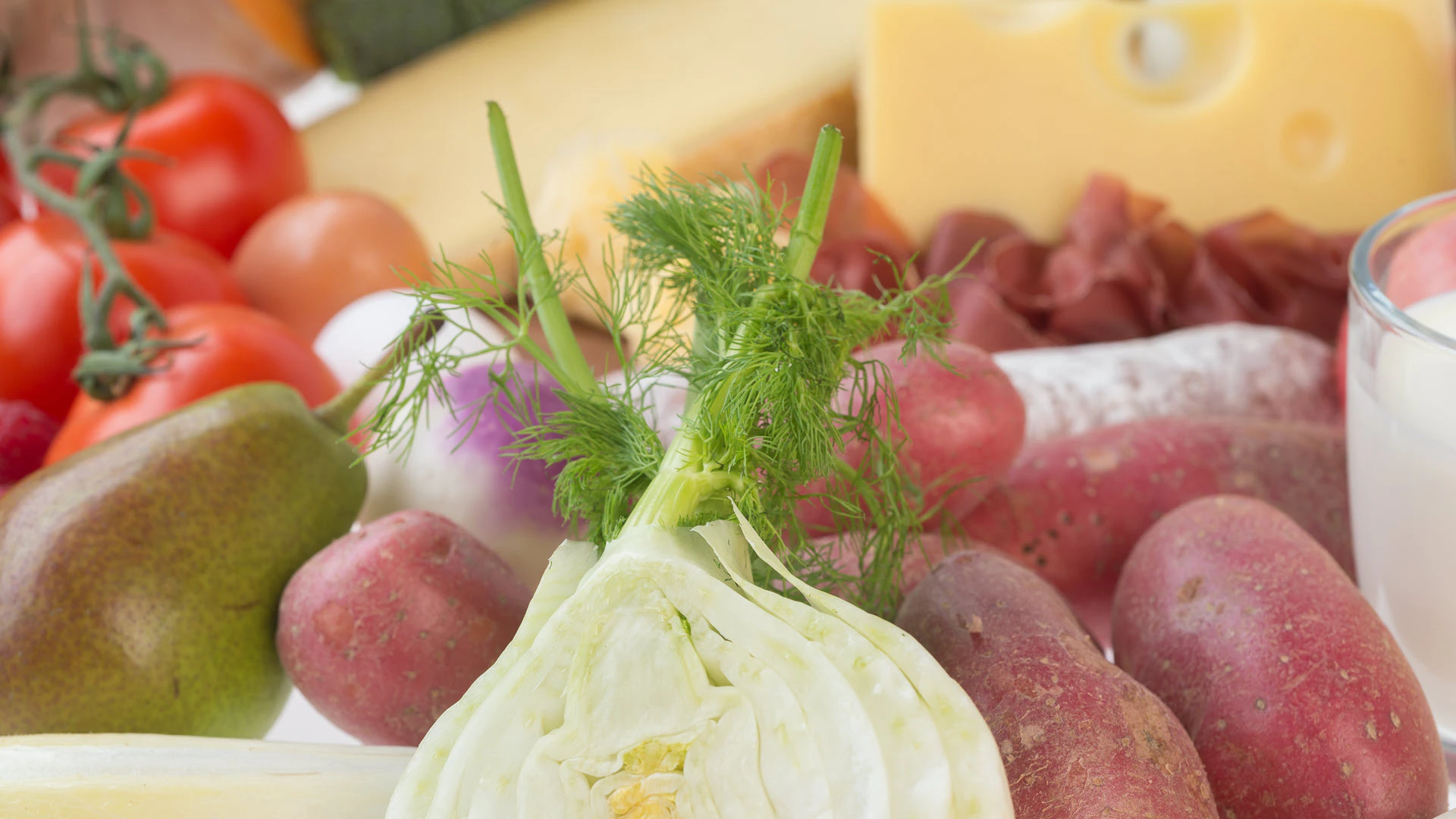
New Guide for Reducing Food Waste
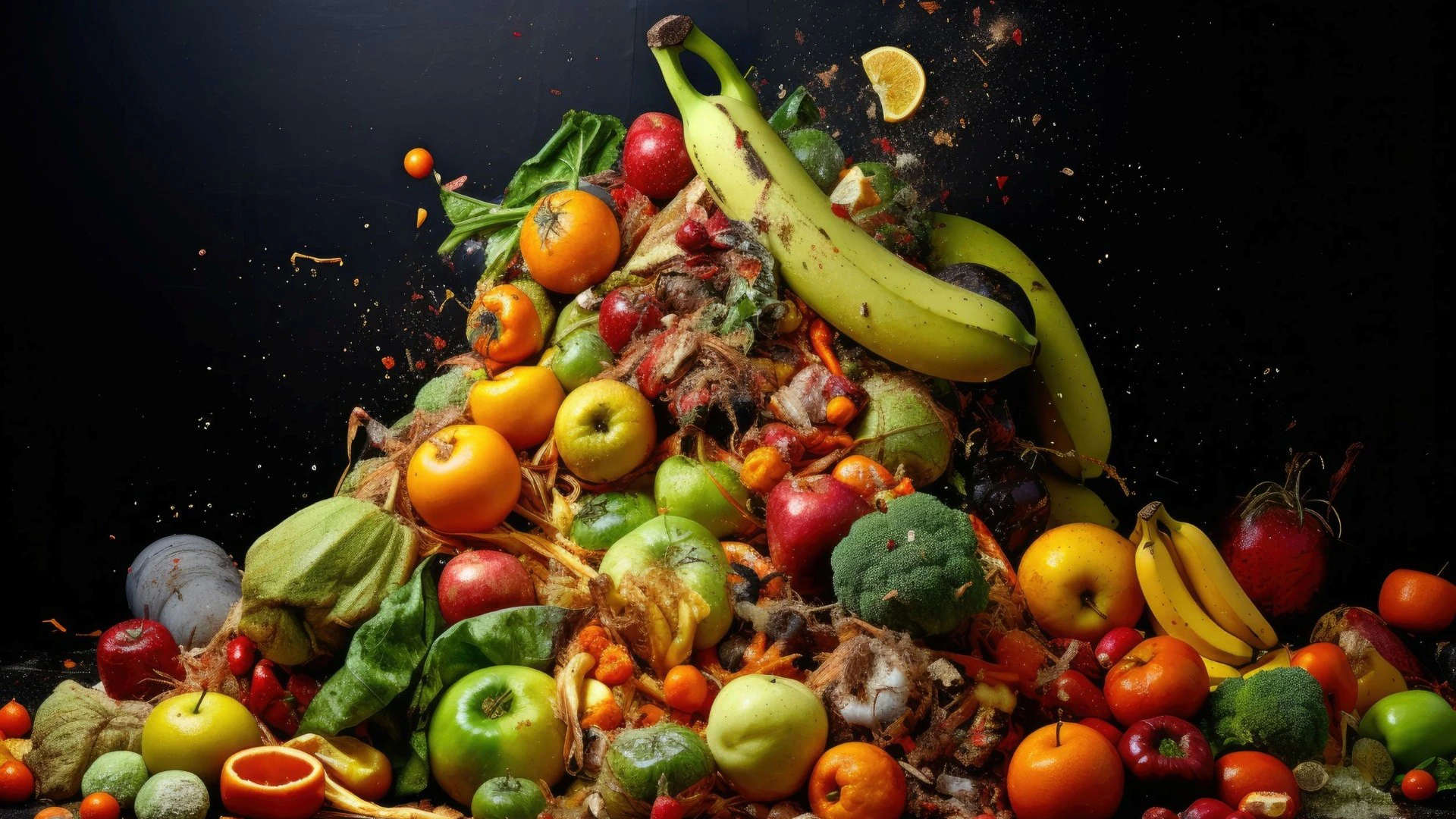
Around 90 kg of food is wasted in Swiss households per person and year. Part of the waste could be avoided, which would be a win for both the pocketbook and the environment. Agroscope has produced a guide for reducing food waste.
Trifluoroacetic Acid and Other PFAS in Groundwater: the Role of Plant Protection Products
The occurrence of per- and polyfluoroalkyl substances (PFAS) is widely documented in soils, water bodies, drinking water and foods. An analysis by Agroscope ranks the contribution made by plant-protection products and other sources to groundwater contamination with PFAS.
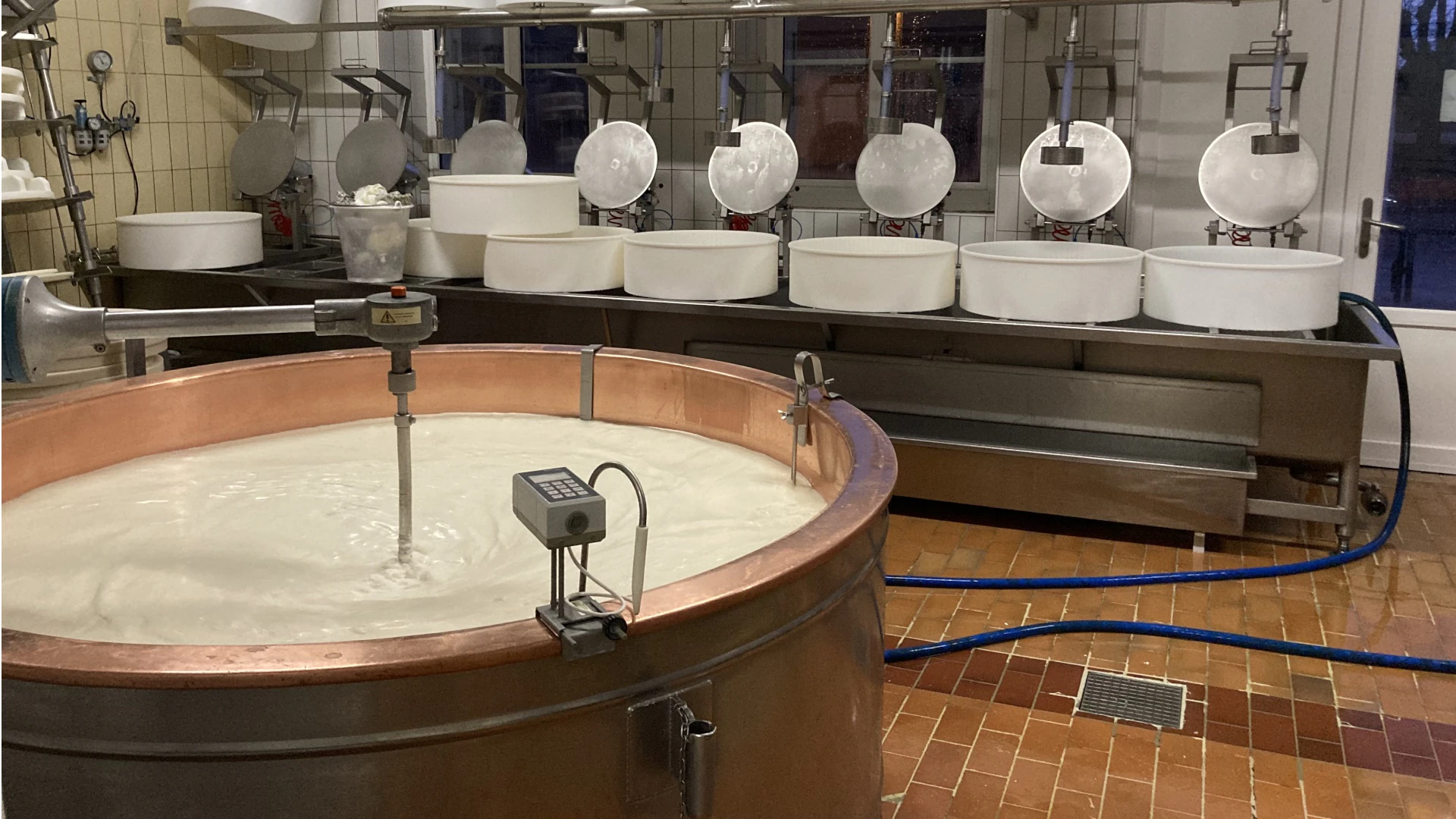
Feed Ration with More Rapeseed Cake Has No Impact on the Quality of Gruyère AOP Cheese
Further information is available in the following languages: German, French, Italian.
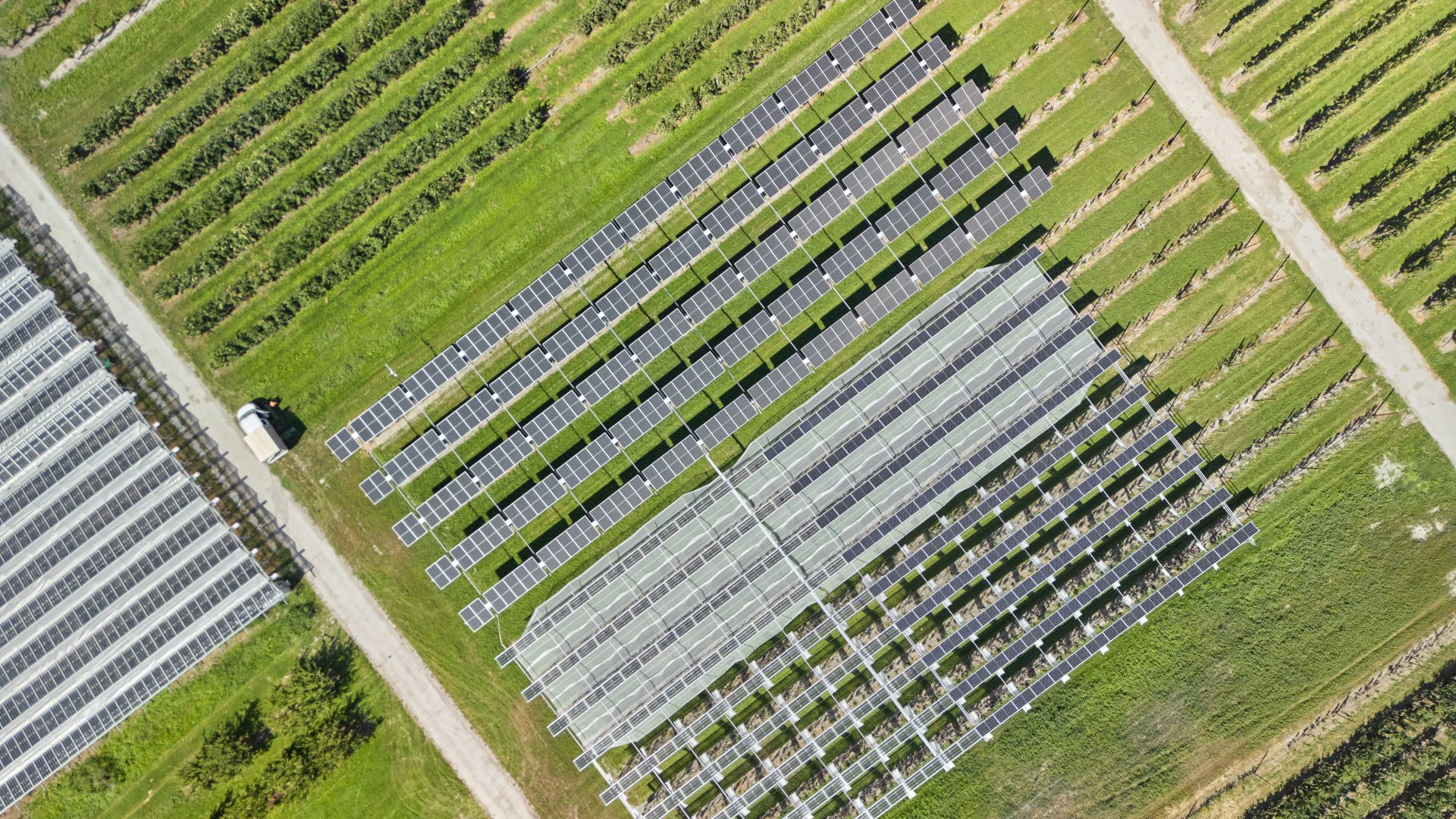
Agrivoltaics in Swiss Fruit Growing: Various Photovoltaic Systems up and Running in Conthey
A 4,000 m² agrivoltaic array was unveiled in Conthey on 18 September 2025, marking a groundbreaking development for Switzerland: photovoltaic modules installed above orchard crops. Agronomic monitoring will be done by Agroscope.
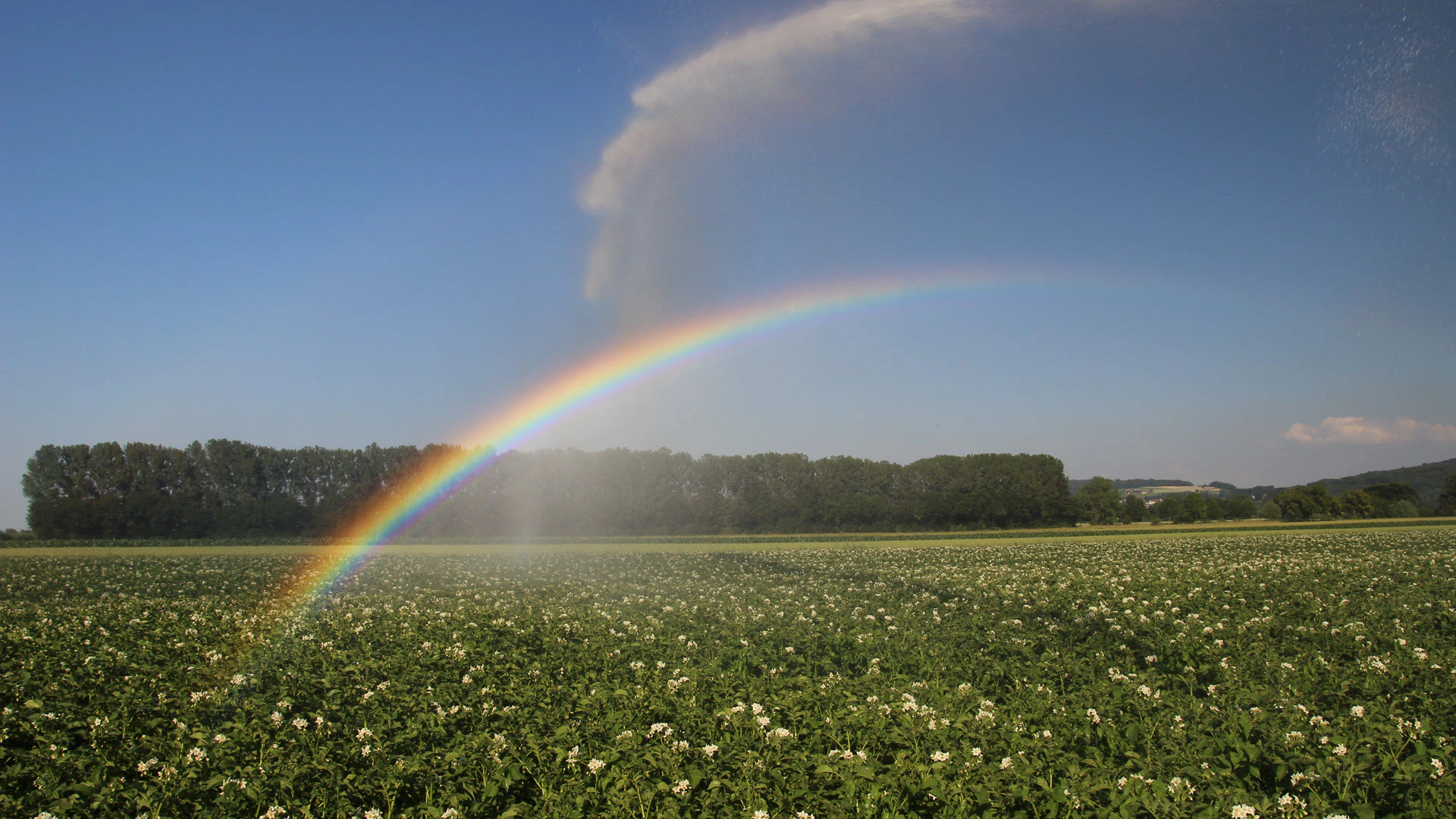
How Much Water Does the Swiss Agricultural Sector Need for Irrigation?
To date, figures on agricultural water use for irrigation in Switzerland have been quite patchy. In response, Agroscope has developed a method for estimating consumption volumes on behalf of the Federal Office for the Environment.
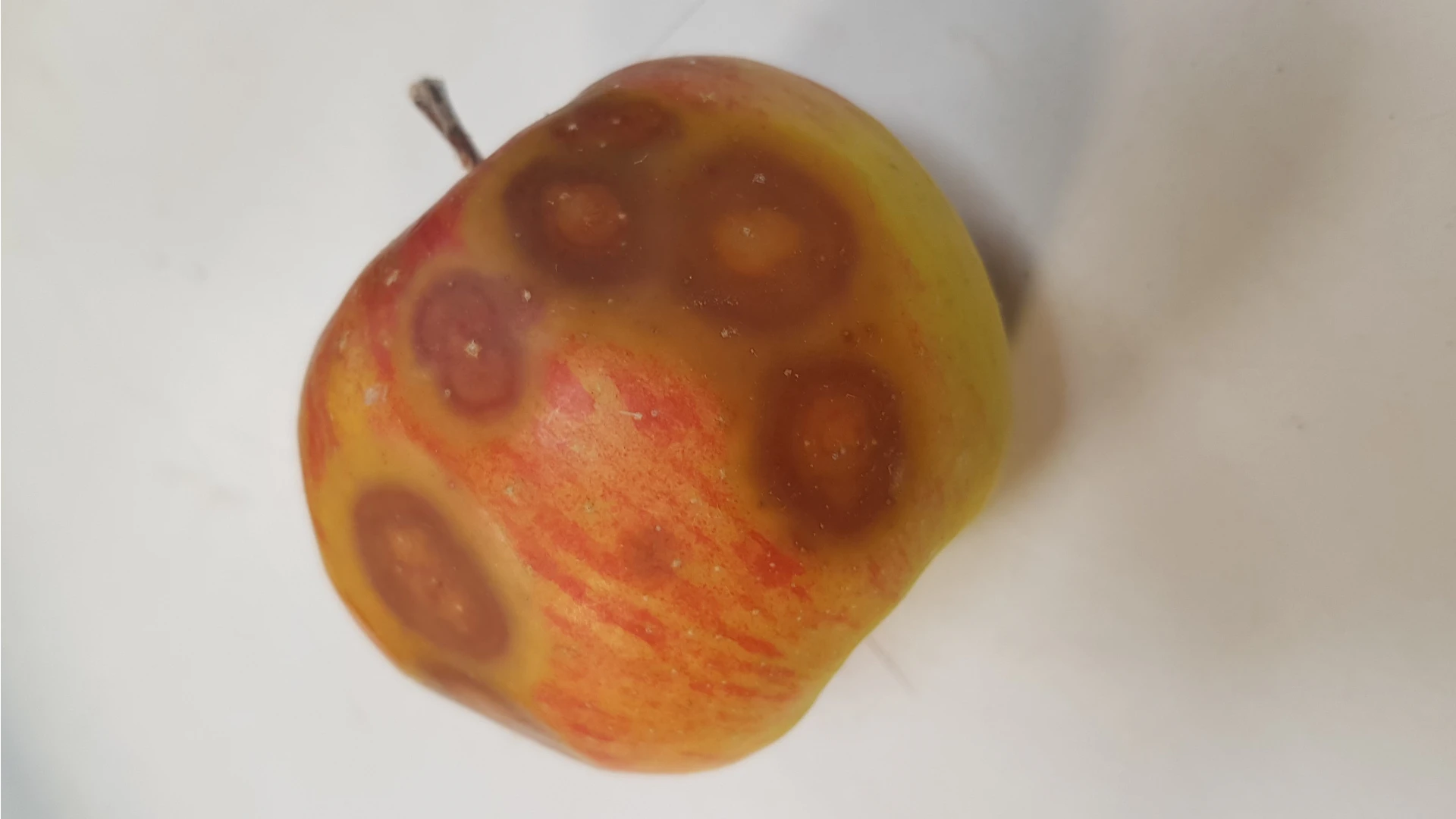
Storage Diseases in Pome Fruit: Innovative Methods Before and After Harvest
Further information is available in the following languages: German, French, Italian.
Machinery Costs Stable, Building and Labour Costs Up Again
Despite higher purchase prices the usage costs of agricultural machinery have remained largely stable, whilst building and labour costs have risen slightly. Agroscope’s new Cost Catalogue helps with cost-conscious operational planning.
Dr. Corinne Jud Khan named as new head of Agroscope from 1 March 2026
A native of eastern Switzerland, Dr. Khan has worked at Agroscope and its predecessor institutions since 2013. She currently heads the ‘Methods Development and Analytics’ Competence Division and is a Member of the Executive Board. Corinne Jud Khan succeeds Eva Reinhard, who is retiring.
Can Odour Impacts Be Reliably Determined by Assessors?
Livestock husbandry poses challenges in determining odour impacts due to the heterogeneity and spatial extent of its odour sources. Agroscope and Empa have refined a method using trained assessors and validated it with tracer gases.
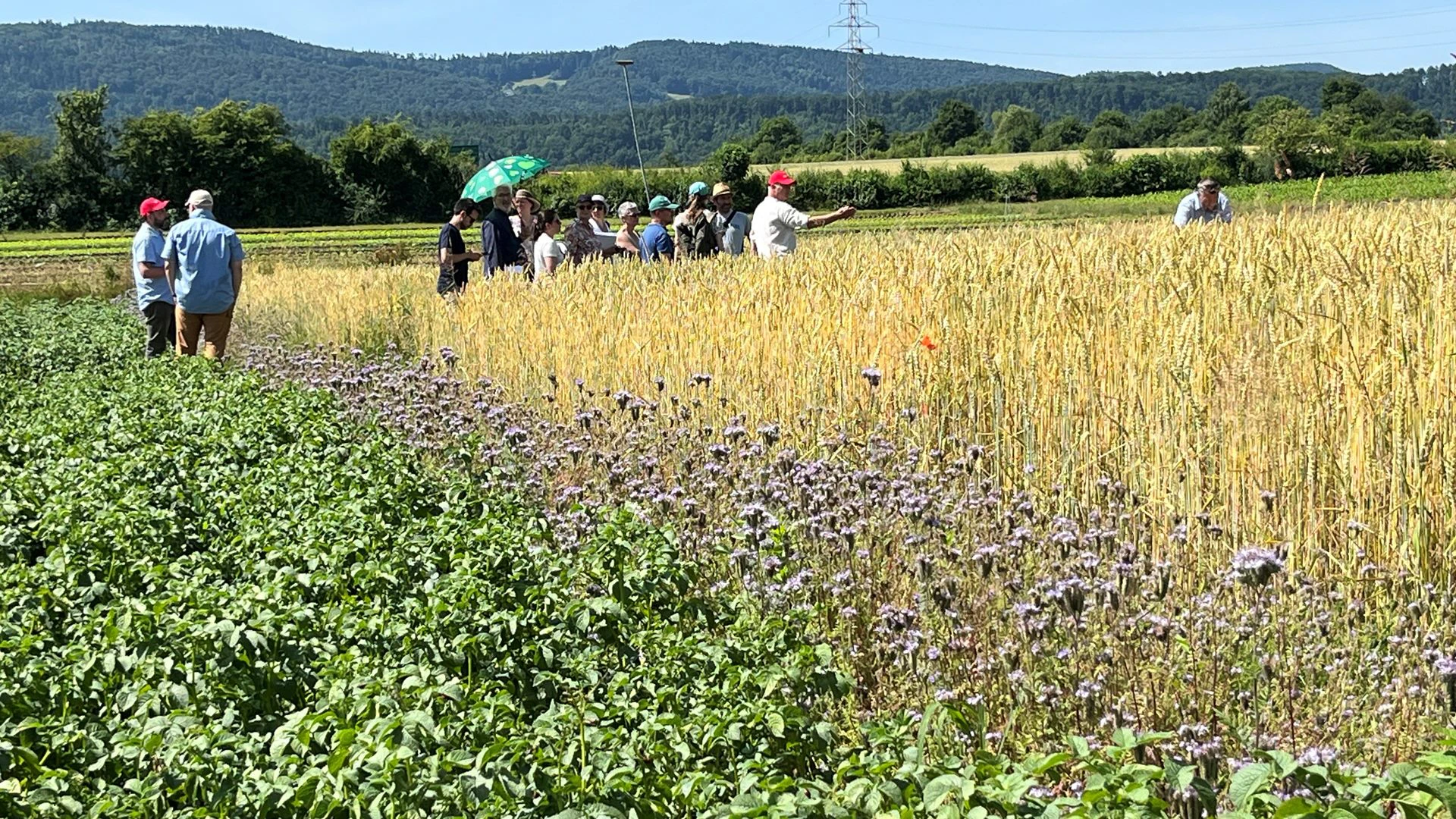
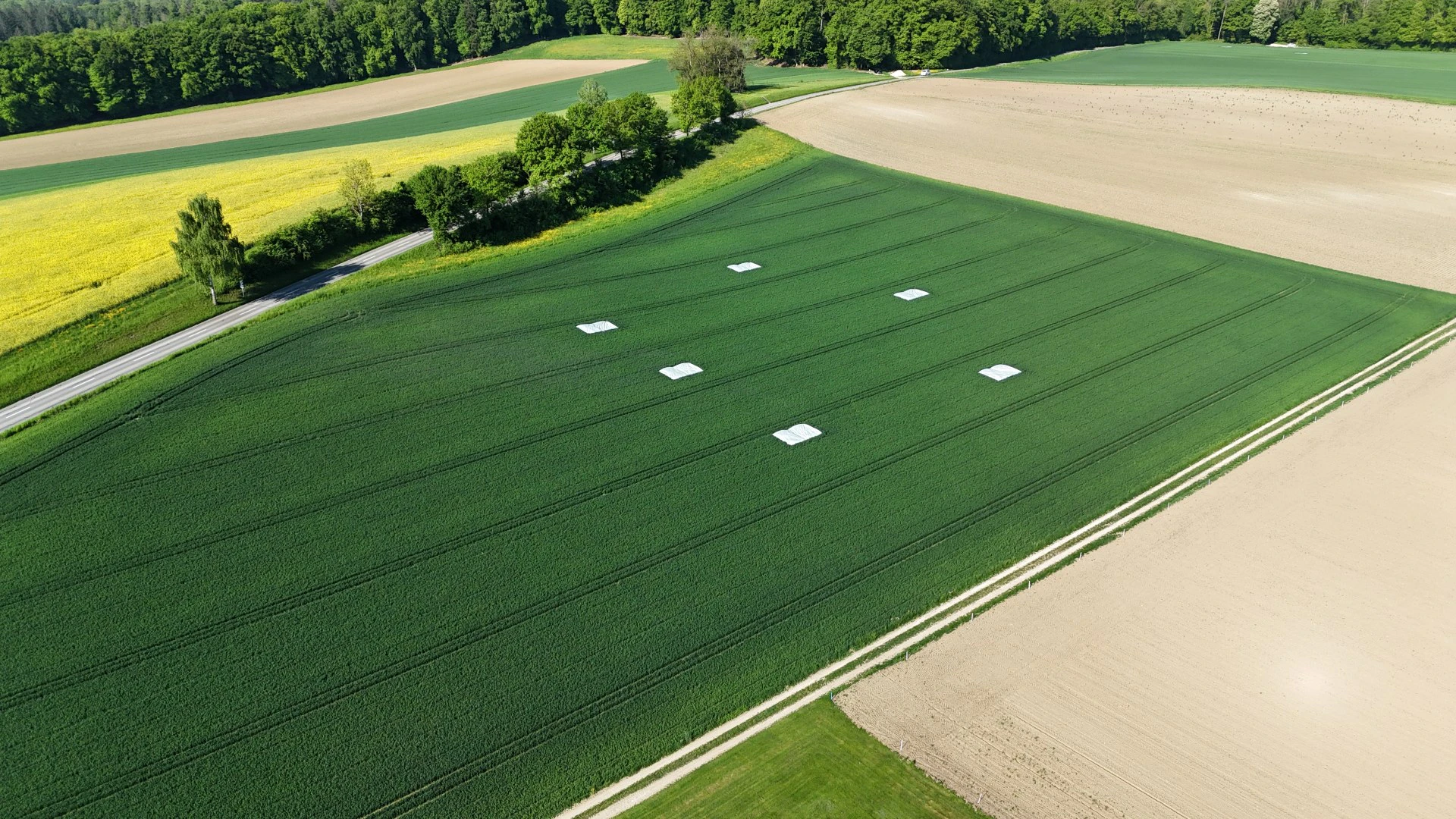
Variety Mixtures for Healthier, more Yield-Stable Wheat Crops
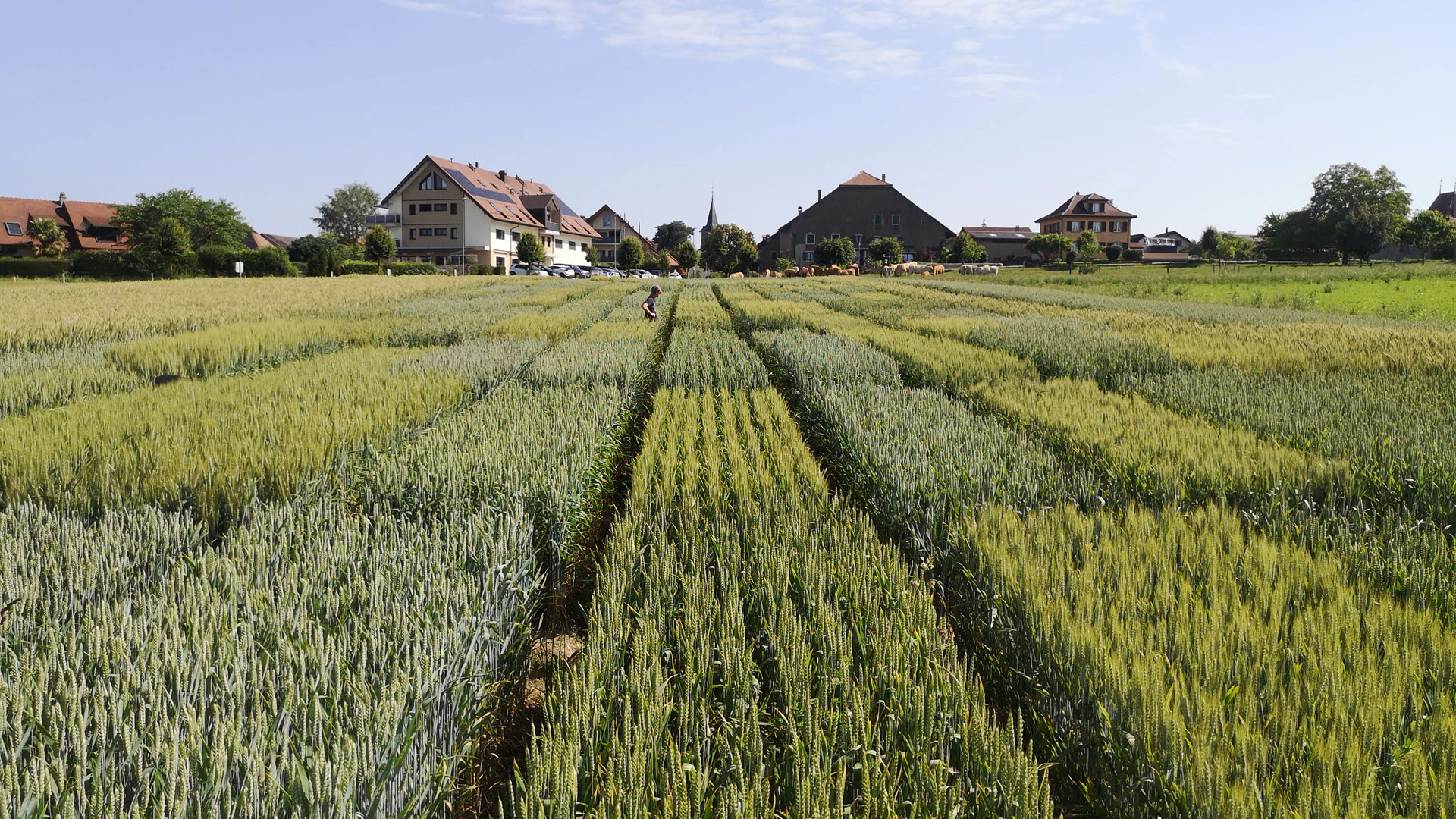
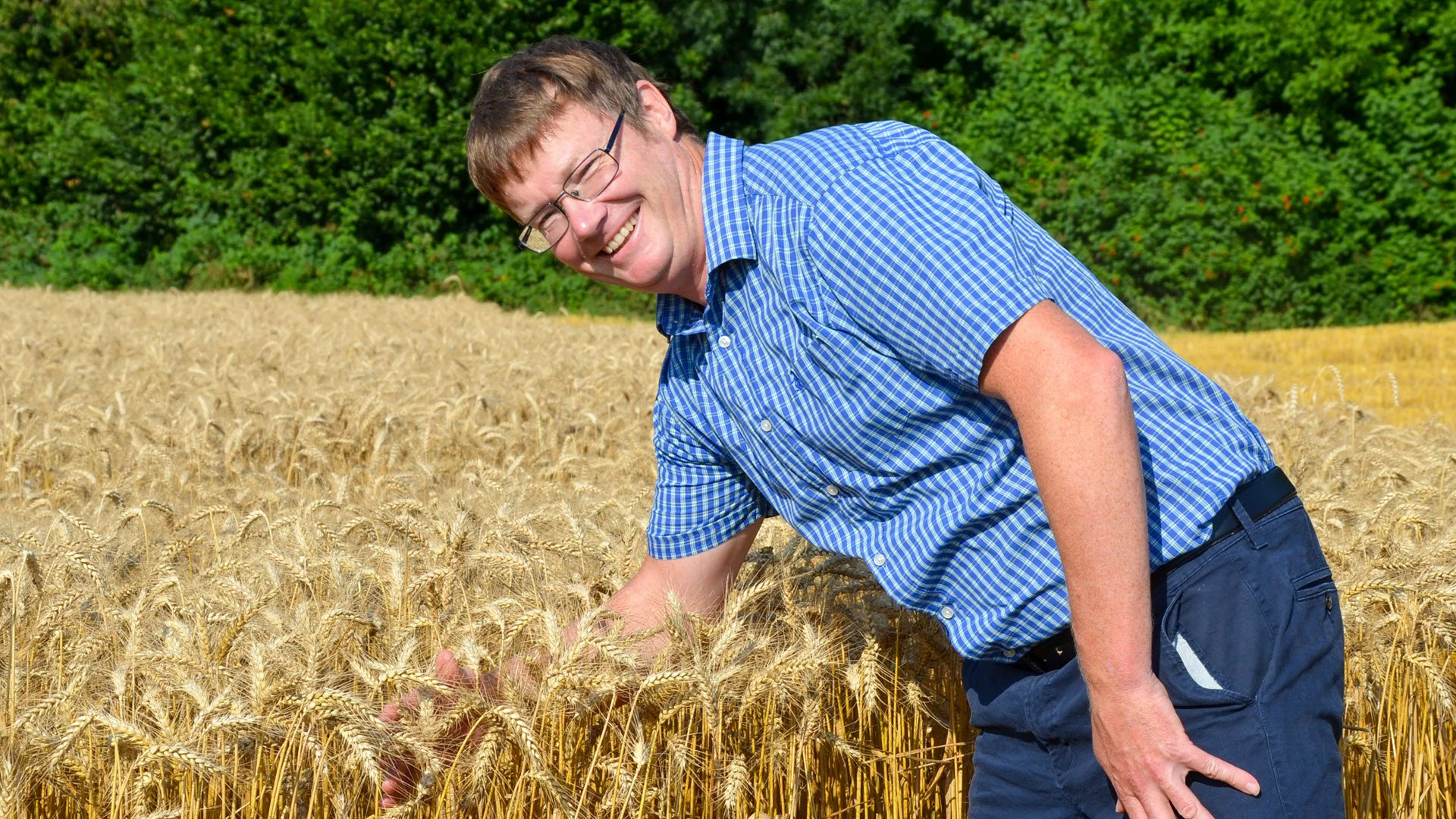
Agroscope is working as a part of an international project on compiling new basic knowledge and developing predictive models to create particularly high-yielding variety mixtures of wheat. Samuel Wüst informs in an interview about the new project.
Artificial Intelligence vs Corvid Intelligence
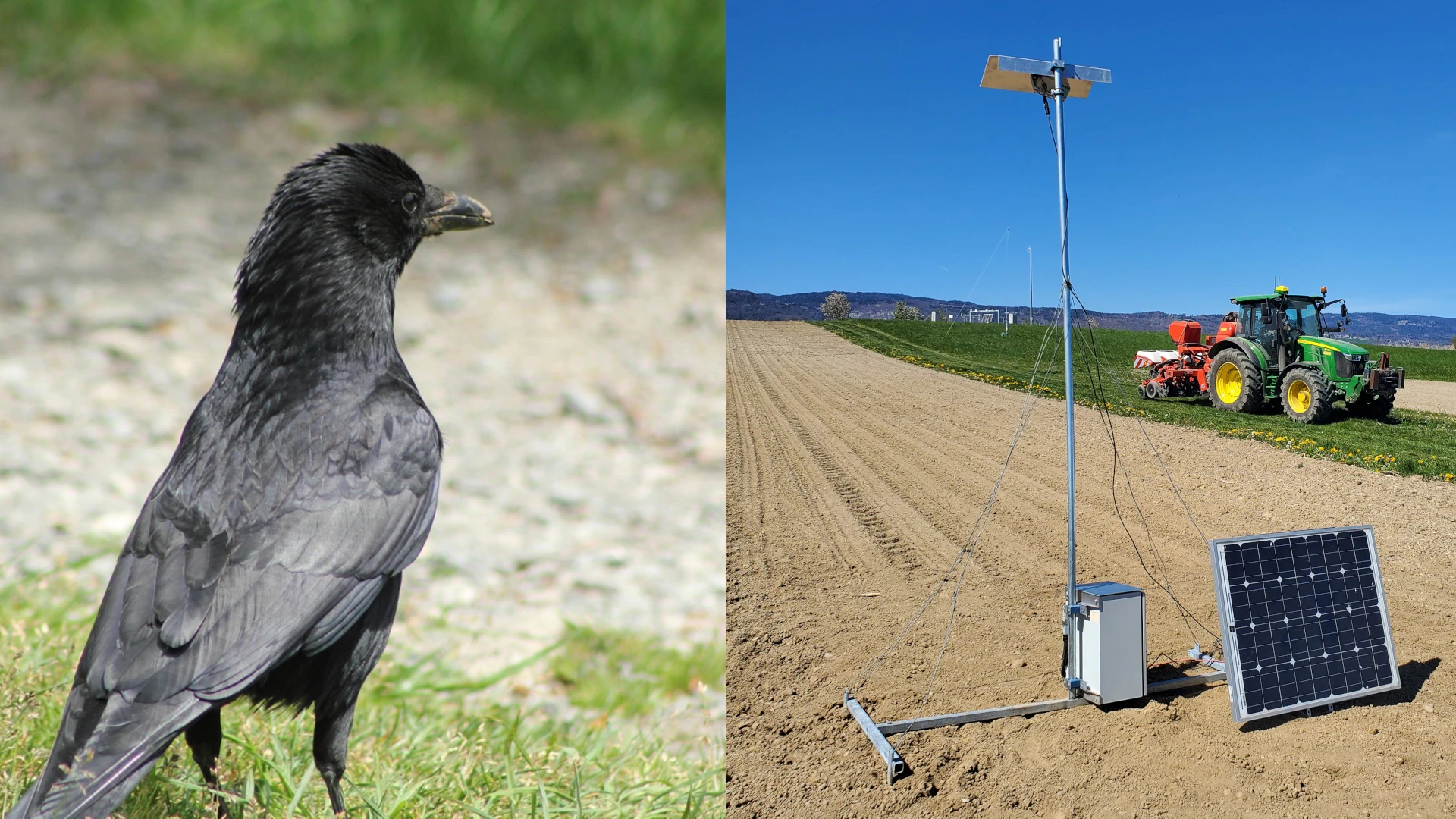
Will AI outsmart corvids to protect crops? Agroscope is currently testing a system for detecting and scaring away these birds. The aim is to make the system intelligent and adaptive via an interdisciplinary project to be supported by the FOAG from 2026.
Cotton Bollworm Moving Northwards
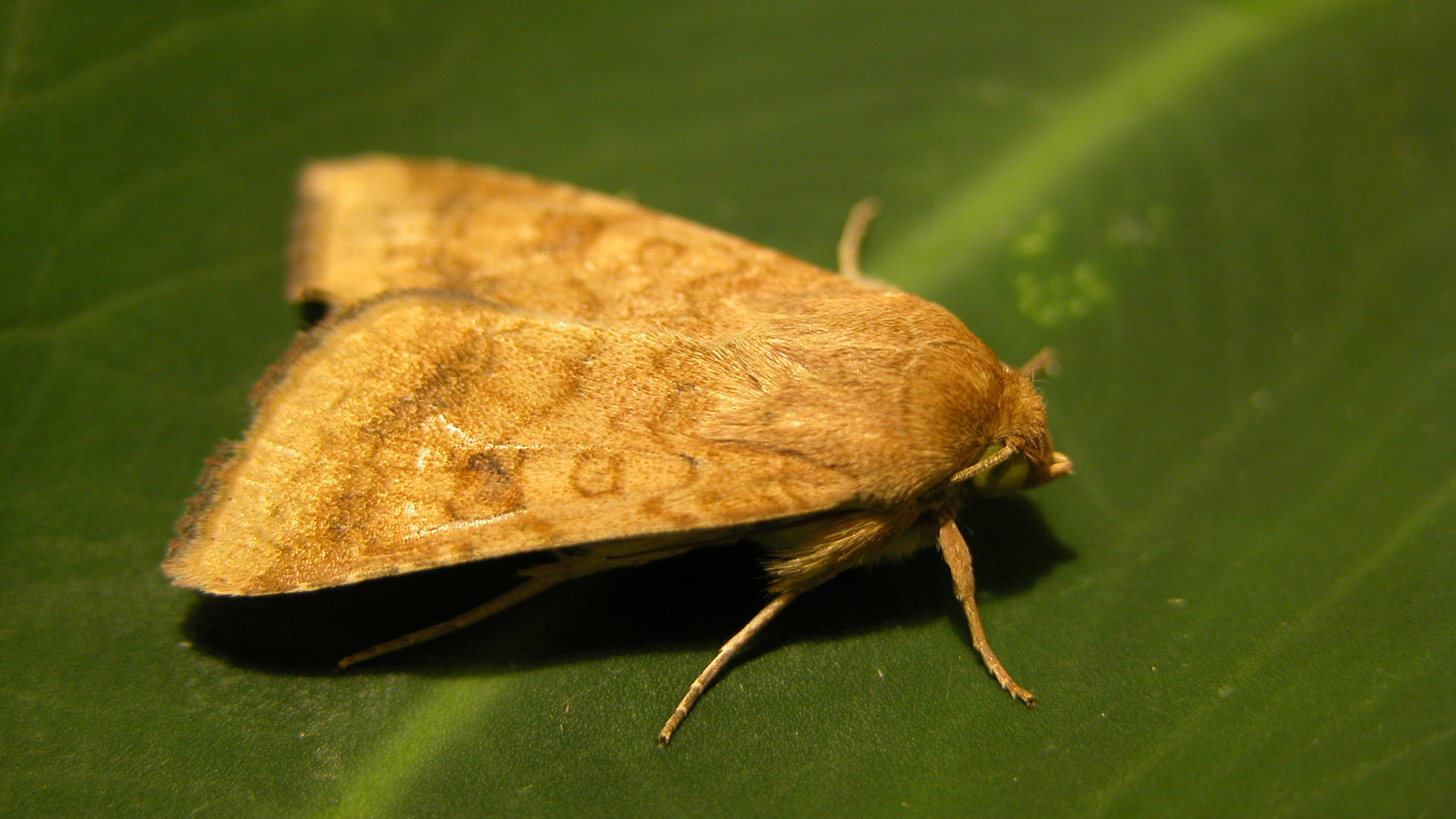
The cotton bollworm is a major pest in vegetable crops. This tropical migrant butterfly has made it as far as northern Europe due to climate change. Population numbers have currently reached their peak. Agroscope monitors the insects and identifies countermeasures.
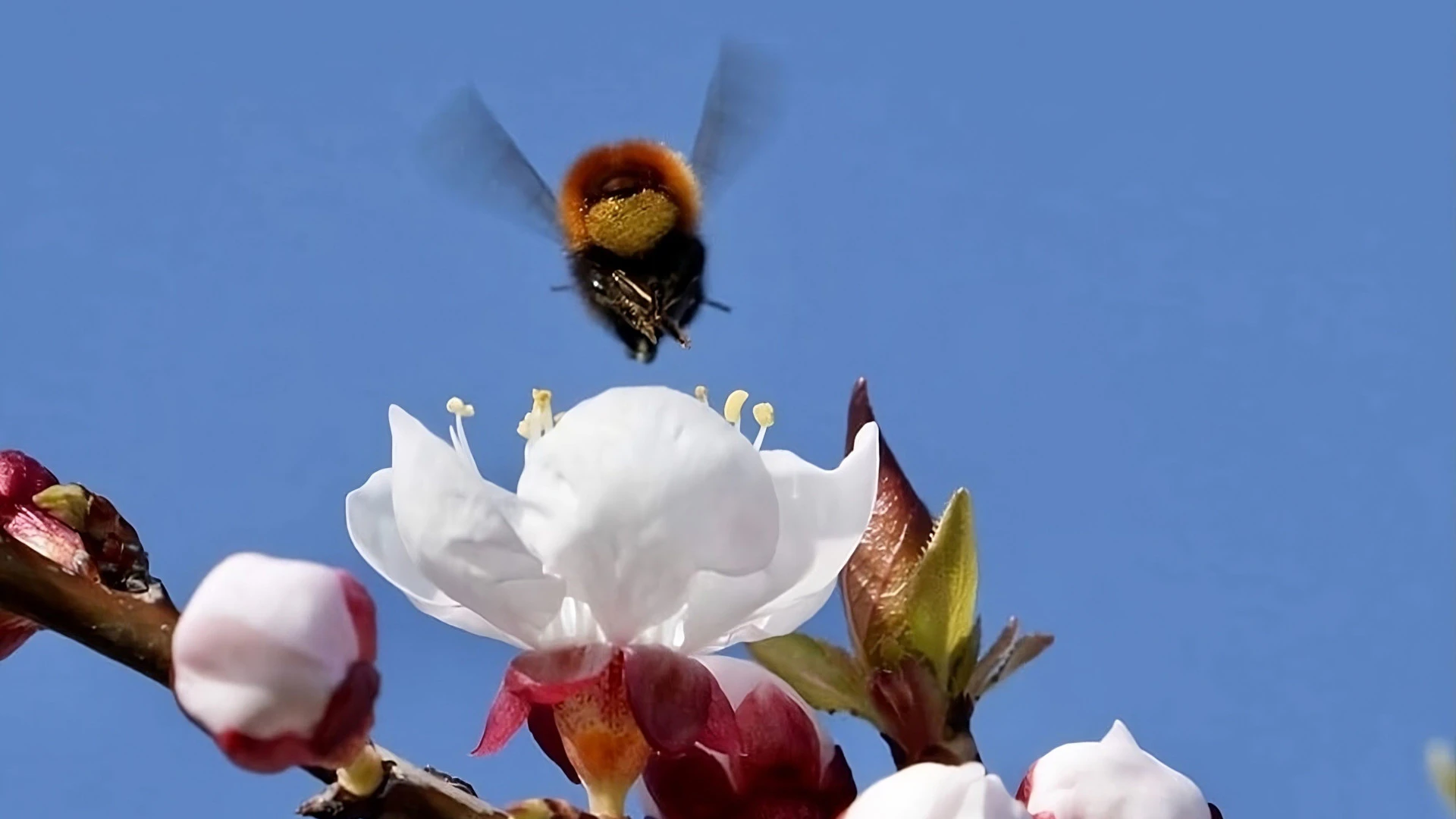
Mason Bees: Choosing the Right Species for Cherry- and Apple Tree Pollination
Many fruit and vegetable crops are dependent on managed pollinators such as honeybees or bumblebees for pollination. Diversification of these pollinators is essential, since they are not always the best choice for specific crop plants, especially during cold, wet weather.
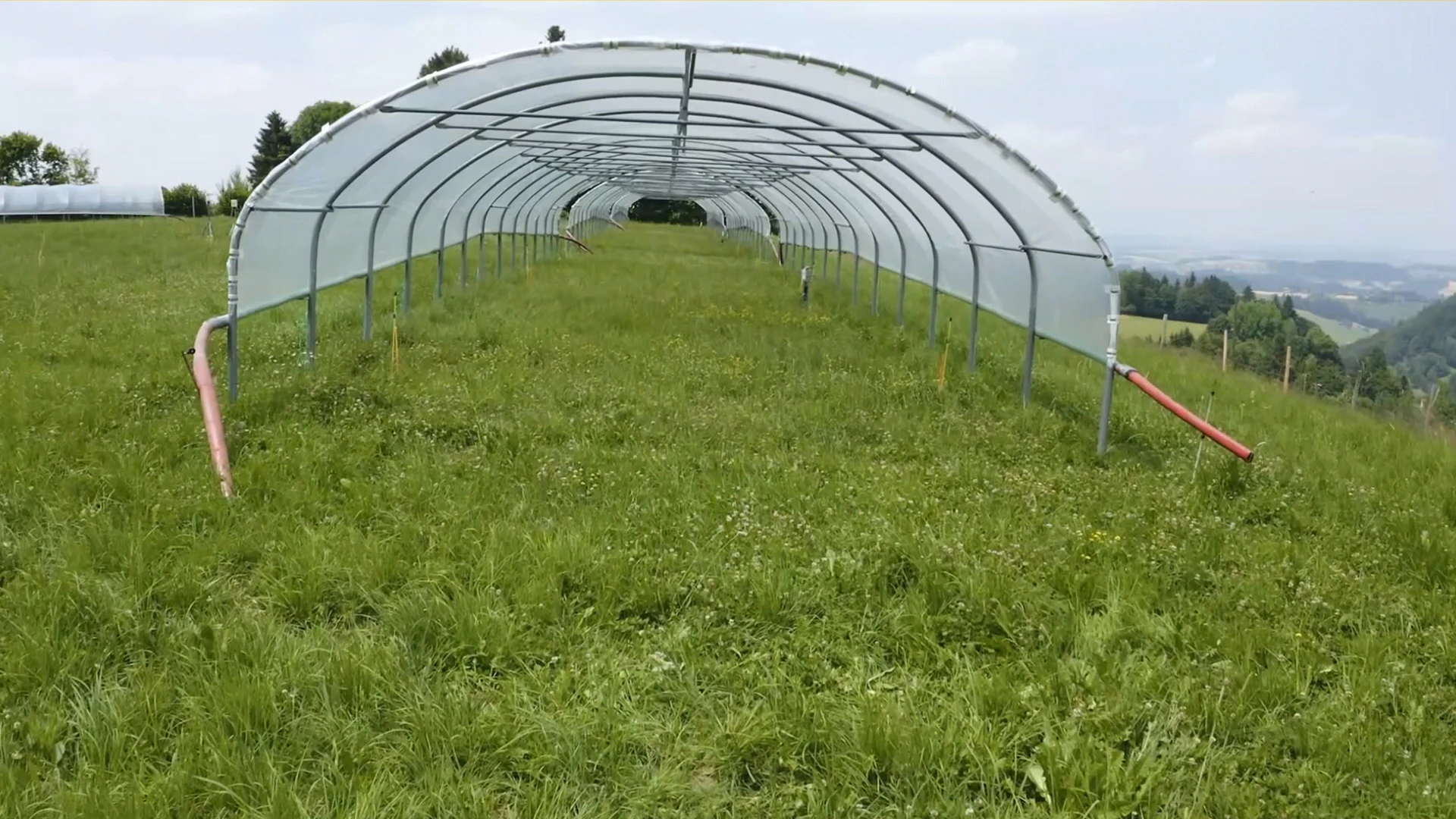
Simulated Drought at Altitude: Climate-Proof Forage Mixtures
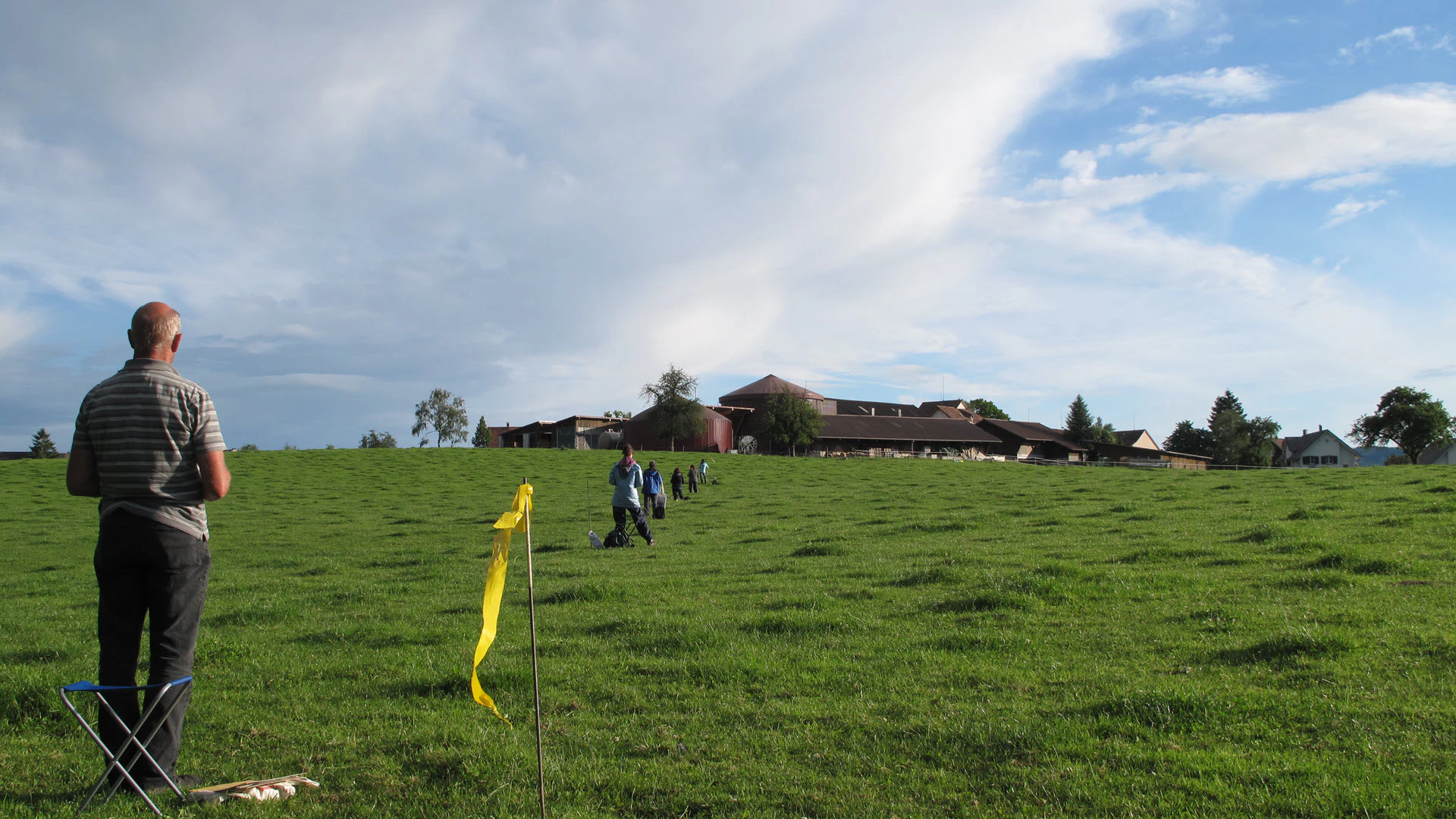
On Bernese grasslands at over 1000 metres of altitude, unusual polytunnels simulate summer drought. Their aim is to compare the performances of drought-resistant forage mixtures in normal conditions and in a water deficit situation.
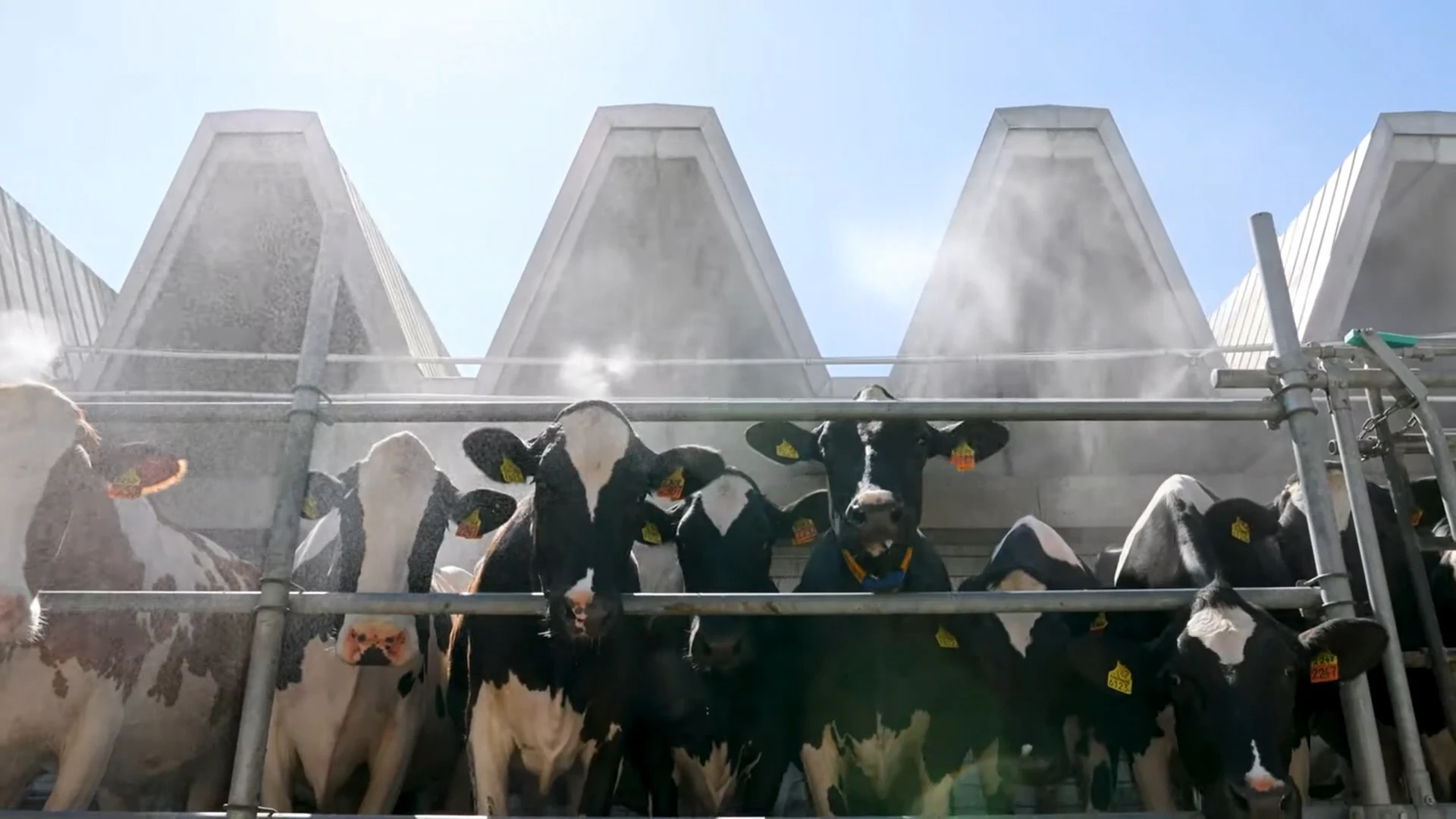
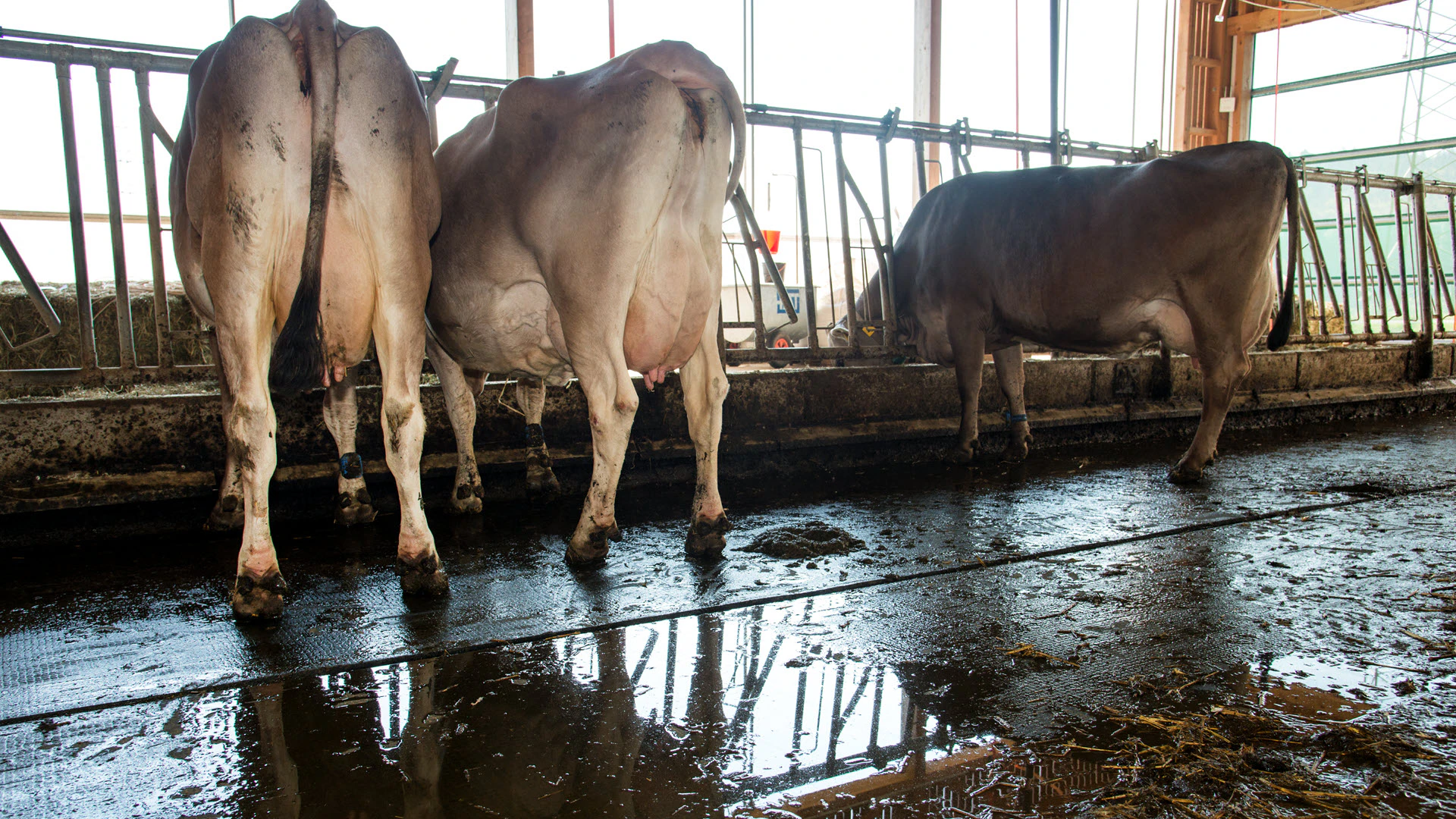
Alleviating Heat Stress in Dairy Cows
Cows develop heat stress much more quickly than humans. Agroscope has studied this physical stress and offers advice for its alleviation.
DOK Trial Has Been Comparing the Growth of Organic and Conventional Crops for Two Generations
Further information is available in the following languages: German, French.
Sustainable Food Programmes in our Cities
Swiss towns and cities host a variety of innovative food projects – from community gardens to bulk stores to food-sharing hubs. The ‘TASTE’ Project aims to high-light particularly successful food initiatives.
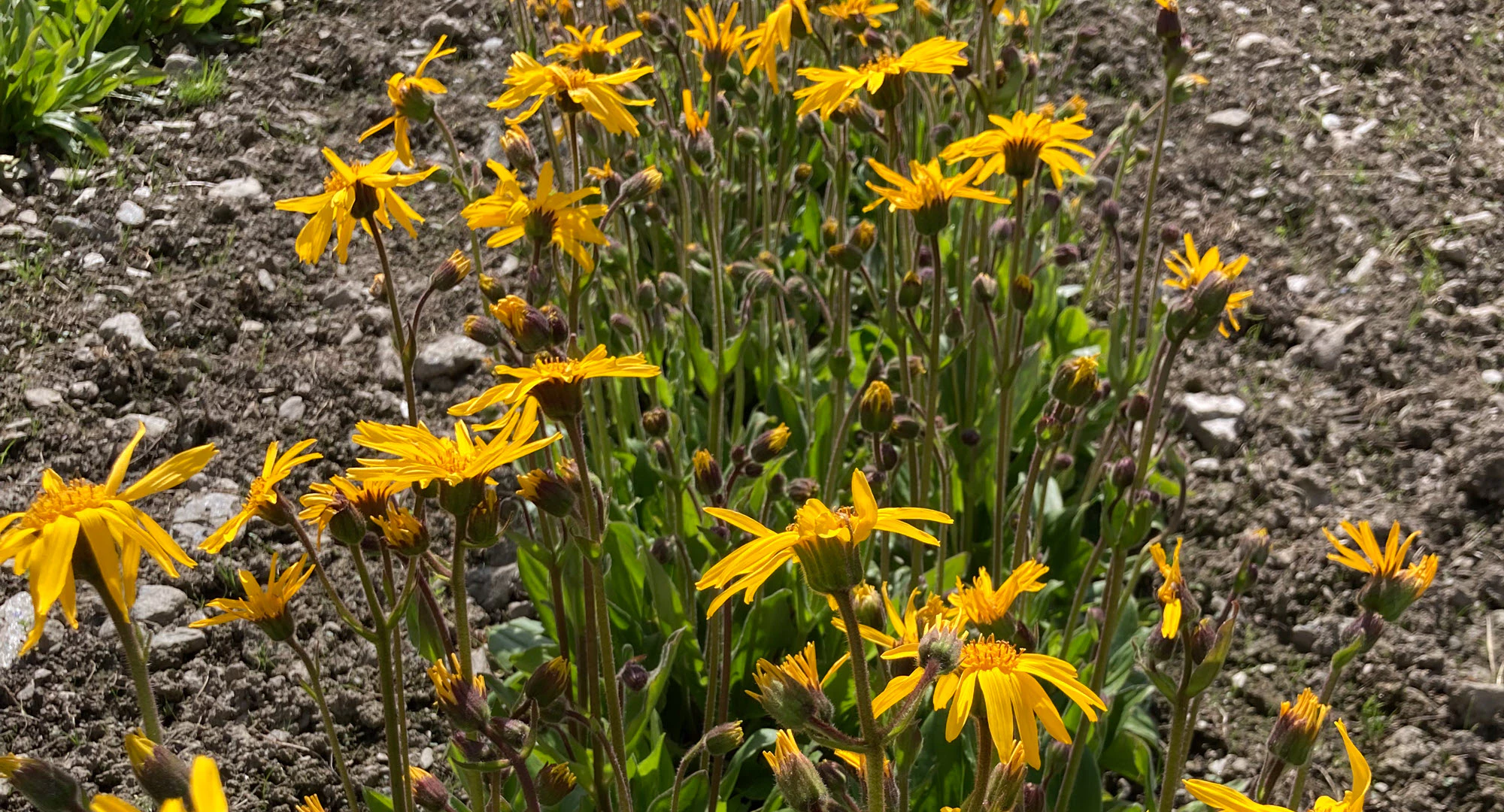
Agroscope is Working on Breeding a Variety of Arnica that is Suitable for Cropping
Further information is available in the following languages: German, French, Italian.
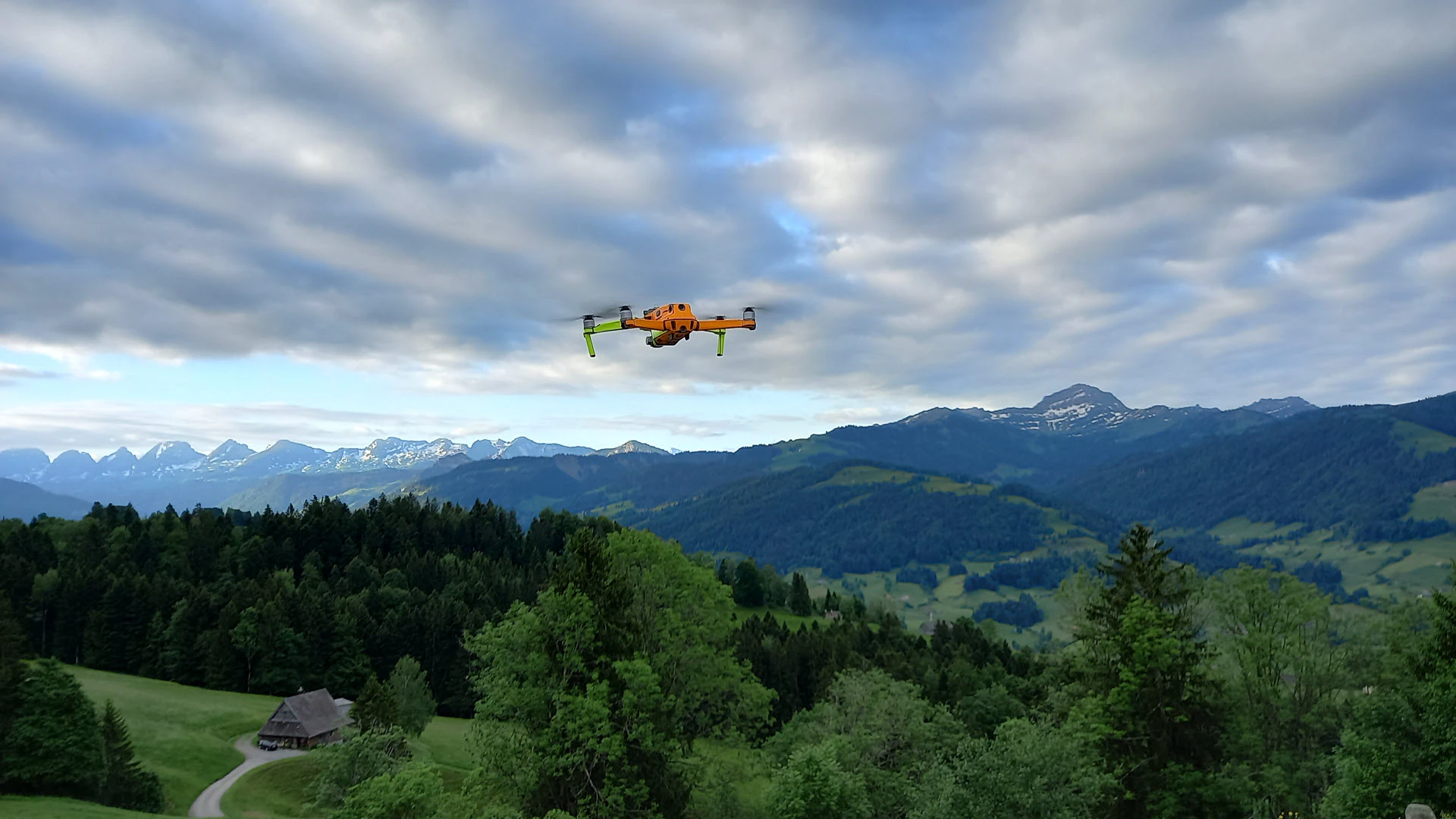
Drones to Find Lost Livestock in Summer Farming?
Further information is available in the following languages: German, French, Italian.
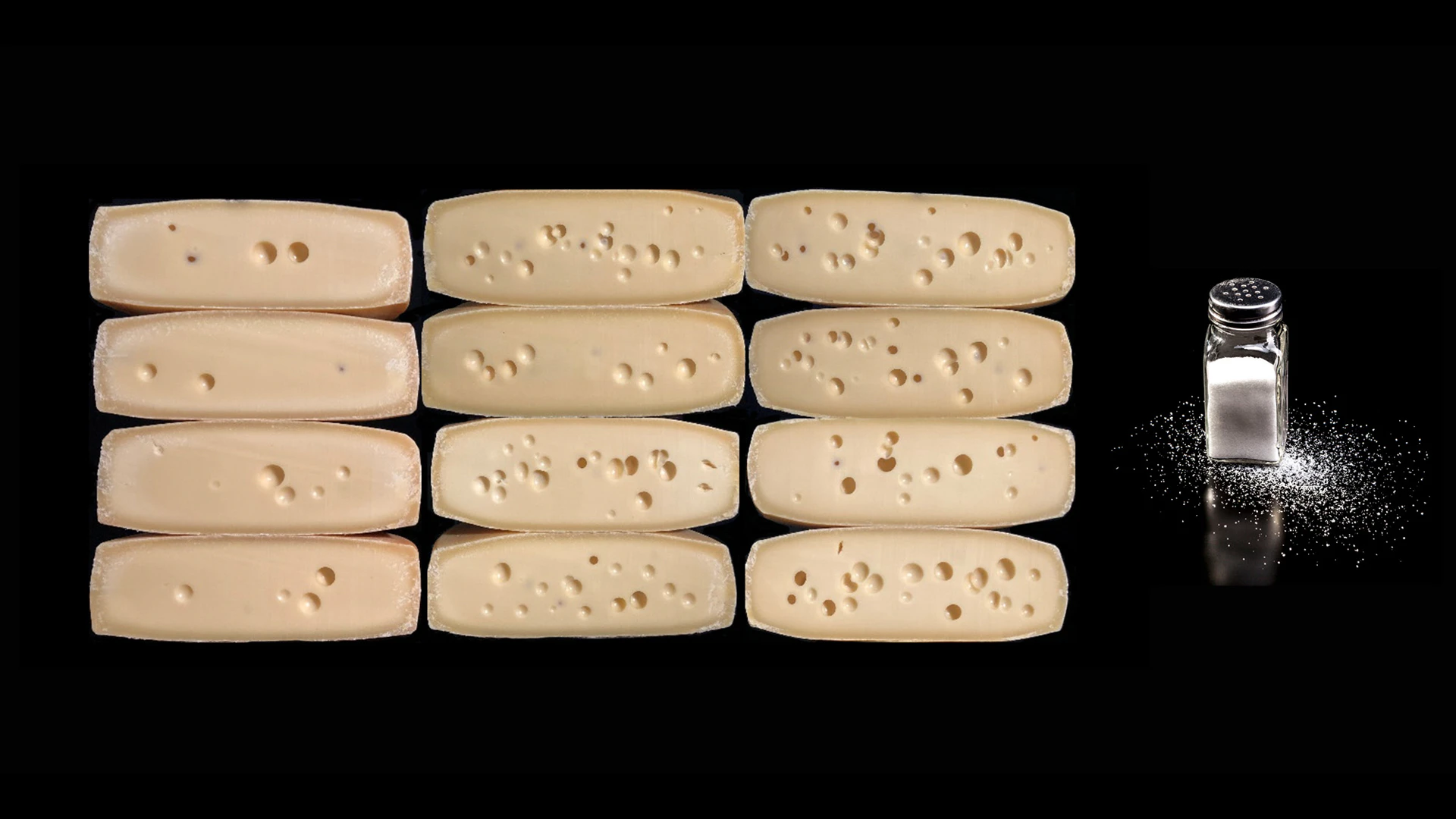
The Salt Dilemma with Emmentaler Cheese
Emmentaler PDO has a low-to-very-low salt content compared to other varieties of cheese. Agroscope researchers show how this came about, what sort of effects this has on sensory quality, and what can be done about this.
Automatic Milking in PDO Cheese Sectors: Between Tradition and Technology
A new study looks at the impacts of automatic milking systems on milk quality, its link to terroir, microbial biodiversity, social aspects and the image of PDO cheese.
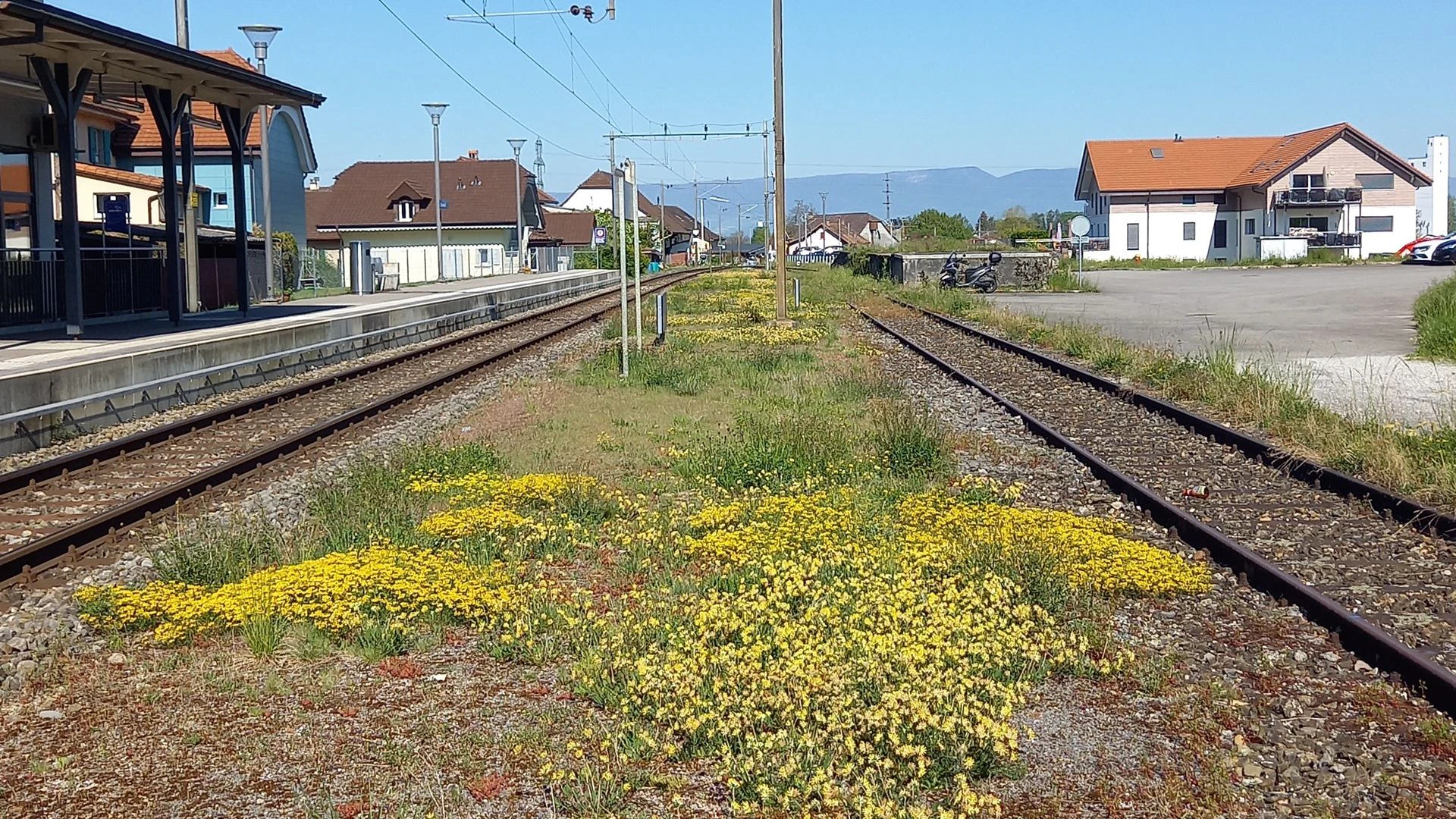
Targeted greening to control track-side vegetation
To reduce the use of herbicides to control track-side vegetation, the Swiss Federal Railways (SBB) commissioned Agroscope and HEPIA to develop a low-growing plant mix for the track area.
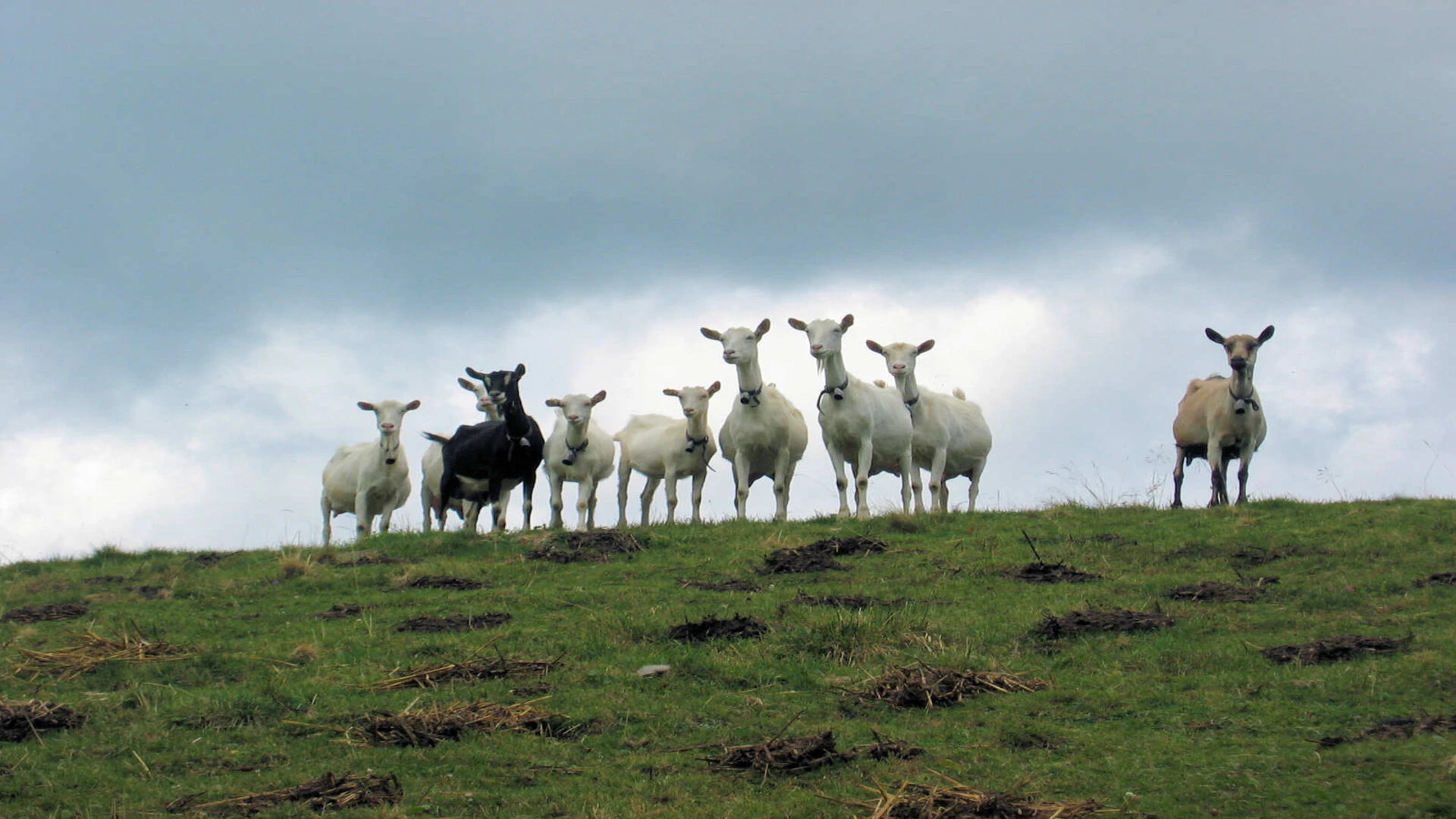
Goat Husbandry: Standard Values for Feed Intake and Nutrient Excretion Adjusted
Standard values for livestock feed intake and excretion are essential for proper farm fertilisation planning and assessment of the farm’s nutrient balance. Agroscope adjusted the standard values for goats with the aim of improving nutrient-flow assessment.
Current Suisse-Bilanz Tool as an Environmental Indicator: Good for Phosphorus, Unsuitable for Nitrogen
An Agroscope study shows that the Suisse-Bilanz nutrient-balance calculation tool could serve as an environmental indicator for sustainable nutrient use – but only for phosphorus, not for nitrogen.
Japanese Beetle: Update on Biology, Legal Bases and Control
In a new practice-oriented publication, Agroscope summarises all available information on the biology of the Japanese beetle as well as the legal bases. In addition, experts assess the threat to various crops and take a deeper dive into control measures.
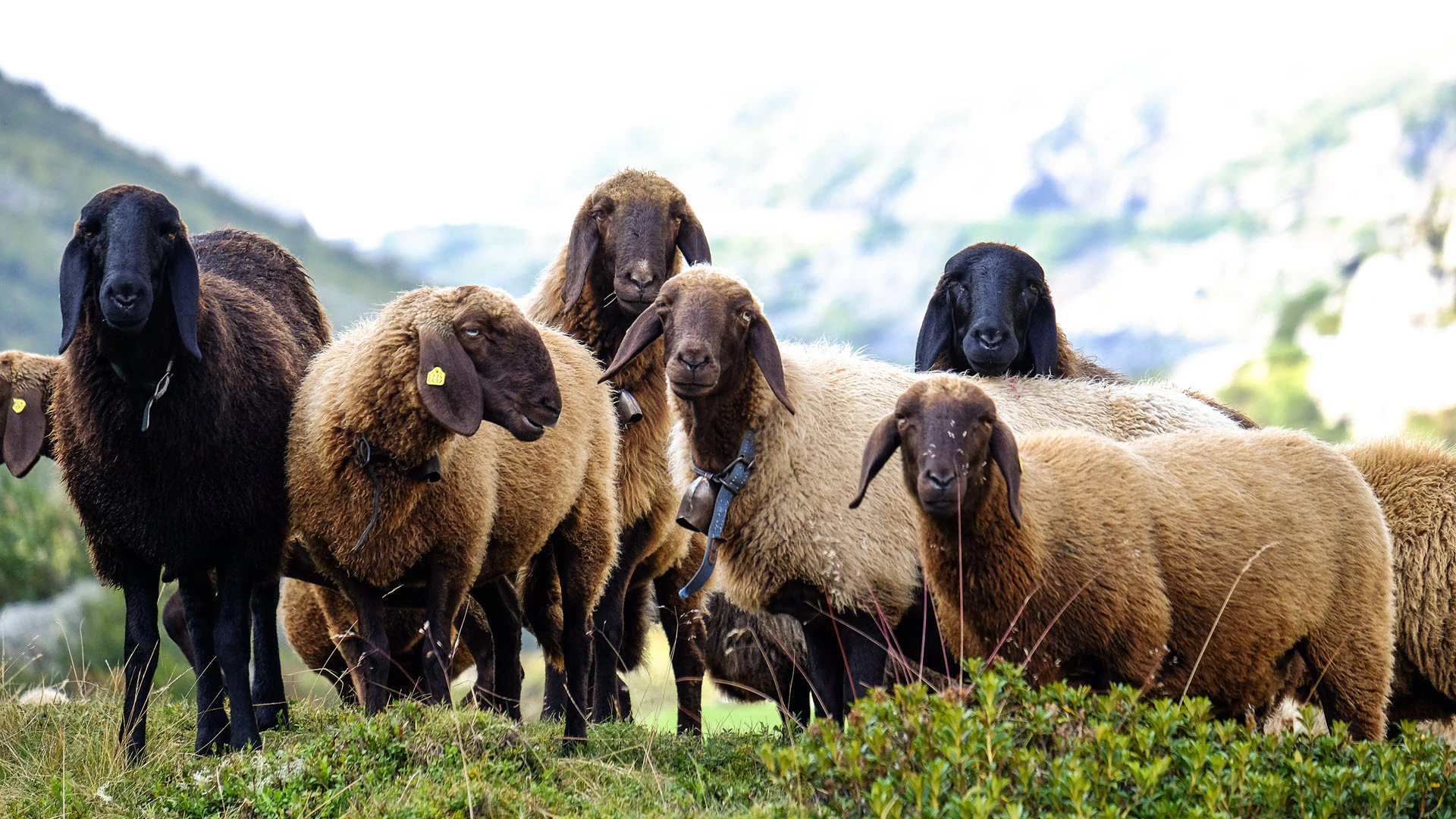
Sheep Husbandry: Feed Intake and Nutrient Excretion Guidelines Adjusted
Standard values for livestock feed intake and excretion are essential for proper farm fertilisation planning and assessment of the farm’s nutrient balance. Agroscope adjusted the standard values for sheep with the aim of improving nutrient-flow assessment.
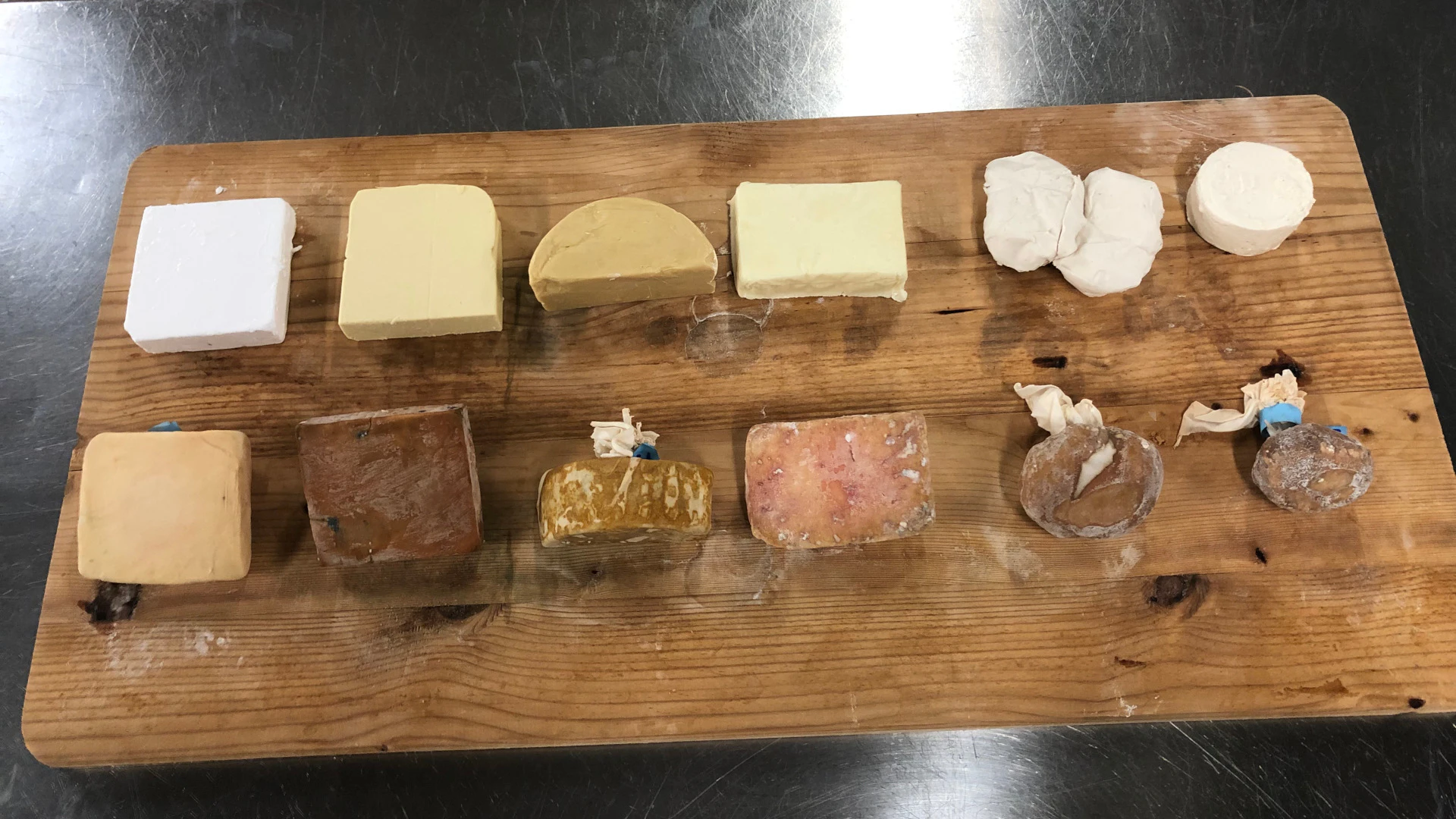
New Cheese Ripening Method Also Works for Vegan Cheese Alternatives
Further information is available in the following languages: German, French, Italian.
Agroscope’s Microorganism Collections – an Invisible Treasure
Agroscope harbours a treasure in the form of its microorganism collections. From fungi to cheese-culture bacteria by way of microalgae, these valuable resources drive research on behalf of a more sustainable agricultural sector.
Targeted Use of Soil Maps for Soil Samples, Field Classification and Fertilisation
New factsheets show how practitioners, extension workers and the enforcement sector can benefit from precise soil information.
Hereditary HIP Disease in Franches-Montagnes: Genetic Test Available
Further information is available in the following languages: German, French, Italian
Needs-based Fertilising of Plants
Targeted nitrogen fertilisation optimises yields while protecting the environment. A new Agroscope factsheet introduces site-specific fertilisation and gives an overview of the advantages, drawbacks and requirements of the main systems.
Trees Indicate Water Stress Online
Digitally monitored trees indicate when they need water, so the irrigation system only supplies water when necessary. According to a recently published article, this can help achieve water savings of up to 40%.
Establishment of a Swiss Plant Phenotyping Network
Forschende von Agroscope und der ETH Zürich entwickeln das Swiss Plant Phenotyping Network (SPPN), um die Analyse und Züchtung von Pflanzen durch Phänotypisierung zu verbessern.
Septoria Leaf-Spot Disease in Lavender Detected for First Time in Switzerland
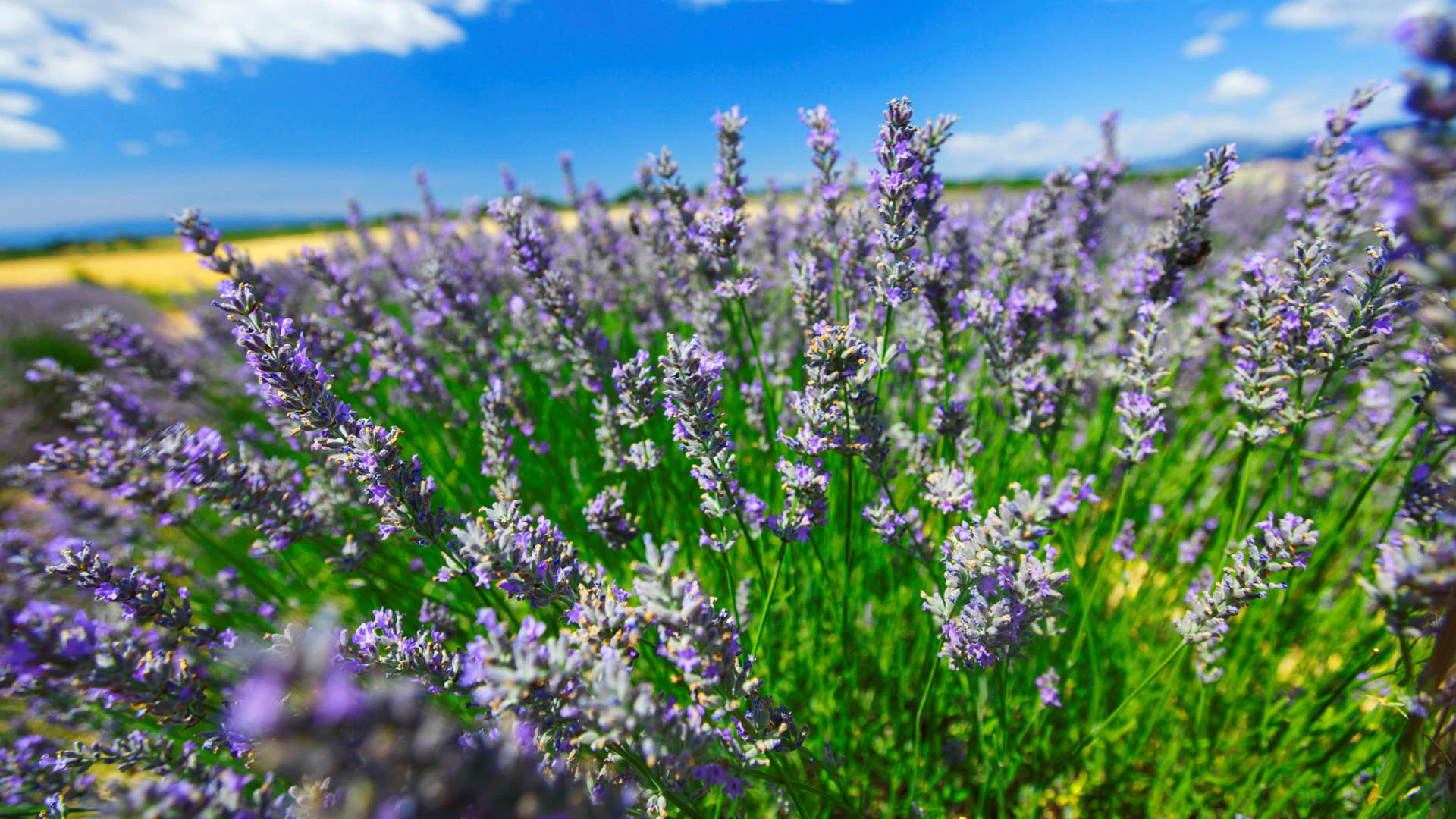
Following the first confirmed detection of Septoria leaf-spot disease in Switzerland, Agroscope has published an information sheet to explain the symptoms on lavandin (hybrid lavender) and true lavender and to highlight control options.
Viticulture Research in German-Speaking Switzerland: an Anniversary and New Projects
On the occasion of the 175th anniversary of grape breeder Hermann Müller-Thurgau's birth, Agroscope presents an anecdote and two current Agroscope projects.
Schweizer Orangenapfel: Swiss Fruit Variety of the Year 2025 bred by Agroscope
Juicy, refreshing flesh, a tasty flavour and good keeping qualities are the hallmarks of the Schweizer Orangenapfel. Seventy years after the introduction of this orange pippin-style apple, it has been named Swiss Fruit Variety of the Year 2025.
WASTEWISE: A Decisive Step in Combating Food Waste
The new EU-funded project ‘WASTEWISE’ aims to make a contribution to reducing food waste in both Switzerland and Europe. Agroscope supports the project by compiling detailed data, calculating the environmental impact of losses and waste, and examining the nutritional factors.
Initial Experiences of Wet-Rice Pioneers
Waterlogged land is a problem for agriculture in Switzerland. One solution could be wet-rice farming. In a video, agricultural practitioners with experience in wet-rice farming speak about this subject.
Strategies and Herbicides to Control Weeds in Vegetable Growing?
Further information is available in the following languages: German, French.
Rake or Hay Blower – It Makes No Difference for the Vegetation
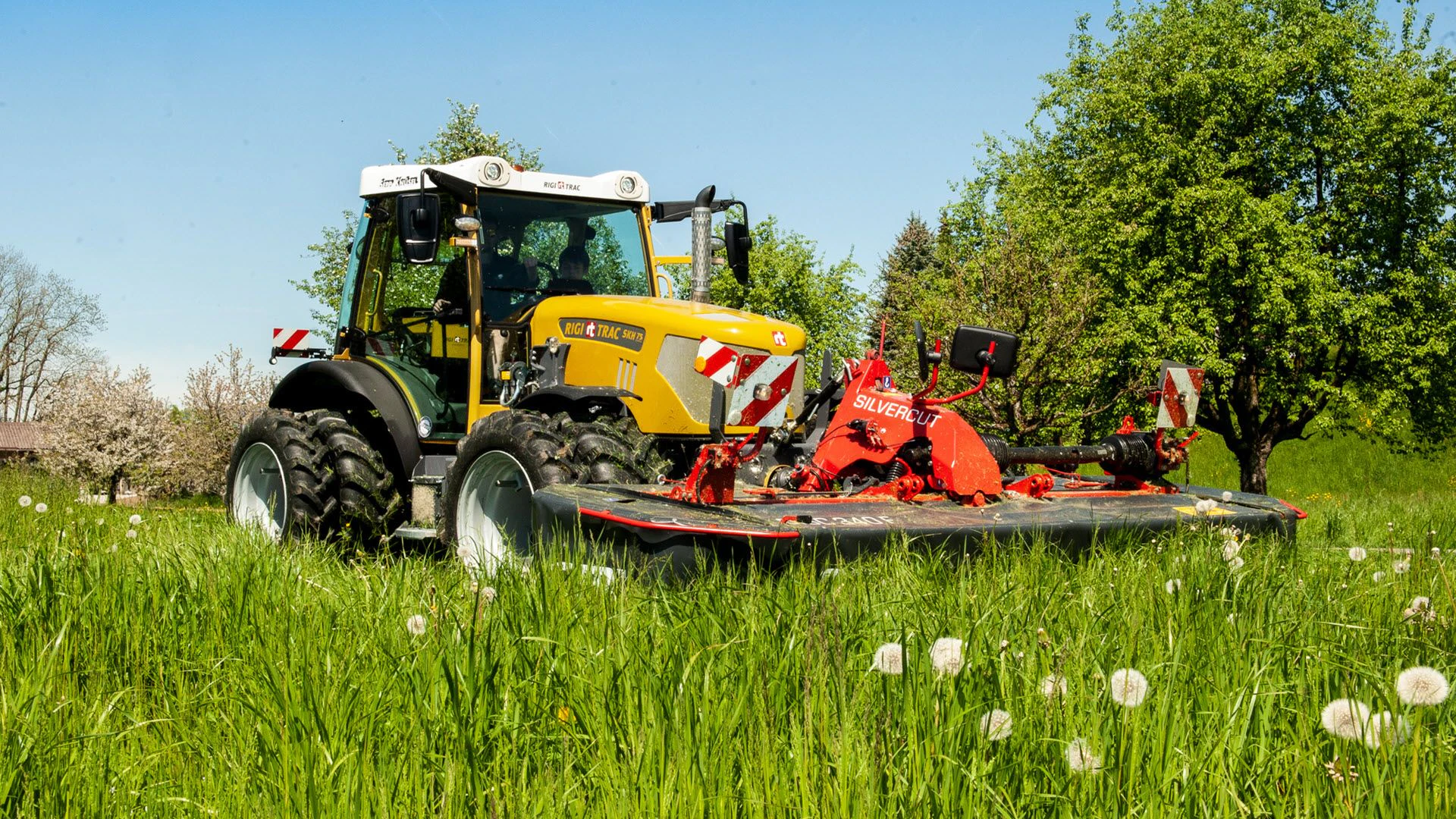
The rake is increasingly being replaced by the hay blower for the hay harvest on mountain pastures. A long-term trial conducted by Agroscope researchers provided no evidence of any significant effects on vegetation of this management trend.
SRF-Einstein looks behind the scenes of Swiss cheese production
What makes Swiss cheese so unique? In its 9 January 2025 broadcast, the Swiss media company SRF’s science programme ‘Einstein’ explores this question, explaining the important role played by bacteria. In addition to a closer look at our bacteria collection, laboratories and culture production, there is a cheese test in our research dairy.
How Does Soil Health Affect Plant Productivity?
A team of international researchers has conducted a pan-European study to investigate the links between soil health and plant productivity in woodlands, grasslands and croplands. The results show that soil health is a particularly important factor in agricultural land.

_1920x1080.jpg?w=1920&auto=format)