Research programmes at a glance
The 2026-2029 Work Programme encompasses 42 research programmes.
01 - Food policy, trends and markets – decision-making bases for a more sustainable food system and a healthy diet
To identify long-term nutritional trends and evaluate their effects on sustainability and health. To identify levers to influence dietary behaviour. To create decision-making bases and recommendations for measures designed to make the food system more sustainable.
02 - Agricultural, environmental and trade policy measures – assessments and structuring at farm, sector and product level
To identify long-term nutritional trends and evaluate their effects on sustainability and health.
03 - Scenarios for site-adapted agricultural practices and estimation of their impacts
To develop scenarios for agricultural practices adapted to local conditions (arable / livestock / speciality crops) and assess their agronomic, ecological and economic impacts in a spatially explicit manner that takes account of the needs of the food sector.
04 - Transformation of the Swiss agricultural sector: current state, target state, success factors
To analyse, describe and model socio-economic transformation in the agricultural sector and its determinants.
05 - Prospects for milk, dairy products and cheese
Swiss milk production and processing should be positioned on a sustainable, competitive and high-quality footing for the future.
06 - New food products and technologies = new value added for agriculture
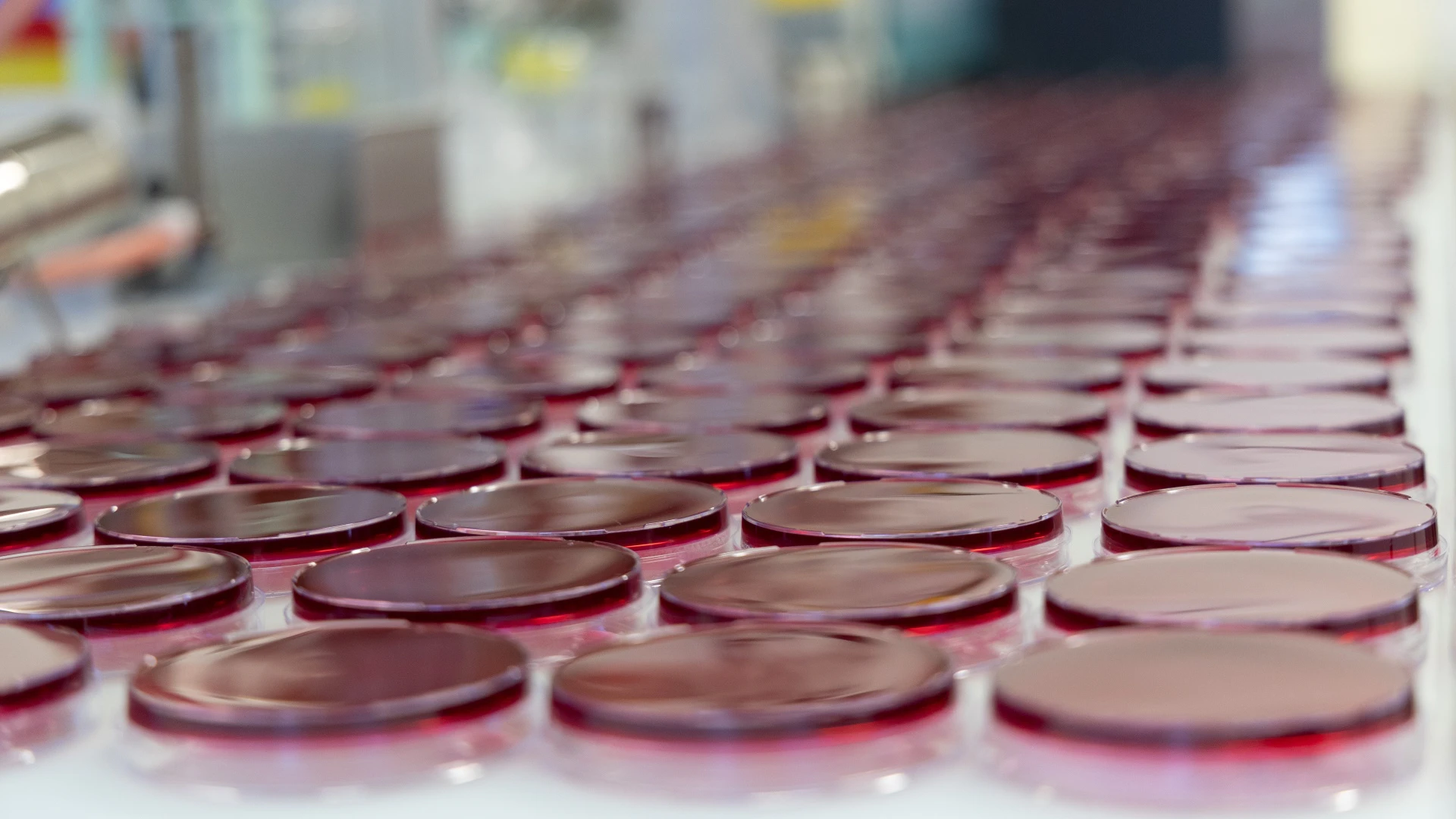
To develop novel and/or processed healthy foods with increased value added for agriculture using microbial fermentation processes.
07 - Sustainable wine
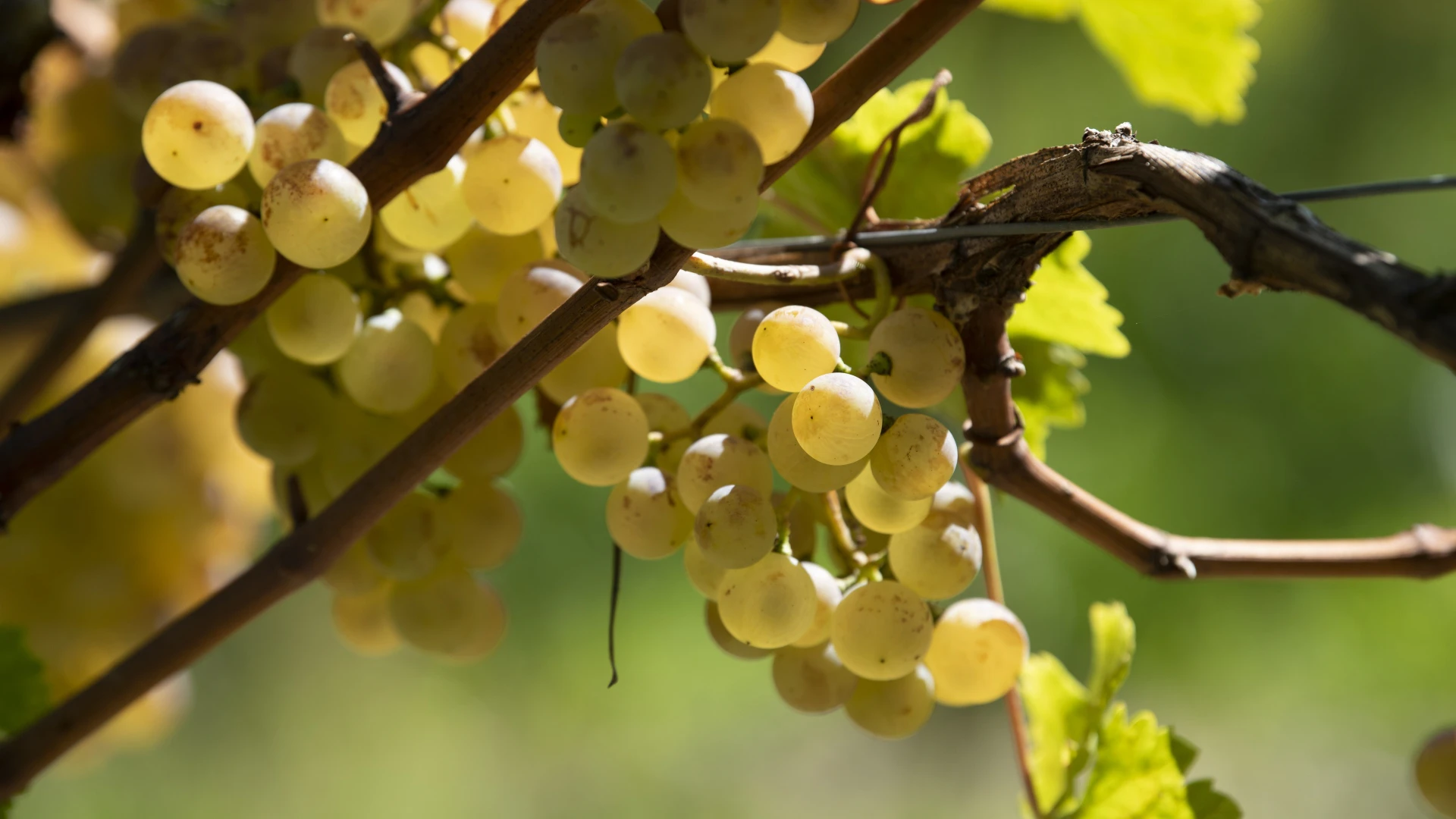
To mitigate the environmental impacts of Swiss winegrowing, the sector needs to be structured in a far more sustainable way and adapted to climate change, while at least retaining its market share.
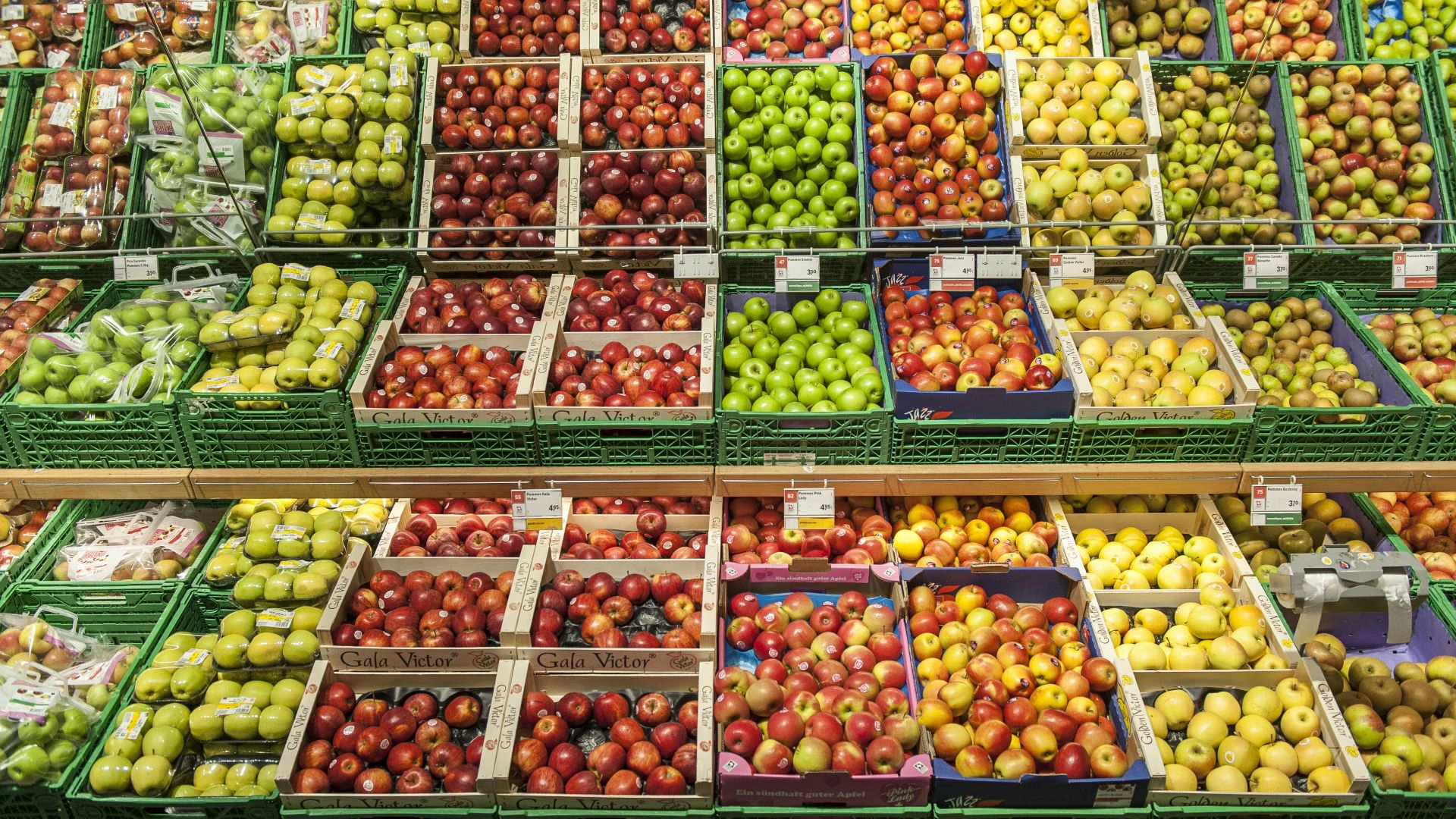
08 - Fruit and berry cultivation
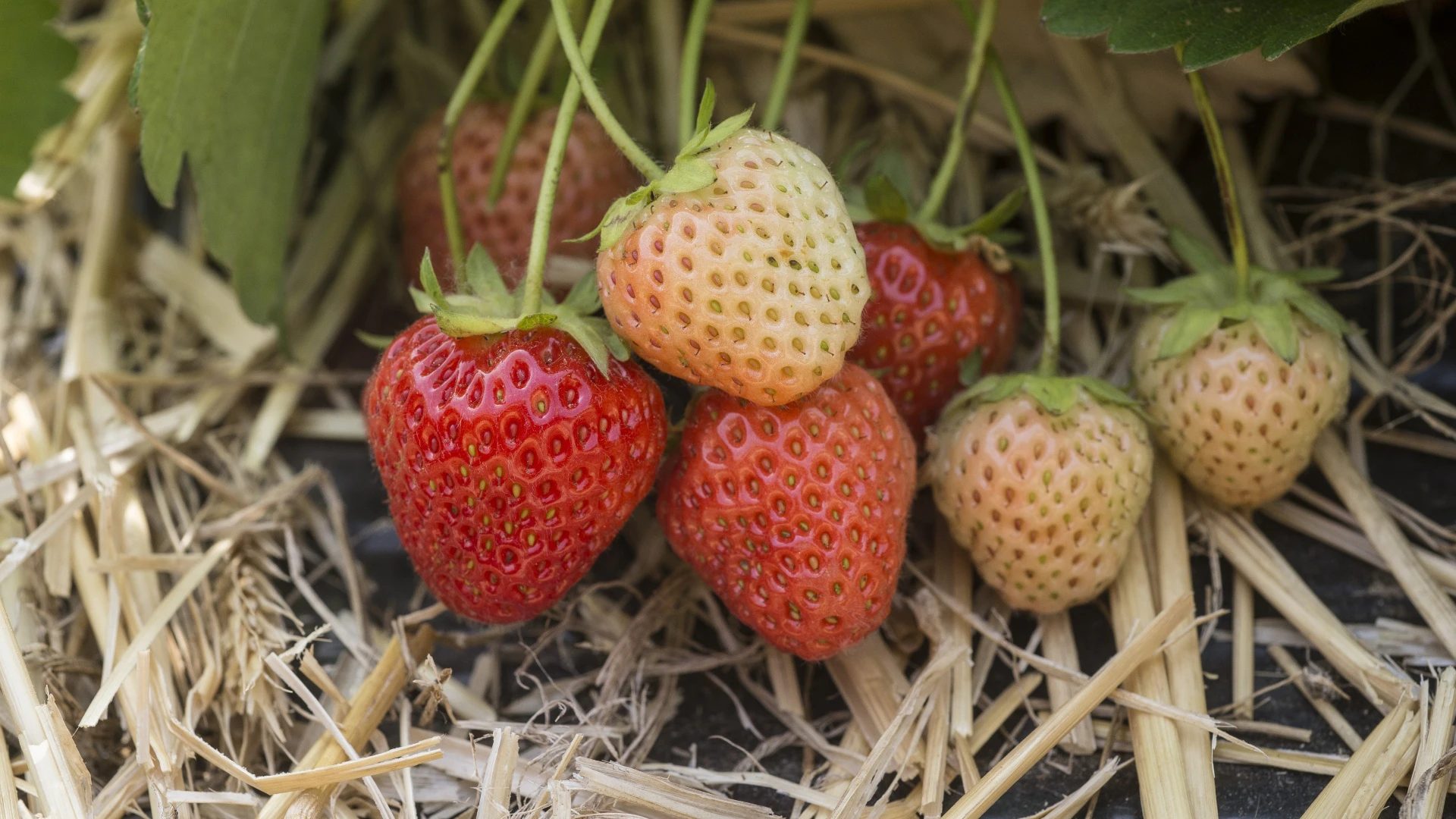
To maintain the competitiveness of the Swiss fruit-growing sector by creating commercially attractive, high-quality products even under changing climate conditions. At the same time, minimise the negative environmental impacts of PPPs,...
09 - Aromatic and medicinal plants
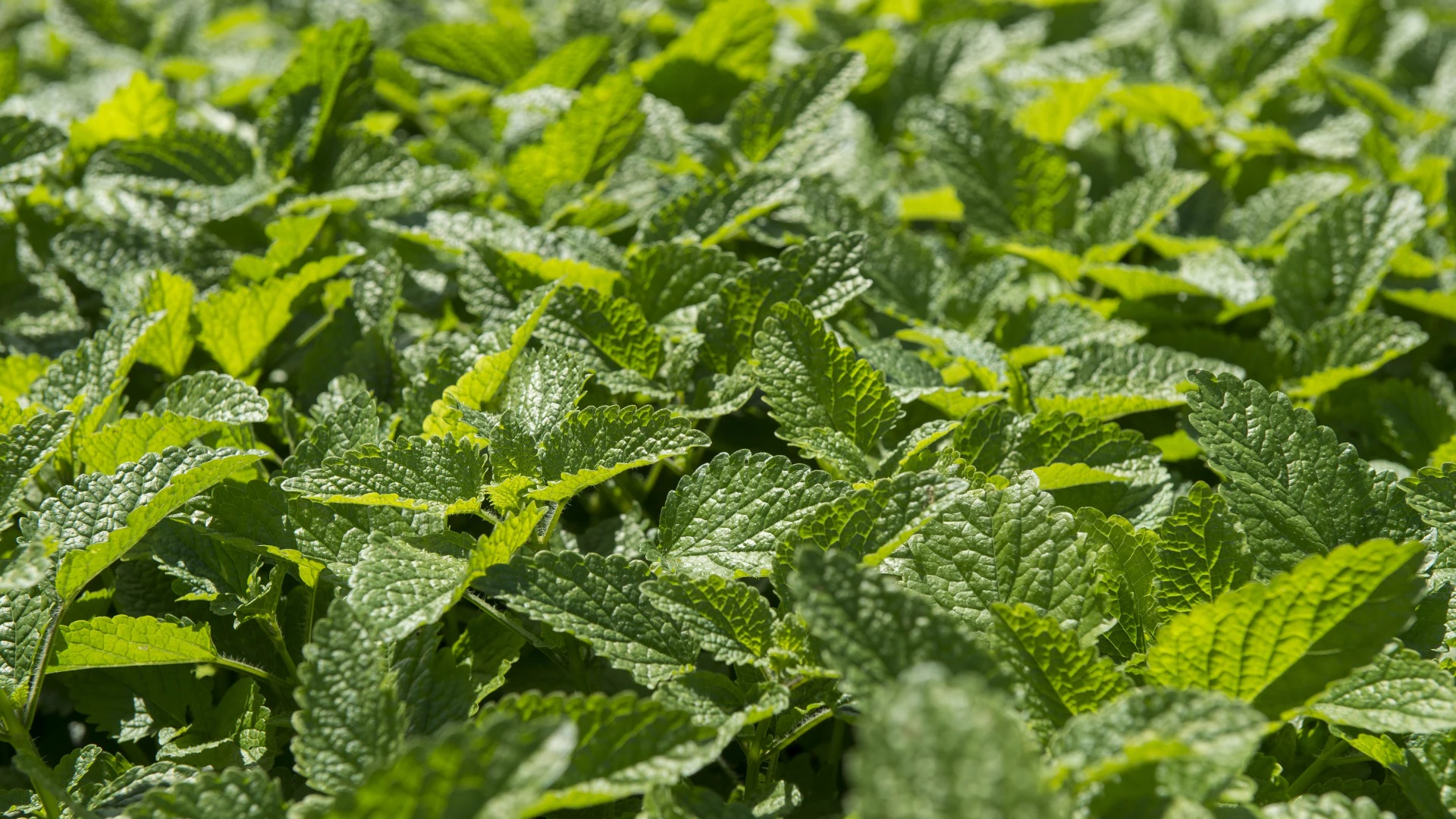
The main goal is to maintain or increase the competitiveness of Swiss aromatic plant production by producing high-quality, original and marketable (for the retailer) aromatic plants. Innovative production systems that are practically feasible and ensure yield stability, product quality and sustainability are expected to be developed.
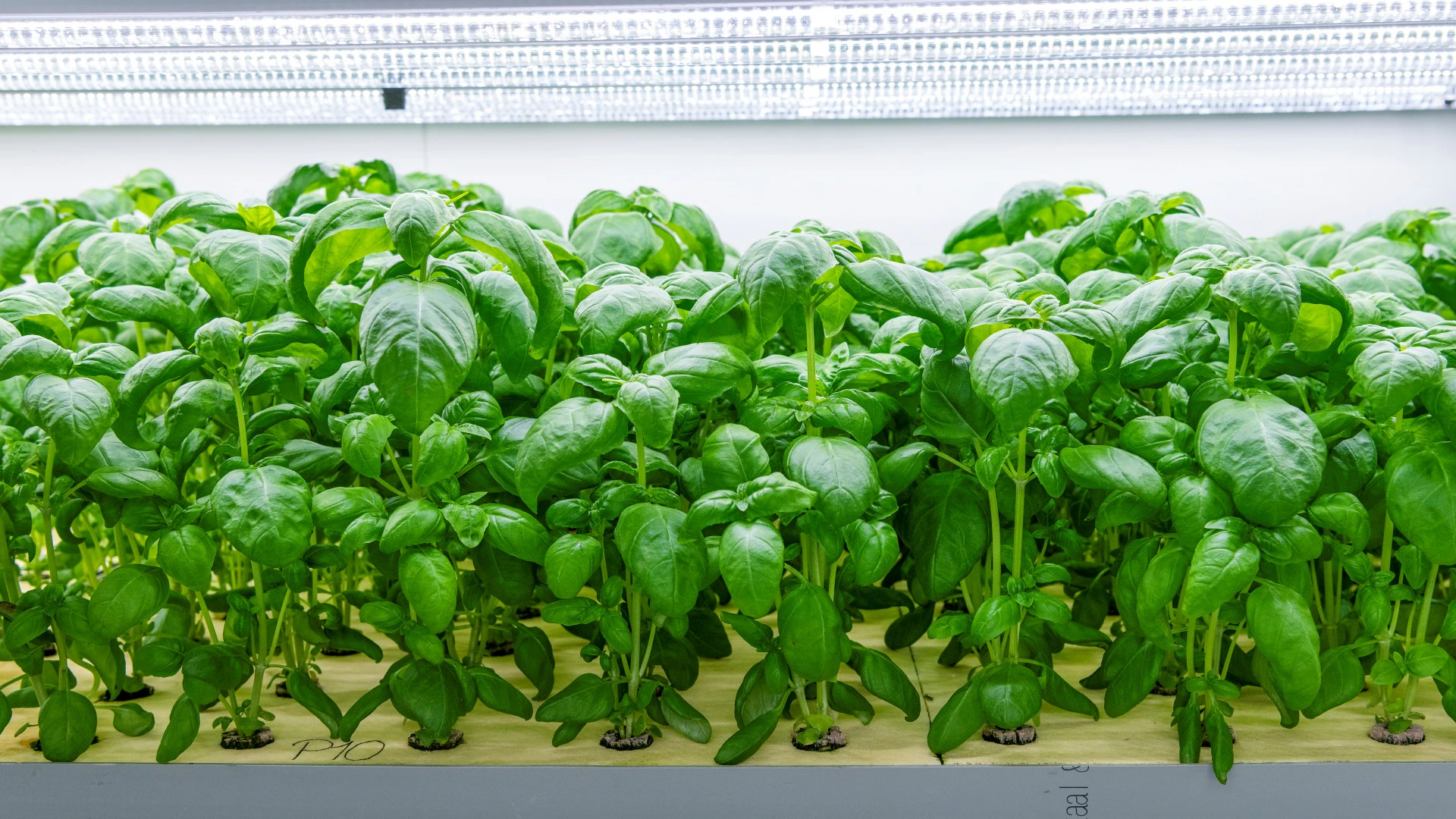
10 - Vertical farming / urban farming (food production outside agriculture)
The aim is to explore and develop the potential of urban production systems. Opportunities and limitations of urban production systems are to be investigated in terms of productivity and energy requirement for lighting and air conditioning. Current production systems should be evaluated, optimised and further promoted. The urban population should be involved in the shift to a sustainable food system.
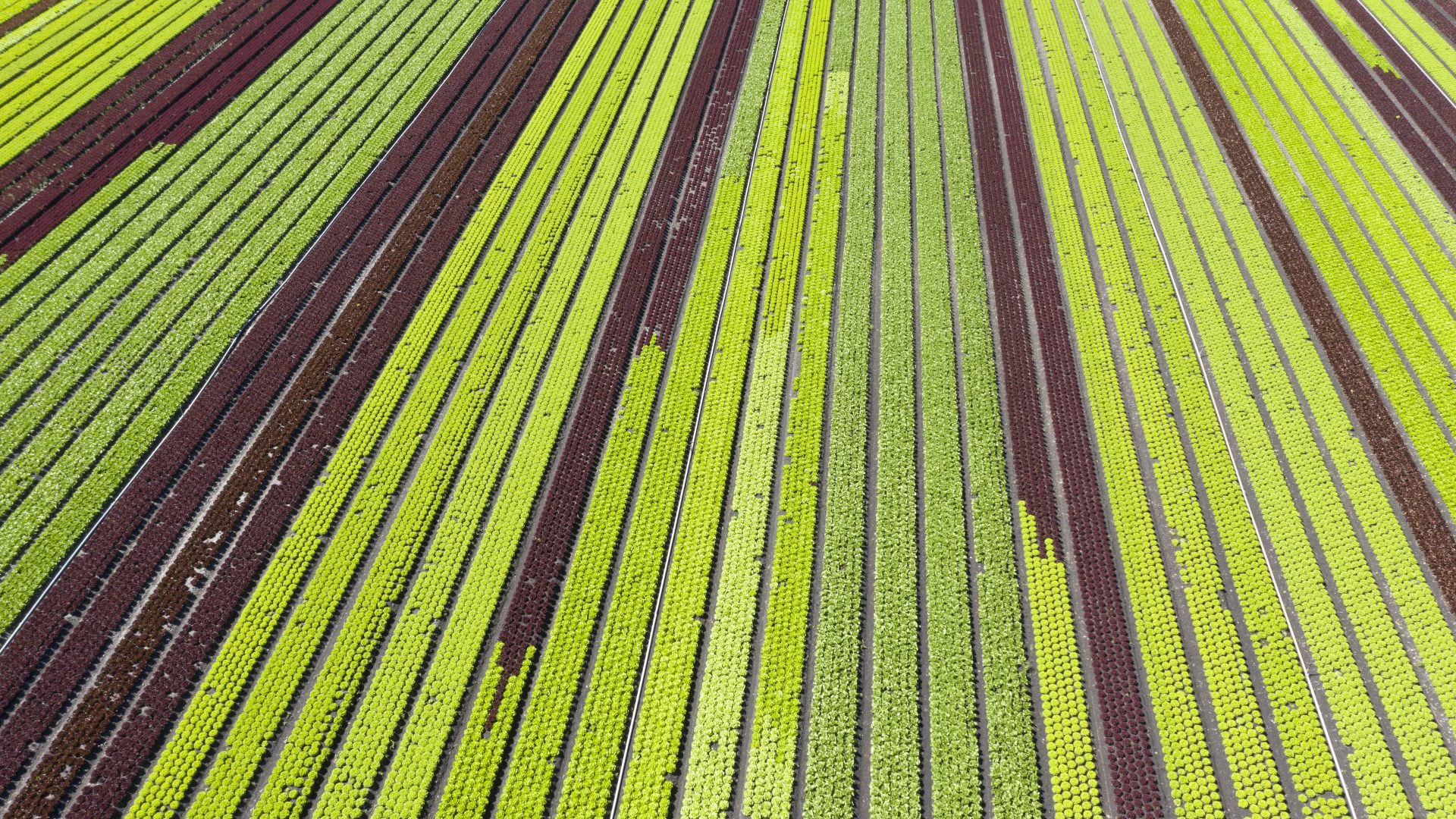
11 - Vegetable production
The main aim is to retain the competitiveness of businesses in the Swiss vegetable sector by ensuring that they continue to produce competitive, high-quality products in the future. At the same time, the negative environmental impacts of PPPs, nutrient surpluses and greenhouse gas emissions should be minimised, and the natural resources water and soil should be protected and preserved for future generations. Cropping systems and crop protection strategies that are directly applicable to practise are expected to be developed. This will make a valuable contribution to self-sufficiency and a healthy diet.
12 - Alternative crops for plant production and the creation of new value chains
To harness the potential in crop production for direct human consumption by determining the agronomic suitability of underrepresented, resilient and nutritionally valuable field and speciality crops with potential for incorporating into existing crop rotations and cultivation systems, and (depending on the crop) further processing, and establishing new value chains in Switzerland.
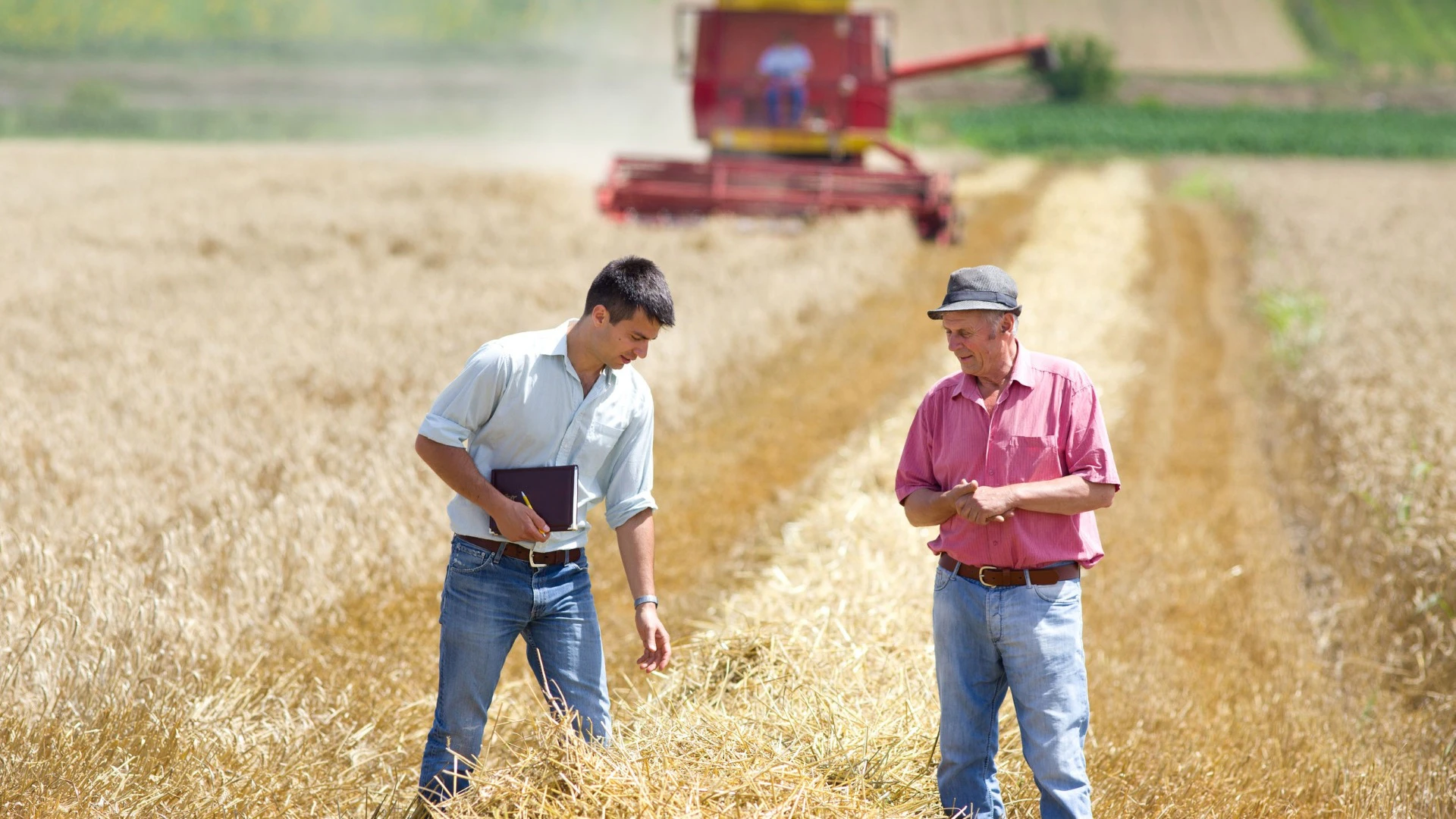
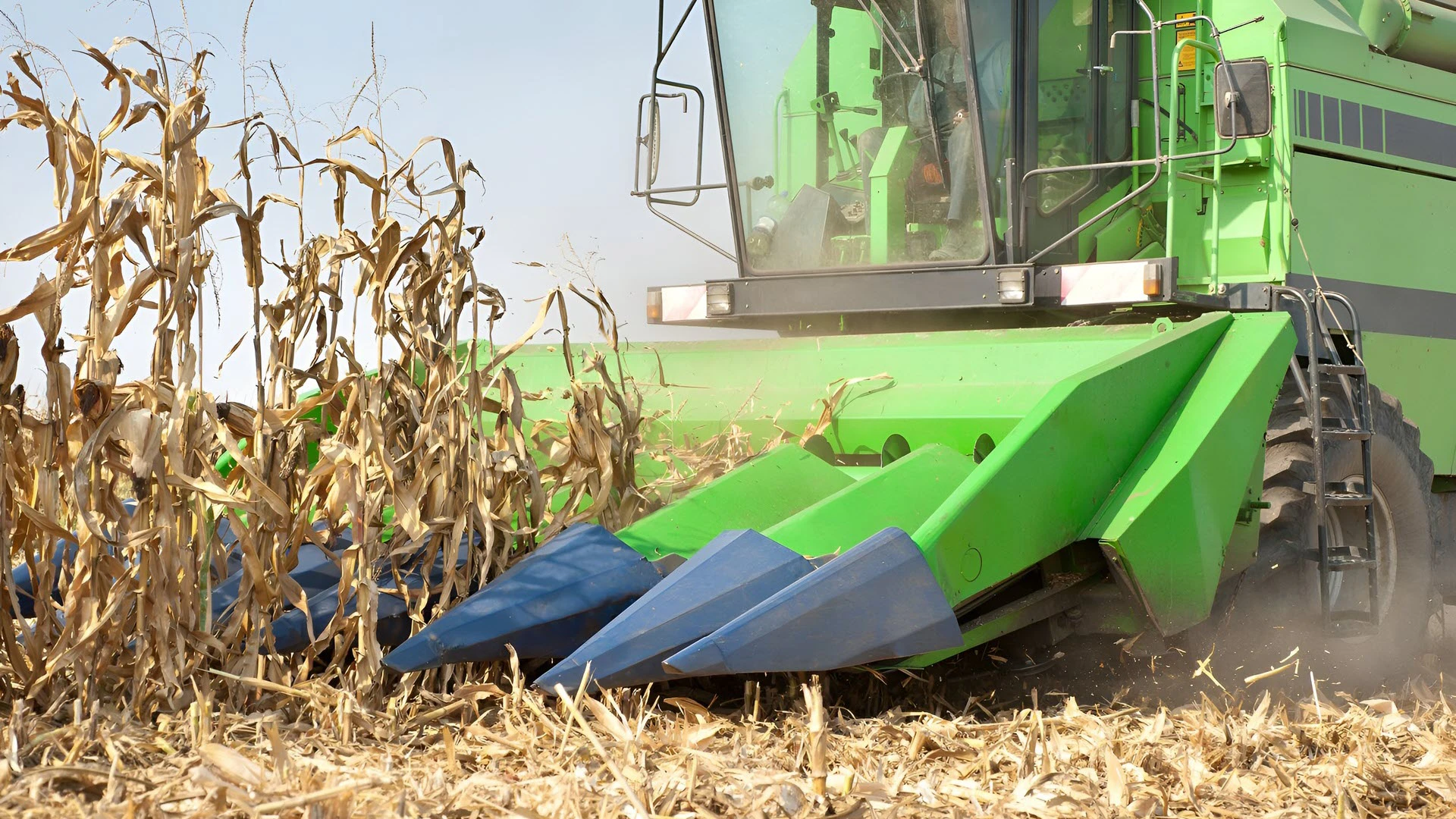
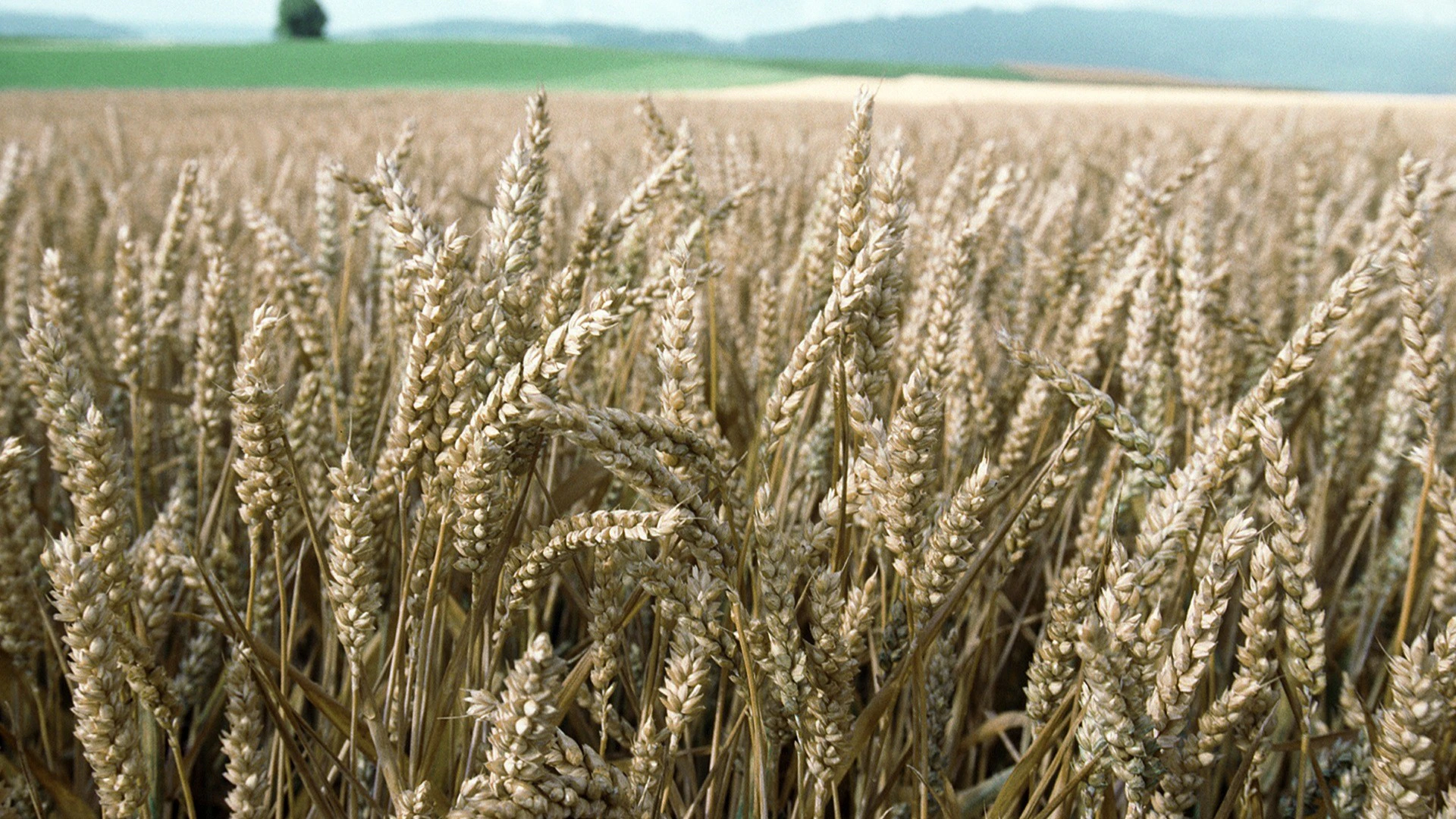
13 - Field crops (food/feed/forage)
The main aim is to enable resource-efficient, site-adapted plant production which retains the competitiveness of farms in the Swiss field crop and forage production sector by ensuring that they continue to produce competitive, high-quality products in the future. At the same time, the negative environmental impacts of PPPs, nutrient surpluses and greenhouse gas emissions should be minimised, biodiversity should be promoted, and the natural resources water and soil should be protected and preserved for future generations. Varieties, cropping systems and crop protection strategies that are directly applicable to practice are expected to be developed.
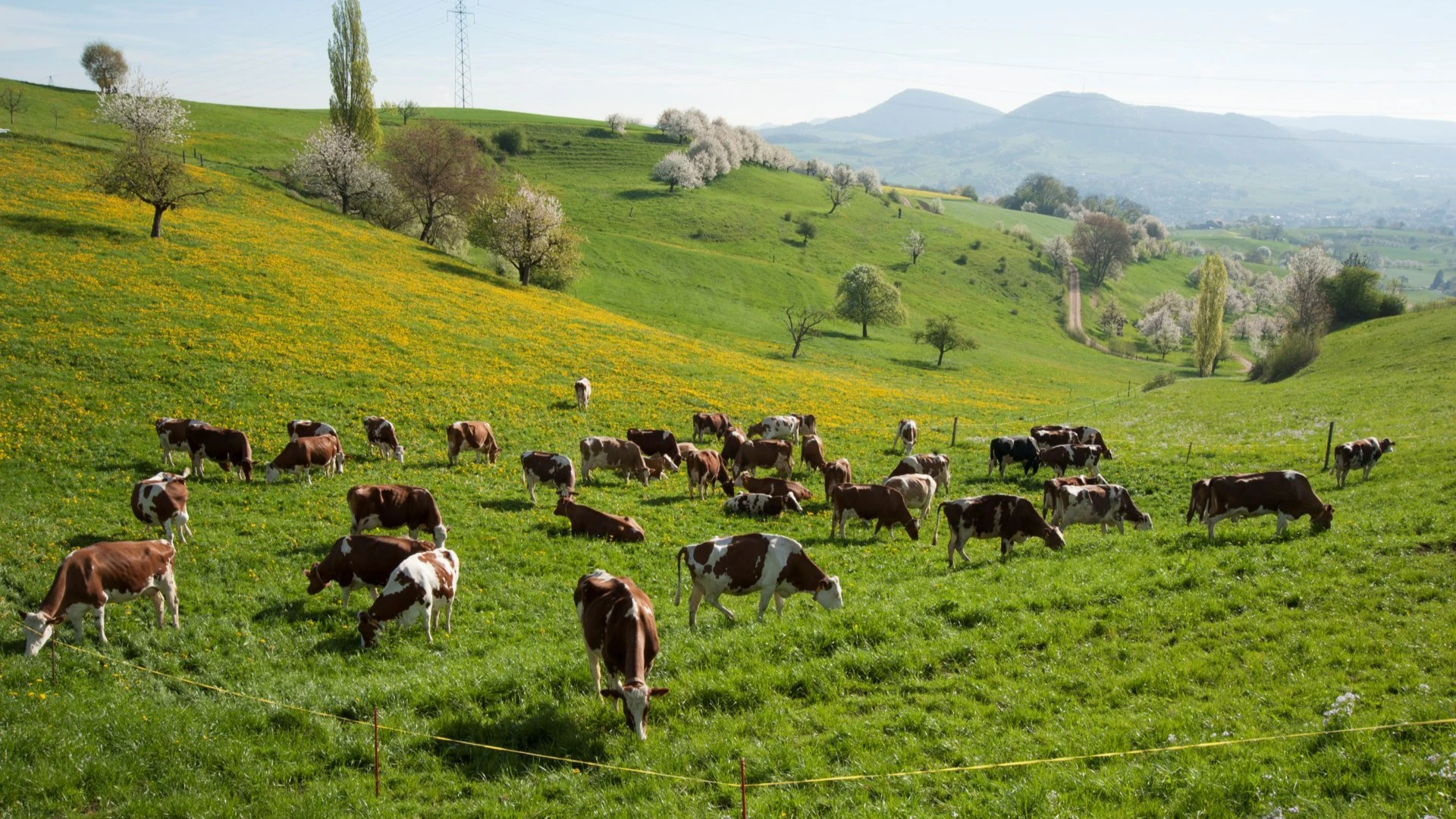
14 - Multifunctional approach to grassland use
The main aim is to ensure resource-efficient, site-adapted and sustainable livestock production based on permanent grassland. This calls for the development of resilient, site-adapted management options for integrated productions systems in permanent grassland which maximise ecosystem services and multifunctionality, ensure animal health and welfare, and are adapted to future conditions (e.g. climate change).
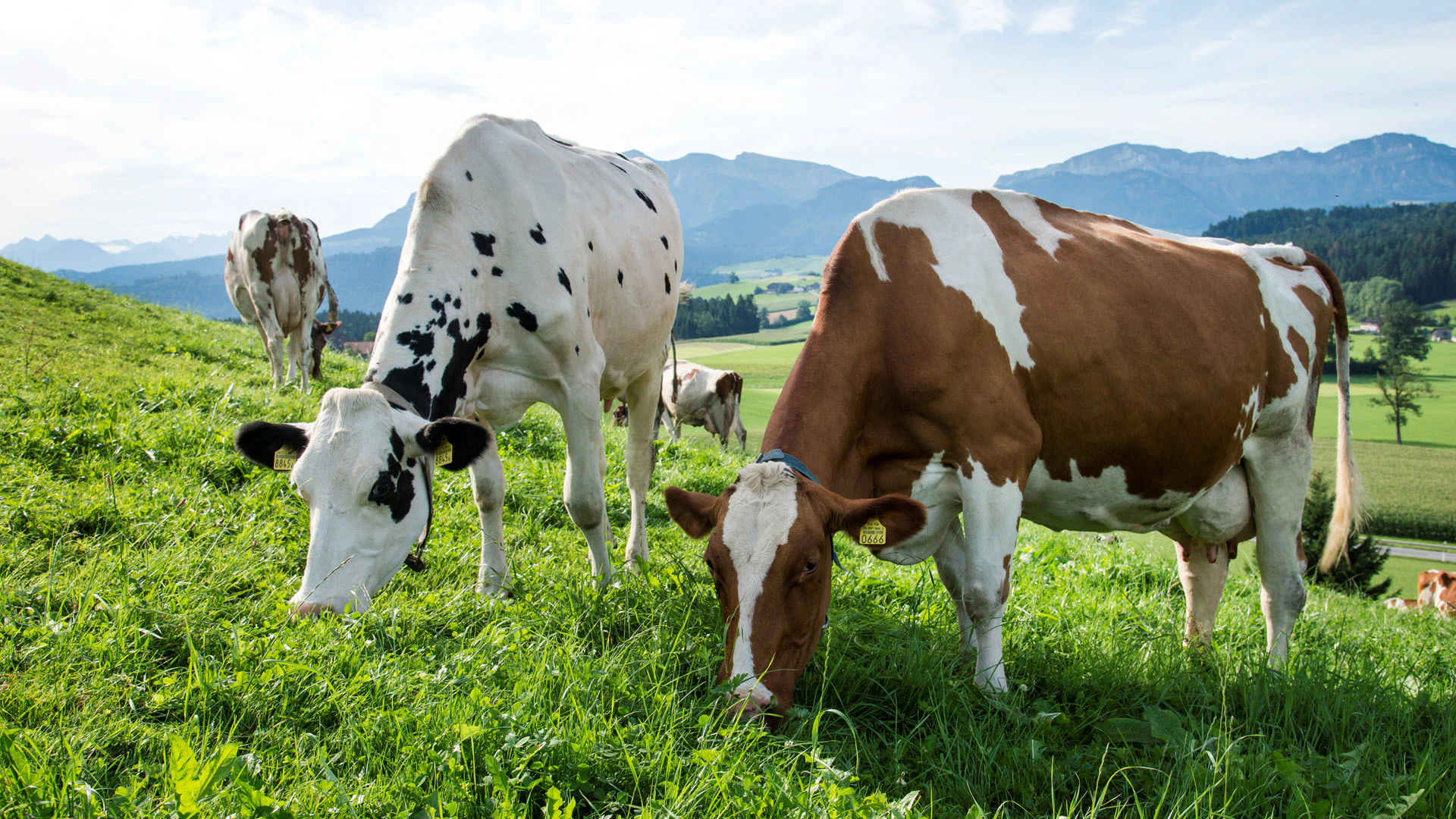
15 - Sustainable, grassland-based ruminant production for high-quality products
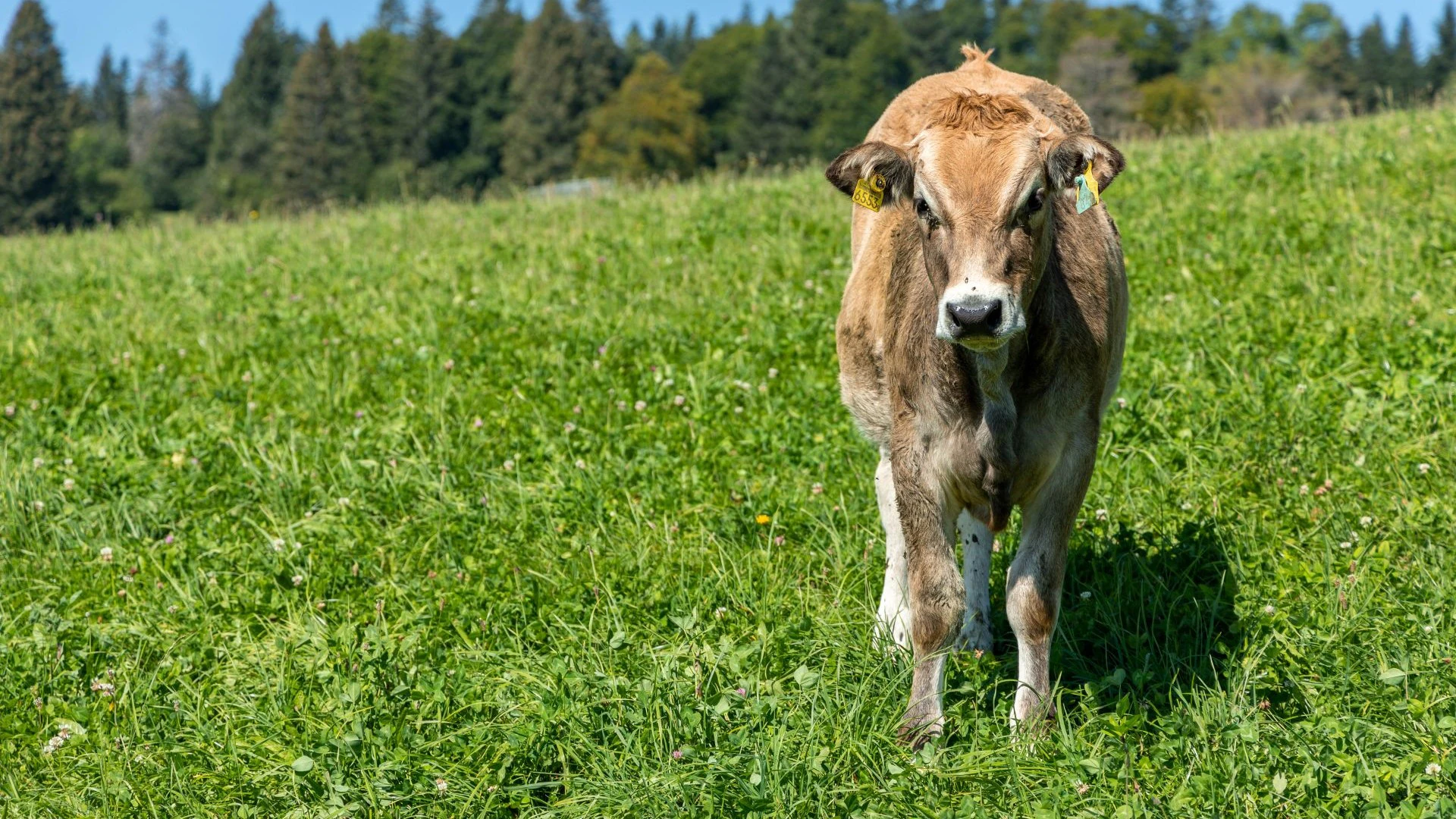
Resource-efficient, site-adapted and sustainable production systems for small and large ruminants with low environmental impacts, taking into account productivity, animal health and welfare.
16 - Sustainable pig and poultry production
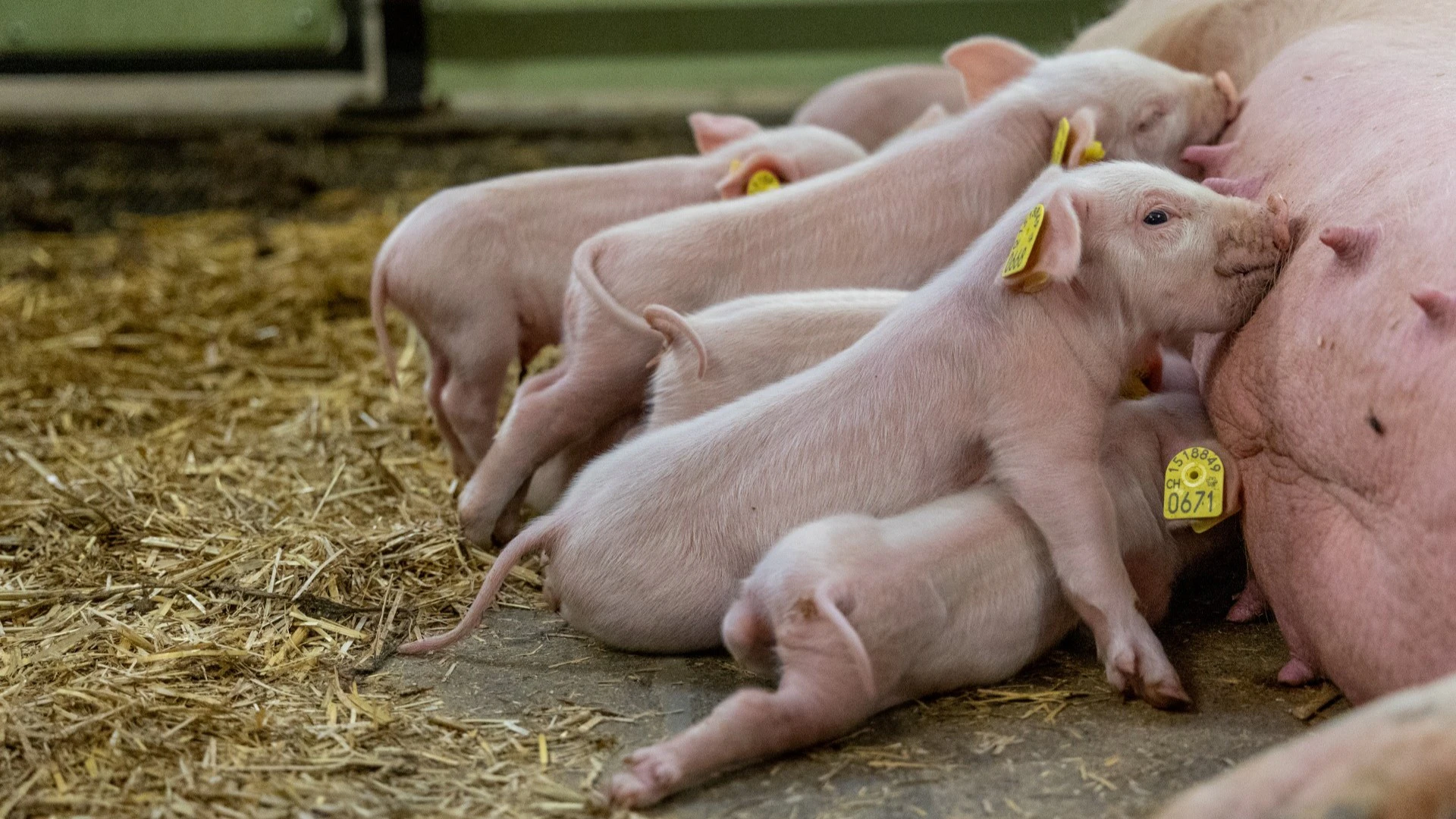
To further develop pig and poultry production systems in terms of sustainability (environmental impacts on soil, water, air and biodiversity), human and animal health (health and mortality of animals, antibiotic-resistant germs), animal welfare and product quality. This supports the development of resource-efficient, site-adapted and sustainable livestock production.
17 - Sustainable and multifunctional keeping, use and breeding of horses
To increase the agricultural profitability and value added of horses while taking account of animal health and the impact on the environment. Horse breeding should focus primarily on animal health (incl. reproduction) and the preservation of the Freiburger breed. The National Stud should fulfil its legal enforcement tasks as efficiently and effectively as possible. Knowledge sharing serves as an essential link between basic and applied equine research and the sector.
18 - Healthy bees for effective pollination
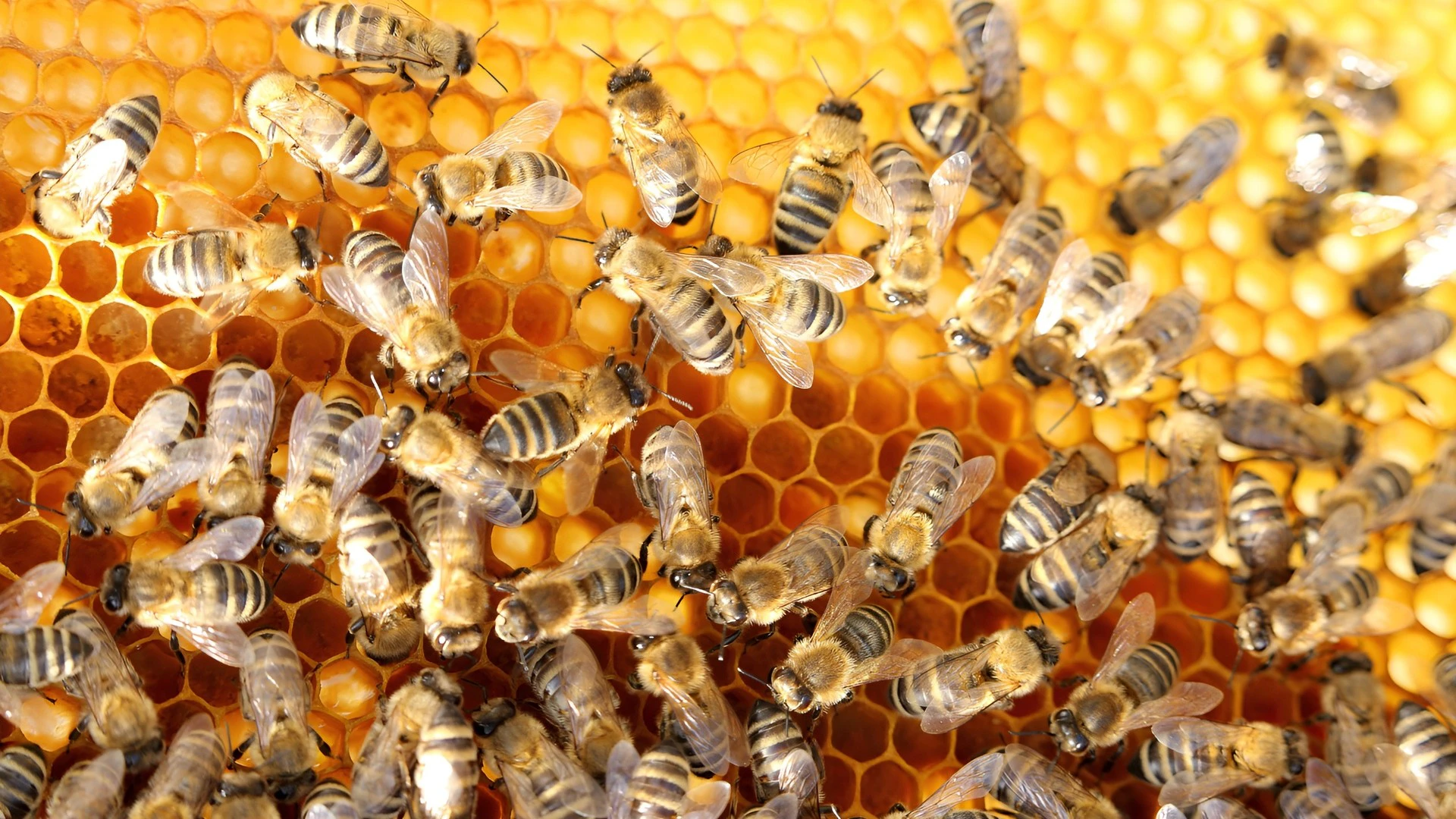
To establish scientific principles for improving the rearing conditions of honey bees so that beekeeping remains an attractive occupation and a sufficient number of health honey bee colonies can be kept in a healthy environment. To establish scientific principles which contribute to the development of an effective and efficient agricultural policy and practical measures to protect and support wild and honey bees and their pollination services.
19 - Agroecological production systems for plant production
Agroscope works with various stakeholders to develop production systems for resource-efficient and site-adapted crop production spanning the entire crop rotation or farm, defines the elements of agroecology and verifies their practical feasibility. These production systems should contribute to achieving the objectives of food security, the 2050 climate and food strategy, the reduction paths and the environment by exploiting the potential of crop production for direct human consumption.
20 - Landscape connectivity (local, regional) – impacts of agriculture on the landscape
To understand the interactions between different habitats and land uses as a basis for devising solutions and courses of action for optimised land use (desired ecosystem services).
21 - Nutrient reduction pathway: sustainable use of nutrients in the Swiss agricultural system
Through effective, integrated communication with as many stakeholders as possible, to provide scientific guidance and support to decision makers, advisors and ultimately farms in order to reduce nutrient losses and thus achieve the goals of the reduction pathway. The evaluation and further development of nutrient balancing, regional modelling and economic and sustainability impact assessments will be a major part of this.
22 - Plant protection product reduction pathway: basis for sustainably reducing the risks from plant protection products and its application to farm practice and agricultural policy
To develop scientific principles and identify courses of action and solutions for agricultural policy and practice for sustainably reducing the risks of PPPs, and to verify the effects of the measures across crops.
23 - Conserving and supporting biodiversity and its benefits for agriculture
To optimise and (further) develop measures to support biodiversity and its ecosystem services and associated benefits for agriculture.
24 - Climate strategy: mitigation of GHG emissions and co-benefits of adaptation / contribution of agriculture to climate goals
To provide the agricultural sector with tools and highlight paths that enable it to achieve climate strategy targets. Authorities, agencies and other stakeholders have access to better data which enables them to objectively evaluate progress in implementing the climate strategy at national level and to formulate concrete targets post 2030. The Swiss agricultural sector is supported in implementing GHG mitigation measures.
25 - Efficient use of water
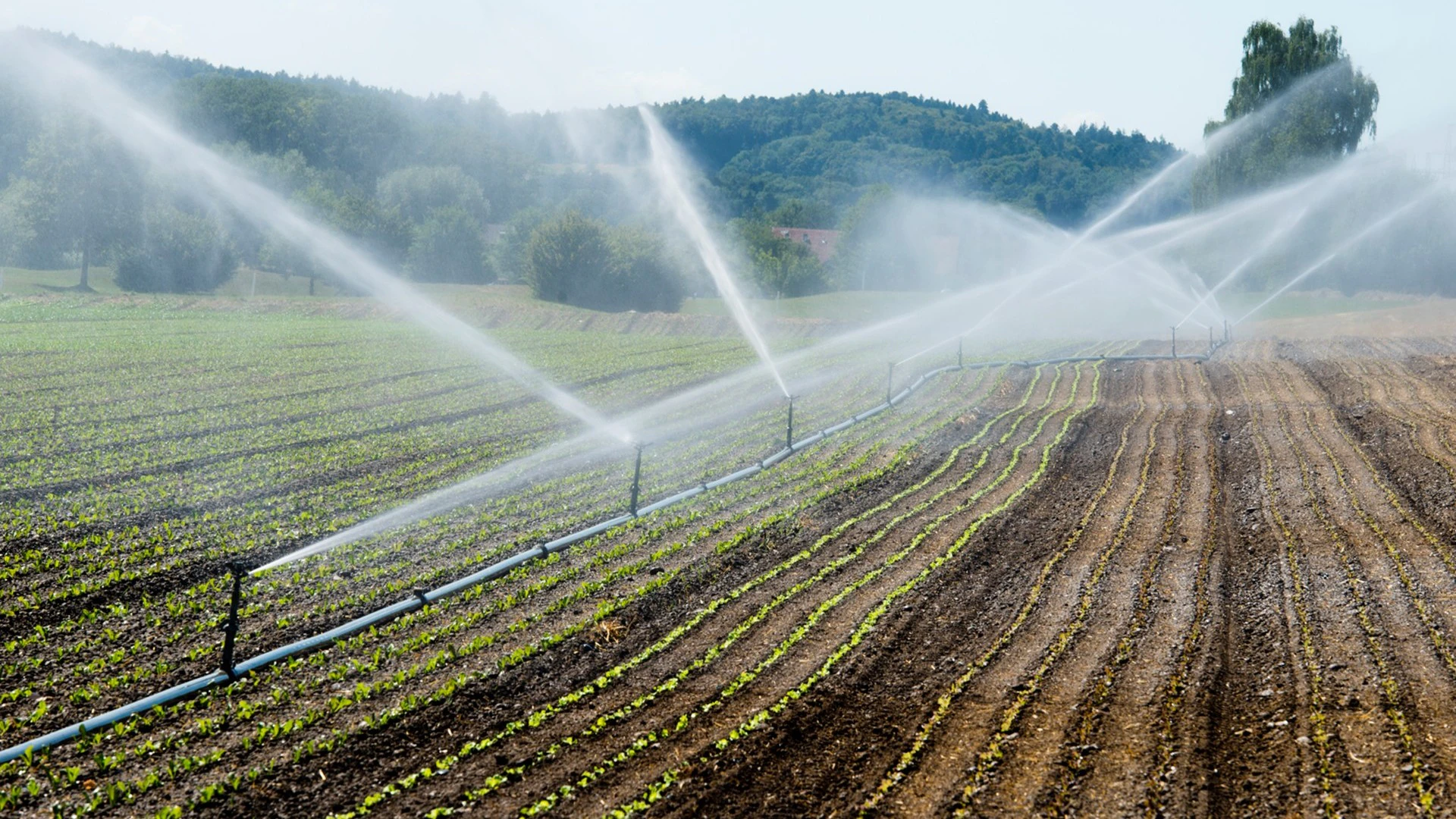
To develop scientific principles for the efficient control (sensors, models) and automation of irrigation across all crops. To explore alternatives to irrigation. To perform plant physiological studies as the basis for breeding drought tolerance and deficit irrigation. In addition, to establish a platform with stakeholders for sustainable water management in Switzerland.
26 - Healthy food – healthy diet (SwissDiet)
To contribute to the establishment of scientific principles for the evidence-based further development of official Swiss dietary recommendations (Swiss food pyramid). To assess the medium- and long-term effects of (sustainable) eating habits on the nutritional status of the population. To develop strategies to optimise the use of Swiss-made foods for a healthy and sustainable diet.
27 - Safe food – identifying, understanding and mitigating risks
To reduce harmful regulated contaminants and residues throughout the food and feed value chain. Research is based on the ‘One Health’ approach and provides insights into the ‘contaminant pathway’ as well as mitigation methods. A further aim is to proactively detect and assess new, currently unregulated contaminants.
28 - Environmental risk assessment of new organisms and agricultural technologies – effects on functional biodiversity
The aim is to determine and evaluate (conceptually and experimentally) the effects of new organisms and technologies in agriculture on biodiversity and ecosystem services to ensure that they contribute to more sustainable agriculture.
29 - Breeding principles and variety, seed and microorganism research
The research projects in this programme aim to exploit the potential of new technological developments for breeding, and for microbiome, seed and plant material research and make new methods available to practitioners. Another important aim is to develop tangible characteristics and breeding targets and to preserve and describe collections of genetic resources (incl. microorganisms).
30 - Foundations of plant protection and health
The primary aim is to provide safe, cost-effective and applied methods to protect crops and seed production from harmful organisms and economically significant yield and quality losses. This is achieved by consistently applying the principles of the plant protection pyramid. Solutions for acute problems are worked out as quickly as possible. The development of agroecosystems which can manage almost entirely without direct plant is pursued as medium- and long-term goals.
31 - Legal duties regarding plant health and plant protection products: expertise, diagnostics and enforcement principles
Agroscope provides the federal and cantonal enforcement agencies with the services they require to conduct their activities in the areas of regulatory approval of plant protection products and biocides and prevention of the introduction and spread of plant pests and diseases in an appropriate, efficient and competent manner and in compliance with statutory requirements.
32 - Optimisation of soil functions for sustainable plant production
To gain a greater understanding of the impact of agricultural practices and site characteristics on soil processes in order to optimise soil functions such as the nutrient, carbon and water cycle, and to ensure resource-efficient plant production in the long term.
33 - Biodiversity and ecosystem functions in the agricultural landscape
To better understand the effects of agricultural production on above- and below-ground biodiversity in order to further develop existing measures for conserving biodiversity and to develop highly effective, innovative new measures. The ecosystem services and functions provided by biodiversity should be understood and highlighted to enable tipping points to be identified in good time.
34 - Exploiting the potential of digitalisation for the agrifood sector
To harness the potential of information and communication technology for the management and monitoring of agricultural production systems at field and farm level and to utilise them in a meaningful and responsible way. A wide variety of data sources should be used to systematically characterise and control the processes of agricultural systems. The methods, models and infrastructure required to achieve this should be further refined.
35 - Sustainability analysis – development of indicators
To further develop existing sustainability impact assessment methods and develop new specific indicators and associated tools for mapping and evaluating agricultural activities. Sustainability impact assessments in the different dimensions serve to transfer knowledge, identify trade-offs and optimise agricultural practices in terms of their economic, environmental and social sustainability.
36 - Spatial data science and AI for the analysis of agroecosystems impacted by climate and land-use changes
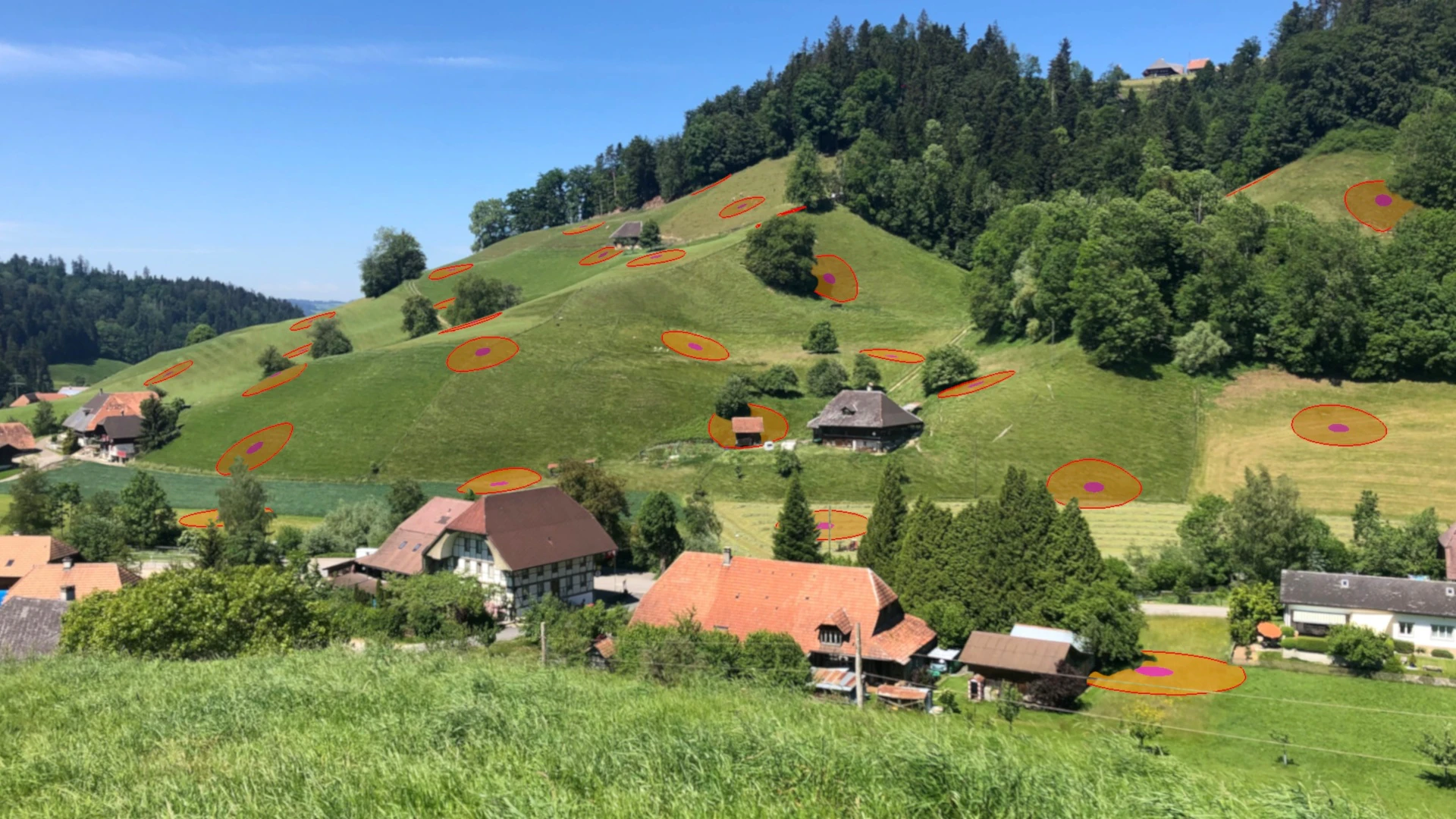
This research programme aims to find sustainable and resilient solutions for managing our agroecosystem at landscape level and to augment on-site monitoring programmes. In addition, trends in the Swiss agroecosystem will be spatially analysed using historical and current data by combining existing datasets with advanced environmental monitoring and AI methods. This will improve our understanding of the impacts of farming practices at regional level and contribute to the development of cost-effective agri-environmental monitoring programmes.
37 - Income monitoring and analysis
To gather and process basic farm and work economics data for administration, research, agricultural extension and practice. Conduct an annual statistical evaluation of the accounting data and analyse income trends.
38 - Integrated sustainability impact assessments and agroecological concepts – integration and application of concepts, tools and trade-off analysis
To perform integrated sustainability impact assessments in all three dimensions at farm, product and sector level. To develop sustainable and innovative production systems using sustainability impact assessments and agroecological assessments.
39 - Monitoring agri-environmental systems – evaluating environmental impacts
To quantify how agricultural production in Switzerland impacts different environmental dimensions (including ecosystem services where relevant) and how the environmental impact changes over time. To calculate the environmental impacts at different levels (e.g. national, regional).
40 - Soil monitoring
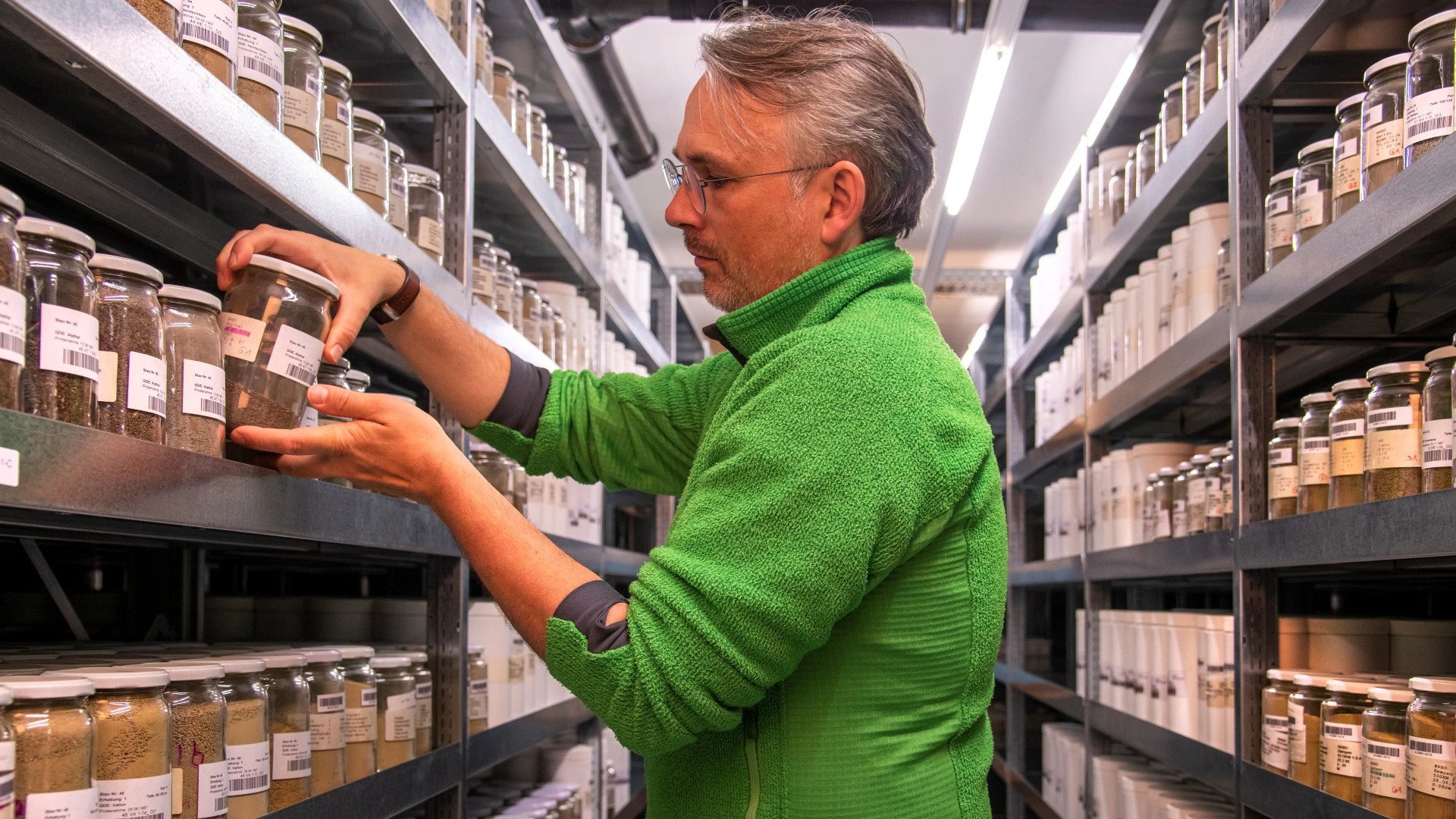
To recognise and quantify changes to the soil status in Switzerland at an early stage. To identify environmental and anthropogenic stress factors affecting the diversity of soils in Switzerland.
41 - Biodiversity monitoring
To record the biodiversity of the agricultural landscape using state-of-the-art methods and to assess the relative importance of determinants (agricultural policy measures, general environmental influences, agricultural use)
42 - Experimental stations – practical research with a regional focus
The experimental stations aim to work with all stakeholders to address complex problems in a regional context. They collaborate closely with practice, agricultural extension, enforcement and research to develop solutions for selected regional hotspots which can be transferred to similar regions.