Newsroom Economics and Technology
Topic Economics and Technology | Newsroom
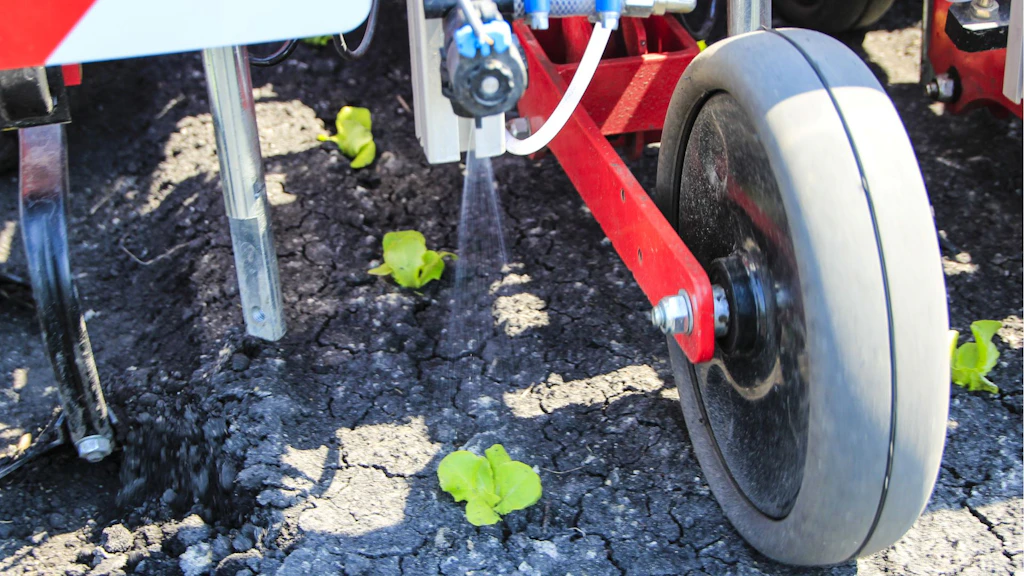
Spot-Spraying in Vegetable Crops: Targeted Plant Protection for the Future
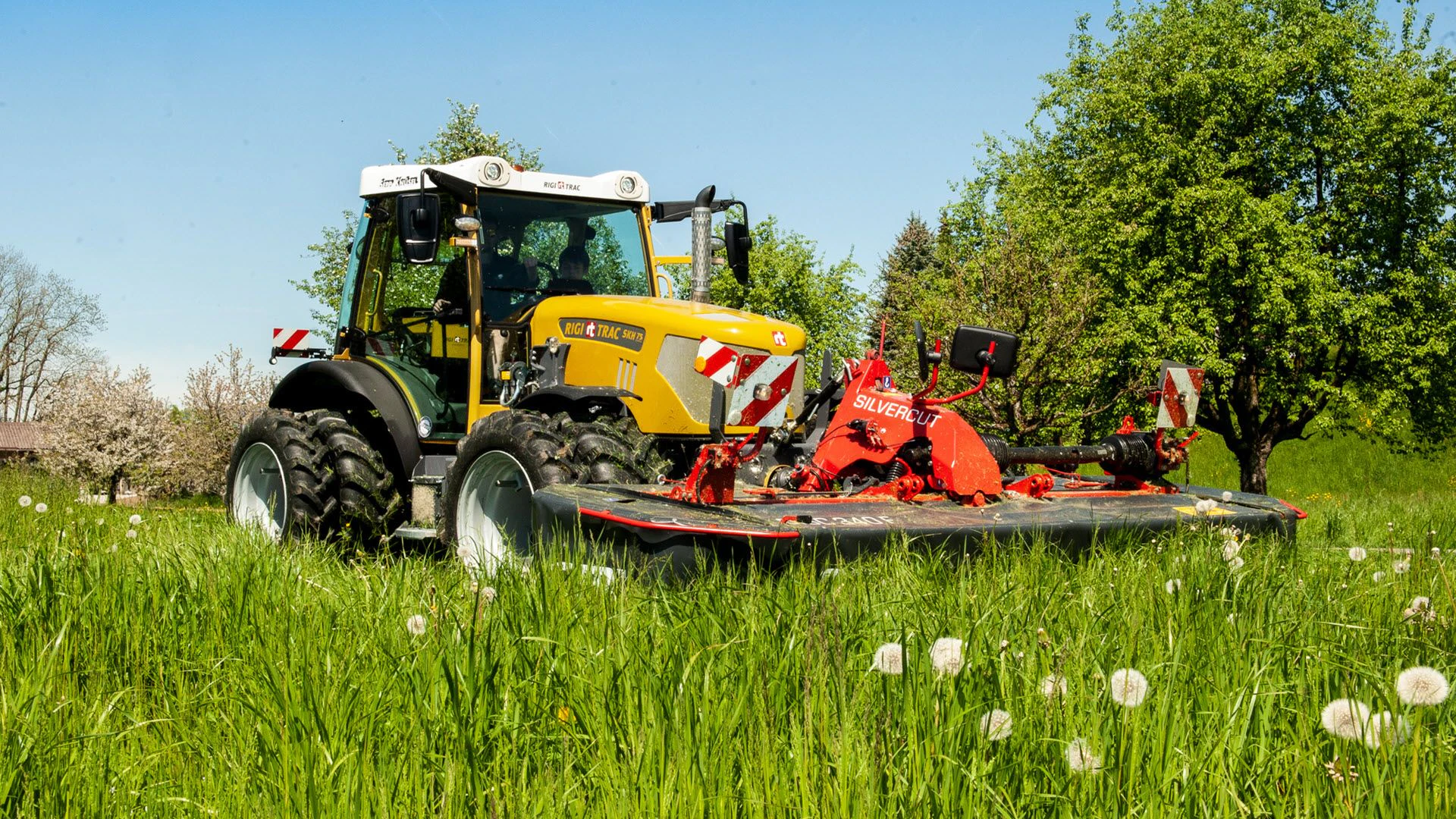
Camera-guided spot-spraying enables targeted application of plant-protection products on individual plants in a crop. At the media conference of the Association of Swiss Vegetable Producers on October 15, Agroscope researchers show how the method functions.
Farming Machinery Price Rises Remain Moderate
The Cost Catalogue 2026 is the first since 2022 to again be based on a complete survey of machinery prices. Despite inflation and rising production costs, prices have risen only moderately, thanks to the strong Swiss franc.
Milking Festival at Agrotechnorama: From milking by hand to robots
Robotic milking machines are now responsible for around half the milk on the supermarket shelves. How has this come about? The Milking Festival ‘From milking by hand to robots’ running from 29 to 30 August 2026 at Agrotechnorama, the agricultural engineering museum in Tänikon TG, has the answers.
Hand-over of keys to Agroscope’s new laboratory building in Posieux: a milestone for the national research campus
On Friday 14 August 2026 the canton of Fribourg officially handed over the keys to Agroscope’s new laboratory building in Posieux to the Swiss Confederation. The ceremony was attended by President of the Swiss Confederation Guy Parmelin and delegations from the Fribourg State Council and the Agroscope executive board as well as the Federal Offices for Agriculture (FOAG) and Buildings and Logistics (FOBL). Thus the centrepiece of Agroscope’s new site strategy is now ready for use.
Full Costs Now Available Online
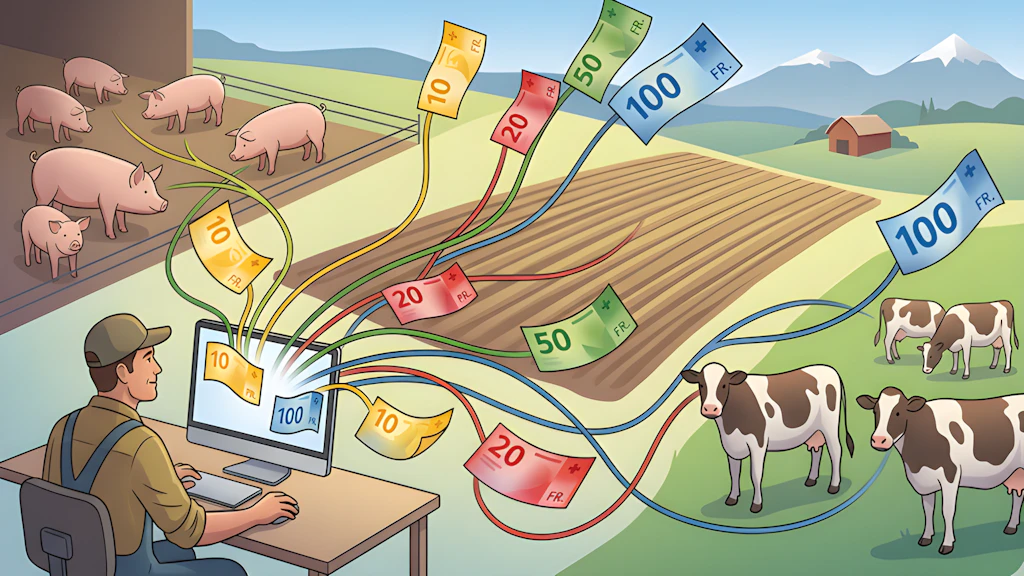
Full-cost calculation depicts the profitability of individual farm activities. Practitioners and extension services can use it as a basis for decision-making, e.g. in the case of investments. The data have recently been published online.
Drones to Find Lost Livestock in Summer Farming?
Further information is available in the following languages: German, French, Italian
Agrivoltaics: Different Impacts in Raspberry and Strawberry Crops
Agrivoltaic systems affect strawberry and raspberry crops differently. The results of four years of trials are presented in a video and in an article in Swiss Agricultural Research.
International Symposium on Work in Agriculture
The latest international research on the challenges of work in agriculture will be presented and discussed at Zollikofen near Bern from 7 to 10 July 2026. Agroscope will be attending as co-organiser and will present its own research.
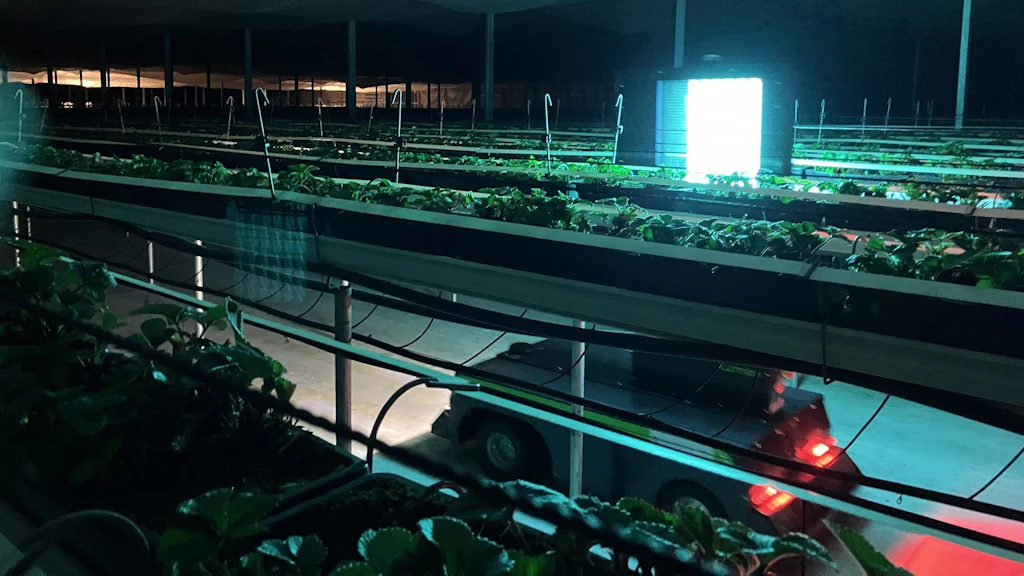
UV-C for Controlling Powdery Mildew in Greenhouse Strawberry Production
Further information is available in the following languages: German, French or Italian
Experience Agroscope Research on 24 June
Join us in a deep dive into selected topics from Agroscope’s research at our ‘Soup & Science’ public event on 24 June. The event kicks off at 5.15pm at Agroscope’s Zurich-Reckenholz site. Registration by 10 June please.
‘Connect EnovArk’ Event: Agroscope Presents the Agriphotovoltaics Project at its Conthey Site
Agroscope will be opening its Conthey site on 21 May 2026 to present its research on agriphotovoltaics. The event will shed light on the role of science in combining agricultural production, renewable energy and sustainability.
Decision-making tool for growing crops on wet arable land
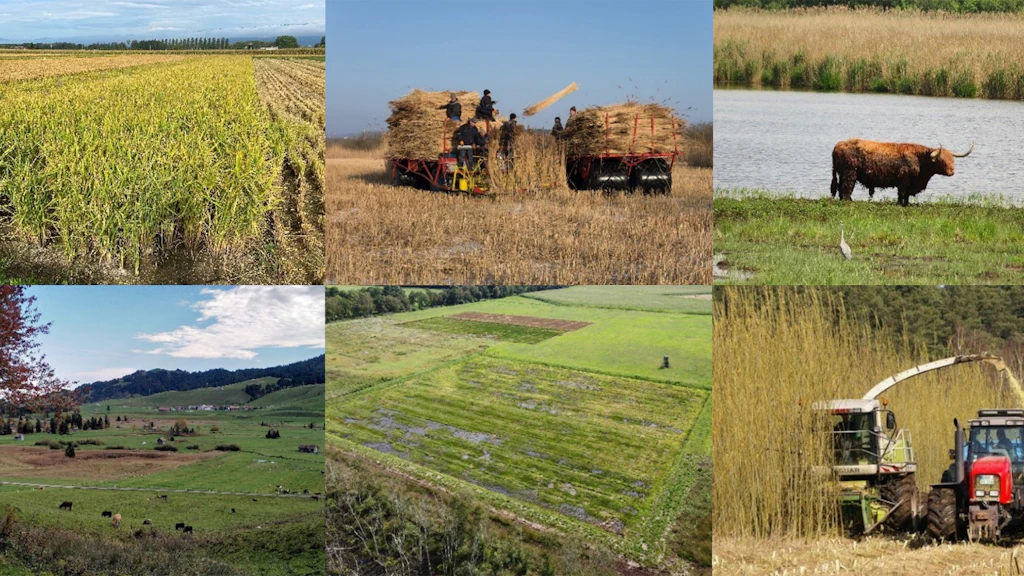
Farmers interested in growing alternative crops on wet arable land can now find all the information they need in a decision-making table and fact sheet.
Resilience along the Entire Agricultural and Food Chain
Innovative strategies, institutional framework conditions and practical approaches for enhancing resilience will be discussed on 7-8 May in Zollikofen at the annual conference of the Swiss Society for Agricultural Economics and Agricultural Sociology (SGA).
Work Budget: Latest Edition
A work budget is used to quantify time-related workload and to plan and organise work processes. For this, Agroscope makes detailed calculation bases available in a series of publications for practitioners and researchers.
Making Self-watering Fruit Trees a Reality
The start of the growing season raises the issue of optimal irrigation in fruit production. Thanks to digital measurements, trees on pilot farms are only being irrigated when necessary, thus saving water. An Agroscope video shows how this works.
Agroscope benefits from European collaboration on nitrogen in plant production
Being part of an extensive network creates opportunities to make significant advances in research. The aim is to develop solutions to better quantify and manage nitrogen fluxes in agricultural soils.
Research with a Focus on Impact and Practical Benefits
Agroscope’s New Work Programme 2026-2029 Places a Greater Focus on Impact and Practical Benefits. Areas such as plant protection, plant breeding, climate-change adaptation and economic efficiency will also be strengthened.
Less Nitrogen Losses, Stable Yields: Success of the Smart-N Project
Further information is available in the following languages: German, French, Italian.
Agrivoltaics in Swiss Fruit Growing: Various Photovoltaic Systems up and Running in Conthey
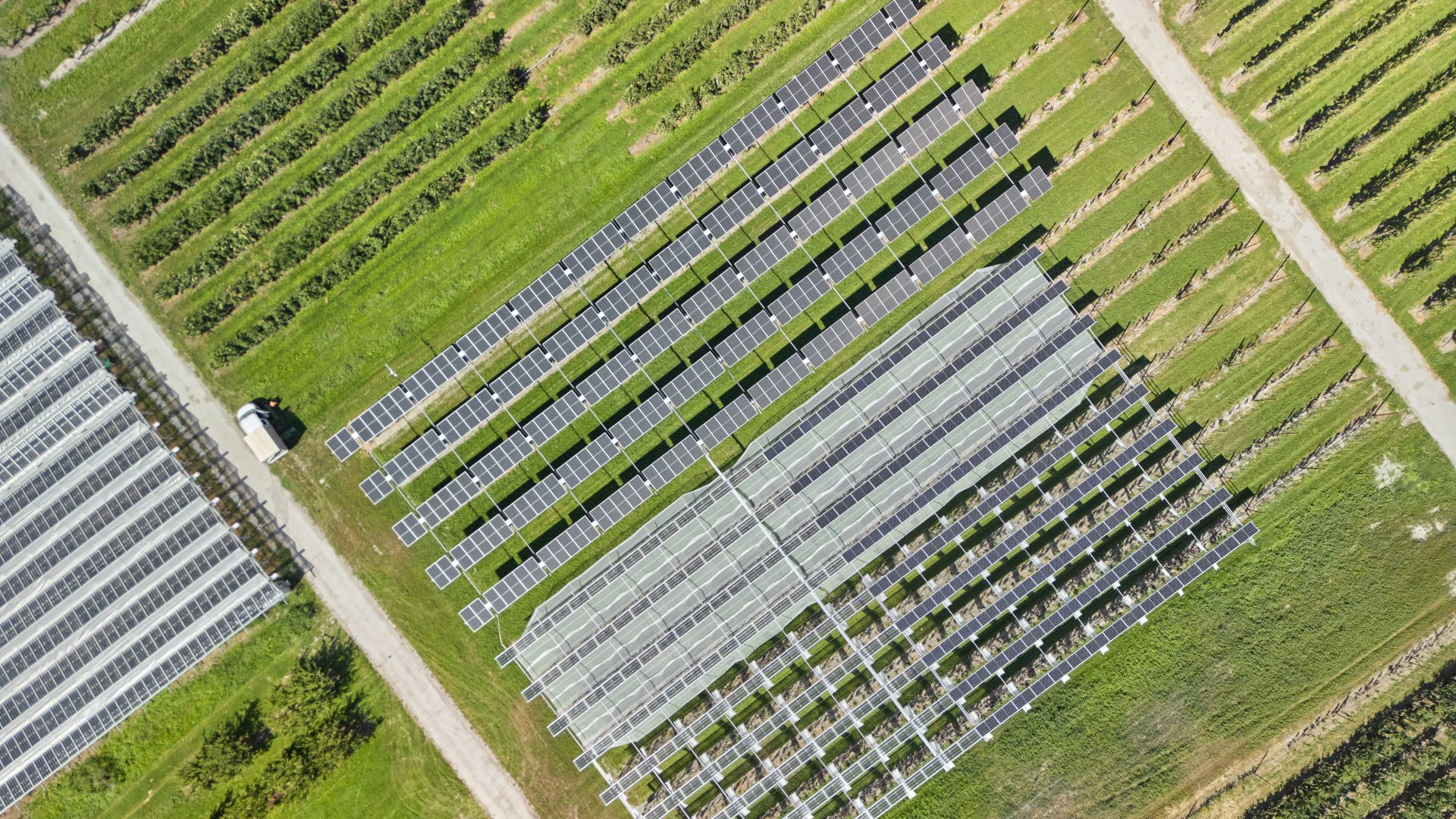
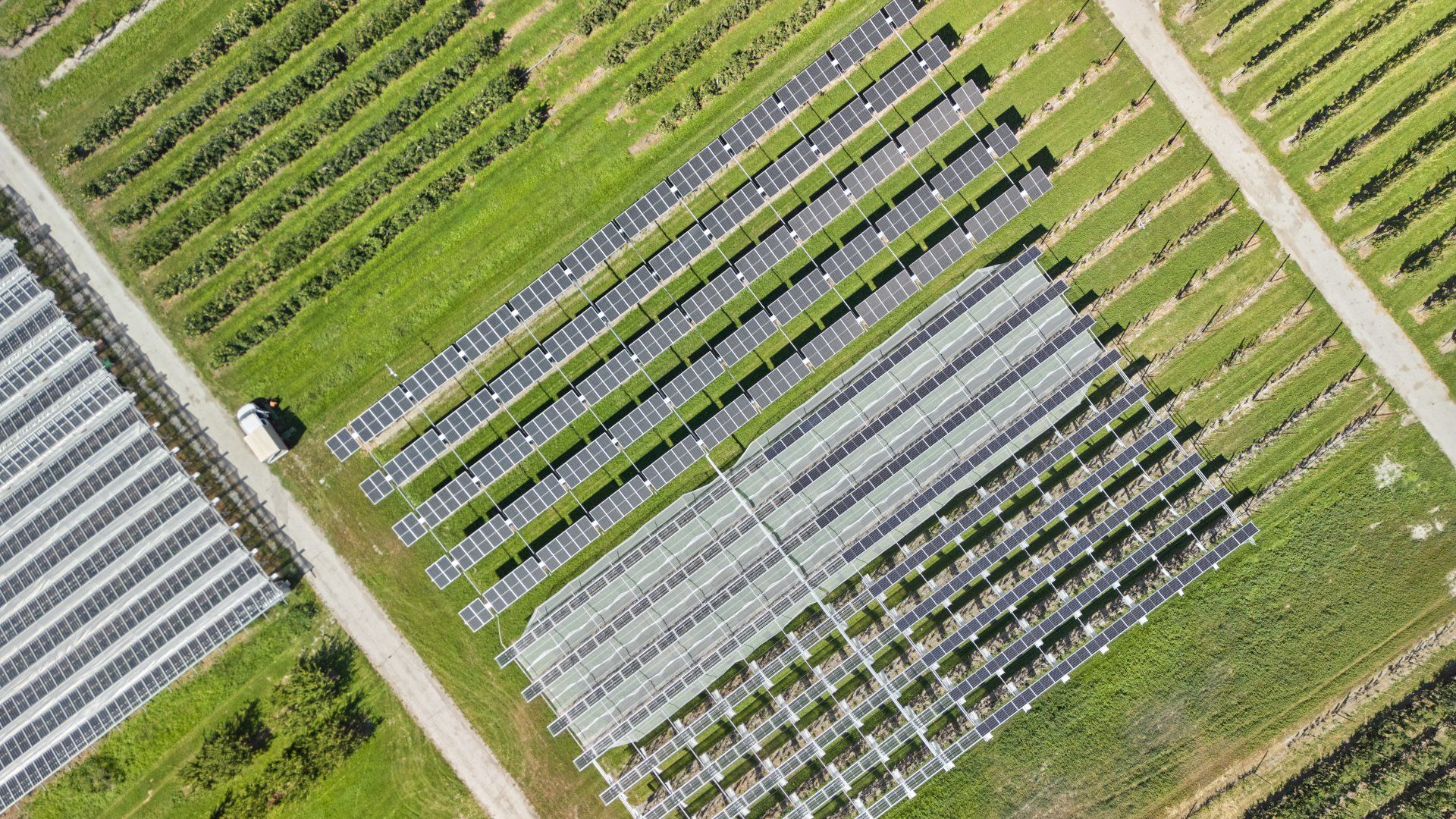
A 4,000 m² agrivoltaic array was unveiled in Conthey on 18 September 2025, marking a groundbreaking development for Switzerland: photovoltaic modules installed above orchard crops. Agronomic monitoring will be done by Agroscope.
Machinery Costs Stable, Building and Labour Costs Up Again
Despite higher purchase prices the usage costs of agricultural machinery have remained largely stable, whilst building and labour costs have risen slightly. Agroscope’s new Cost Catalogue helps with cost-conscious operational planning.
Artificial Intelligence vs Corvid Intelligence
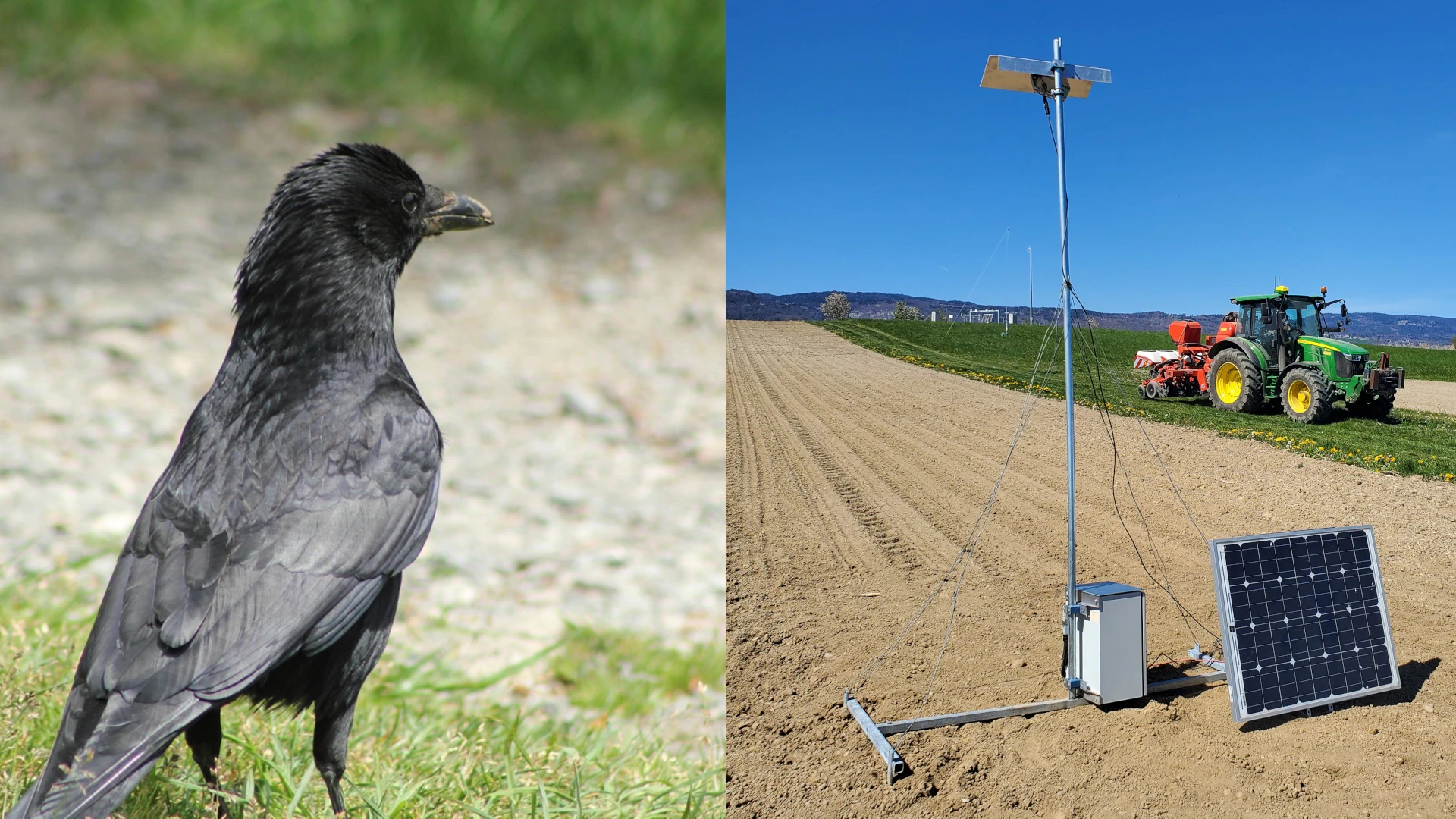
Will AI outsmart corvids to protect crops? Agroscope is currently testing a system for detecting and scaring away these birds. The aim is to make the system intelligent and adaptive via an interdisciplinary project to be supported by the FOAG from 2026.
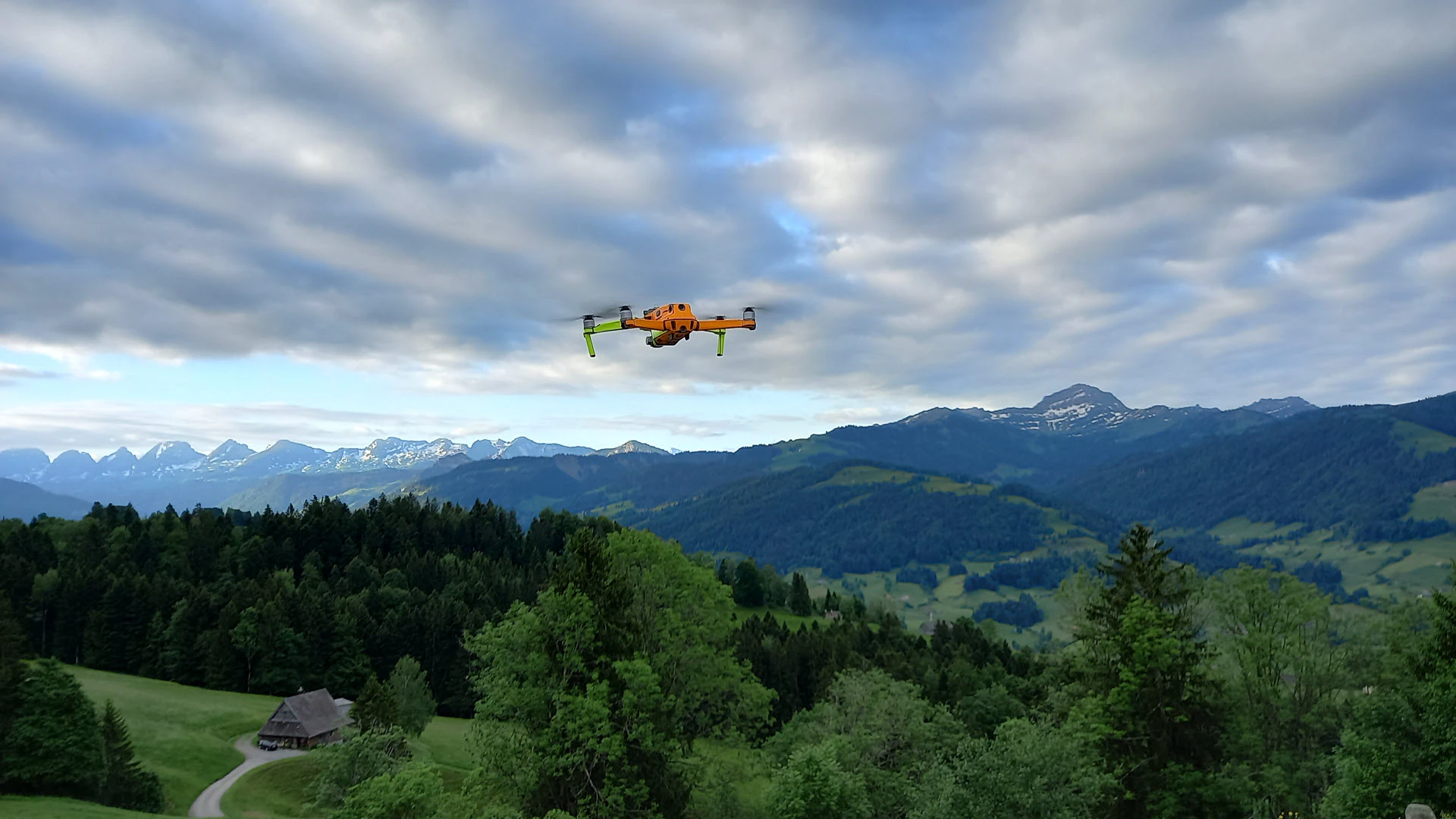
Drones to Find Lost Livestock in Summer Farming?
Further information is available in the following languages: German, French, Italian.
Needs-based Fertilising of Plants
Targeted nitrogen fertilisation optimises yields while protecting the environment. A new Agroscope factsheet introduces site-specific fertilisation and gives an overview of the advantages, drawbacks and requirements of the main systems.
Trees Indicate Water Stress Online
Digitally monitored trees indicate when they need water, so the irrigation system only supplies water when necessary. According to a recently published article, this can help achieve water savings of up to 40%.
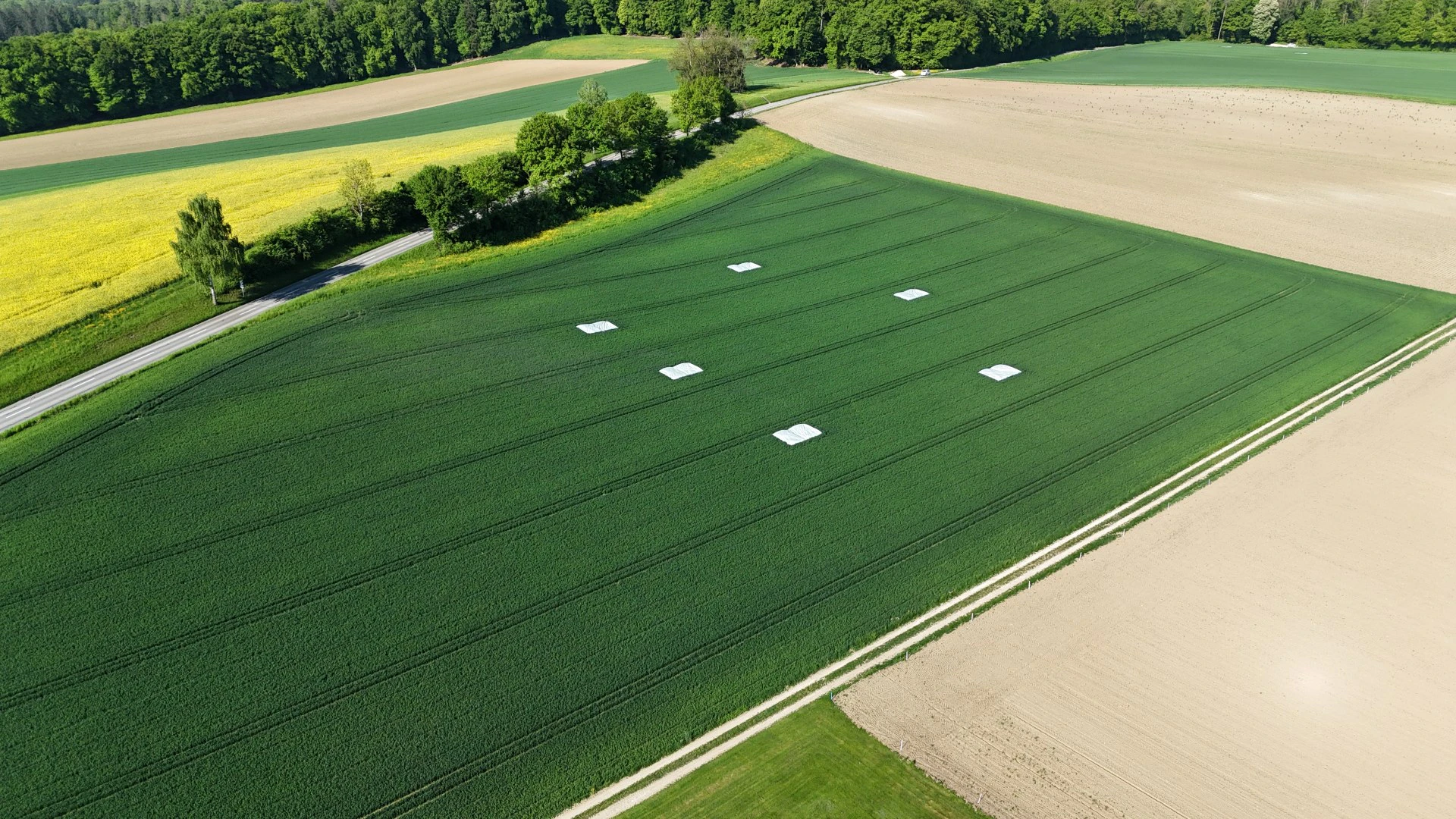
Site-Specific Fertilisation Ensures Yields and Reduces Nitrogen Surpluses.
Further information is available in the following languages:German, French, Italian.
Adapting Fruit and Berry Cultures to Climate Change
Die Anpassung der Obst- und Beerenkulturen an den Klimawandel stand am 12. November im Mittelpunkt der Diskussionen in Bern. Die Veranstaltung (FuturLab) wurde vom Kompetenznetzwerk Obst und Beeren (KOB) organisiert.
AI and Automation in the Agriculture and Food Sector
At the Agro-Food Innovation Forum on Thursday 28 November, the ‘SF Institute for Intelligent Systems and Smart Farming of the OST University of Applied Sciences of Eastern Switzerland will be officially welcomed as the new Agroscope partner at the Tänikon site, including the Living Lab.
Mit Far-UV-C- (222 nm) gegen Echten Mehltau bei Erdbeeren
Agroscope führt einen innovativen Versuch mit einem Gerät durch, das UV-C-Licht mit einer Wellenlänge von 222 Nanometern emittiert und Echten Mehltau und Spinnmilben in Erdbeerkulturen bekämpfen soll. Der Prototyp wird derzeit am Standort Conthey in einem Folientunnel getestet.
Alpine and Mountain Agriculture: Adapting to a Rapidly Changing World
For three years now, the Alpine and Mountain Agriculture Experimental Station has been helping farms at higher altitudes deal with increasingly demanding production conditions. In a meeting of tradition and technology, ongoing trials and initial results were presented to the media on 2 July in the Canton of Graubünden. Below, some information on the projects.
Virtual Fencing without Long-Term Stress for Cows
Agroscope researchers tested a virtual fencing system that delimits the pastures without a physical barrier, using acoustic and electrical signals only. The cows quickly learned the system without longer-term negative effects on animal welfare.
AgroPV and Greenhouse Crops: Pilot Project
To utilise useful light for the vegetables grown in the greenhouse whilst producing electricity: this is possible thanks to the startup Voltiris's agri-photovoltaic system. Agroscope is currently testing this solution for vegetable crops requiring especially high levels of light at its Conthey site.
Researching in the System and with Practice
Agroscope’s new 2022–2025 Work Programme aims to strengthen system research and co-create more research with farmers. It is also increasingly guided by the principles of agroecology.
Measuring and Optimising Environmental Impacts
Easy-to-use and informative metrics are essential to allow farmers to measure and optimise the environmental impacts of their farming activity for themselves. The recently launched Agroscope research programme ‘Indicate’ aims to develop these metrics.




.jpg?rect=0%2C0%2C1920%2C1080&w=1024&auto=format)