Newsroom Livestock
Animal Spot – New Webinar Series for Livestock Farmers
Further information is available in the following languages: German, French, Italian
Milk Quality in Small Ruminants: Specific Approach Required
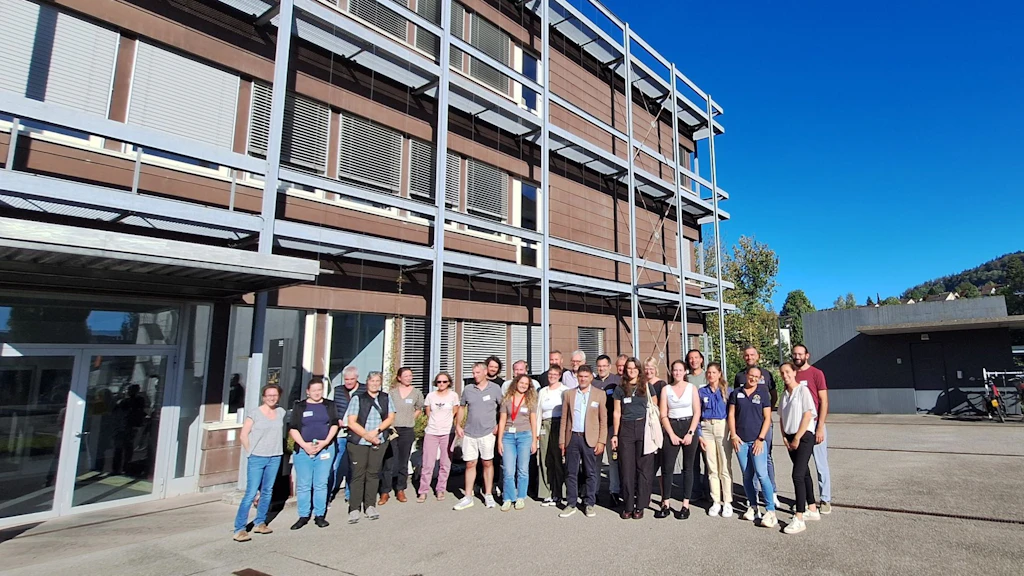
Hosted by Agroscope on 14 and 15 September 2026 in Liebefeld, the LactoWell workshop brought together international specialists from research, extension and practice to discuss the challenges of small-ruminant milk production.
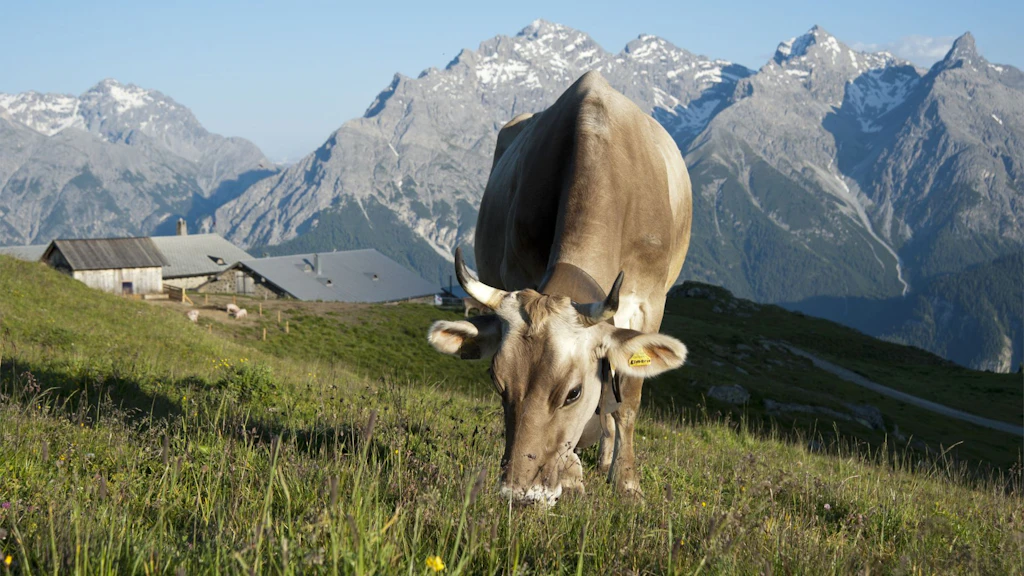
Focus on Pasture Farming in Les Diablerets
Further information is available in the following languages:German, French, Italian
Hand-over of keys to Agroscope’s new laboratory building in Posieux: a milestone for the national research campus
On Friday 14 August 2026 the canton of Fribourg officially handed over the keys to Agroscope’s new laboratory building in Posieux to the Swiss Confederation. The ceremony was attended by President of the Swiss Confederation Guy Parmelin and delegations from the Fribourg State Council and the Agroscope executive board as well as the Federal Offices for Agriculture (FOAG) and Buildings and Logistics (FOBL). Thus the centrepiece of Agroscope’s new site strategy is now ready for use.
Using Sheep and Heifers to Keep Dwarf Shrubs in Check
A pilot project is turning to sheep and heifers to slow the spread of dwarf shrubs on alpine pastures. The aim is to curb scrub encroachment and improve biodiversity as well as the quality and quantity of forage.
Trials with Drought-Resistant Forage Crop Mixtures
The development of drought-resistant forage crop mixtures for the mountain regions is moving foward in five cantons. Results from 2024 and 2025 show that two species play a particularly vital role in maintaing yields during droughts.
The Experimental Station for Nutrient Flows provides comprehensive data on farms in the Canton of Lucerne
Further information is available in the following languages: German, French
Possible Effects of Sustainability Goals on the Agriculture and Food Sector
De plus amples informations sont disponibles dans les langues suivantes:allemand, italien, anglais.
Equus Helveticus: Avenches to Be the National Focal Point of the World of Horses
From 17-20 September 2026, Equus Helveticus will be offering a wide range of top-class sporting performances, breeding contests and presentations at the Swiss National Stud and on the IENA campus. Among the highlights will be the Young Horse Finals.
2026 Spring Conference of the ADCF
On 13 May 2026 The Swiss Grassland Society (ADCF) will be holding a spring conference in Riffenmatt, Canton of Bern, focusing on forage strategies tailored to the conditions of the terrain. The presentations and demonstration will be given in German and French.
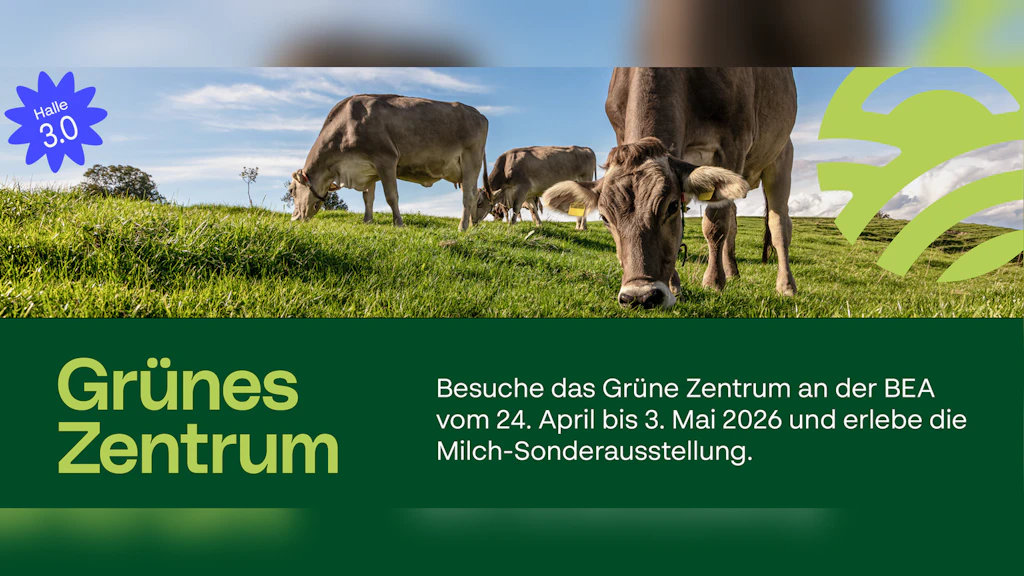
Discover Agroscope research at the BEA!
At this year’s BEA exhibition, Agroscope presents a treasure in the Bacteria Vault. The special show, ‘Milk’, gives a lighthearted insight into what makes Swiss cheese unique.
‘Counting’ Wild Bee Nests with Camera Drones
Most wild bees nest in the ground and are important crop pollinators. Agroscope has shown that it is possible to detect their nests using camera drones – marking a major step forward in the effective monitoring of wild bee populations.
Supporting Ground-Nesting Wild Bees for the Benefit of Crop Pollination
A new Agroscope factsheet offers tips on how to support ground-nesting wild bees on one’s own farm with relatively little effort. This will help boost the populations of the primary insect pollinators of agricultural crops.
Research with a Focus on Impact and Practical Benefits
Agroscope’s New Work Programme 2026-2029 Places a Greater Focus on Impact and Practical Benefits. Areas such as plant protection, plant breeding, climate-change adaptation and economic efficiency will also be strengthened.
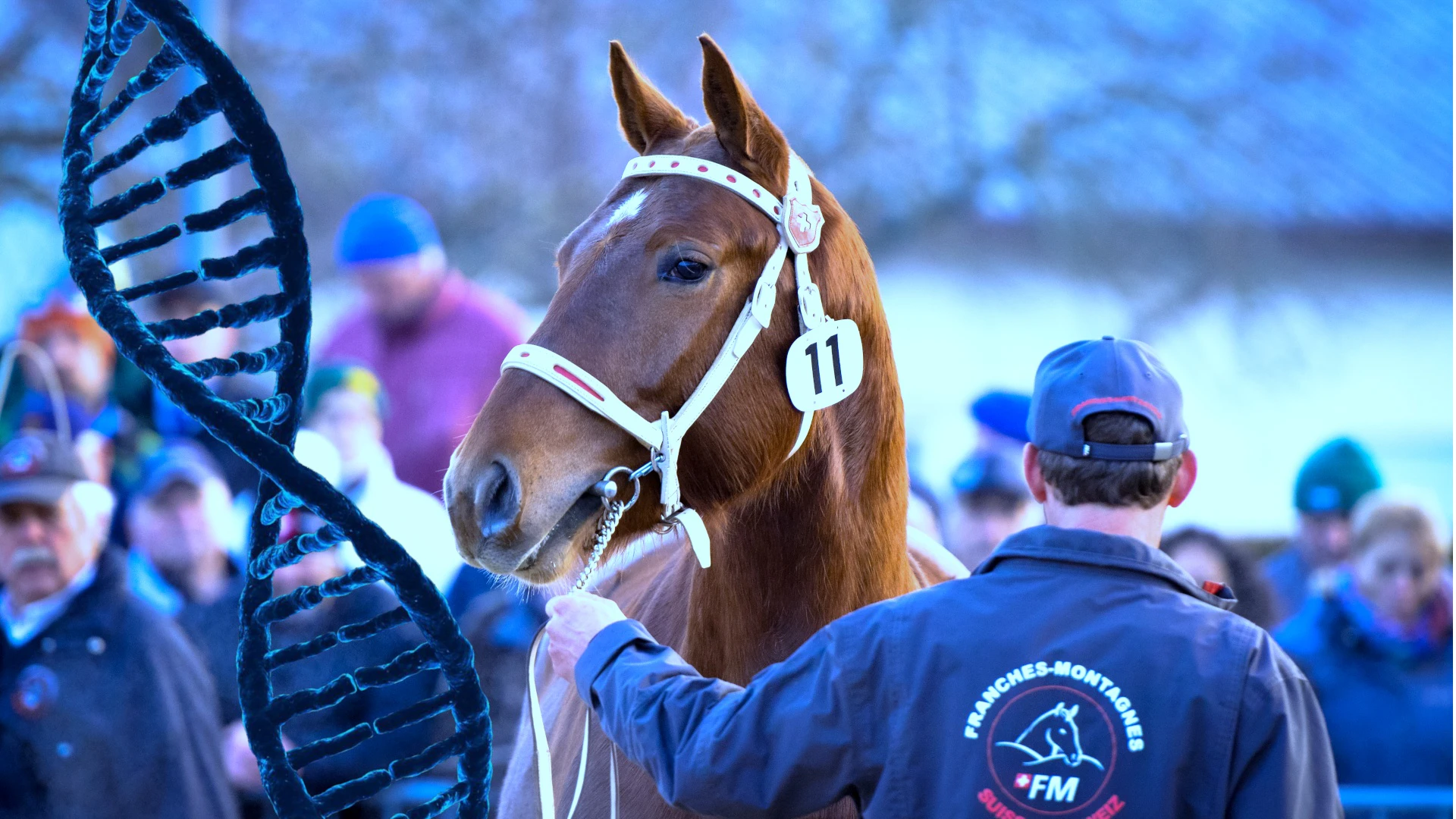
Franches-Montagnes Horses Breeding: Optimise the Breeding Goal, Preserve Diversity
Preservation measures are necessary for the genetic diversity of the Franches-Montagnes horse, Switzerland’s last remaining native horse breed. Newly published recommendations from Agroscope indicate how the assessment of morphological traits and the breeding goal can be further refined and lists measures against the rising inbreeding rate.
Agroscope Looking for Suitable Cattle Breeds to Maintain Alpine Pastures
When mountain pasture use is sub-optimal, scrub runs rampant and biodiversity is lost. In this SRF Einstein broadcast of 23/10, Agroscope researcher Caren Pauler talks about her search for cattle breeds that maintain alpine pastures.
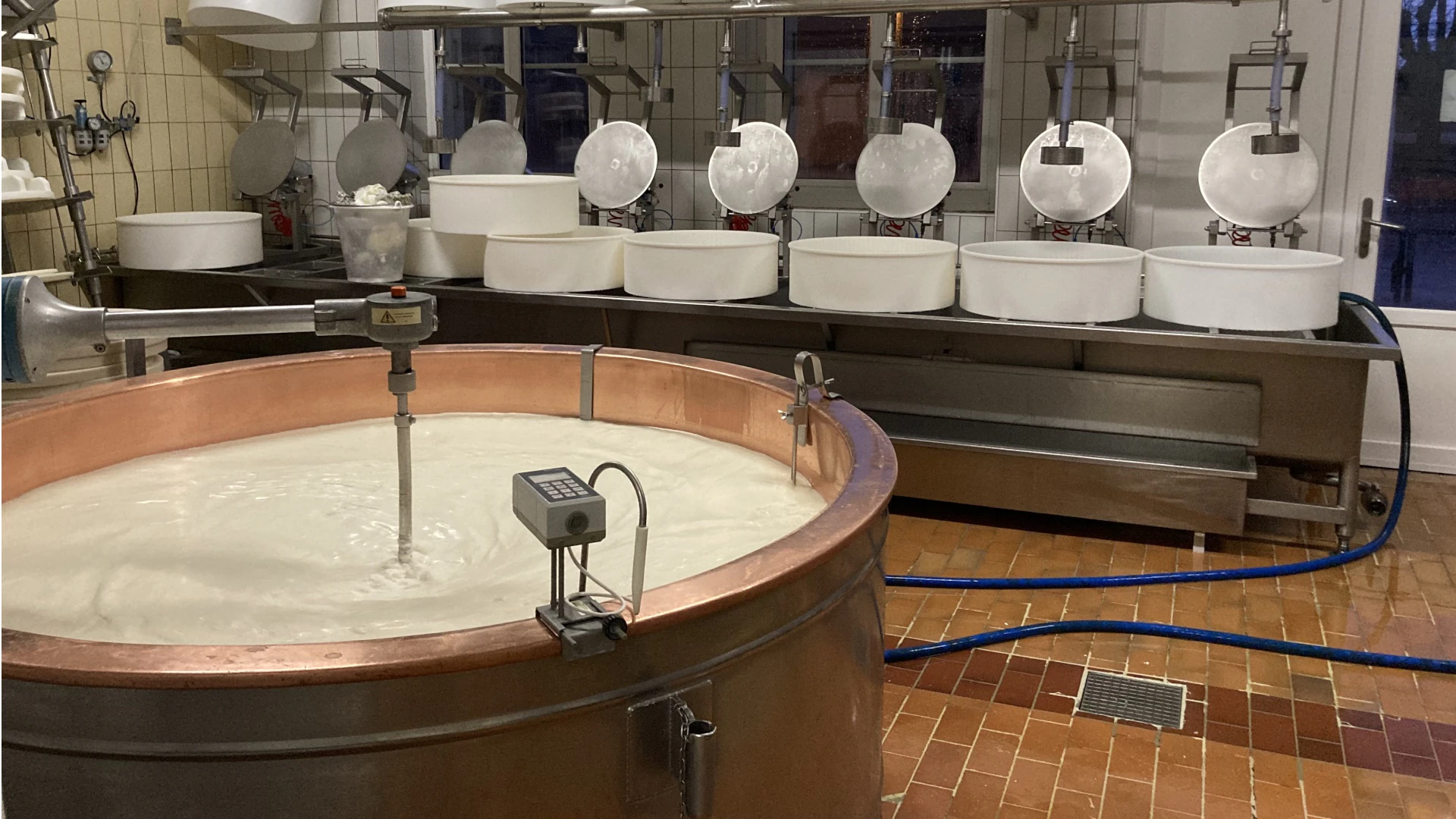
Feed Ration with More Rapeseed Cake Has No Impact on the Quality of Gruyère AOP Cheese
Further information is available in the following languages: German, French, Italian.
Can Odour Impacts Be Reliably Determined by Assessors?
Livestock husbandry poses challenges in determining odour impacts due to the heterogeneity and spatial extent of its odour sources. Agroscope and Empa have refined a method using trained assessors and validated it with tracer gases.
Alleviating Heat Stress in Dairy Cows
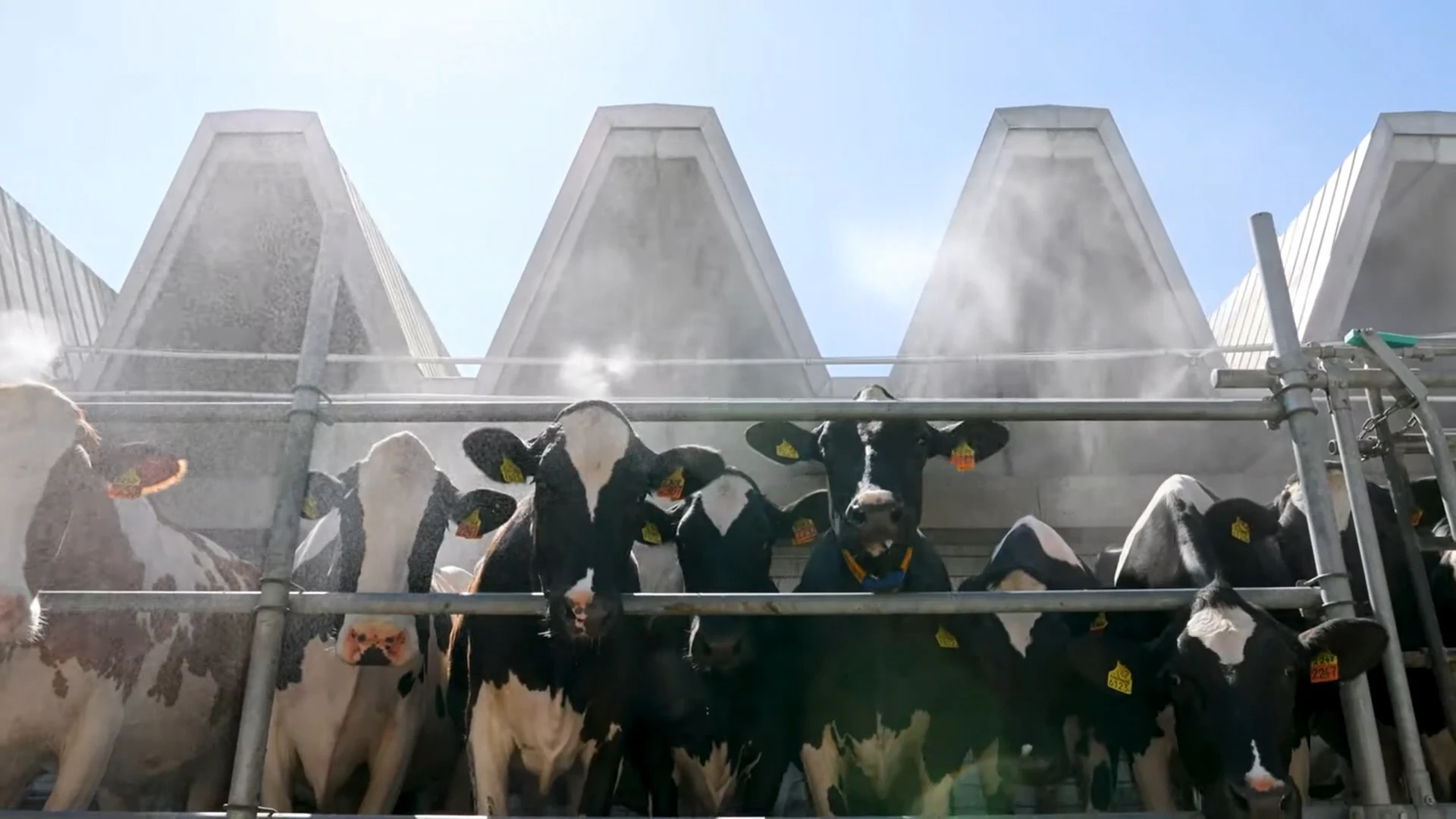
Cows develop heat stress much more quickly than humans. Agroscope has studied this physical stress and offers advice for its alleviation.
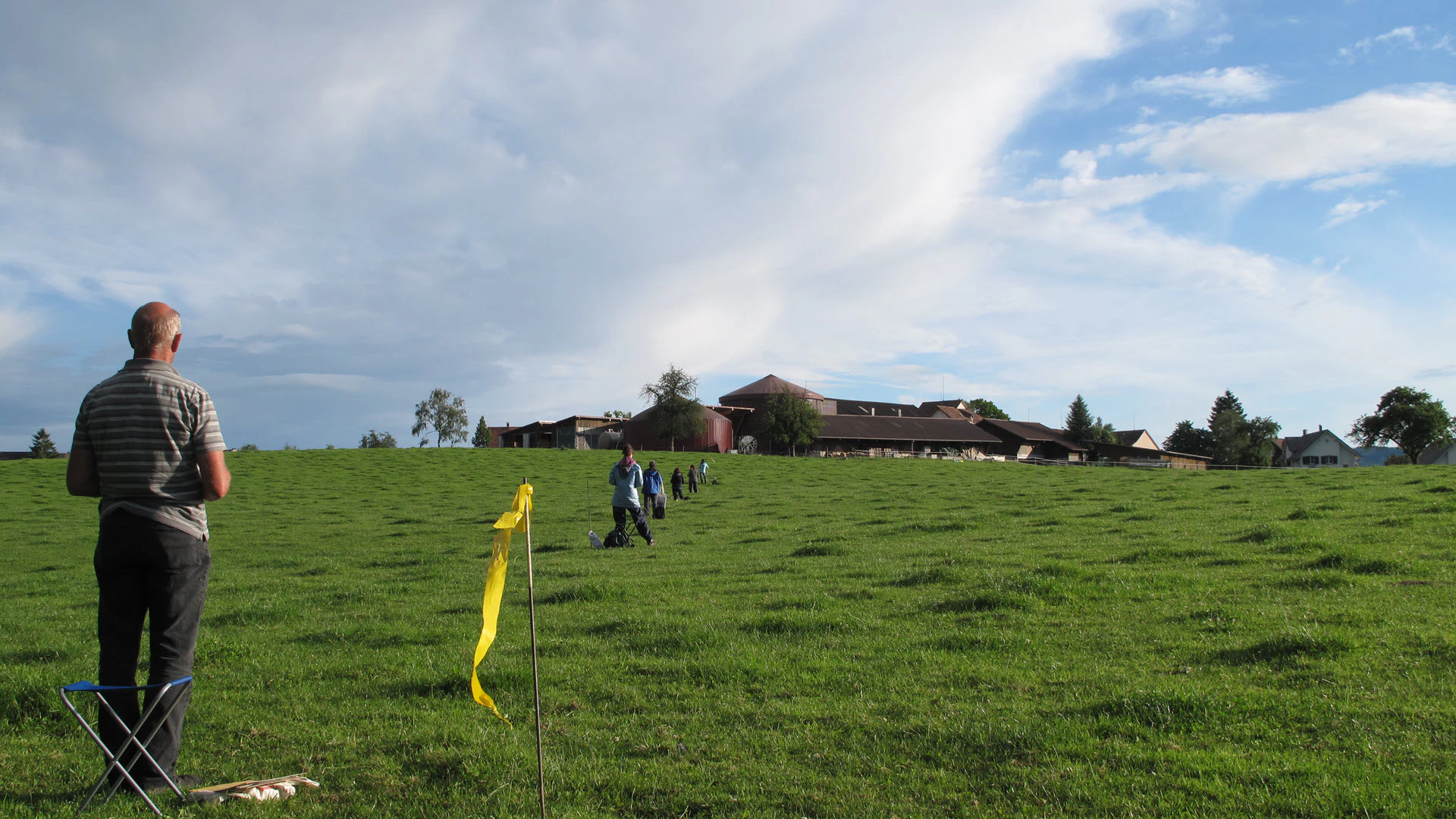
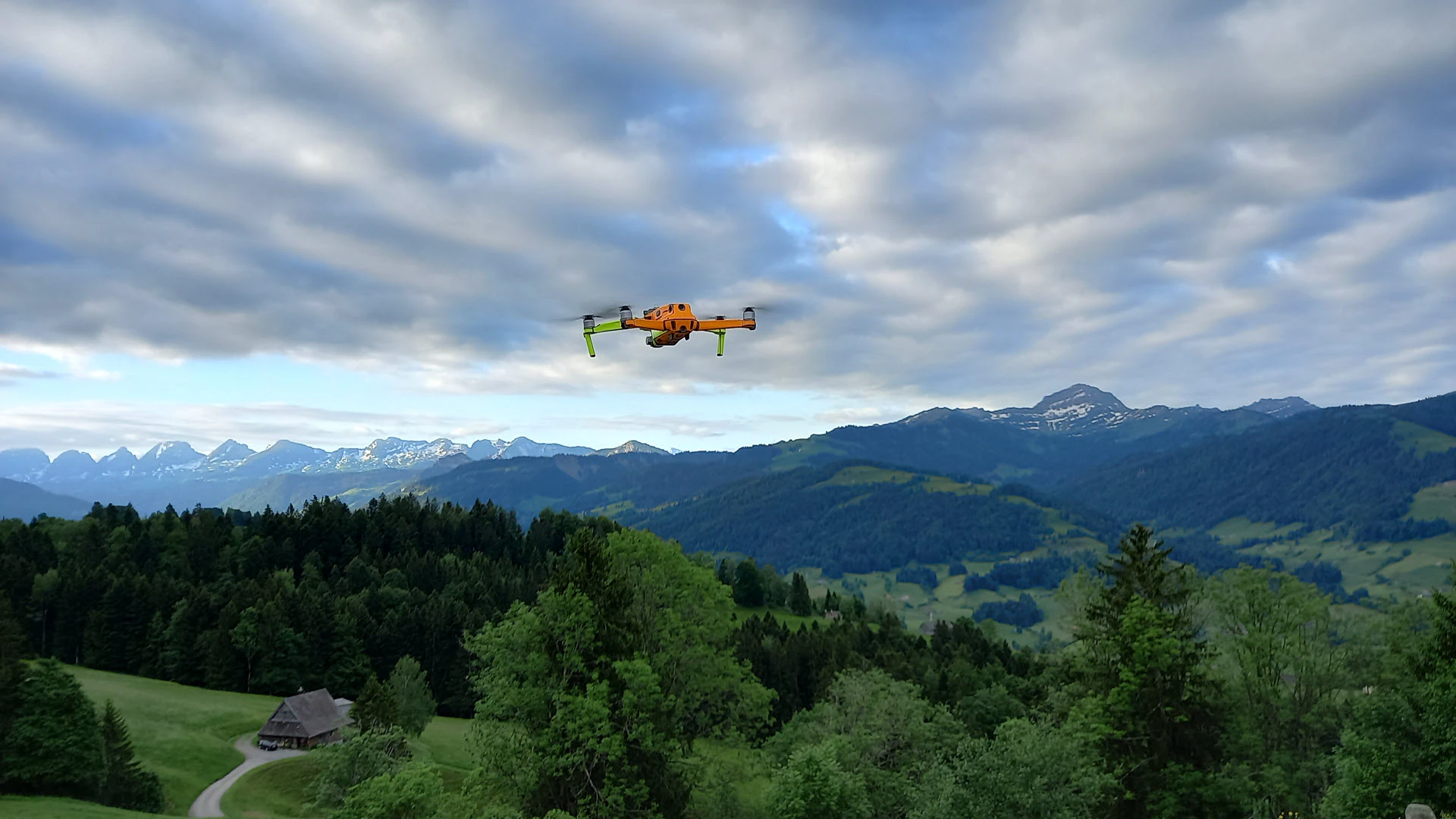
Drones to Find Lost Livestock in Summer Farming?
Further information is available in the following languages: German, French, Italian.
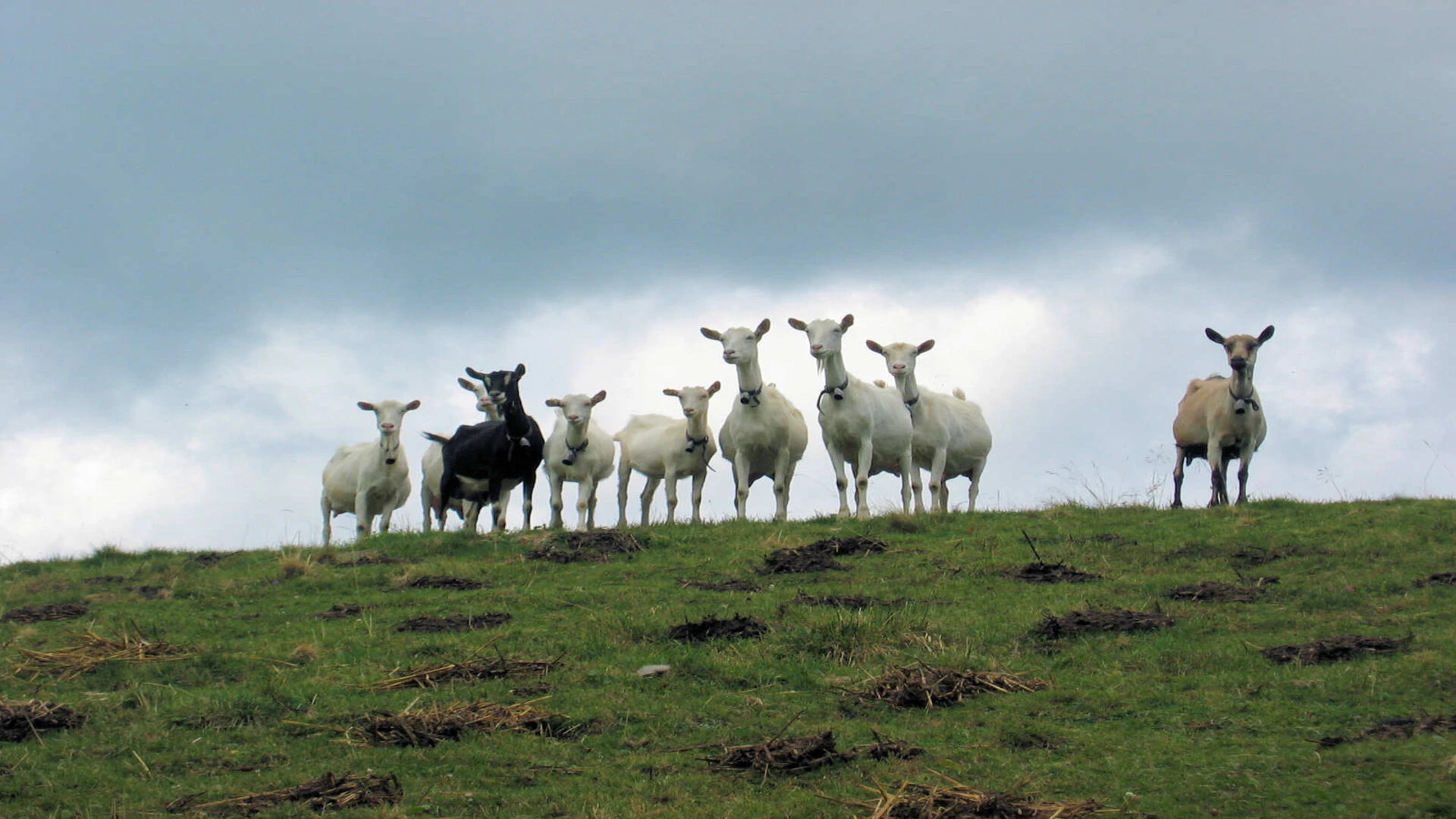
Goat Husbandry: Standard Values for Feed Intake and Nutrient Excretion Adjusted
Standard values for livestock feed intake and excretion are essential for proper farm fertilisation planning and assessment of the farm’s nutrient balance. Agroscope adjusted the standard values for goats with the aim of improving nutrient-flow assessment.
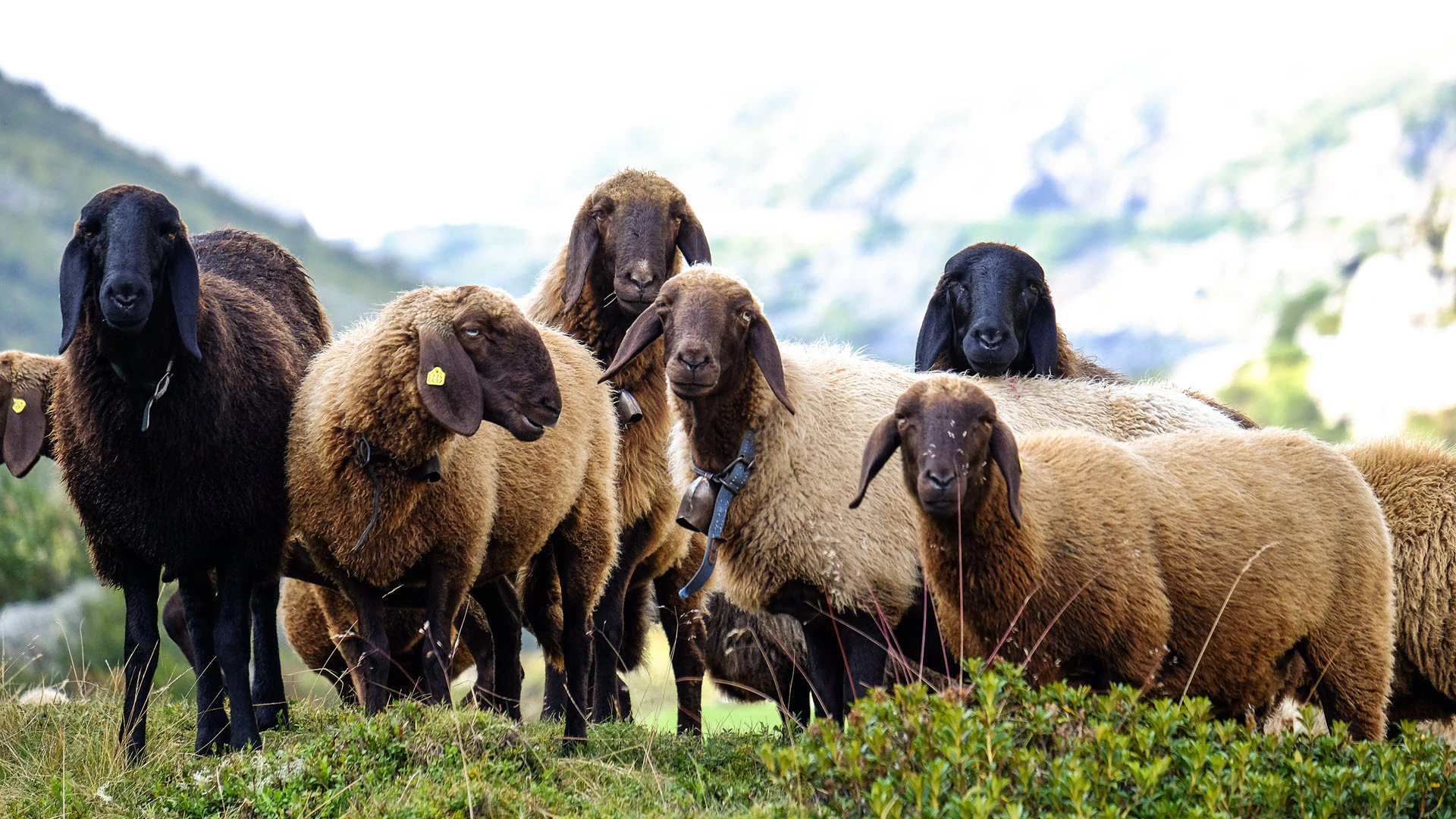
Sheep Husbandry: Feed Intake and Nutrient Excretion Guidelines Adjusted
Standard values for livestock feed intake and excretion are essential for proper farm fertilisation planning and assessment of the farm’s nutrient balance. Agroscope adjusted the standard values for sheep with the aim of improving nutrient-flow assessment.
Hereditary HIP Disease in Franches-Montagnes: Genetic Test Available
Further information is available in the following languages: German, French, Italian
Feeding Pigs According to Their Nutrient Requirements Reduces Nutrient Losses
The protein and phosphorus requirements of pigs change according to life phase. Optimised phase feeding can improve nutrient efficiency and reduce the import of feedstuffs. New Agroscope factsheets highlight how this can be achieved and examine trade-offs.
Sheep and Goats Feed Selectively
Dairy sheep and goats pick their favourite components out of mixed rations, thereby substantially altering the composition of the feed within a short space of time. This makes the use of mixed rations for small ruminants challenging.
A Possible New Disease of Franches-Montagnes Horses
Agroscope is supporting a research project conducted by the Vetsuisse Faculty of the University of Bern that aims to develop a test capable of identifying Franches-Montagnes horses that have a specific genetic defect. This defect could be responsible for a potentially incurable metabolic disease.
Meat Production in Areas with POP Contamination
Can meat be safely produced in areas contaminated by persistent organic pollutants (POP), also known as eternity chemicals? A case study shows that depuration of livestock is feasible and expands scientific knowledge on the subject.
How environmental pollutants accumulate in livestock and what can be done about it
Investigations conducted by the canton of St Gallen have revealed high levels of per- and polyfluoroalkyl substances (PFAS) in samples of beef meat. Agroscope is studying the transfer of these ‘forever chemicals’ in ruminants, thereby contributing to ensuring the meat and milk safety.
Grazing Dairy Cows Adapt their Behaviour to Heat Stress
Heat stress is a growing threat to the welfare, health and productivity of dairy cows, especially on the pasture. Commercial farms need simple indicators that enable farmers to detect heat stress at an early stage.
Alpine and Mountain Agriculture: Adapting to a Rapidly Changing World
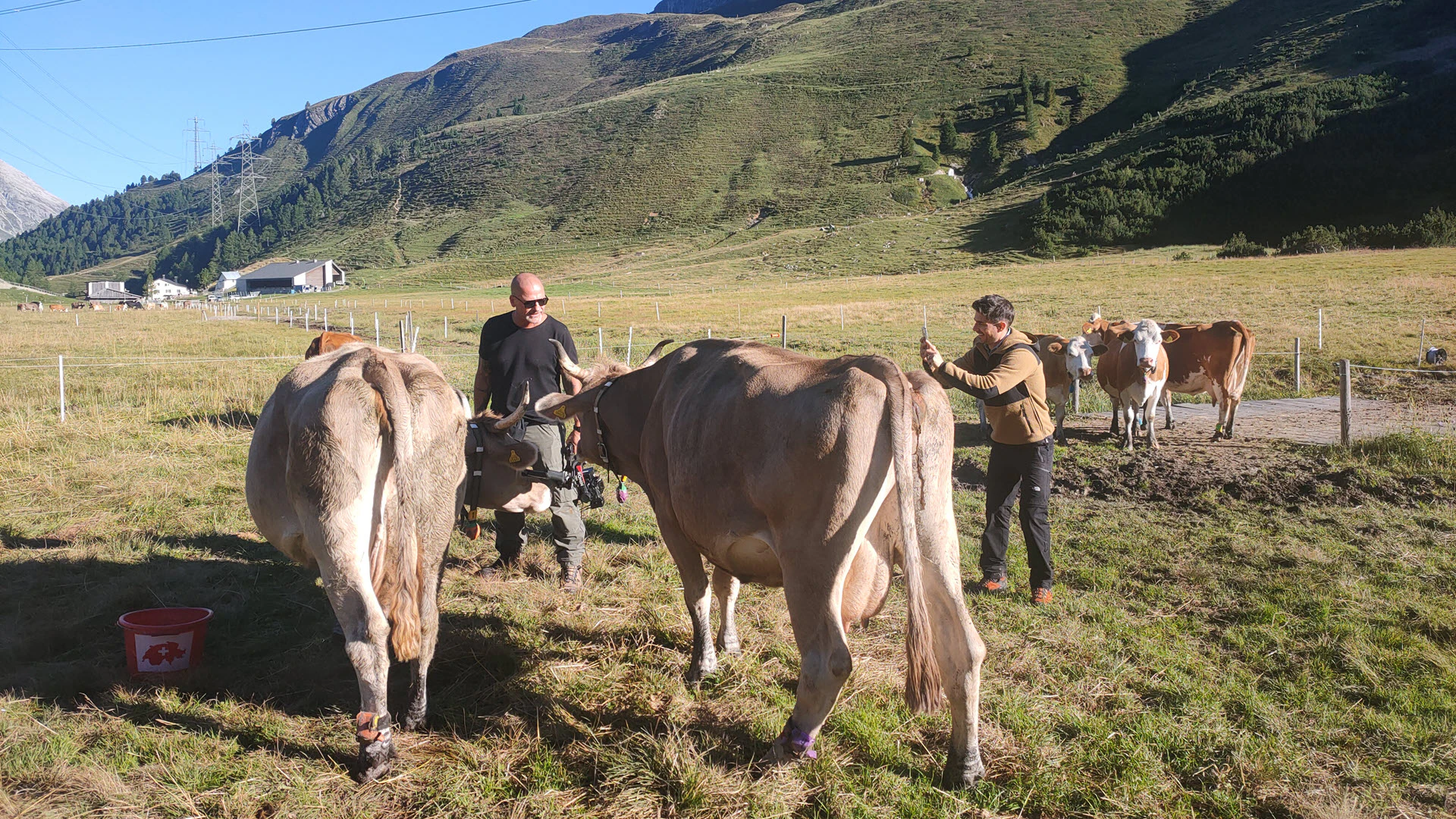
For three years now, the Alpine and Mountain Agriculture Experimental Station has been helping farms at higher altitudes deal with increasingly demanding production conditions. In a meeting of tradition and technology, ongoing trials and initial results were presented to the media on 2 July in the Canton of Graubünden. Below, some information on the projects.
Virtual Fencing without Long-Term Stress for Cows
Agroscope researchers tested a virtual fencing system that delimits the pastures without a physical barrier, using acoustic and electrical signals only. The cows quickly learned the system without longer-term negative effects on animal welfare.
Measuring Heat Stress in Dairy Cows
When does heat stress become critical for dairy cows? An index makes this measurable. Agroscope has carried out recent calculations for four of its own sites.
Agroscope Capsule Collects Gut Microbiome
Researchers from Agroscope have developed a capsule which can take a gut sample unobtrusively from a live pig. This animal-friendly invention has revolutionary implications for microbiome research.
Researching in the System and with Practice
Agroscope’s new 2022–2025 Work Programme aims to strengthen system research and co-create more research with farmers. It is also increasingly guided by the principles of agroecology.


.JPG?rect=0%2C0%2C1920%2C1080&w=1024&auto=format)