Climate and Air
Agriculture has a complex and varied relationship with the climate. It is an actor in that it emits but also sequesters greenhouse gases. It also causes nitrogen and odour emissions. At the same time, it must adapt to climate change in order to continue to ensure good yields.
News
Topics
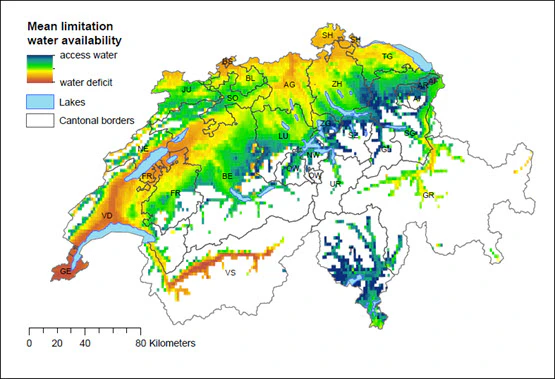
Agriculture under Climate Change
It can be assumed that climatic conditions will change noticeably over the coming decades, with consequences for Swiss agriculture as well.

CO2 Sinks and Sources in Agricultural Soils
Switzerland reports annual CO2 emissions and storage of arable and grassland soils as part of the ‘Land Use, Land-Use Change and Forestry’ category of its national greenhouse gas inventory.
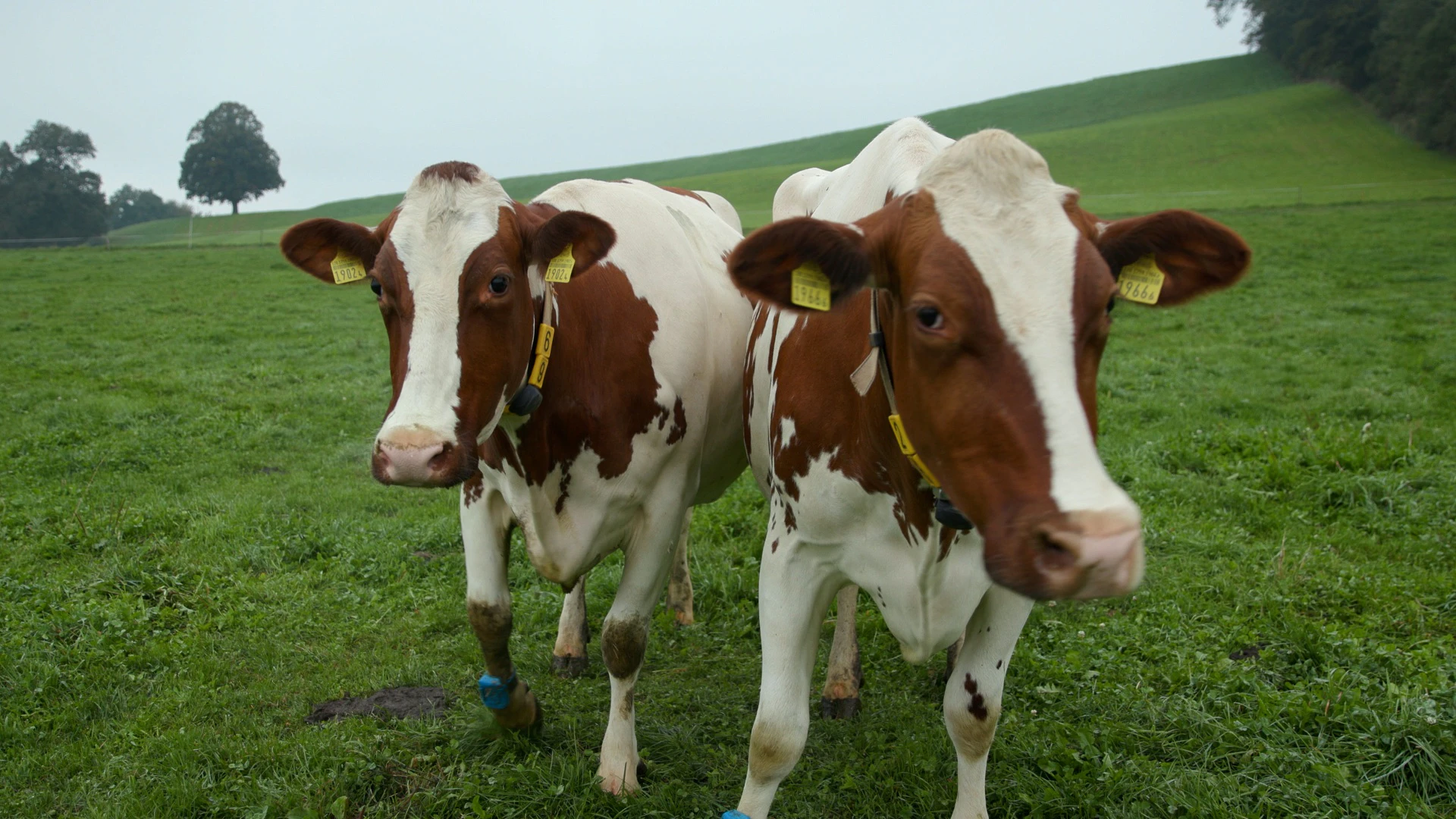
Recording and Reducing Greenhouse-Gas Emissions
This project investigates the impact of grassland-use measures for reducing greenhouse-gas emissions under real-life conditions in Switzerland. Suitable methods are developed for estimating the potential and the actual impact of the implementation of the reduction measures at national level, so that greenhouse-gas emissions can be more easily recorded in the inventory, as well as forecasted. At the same time, direct and indirect greenhouse-gas effects are quantified, and trade-offs with other environmental impacts are investigated.
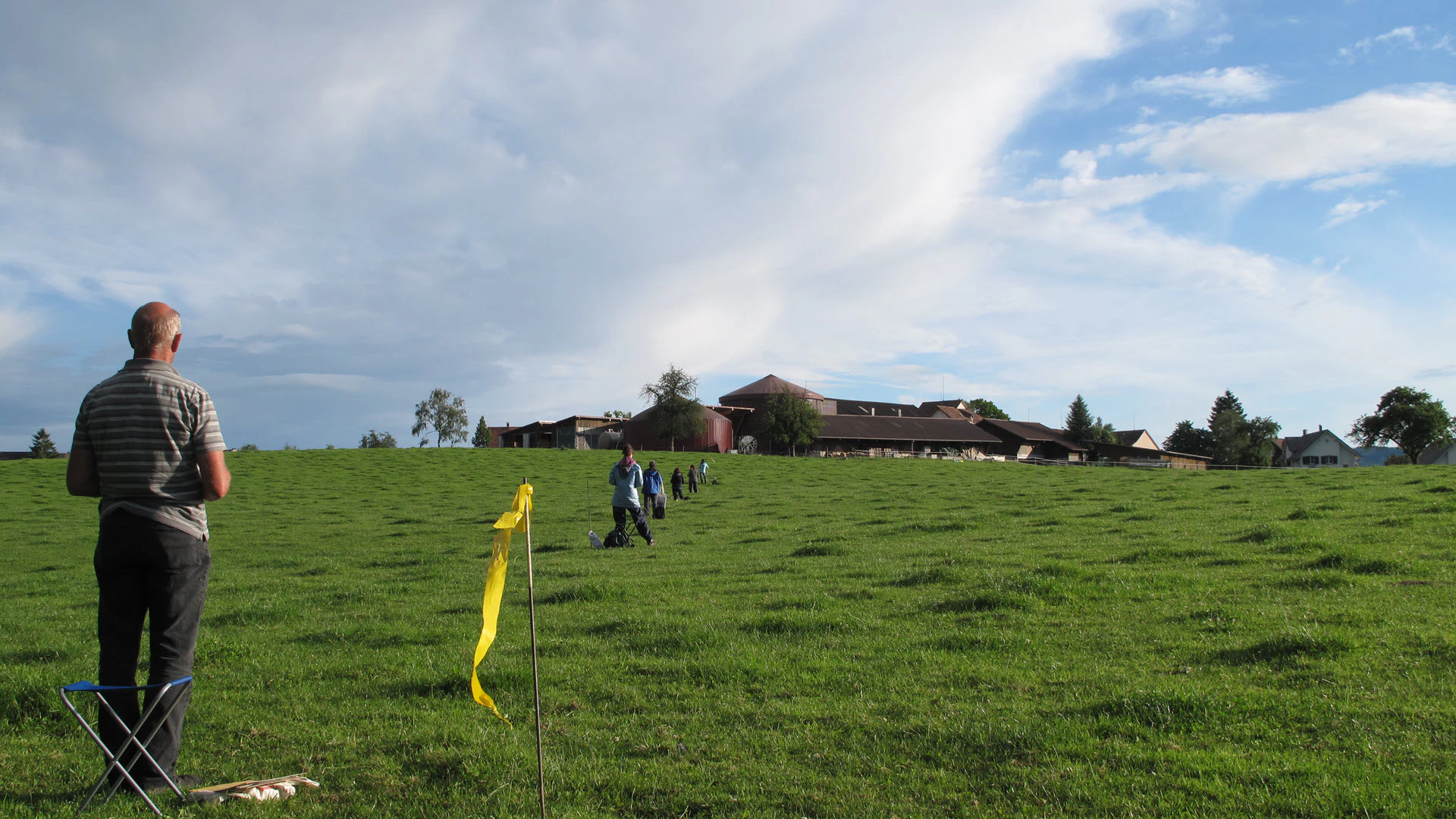
Odour Research as a Basis for Determining Distances from Animal Housing Systems
On the impact side, the range of the odour plume and the frequency of odour intensities are determined in odour-plume inspections conducted by assessors

Ammonia Reduction in Cattle Husbandry
In order to meet Agriculture-Related Environmental Objectives (AEO), total emissions of ammonia (NH3) in Switzerland must be reduced by around 40%. Both structural-procedural and organisational methods are necessary for reducing NH3 emissions from cattle-housing systems.