
CO2 Sinks and Sources in Agricultural Soils
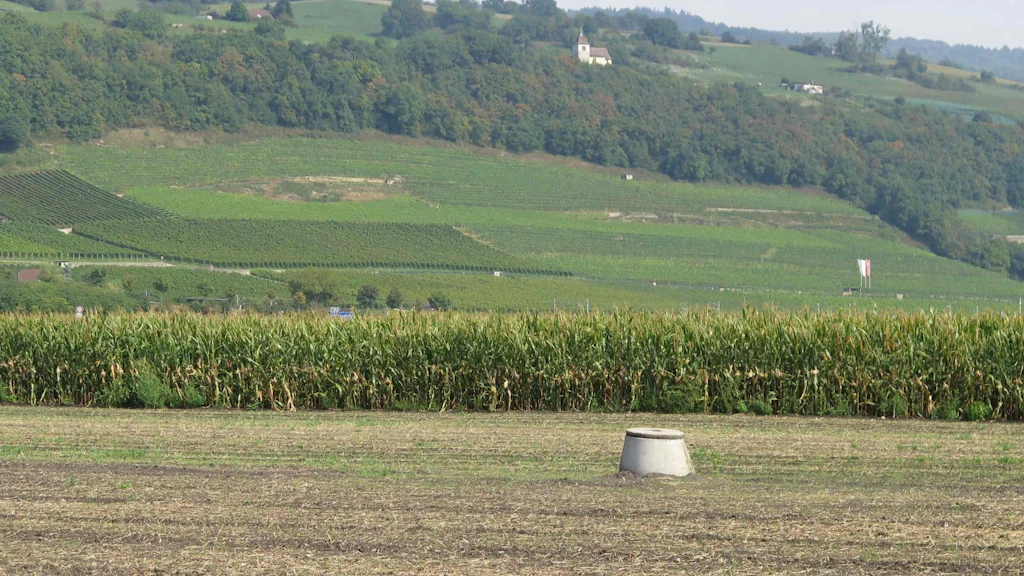
Swiss Soil Carbon Inventory
Switzerland reports annual CO2 emissions and storage of arable and grassland soils as part of the ‘Land Use, Land-Use Change and Forestry’ category of its national greenhouse gas inventory.
We have developed an inventory system which is based on a dynamic process model (RothC) and which incorporates annual measurement data in its calculations. For the simulations, the total agricultural area is divided into regions with similar conditions (climate, land use, soil properties). Plant yields, farmyard-manure inputs and meteorological data are required as input data for the modelling. Since 2019, the model-based inventory is used for the calculation of annual carbon-stock changes in agricultural mineral soils.
Agricultural Management and Soil Carbon Dynamics
Agricultural activities affect soil carbon content, and hence the role of soils as CO2 sources or sinks. On the input side, this is primarily a result of crop rotation in the case of arable crops, and of land-use intensity in the case of grasslands.
Organic Soils
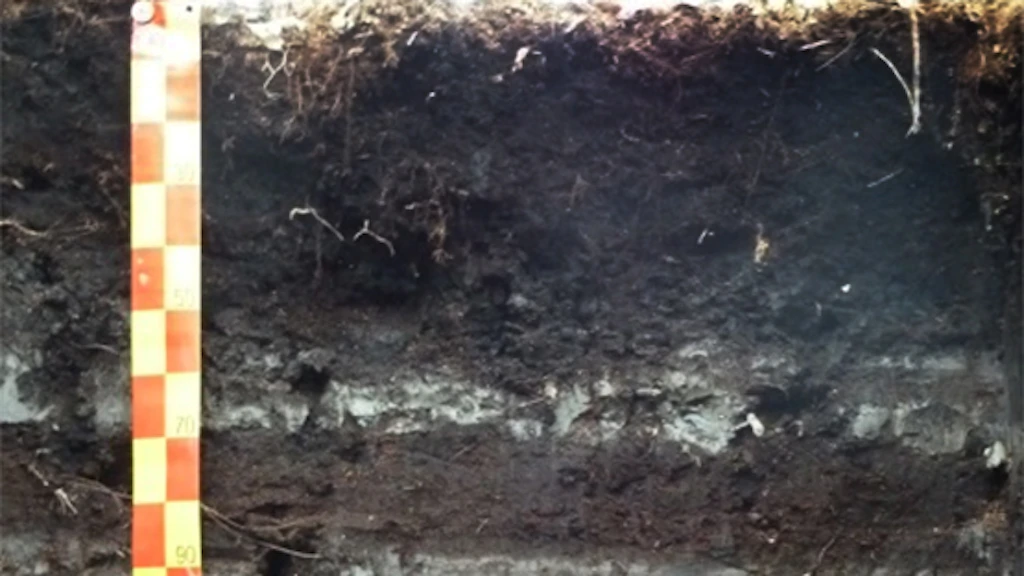
Organic soils are important carbon sinks. In bogs and fens, they are formed by the incomplete (anaerobic) decomposition of plant matter in the waterlogged soil. The agricultural use of these soils generally requires their drainage. Aeration of the previously waterlogged strata leads to terrain subsidence, peat decomposition, and thus to major and persistent CO2 and N2O emissions.
Biochar
Biochar is produced from organic waste at temperatures of between 400 and 700 °C whilst excluding oxygen. Because of its high stability in the soil, it is regarded as a potential CO2 sink. What’s more, the use of biochar could influence the cycling of nutrients – particularly nitrogen – in the soil, as well as increase water-storage capacity.