

Biosafety Research Objectives
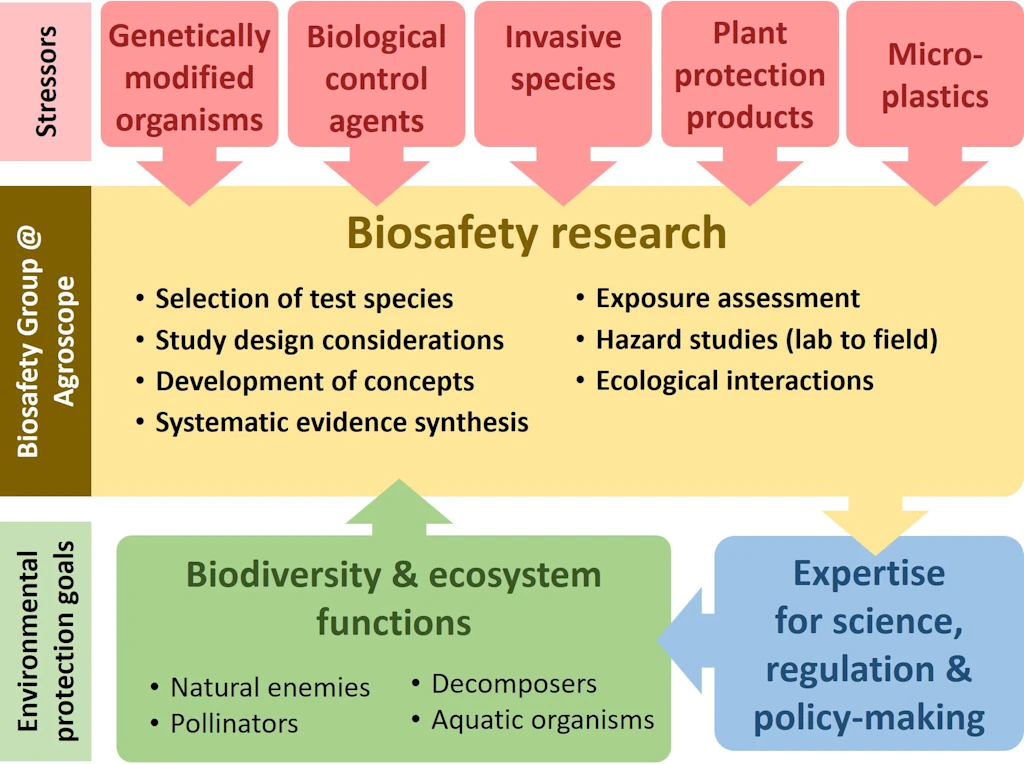
We study the environmental benefits and risks of novel organisms and technologies in agriculture, focusing on biodiversity and ecological processes. Through experimental and conceptual risk assessment research, we provide scientific evidence to support the safe and sustainable use of agricultural innovations.
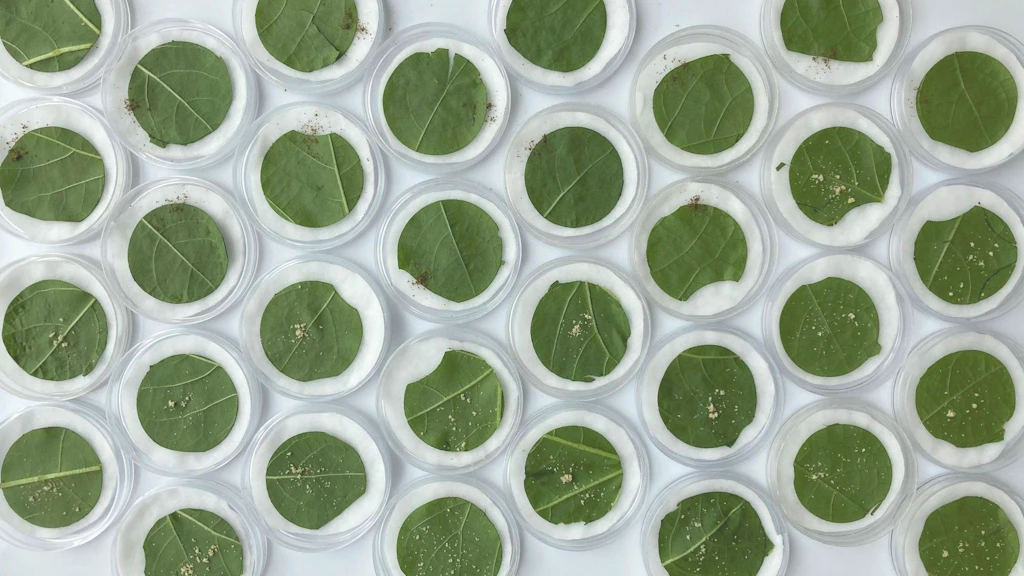
The term ‘biosafety’ encompasses, among others, the control of biological risks. From this perspective, we investigate the impacts of novel organisms and technologies on Swiss agriculture.
The use of living and reproducing organisms, such as genetically modified (GM) plants and macroorganisms for biological plant protection offers opportunities for an efficient, environmentally friendly and sustainable agricultural sector. These novel organisms, however, can also be associated with environmental risks. In addition, introduced invasive species pose a challenge for agricultural production and agroecosystems. Similarly, the use of agricultural technologies such as plant protection products or mulch films and other plastic products may negatively impact agricultural biodiversity and ecological functions. Consequently, such organisms and technologies must in many cases undergo an approval process before they can be used.
In the Biosafety Research Group at Agroscope, we investigate potential positive and negative effects of novel organisms and technologies in agriculture on biodiversity and ecological processes.
We develop scientifically sound concepts for environmental risk assessment and conduct experimental research to assess the exposure of arthropods to new stressors. We study potential hazards and the interaction of various organisms in the laboratory, greenhouse, and field using selected model systems.
We generate knowledge that helps with the selection of suitable test species, and develop methods and designs for impact assessment studies. We bridge gaps in knowledge by studying the ecological interactions of plants and insects and synthesise existing knowledge in a transparent and comprehensive manner in systematic reviews. We support the identification of future challenges in plant protection and their sustainable management.
Based on our biosafety research we make expert knowledge available to the scientific, regulatory and policy sectors, thereby contributing to the safe and sustainable use of novel organisms and technologies in agriculture.
Further information
Index
Read more

Assessment of the benefits and risks of macroorganisms
Macroorganisms are widely used to protect crops from pests. Their use should be appropriate, safe, and in accordance with international guidelines.
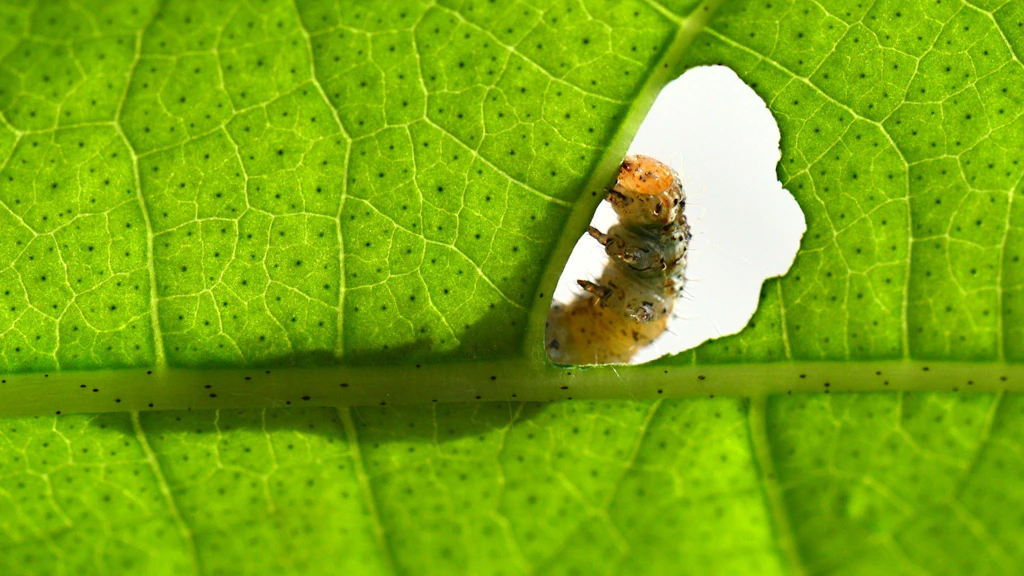
Genetically modified organisms for a sustainable agricultural sector
Genetically modified plants, new precision-breeding technologies and biotechnological applications such as RNA-based plant protection products are opening up opportunities for a more efficient, more environmentally friendly agricultural sector. Our research develops concepts and methods for risk assessment and creates the scientific basis for their safe use and effective regulation.
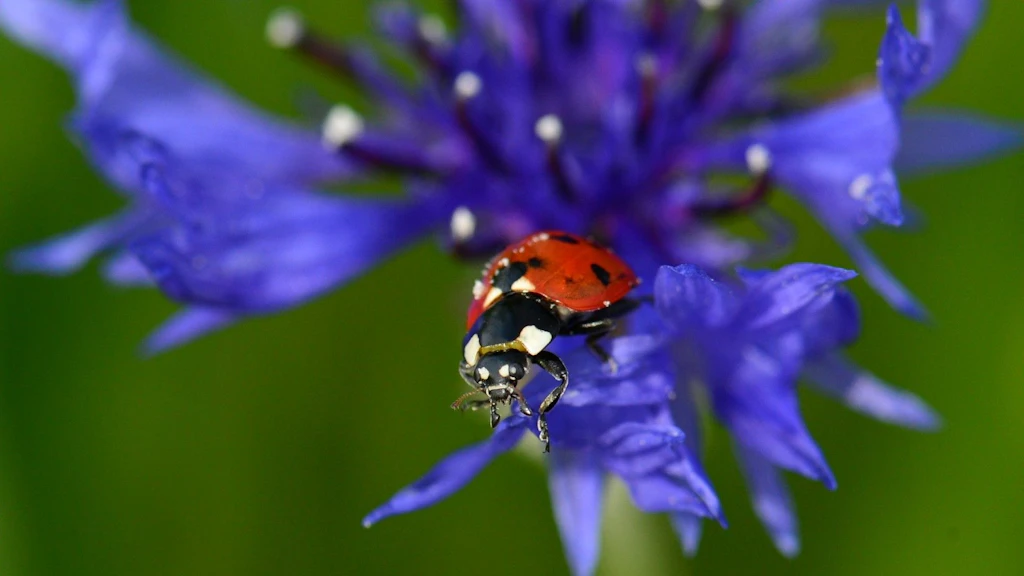
Risks of chemical plant protection products for biodiversity in agricultural habitats
Although strictly regulated, chemical plant protection products are criticised for their potential impact on the environment and biodiversity. We investigate their effects on arthropod diversity outside of cultivated areas, e.g., in flower strips, and furnish principles for improving risk assessment, regulation and conservation measures.
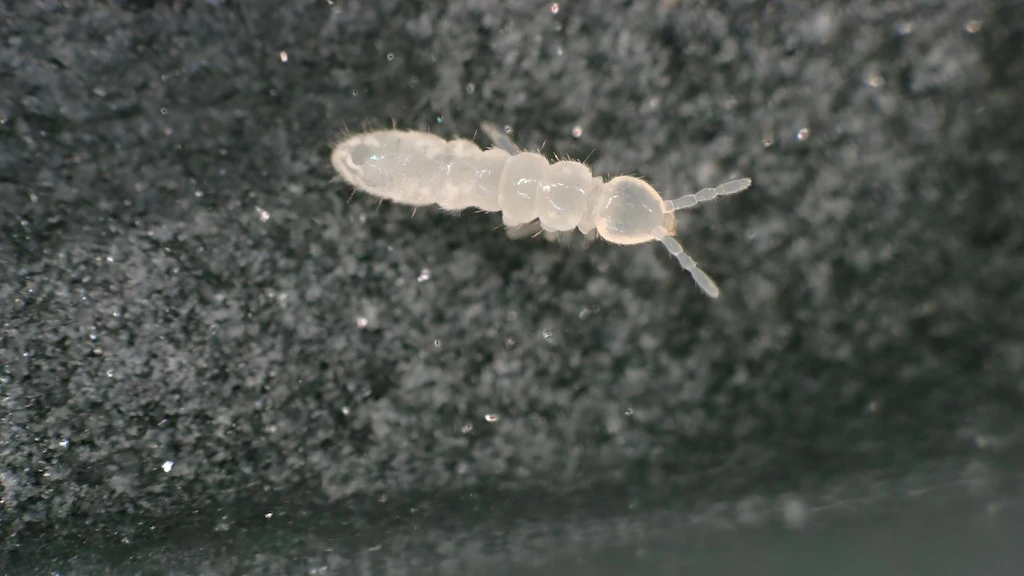
Plastic residues in agricultural food webs
Plastic residues can persist in soils for decades, fragmenting into micro- and nanoplastics with potential risks for soil health and productivity. We investigate their interactions with soil organisms to better understand their ecological impacts.
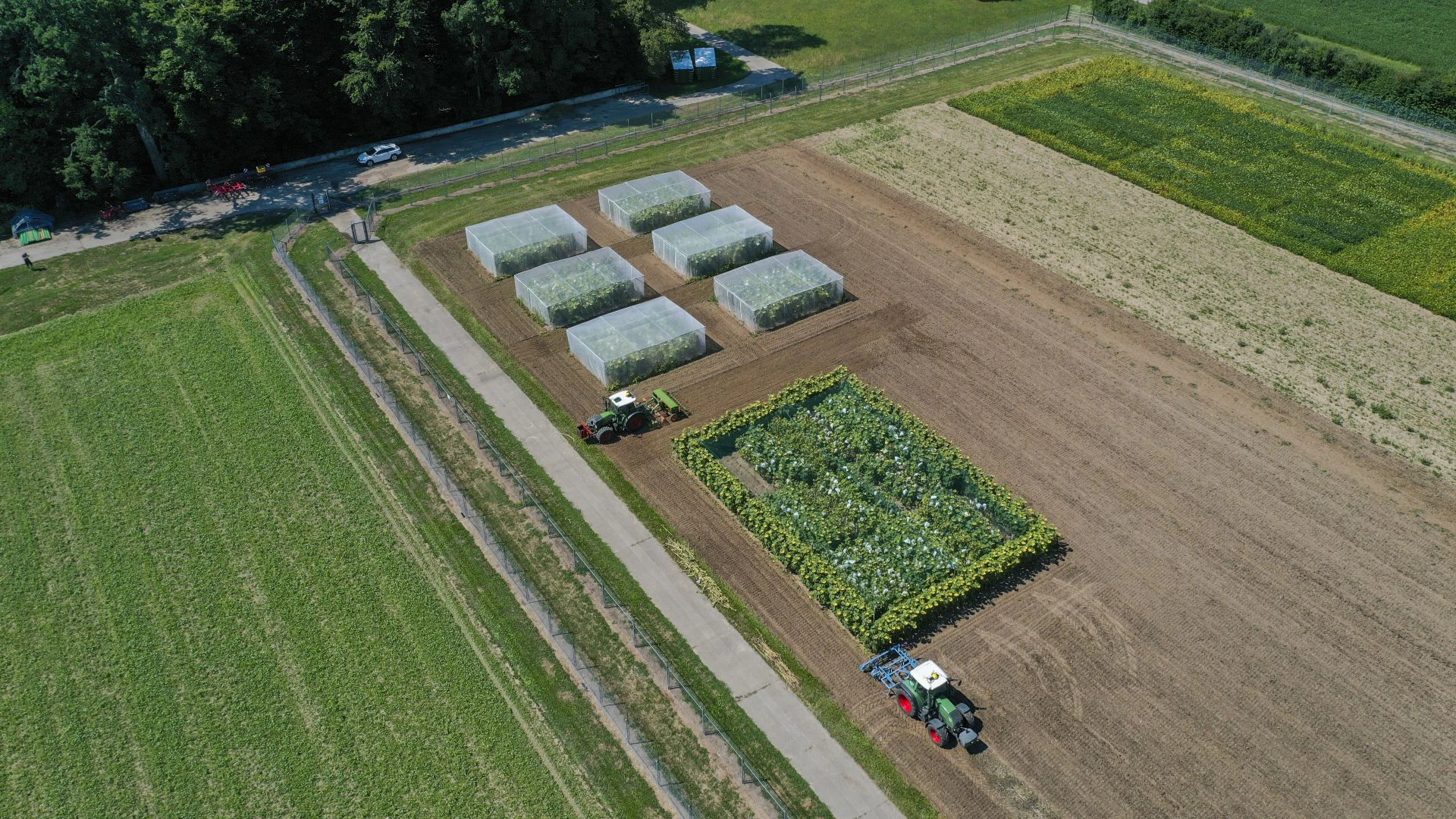
Protected Site - Site for Field Trials of Genetically Modified Plants
Agroscope is operating a protected field site at the location Reckenholz (Zurich) to enable field experiments with genetically modified plants in Switzerland. The aim of those experiments is to identify the potential and the limitations of green gene technology.
.jpg?rect=0%2C0%2C1920%2C1080&w=1024&auto=format)
Biosafety
The ‘Biosafety’ Research Group investigates the environmental impacts of agricultural technologies on biodiversity and arthropods. The topics addressed encompass genetically modified plants, macroorganisms for plant protection, invasive species, pesticides and (micro)plastics. In addition to experimental research in the laboratory, greenhouse and field, concept studies are developed to assess the opportunities and risks posed by various technologies.