
Site for Field Trials of Genetically Modified Plants
Agroscope is operating a protected field site at the location Reckenholz (Zurich) to enable field experiments with genetically modified plants in Switzerland. The aim of those experiments is to identify the potential and the limitations of green gene technology.
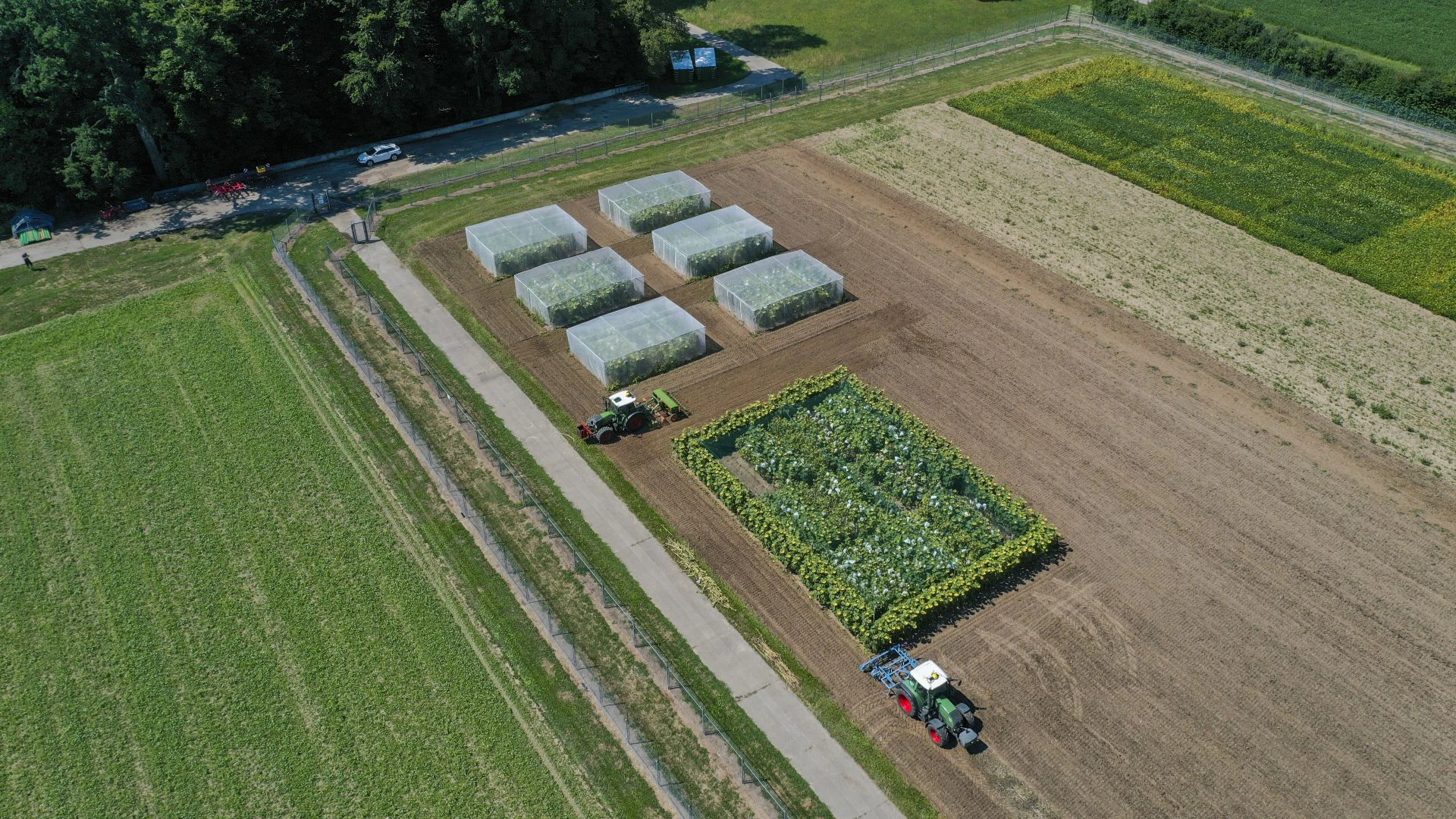
Field trials of genetically modified plants are again conducted in Switzerland since 2014, in order to identify opportunities and limitations of green gene technology. In field experiments with genetically modified plants (GMPs), researchers are studying how these plants behave in the environment, as well as investigating new GMPs for agriculture in terms of the benefits and risks they pose.
As a service for researchers engaged in this work, Agroscope set up an experimental field at the Reckenholz (canton of Zurich) site. To prevent the destruction of the trials through vandalism, a protected experimental site (‘Protected Site') has been set up. As the operator of the Protected Site, Agroscope is responsible for technical security, and ensures agronomic support as well as technical and scientific coordination. Among the technical security measures are perimeter fencing, round-the-clock guarding and surveillance of the experimental field, and an alarm system.
The Protected Site is publicly funded. The field is available for the use of researchers from Switzerland for trials with GM plants.
Further information

Index
Project Information
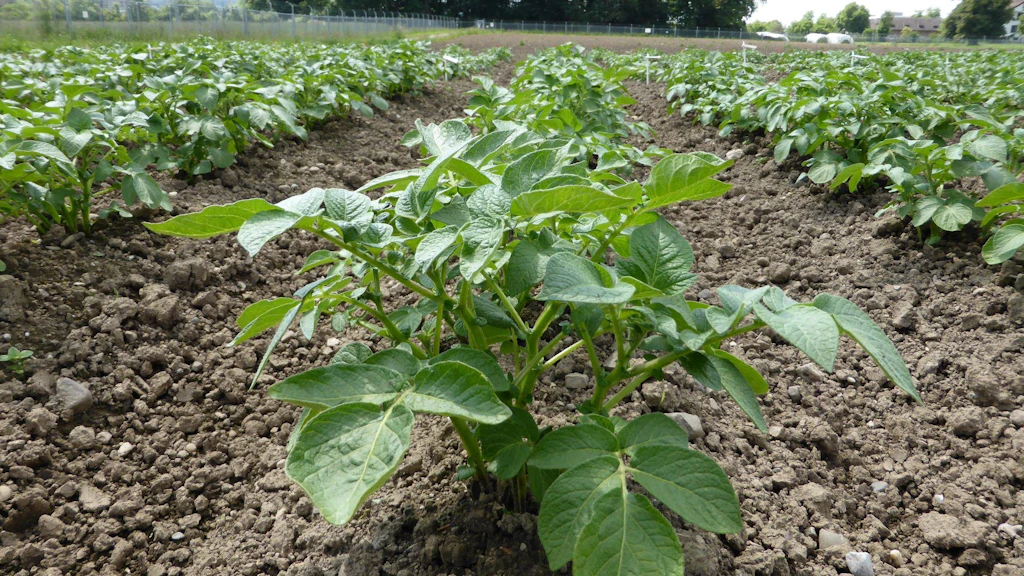
CRISPS Project (NRP 84): More Resistant Potatoes Through New Breeding Techniques (Agroscope)
The CRISPS project started in May 2025. In December 2025, Agroscope submitted an application to the Federal Office for the Environment (FOEN) to conduct a field trial at the Protected Site with a cisgenic potato line. This field trial also serves as preparation for further releases, with this line being an essential control. A second release application is expected to be submitted soon for new, genome-edited potato lines developed in the CRISPS project.
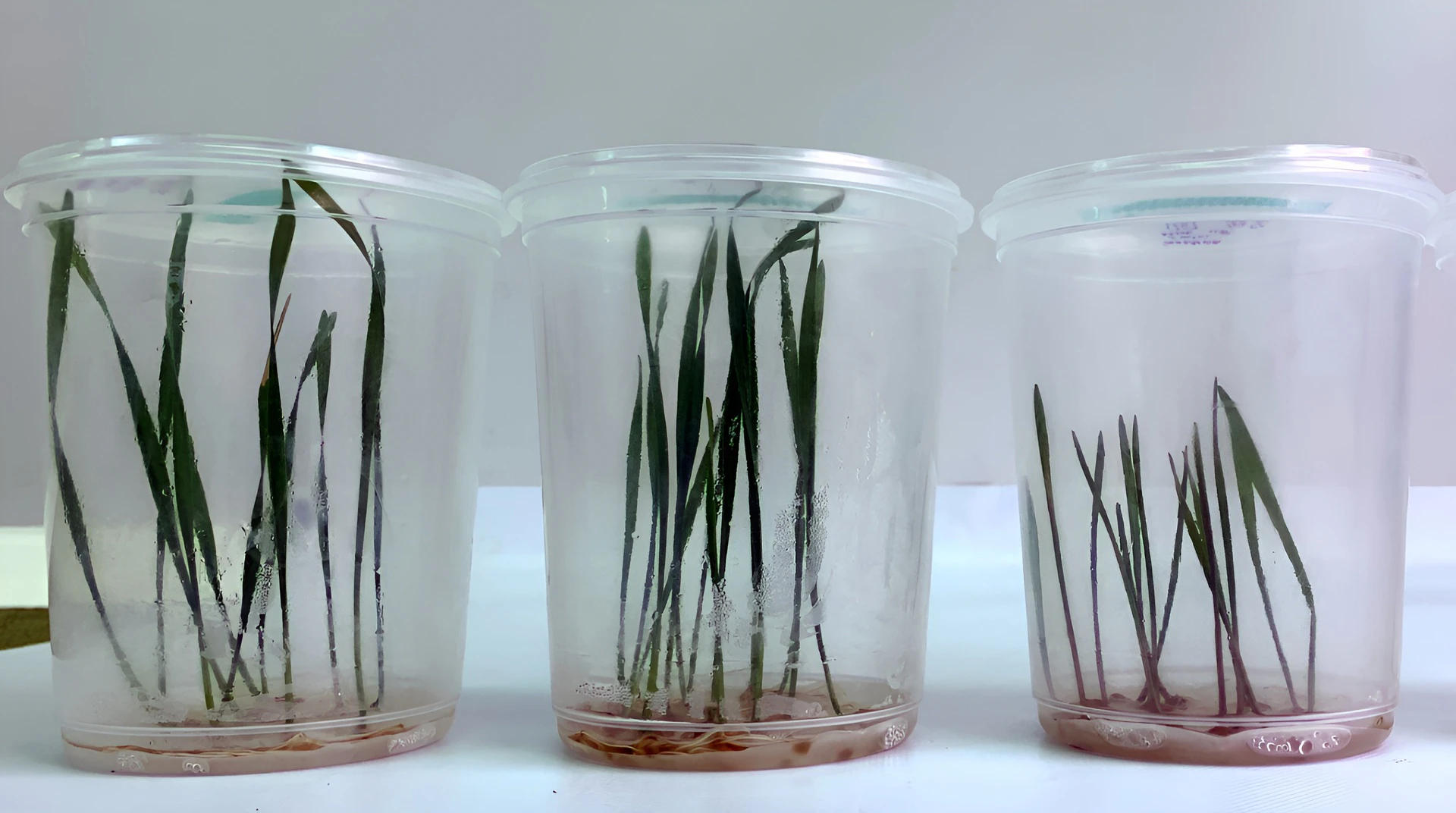
Screen for fungal resistances in TEgenesis-treated wheat
TEgenesis® is a new breeding method which, among other things, accelerates climate-change adaptation in plants. The method therefore has great potential for finding faster responses to the challenges of the agriculture and food sector than conventional breeding can.
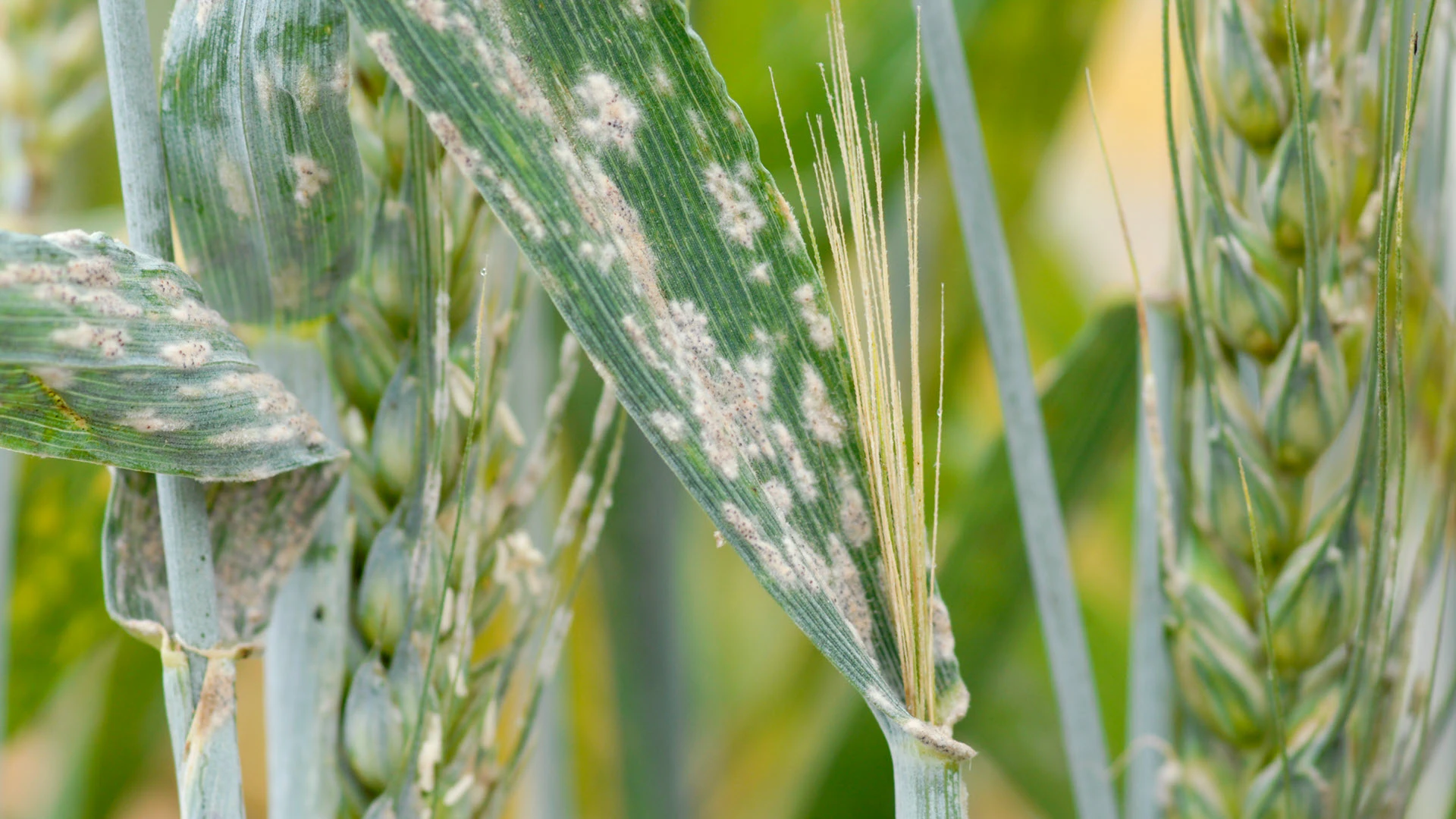
Wheat with Improved Powdery Mildew Resistance (University of Zurich)
The first field season was launched in 2014. The last harvest was carried out by the University of Zurich in 2023.
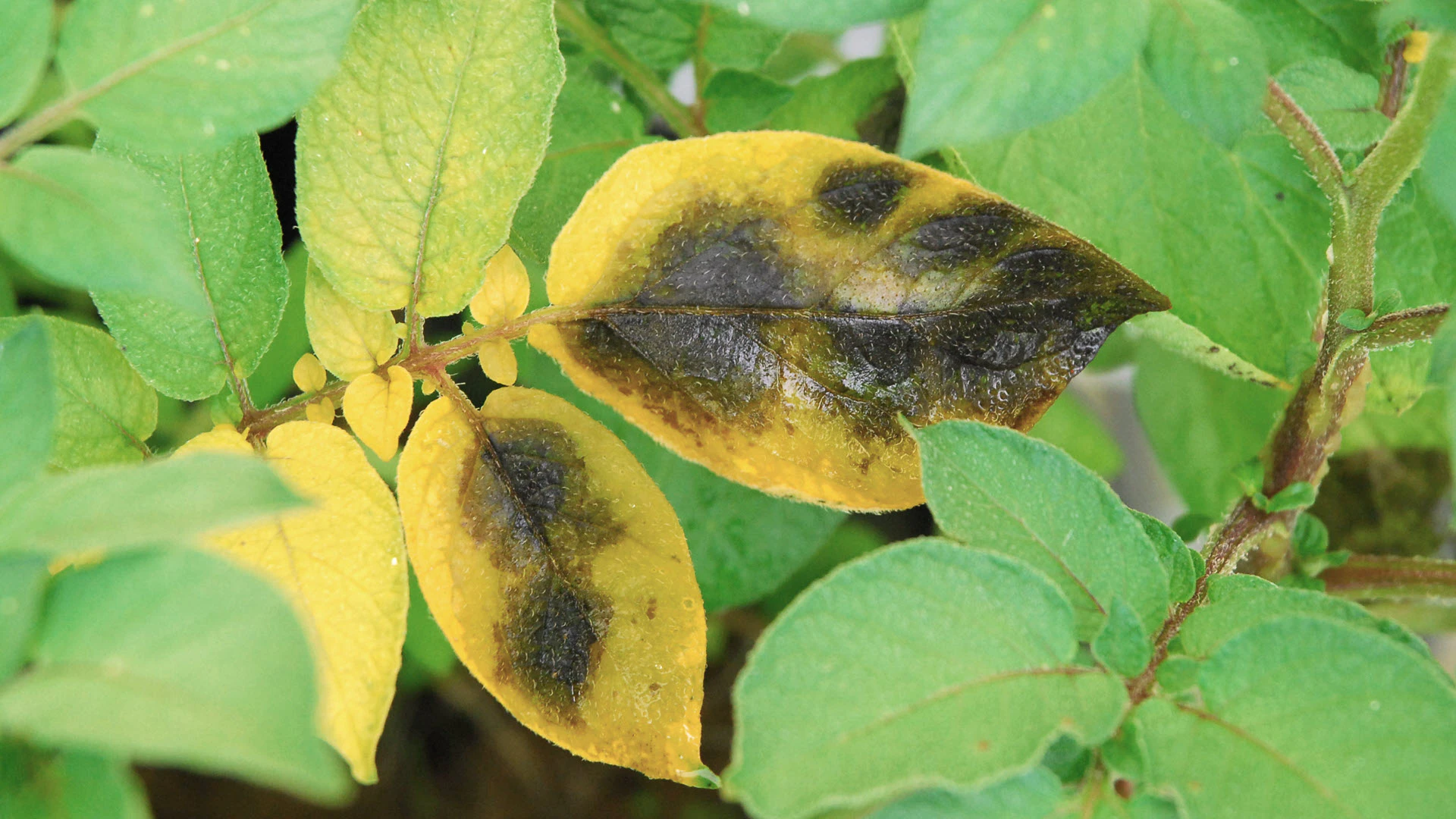
Cisgenic Potatoes with Improved Late Blight Resistance (Agroscope)
Late blight is the most important disease affecting potatoes worldwide. It is caused by the pathogen Phytophthora infestans. Researchers at Wageningen University (NL) have used genetic engineering methods to transfer genes that confer resistance to this disease from wild potatoes into two potato varieties. Agroscope studied whether the resistance thereby introduced was effective in the field under the local conditions in Switzerland.
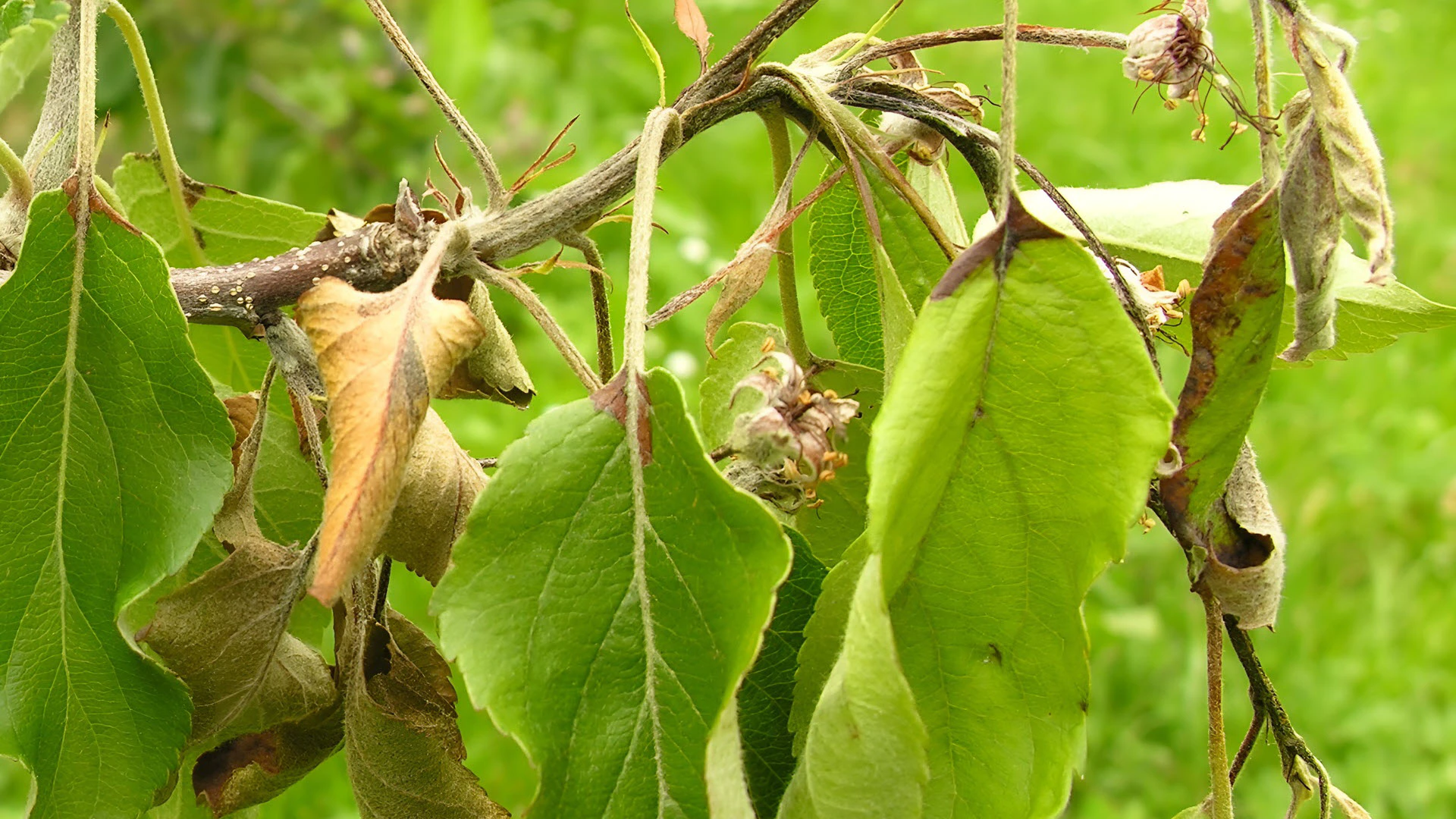
Cisgenic Apple Trees with Improved Fire Blight Resistance (Agroscope)
In the field trial, apple trees were examined to which a gene from a wild apple was transferred using genetic engineering methods. The gene confers resistance to fire blight, the most important bacterial disease affecting apple trees worldwide.
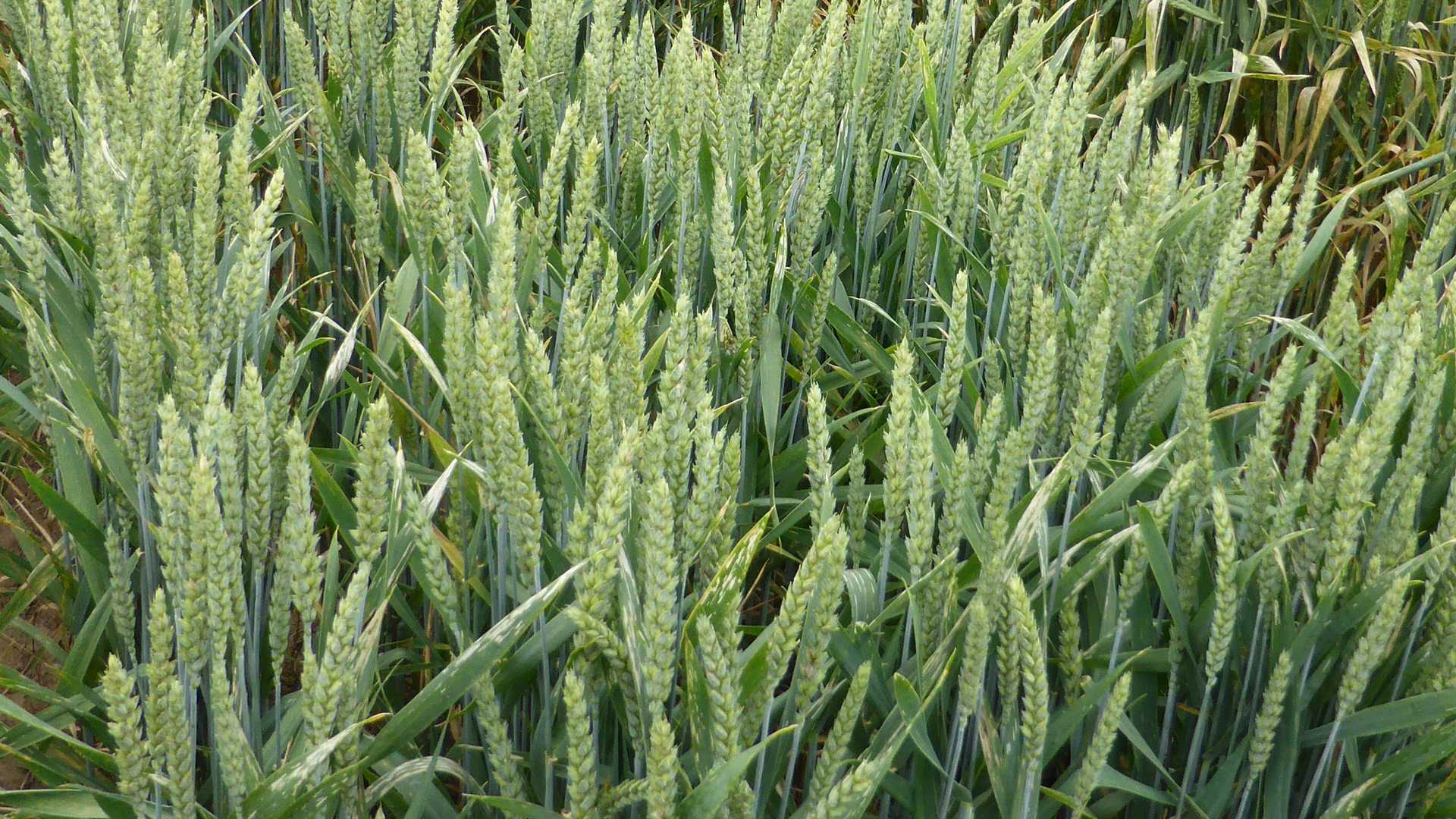
Winter Wheat with Increased Yield Potential (Agroscope)
Researchers at the Leibniz Institute of Plant Genetics and Crop Plant Research IPK in Gatersleben (Germany) have developed a genetically modified wheat with altered sugar transport. In greenhouse trials, it showed significant increases in yield compared to the non-transformed control line. Together with the IPK, Agroscope investigated the effect of the genetic modification on the performance of winter wheat under field condition in comparison with conventional winter wheat varieties.
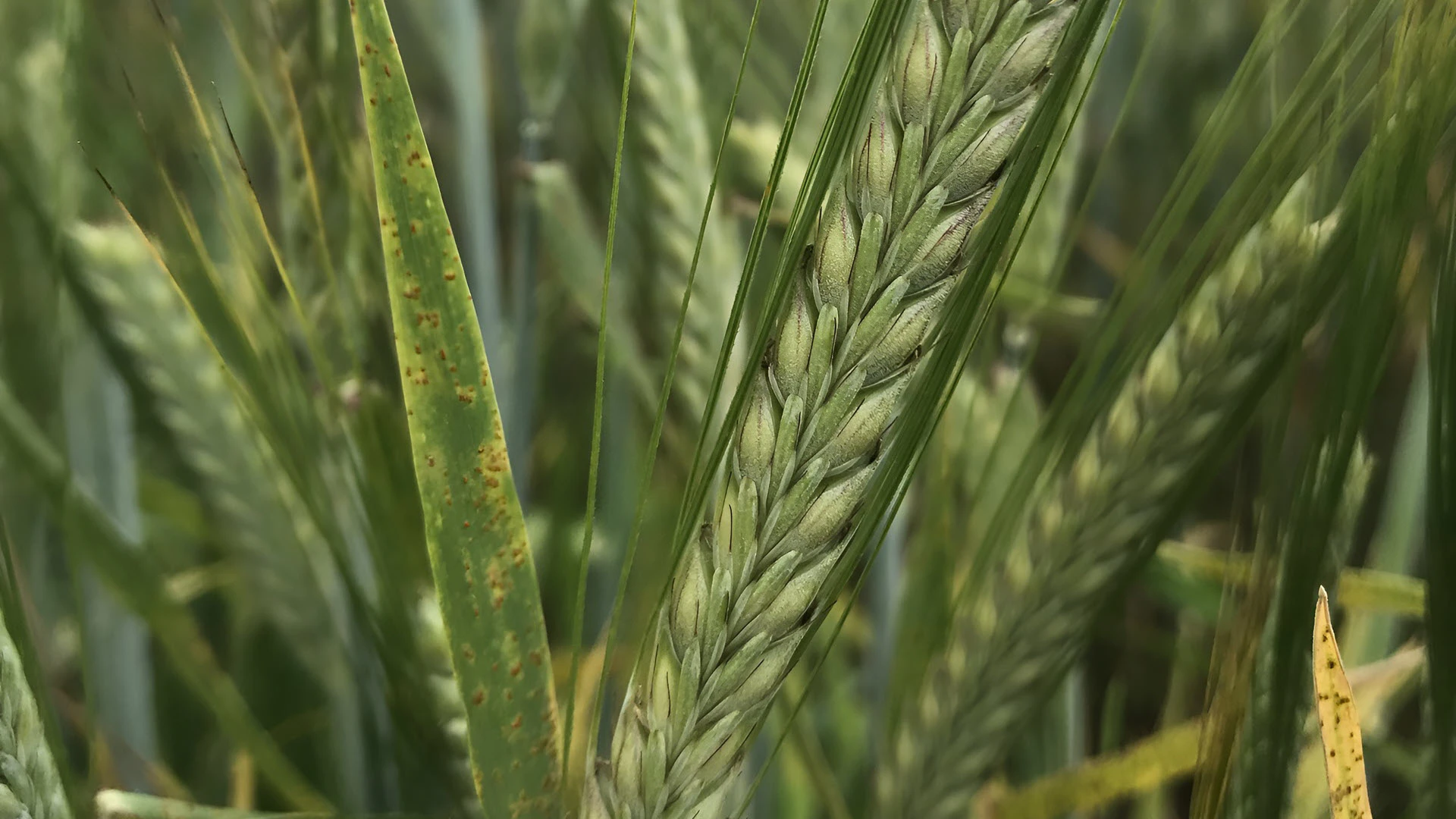
Barley and Maize with Improved Fungal Resistance (University of Zurich)
The University of Zurich carried out field trials with maize from 2020 to 2022 and with barley until 2023.
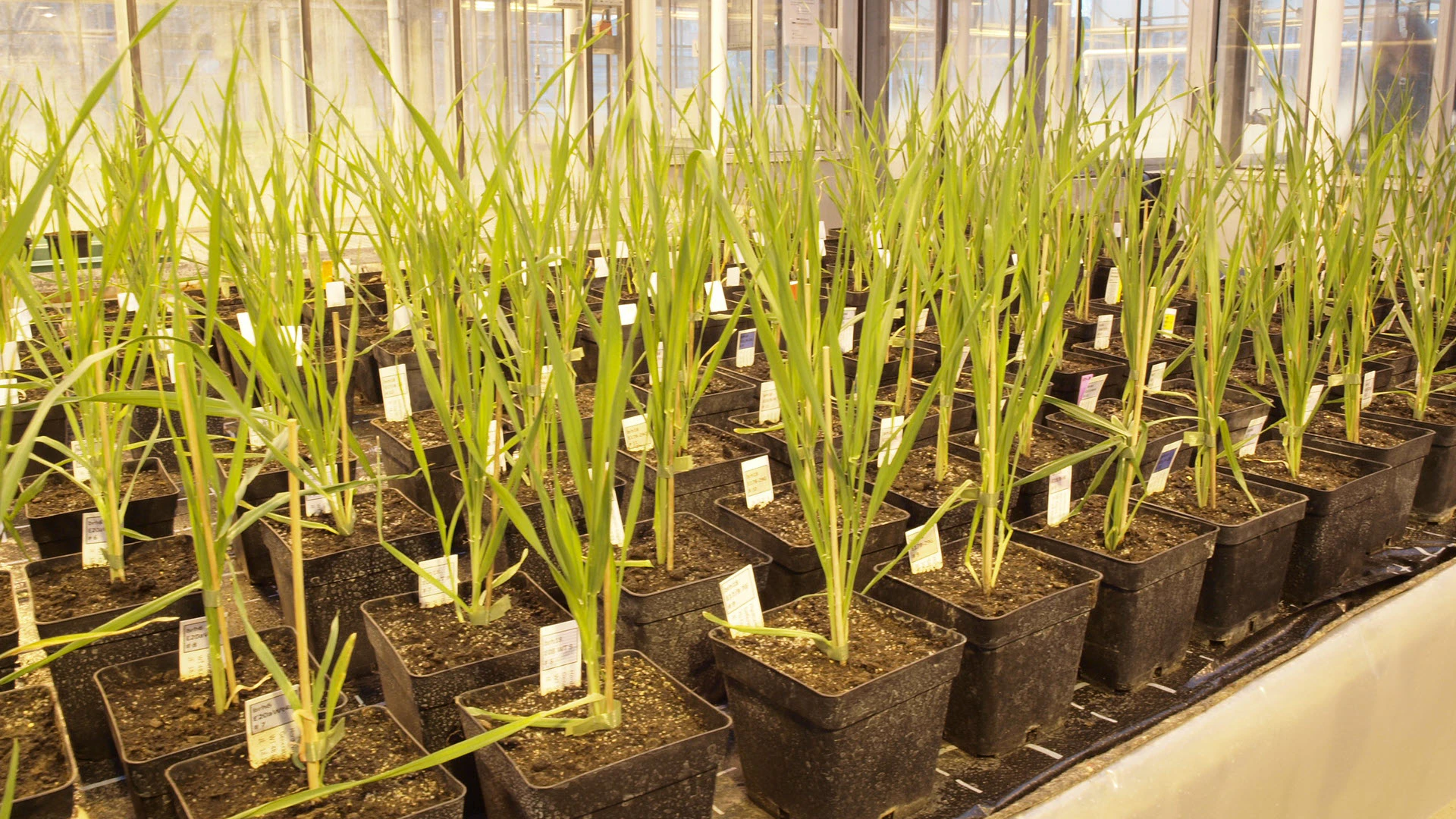
Barley with Altered Yield Traits
Agroscope submitted an application for the permit to conduct the field trial to the Federal Office for the Environment (FOEN) in September 2023. The field trial was approved on 15 February 2024.
Read more
.jpg?rect=0%2C0%2C1920%2C1080&w=1024&auto=format)
Biosafety
The ‘Biosafety’ Research Group investigates the environmental impacts of agricultural technologies on biodiversity and arthropods. The topics addressed encompass genetically modified plants, macroorganisms for plant protection, invasive species, pesticides and (micro)plastics. In addition to experimental research in the laboratory, greenhouse and field, concept studies are developed to assess the opportunities and risks posed by various technologies.
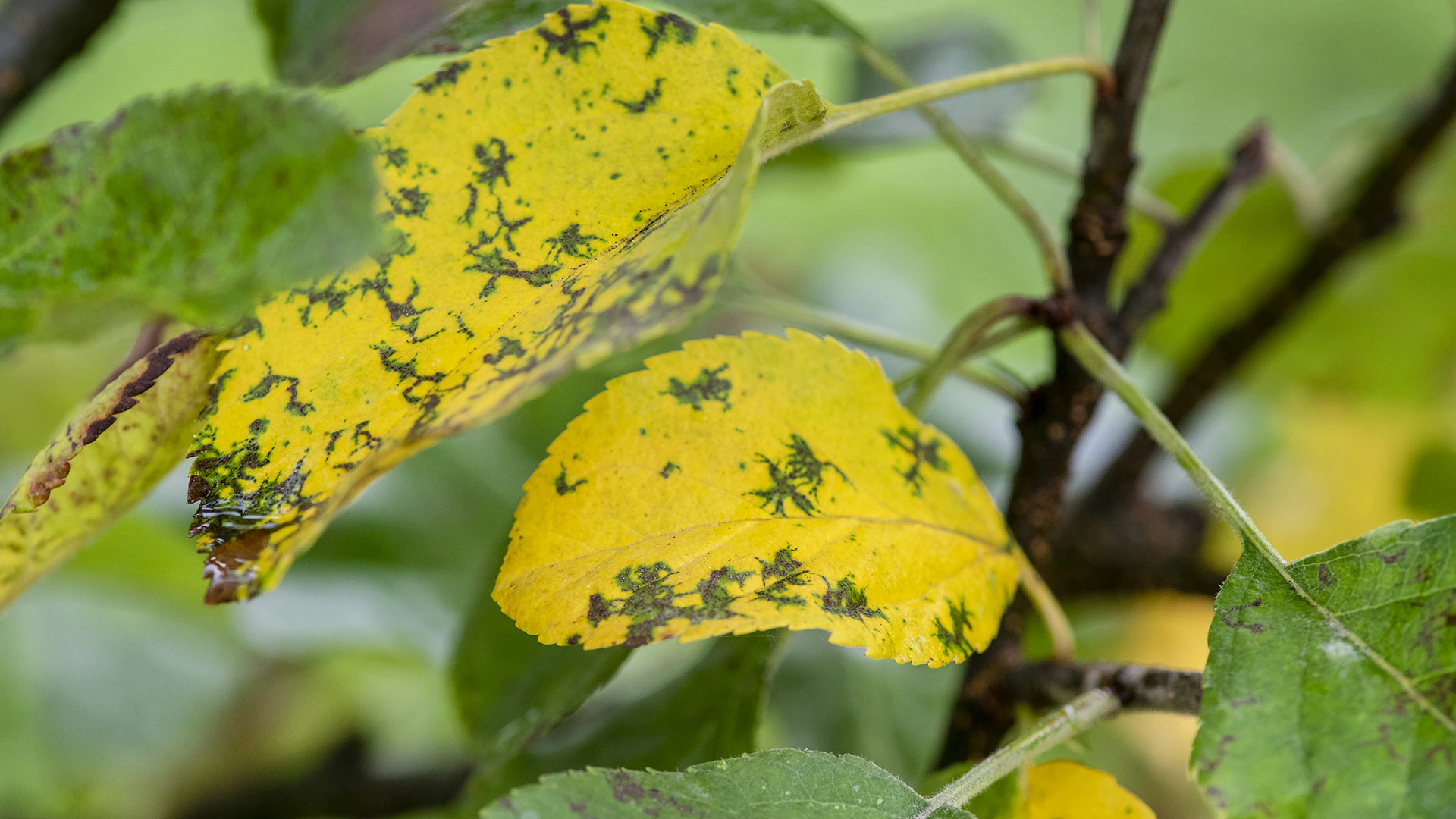
Breeding Research
The use of disease-resistant varieties is a sustainable approach for reducing the use of plant-protection products in agriculture. Agroscope provides breeders with the basic requirements of efficient resistance breeding.
Moratoria sull’ingegneria genetica: sfruttare le opportunità rimaste
I cambiamenti climatici avanzano sempre più rapidamente. Per riuscire a selezionare in poco tempo nuove varietà che riescano a svilupparsi in condizioni estreme, i metodi classici risultano troppo lenti. Esistono oggi nuove tecnologie di selezione più rapide che, seppure impieghino i processi naturali dei vegetali, rientrano comunque nella legge sull’ingegneria genetica.