
Alternative crops
Besides the main arable crops cultivated in Switzerland such as wheat, barley or maize, (organic) arable farming also needs worthwhile niche crops that represent sensible additions to the main crops in both ecological and economic terms.
In the case of direct marketing from the farm and sales as premium products in specialist retail outlets, niche-crop products of this sort represent a financially worthwhile expansion opportunity for the individual farm. However, knowledge about the possible species, varieties, cultivation, management, harvesting and potential use of alternative crops is often lacking.
In third-party-funded subprojects, we address issues regarding choice of variety and cultivation techniques for potentially suitable crops in order to achieve attractive yields of high quality under Swiss growing conditions.
Trailblazing farmers are supported in cultivating these niche crops, and unanswered questions are incorporated in the trials on an ongoing basis. The activities of these projects are geared to market importance or potential.
Trials with safflower, hemp, summer oil poppy, millet, linseed, buckwheat, quinoa and amaranth were conducted in previous Work Programmes, in some cases in third-party-funded projects.
Oilseed rape (Brassica napus L.)
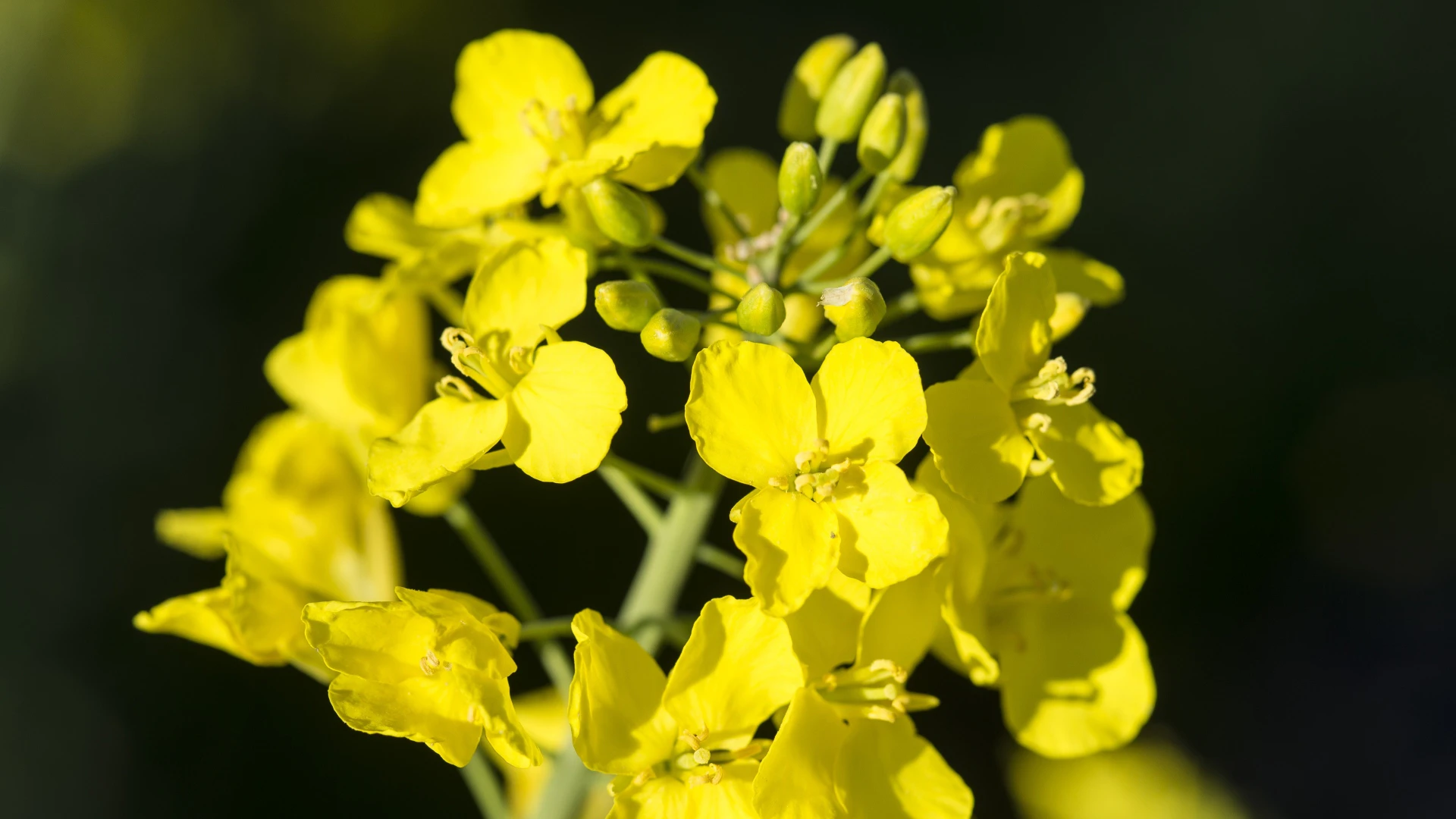
Everyone is singing the praises of rapeseed oil. Nutritionists extol its high proportion of unsaturated fatty acids (linoleic and linolenic acids, omega-3 fatty acids) which make this culinary oil particularly nutritious. At the same time, the catering trade is rediscovering the taste attributes of rapeseed oil, and is using it more and more frequently in food preparation. Demand for this product - especially for cold-pressed, organic rapeseed oil - is steadily increasing. Although oilseed rape is only of secondary importance in organic farming, over the last few years the area devoted to the organically grown crop has stood at around 100 ha, whilst there is a market for around 250 ha. The main reason for the modest cultivation rate is the lack of yield security, with many factors (especially weed pressure and insect infestation) contributing to a high risk of harvest losses.
Millet (Panicum miliaceum L.)
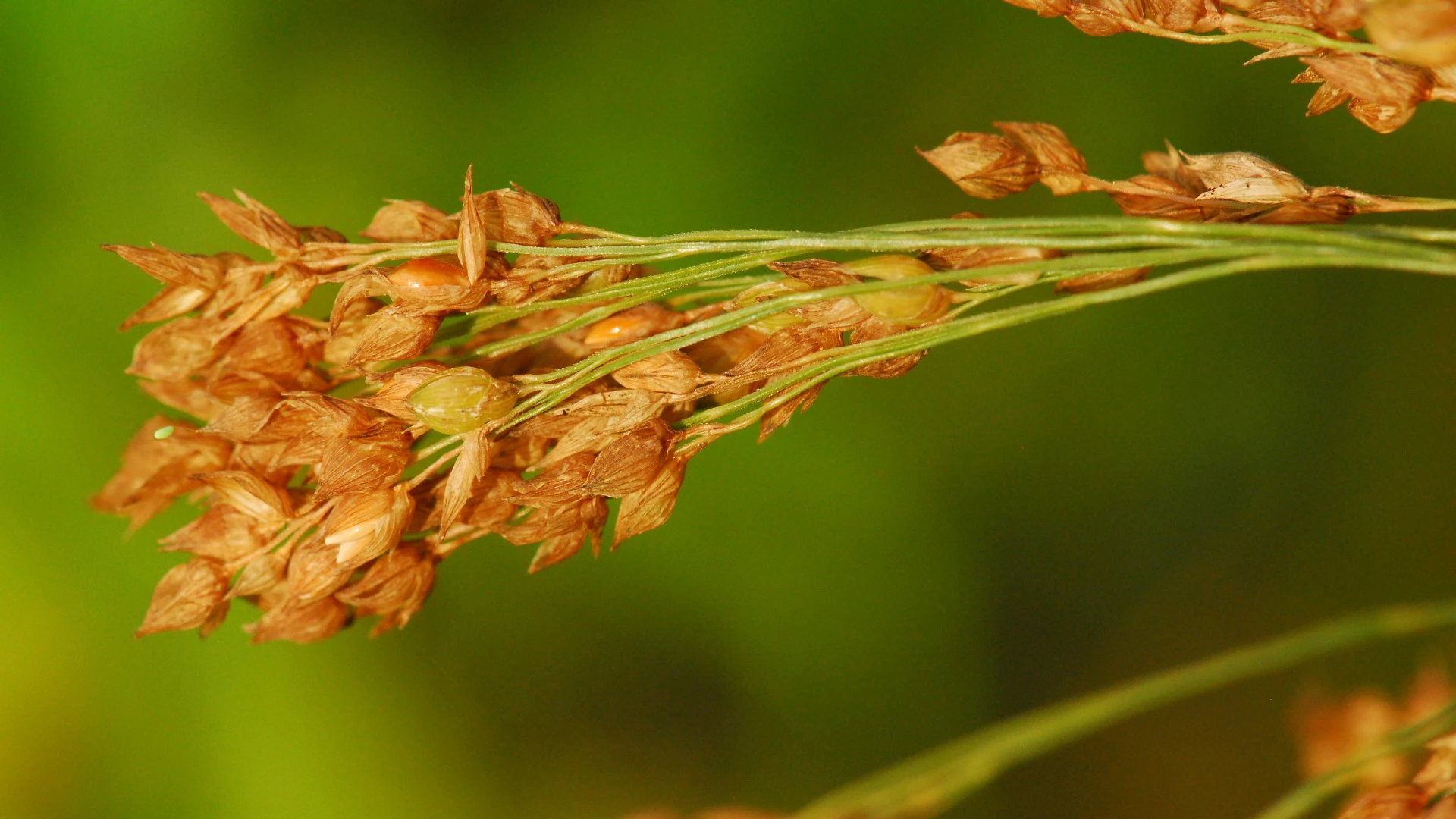
Millet (Panicum miliaceum L.) was cultivated in Switzerland back in the times of the Pile Dwellers, and was also a valuable food in the Middle Ages.
Linseed (Linum usitatissimum L.)
More information can be found on the German pages.

Poppy (Papaver somniferum L.)
Poppy was cultivated in Switzerland into the middle of the last century, but was then supplanted by higher-yielding oil crops.
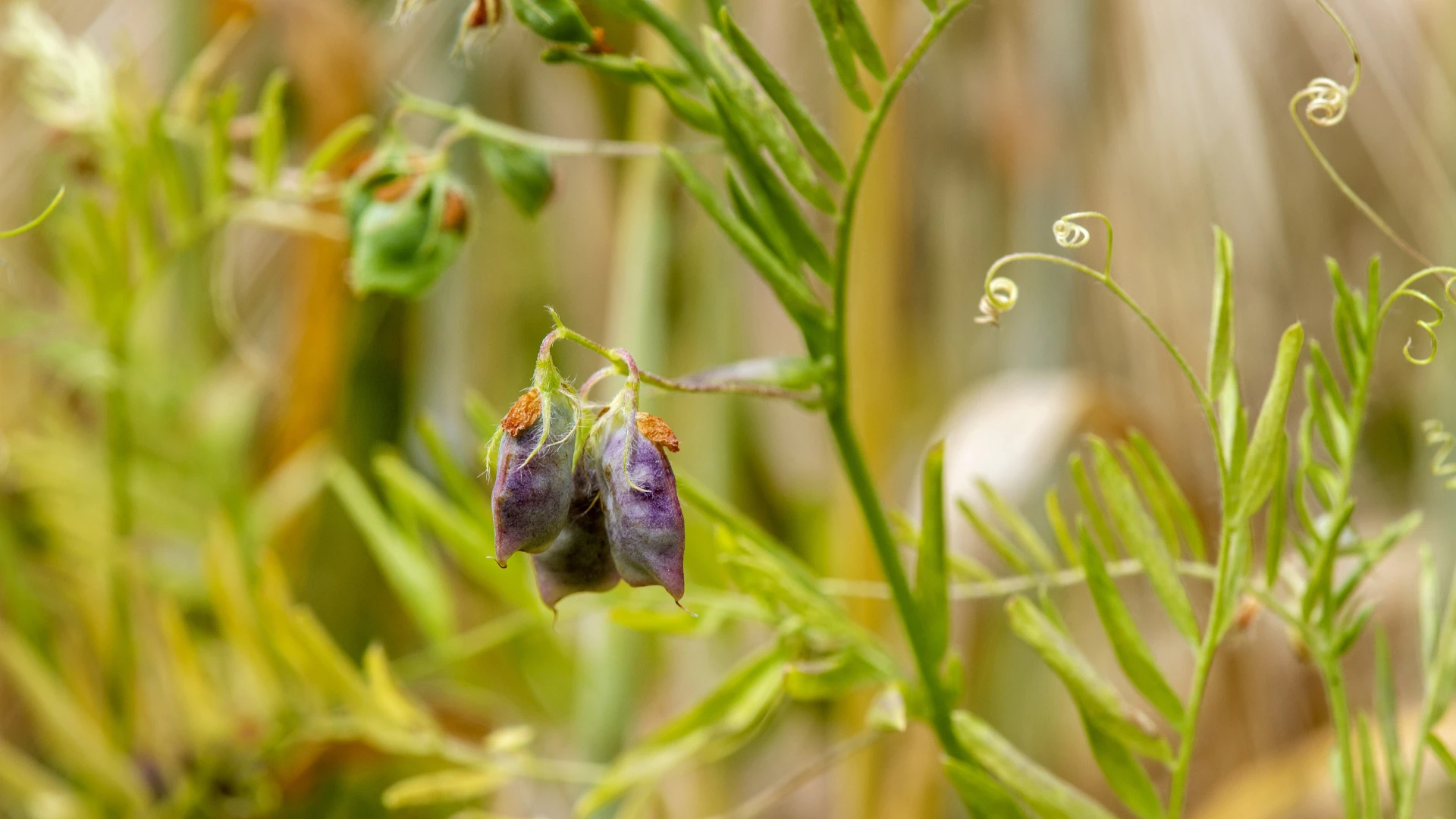
Lentils (Lens culinaris Medik. subsp. culinaris)
One of the first domesticated crops, lentils have been part of the human diet for some 10,000 years. A member of the legume family, they use rhizobia bacteria to fix atmospheric nitrogen. Lentils are the second-most protein-rich legume after soybeans, and are relatively drought-tolerant. The average annual lentil yield in Europe is 9.6 dt/ha, although yields can vary significantly depending on region and cultivation method. Canada, India and Turkey are the world leaders in lentil cultivation. Despite the increased acreage devoted to lentil crops in Switzerland in recent years, demand still outstrips supply. The acreage currently given over to this niche crop could thus be expanded even further.
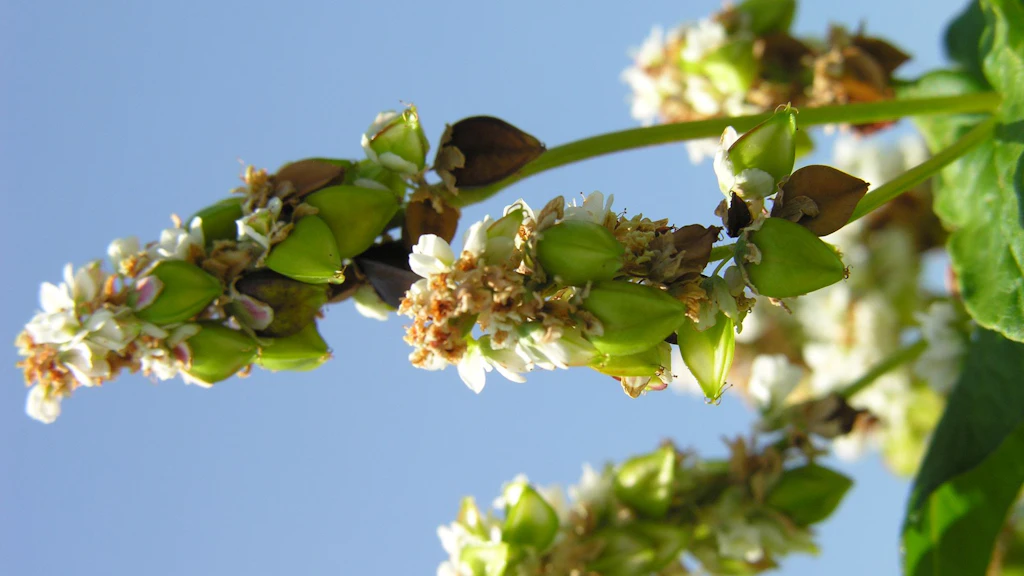
Buckwheat (Fagopyrum esculentum Moench)
Known as ‘poor people's food', buckwheat was traditionally grown in Graubünden canton, particularly in the municipality of Poschiavo. Cultivation was gradually abandoned in the mid-1950s, and unfortunately no original varieties have been preserved.
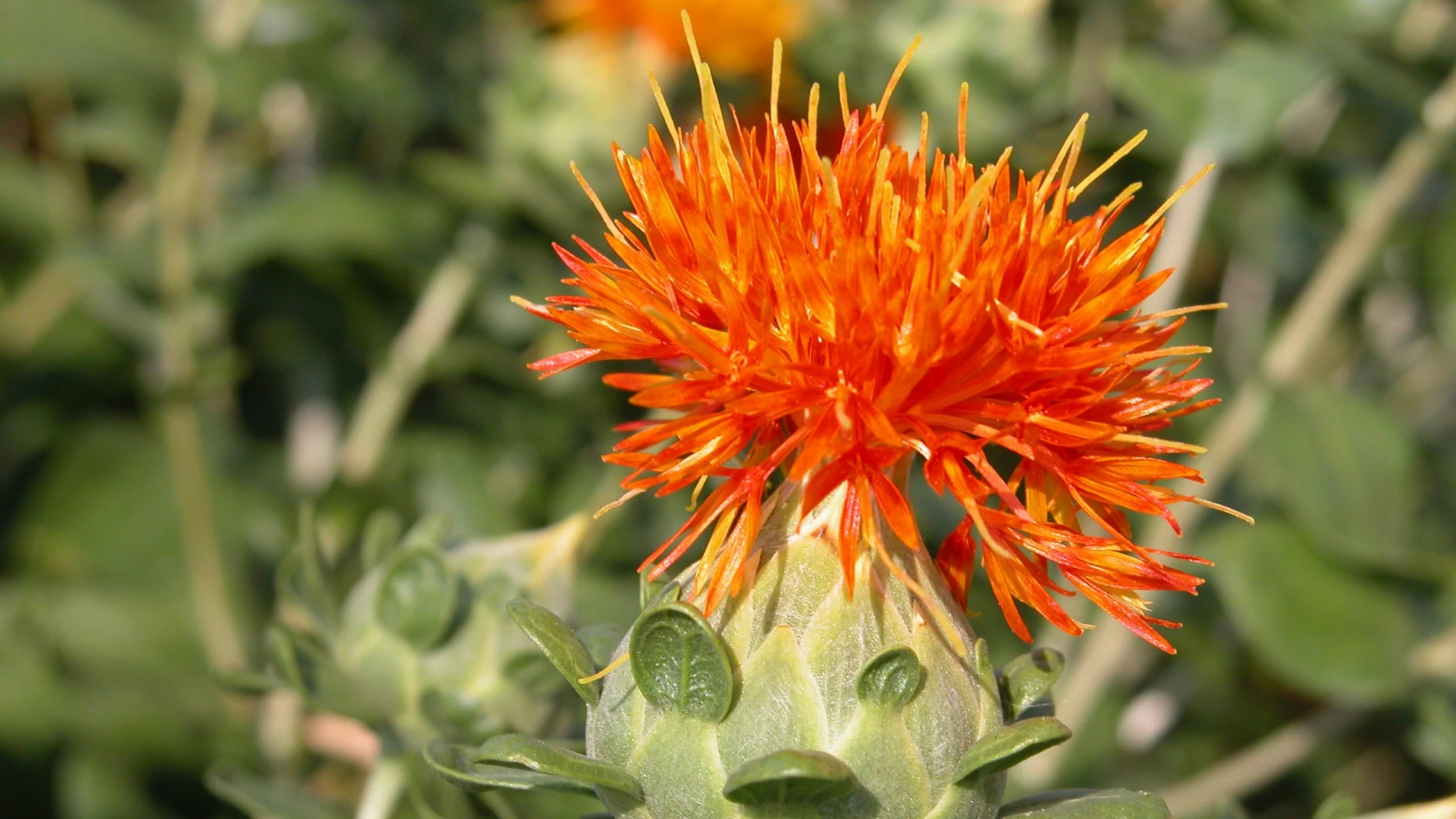
Safflower (Carthamus tinctorius)
With funding from a private foundation, the suitability of cultivating safflower in Switzerland was investigated. Main focus was on variety testing and on development of cultivation techniques.
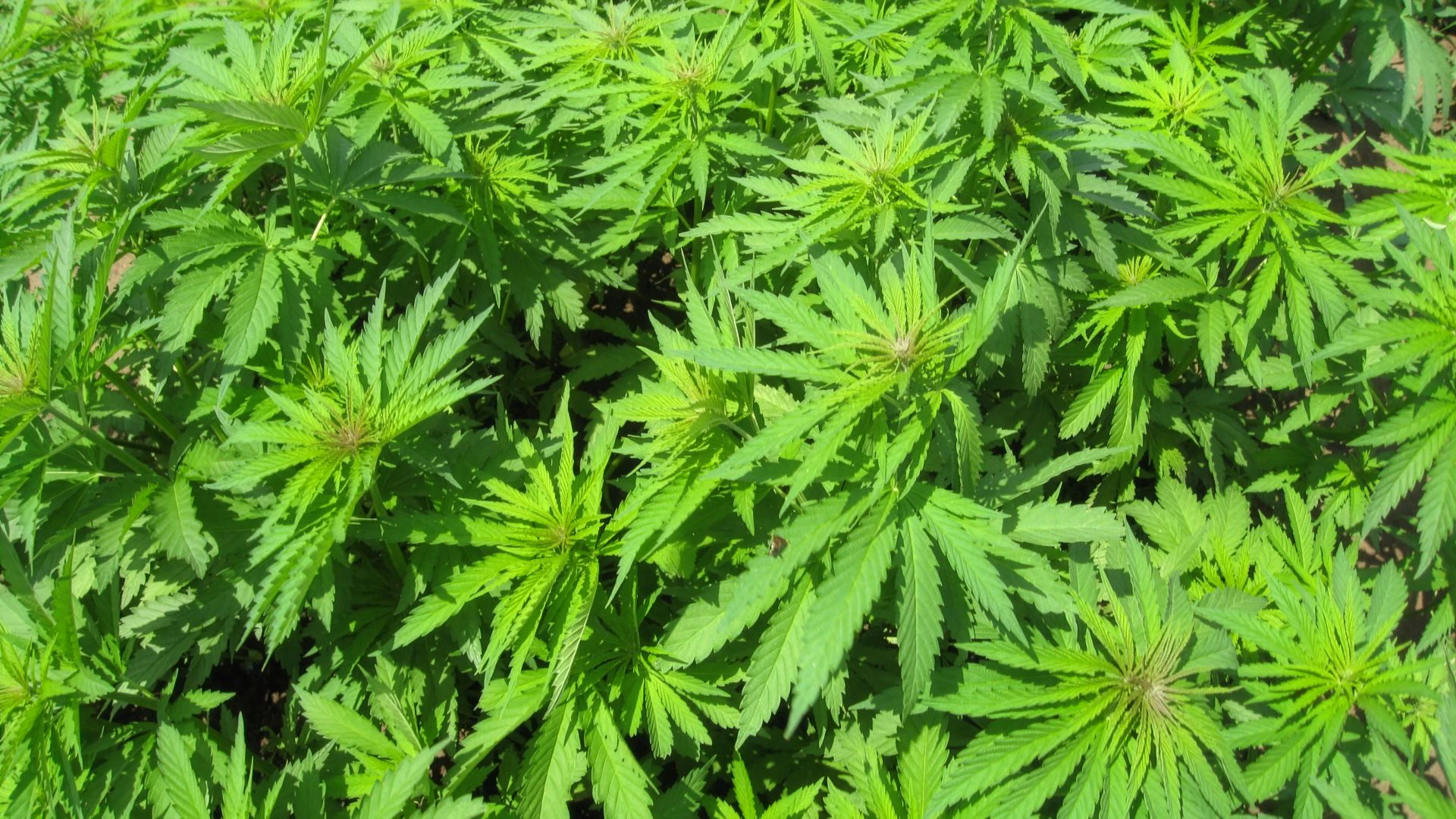
Hemp (Cannabis sativa L.)
Hemp (Cannabis sativa L.) was used as early as several millennia ago in Central Asia for fibre production. Its special characteristics make it suitable for a wide range of purposes.

Sorghum (Sorghum bicolor (L.) Moench)
Originating in Africa, Sorghum bicolor (L.) Moench (also called ‘durra’, ‘jowari’ or ‘milo’) is a crop that is still relatively unknown in Switzerland.
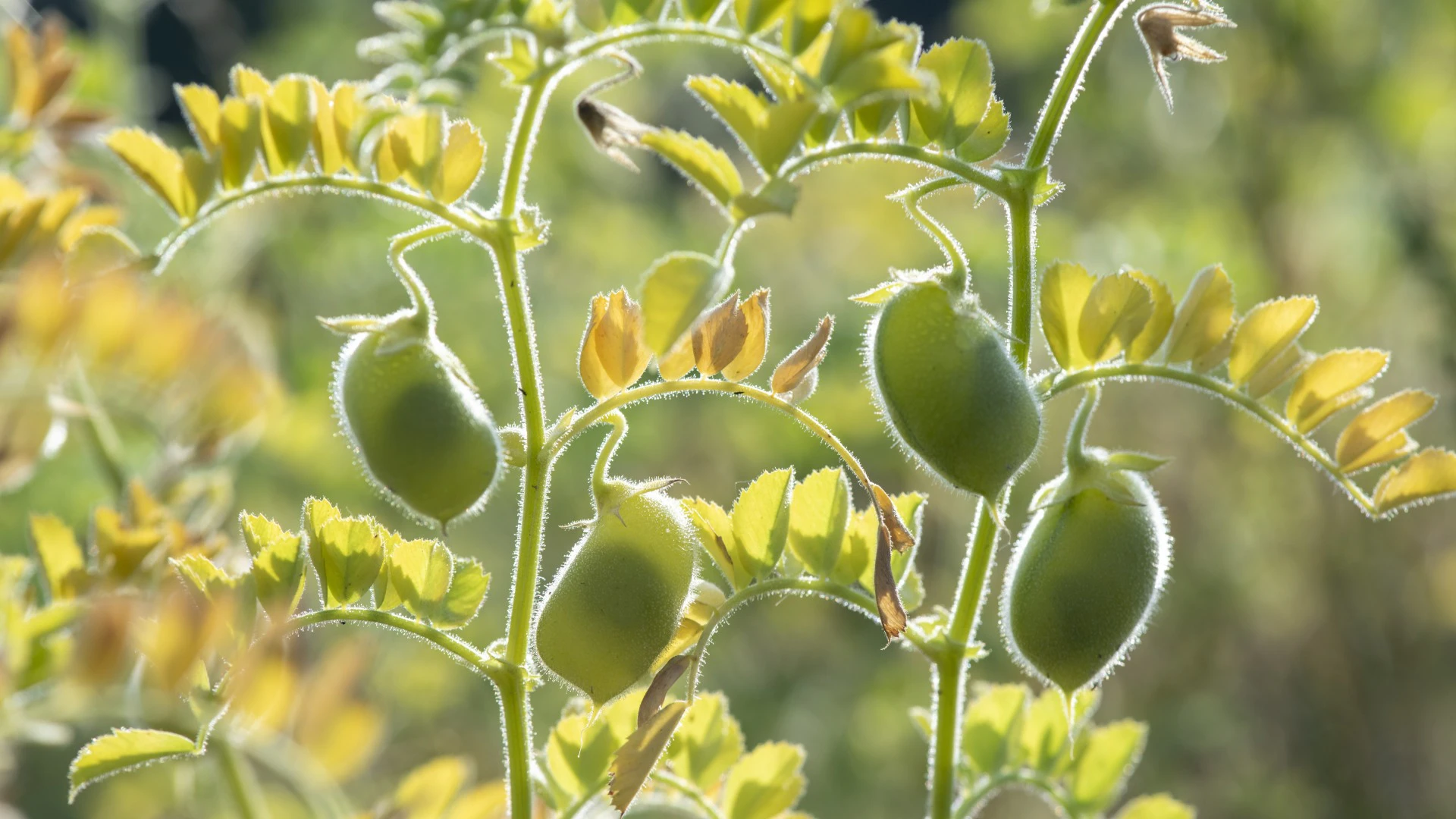
Chickpeas (Cicer arietinum L.)
A member of the legume family (Fabaceae), the chickpea (Cicer arietinum L.) was cultivated in Iran and Iraq as long ago as 8000 years BC. From there, it later spread to India and Asia. Today, chickpeas are the third-most important pulse in the world.
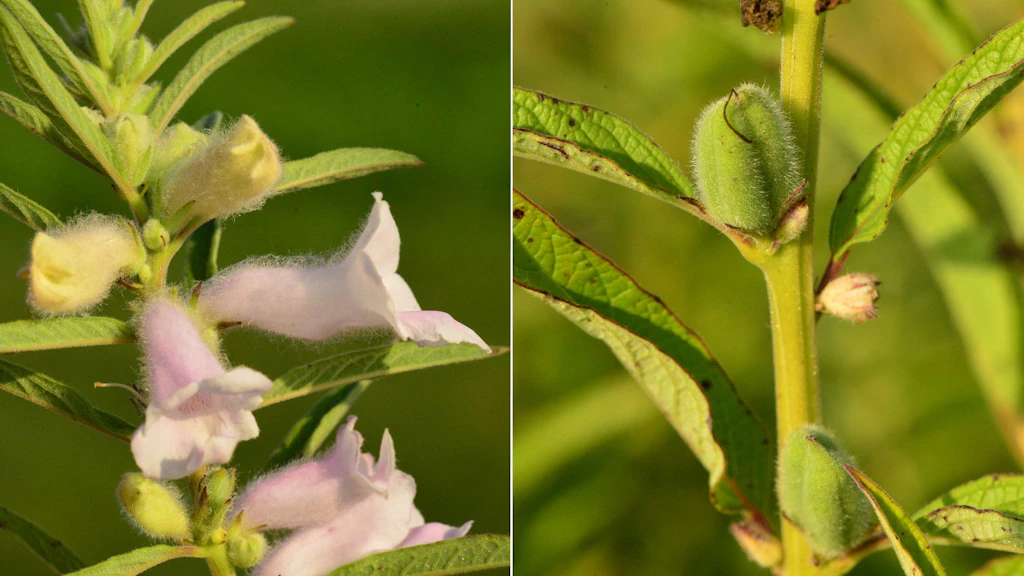
Sesame (Sesamum indicum L.)
Sesame (Sesamum indicum L.) is among the oldest known oilseed plants, domesticated around 4000 years ago. Although its precise origin is unclear, it is thought to have stemmed from the African or Asian continent. Sesame is valued worldwide for its high-quality oil, and the seeds are a common ingredient in various traditional cuisines.