

Published on 30 October 2025
News

5 May 2026
Field Trial with Cisgenic Potatoes: Sustainable Disease Resistance Sought
Agroscope is testing the use of new breeding technologies by cultivating a late blight-resistant potato cultivar in the field. Authorised by the Federal Office for the Environment (FOEN), the field study serves as a basis for researching potato varieties containing no foreign DNA. These so called ‘cisgenic’ varieties reduce the need for plant-protection products and can better withstand extreme weather conditions.
Press Release FOEN, 5 May 2026 (in German): BAFU bewilligt Freisetzungsversuch mit gentechnisch veränderten Kartoffeln
Archives
Wheat from a New Breeding Method: Agroscope Searches for Fungal Resistances in Field Trial
Zurich-Reckenholz, 05.11.2024 - Agroscope is launching a field trial with winter wheat bred using a new method. Researchers are hoping to find new disease resistances that are useful for further breeding. The Federal Office for the Environment has given the go-ahead for the trial, for which approval is compulsory.
Press Releases
5 November 2024
Wheat from a New Breeding Method: Agroscope Searches for Fungal Resistances in Field TrialFirst Swiss Field Trial with CRISPR/Cas9-Modified Barley
15.02.2024 - Agroscope has been granted approval by the Federal Office for the Environment for a field trial with spring barley. The focus is on a barley gene that has been disabled by new breeding techniques. The trial, which will be launched in spring 2024 on the Protected Site in Zurich-Reckenholz and will run for three years, aims to determine whether yields can be increased in this manner.
Agroscope plans field trials with barley lines on the Protected Site
17.10.2023 - Researchers from Agroscope have submitted a release request for a field trial with spring barley, in which, thanks to new breeding methods, the role of genes that could increase yield can be investigated.
The spring barley variety to be tested in the field trial has had a gene deactivated using new breeding techniques. This gene is involved in the fine-tuning of plant hormone levels during seed development. Deactivating this gene increases yield in rice and rapeseed. Researchers at the Free University of Berlin have discovered that barley has two slightly different copies of this gene. Barley lines in which both copies were rendered non-functional produced more grains per ear. Agroscope, together with its research partners from Berlin, now plans to examine these barley plants at the Protected Site to determine whether, under field conditions, the absence of one or both genes also leads to more grains and increased yield, and whether the two gene copies have different functions.
No foreign genetic material
Using the precise CRISPR/Cas9 method, one or both copies of the so-called CKX2 gene were deactivated in the barley plants. Unlike the plants previously studied on the Protected Site, the barley lines produced in this way contain no foreign genetic material. Because the method is new and intervenes in the plant genome, these barley lines are treated as genetically modified (GM) plants. Therefore, the field trial requires authorization, and Agroscope has proposed the same measures that were implemented in previous field trials with GM barley. These measures are intended to ensure that the plants grow exclusively on the authorized trial plot.
Trials planned to begin in spring
The trials are scheduled to begin in spring 2024 at the protected site and will last a maximum of three years. Agroscope submitted a corresponding release application to the Federal Office for the Environment (FOEN) in September. The FOEN is reviewing the application and the comments received and is expected to decide next spring whether to approve the field trial with these barley lines.
Results from the First Field Season with Lr34 Barley Published
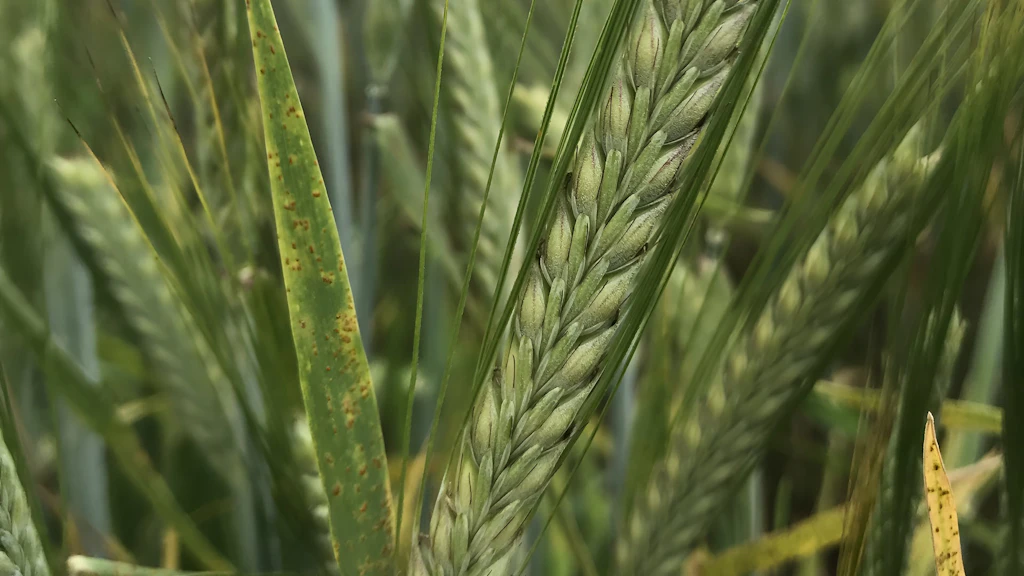
© UZH Lr34 has been used in wheat breeding for over a hundred years, as it confers durable broad-spectrum resistance against multiple fungal diseases.UZH researchers are studying how this ‘resistance gene of the century’ functions, and how it could be deployed in barley and maize. Their studies on the Protected Site showed that GM barley with a strong Lr34 gene expression was fully protected from barley leaf rust (P. hordei) and powdery mildew (B. graminis f.sp. hordei), even under field conditions. However, these GM barley plants produced smaller seeds due to a “side effect” of Lr34, leaf-tip necrosis (LTN), which also occurs in wheat. Barley plants with a weaker Lr34 expression were only partially protected from leaf-rust infection, but had no LTN and no yield penalty. The researchers demonstrated that the redistribution of the phytohormone abscisic acid (ABA) in the leaves correlates both in the greenhouse and under field conditions with the production of LTN, and that this redistribution is only measurable in plants with strong Lr34 gene expression. Thanks to these results, not only has our understanding of Lr34’s resistance mechanism improved, but the authors have also shown that by optimising Lr34 gene expression level a good balance between disease resistance and LTN could be achieved, which would enable the deployment of this valuable wheat gene in barley breeding programmes.
Publication (open access):
Bräunlich S.; Koller T.; Glauser G.; Krattinger S.G.; Keller B. Expression of the wheat disease resistance gene Lr34 in transgenic barley leads to accumulation of abscisic acid at the leaf tip. Plant Physiology and Biochemistry 2021, 166, 950-957. https://doi.org/10.1016/j.plaphy.2021.07.001
Further information on the GM Lr34 barley project
Release Authorisation for Powdery Mildew-Resistant Wheat Lines from the University of Zurich Was Renewed
31.03.2021. The Federal Office for the Environment (FOEN) authorised the University of Zurich to conduct an experimental release of genetically modified wheat lines with improved powdery mildew resistance. It is a complement to the field trials authorised in 2019.
University of Zurich Applies for Renewal of Release Authorisation for Powdery Mildew-Resistant Wheat Lines
6.01.2021. Since 2014, University of Zurich (UZH) researchers have been conducting field trials on the Protected Site at Agroscope Reckenholz with genetically modified (GM) wheat with improved powdery-mildew resistance conferred by Pm resistance genes from wheat (description of the project. In order to expand their research questions, they want to sow in the current trials some of the genetically modified wheat lines that had already been released previously. Since the authorisation for these plants had expired in 2018, they submitted a new release application (in German) for these wheat lines to the Federal Office for the Environment (FOEN).
The UZH proposes to implement the same safety measures imposed on them by the FOEN in the current field trial. In the coming weeks, the FOEN will examine the application as well as the comments and opinions received and will probably decide in spring whether to approve these wheat lines for field trials again.
Further information on the project with powdery mildew-resistant wheat
Field Trial with Fungus-Resistant Maize of the University of Zurich Authorised
2.3.2020: End of 2018, University of Zurich submitted to FOEN an application for a field trial with genetically modified maize to which a wheat fungal resistance gene was introduced. The aim of the trial is to gain insights into how theses transgenic maize lines behave under field conditions, in particular concerning their fungal resistance.
Initial Results of the GM Winter Wheat Field Trial Published
4 Nov. 2019: A study by Agroscope in collaboration with IPK Gatersleben (Germany) and the Chinese Academy of Agricultural Sciences CAAS examined the effects of transgenic wheat with improved yield potential (HOSUT) on aphids.
The HOSUT lines express a sugar transporter under the control of a grain-specific promoter from barley. However, the gene is already active in the vegetative plant before grain formation and HOSUT plants show not only an altered sugar metabolism, but also small differences in protein and micro nutrient contents. This could change the nutritional quality for herbivorous insects. Plant-sucking aphids were chosen as model species. Three HOSUT lines were compared with the non-transformed parental cultivar Carto as well as with three conventional winter wheat cultivars. No consistent differences between the genetically modified lines and Certo in terms of development and reproduction of individual aphids (Rhopalosiphum padi und Sitobion avenae) and population development were observed in the greenhouse. For two years, aphids were also monitored in a field study with HOSUT wheat lines on the Protected Site in Zurich-Reckenholz. Here too, there were no indications of differences in susceptibility to aphids between the HOSUT lines and the parental line. The evaluated parameters of the HOSUT lines were similar to those of the conventional cultivars.
Further information on the GM winter wheat project
Field Season 2019 is Over
22.10.2019: This year, the potential opportunities and risks of genetically modified (GM) plants were once again explored in field trials on the Protected Site. The harvesting of the last apples a week ago marked the successful conclusion of the 2019 field season. As in the two preceding years, Agroscope carried out field trials with disease-resistant cisgenic potatoes and cisgenic apple trees, as well as with GM winter wheat with increased yield potential. The University of Zurich continued the multi-year trial with mildew-resistant spring wheat, and in addition cultivated new wheat lines this year (see also below, 14 March 2019 Update).
Field Trial with Fungus-Resistant Barley of the University of Zurich Authorised
13.6.2019: End of 2018, University of Zurich submitted to FOEN an application for field trials with genetically modified barley to which a wheat fungal resistance gene was introduced. The aim of the trial is to gain insights into how theses transgenic barley lines behave under field conditions, in particular concerning their fungal resistance. The first sowing is planned for spring 2020.
14.03.2019: News Release FOEN (in German)
Continuation of Field Trials with Powdery Mildew-Resistant Wheat of the University of Zurich is authorised
14.03.2019: The University of Zurich has been granted permission to conduct a field trial with genetically modified wheat varieties that are more resistant to powdery mildew. The Federal Office for the Environment (FOEN) has approved the trial. This is a continuation of field trials that have been conducted since 2008.
14.03.2019: News Release FOEN (in German)
University of Zurich Plans Field Trials with Transgenic Corn and Barley on the Protected Site
29.01.2019: Plant researchers at the University of Zurich have developed transgenic corn and barley lines with improved resistance against several fungal diseases thanks to the wheat resistance gene Lr34. Following successful tests in the greenhouse, the researchers are now planning to carry out field trials at the Agroscope site in Zurich-Reckenholz. It is planned to start the field trials in Spring 2019. The applications for the permits were submitted to the Federal Office for the Environment.
University of Zurich Applies for Continuation of Field Trials with Powdery Mildew-Resistant Wheat
13.11.2018: Since 2014, University of Zurich (UZH) researchers have been conducting field trials on the Protected Site at Agroscope Reckenholz with genetically modified (GM) wheat with improved powdery-mildew resistance conferred by the Pm3 resistance gene from wheat (description of the project). The release authorisation, which is a prerequisite for field trials with GM plants, expires at the end of this year. In late October 2018, the UZH submitted a new request for release to the Federal Office for the Environment (FOEN) (information page of FOEN) which would enable it to carry out the trials for a further five years. The UZH proposes to implement the same safety measures imposed on them by the FOEN in the previous field trial.
The aim of the new trials is to investigate the offspring of a cross between the wheat lines studied to date which bear a combination of three or four Pm3 variants (‘alleles’), as well as lines with one of three Pm3 variants that have not been studied under field conditions yet. An additional aim is to characterise in the field wheat plants carrying the two Pm3 variants from rye, Pm8 and Pm17. These two genes, already introduced into wheat by classical breeding in the last century, are to be investigated individually or in combination, also with Pm3 variants from wheat. The aim of the recently requested field trial is an improved understanding of the plant immune system. Thus, the planned trial will form part of the basic research conducted at the UZH.
22.01.2018: Initial results of the field trial on GM wheat with improved powdery mildew resistance, running since 2014, were published in an international peer-reviewed journal. For more information see media release of the University of Zurich.
Apple Trees
The apple trees planted by Agroscope last year on the Protected Site can hardly be missed. Some of the trees are cisgenic and carry a fire blight-resistance gene originating from a wild apple tree. Despite the cold snaps in April, with night-time soil temperatures as low as -10 °C, the apple trees have developed well and grown strongly over the summer. Foliage samples are currently being collected to investigate whether leaves of the GM trees can be used by decomposing arthropods, such as springtails or fruit fly larvae, similarly to those of unmodified apple trees.
Potatoes
The frost-sensitive potato plants were not adversely affected by the cold snap after Easter, since the seedlings were protected in the ridges, or the tubers had not yet been planted. The plants of the resistance-test were infected with late blight very late in the season, and only thanks to inoculation with infected leaves and temporary irrigation. After the pathogen had become established, however, conditions for the disease were optimal and the plants’ resistance could be tested. In this year, only plants carrying multiple resistance genes remained without leaf blight symptoms. Planted for the first time, the yield trial was harvested in late September, and the tubers will be analysed over the winter.
Spring Wheat
Scientists of the University of Zurich tested their spring wheat for powdery mildew resistance also this year. This fungal pathogen developed well and maximum infestation of the susceptible control varieties was achieved already in mid-June. The researchers are currently analysing the field-trial data of the last four years and will publish the results in a specialist journal.
Winter Wheat
The winter-wheat field trial conducted by Agroscope in cooperation with researchers from the Leibniz Institute of Plant Genetics and Crop Plant Research (IPK) in Gatersleben (Germany) was in its first field season. This trial deals with the question of whether genetically modified wheat lines with enhanced sugar transport to the grain that delivered higher yields in the greenhouse also exhibit this advantage in the field. The harvest took place at the end of July. Whilst data are currently being analysed, the second field season has been launched with the sowing of wheat in mid-October. In this experiment, the response of the GM wheat lines to different quantities of fertiliser will be compared to the unmodified parent variety.
Four Trials in the Fourth Year on the Protected Site
With the planting of the last part of the potato trial in mid-May, all genetically modified (GM) test plants of the four ongoing trials on the Protected Site are now in the field.
The potatoes carry late-blight resistance genes from wild potatoes, and are to be examined this year not only for their resistance and for colonisation by aphids, but also to determine their yields.
The apple trees were planted last year, and carry a fire-blight resistance gene derived from a wild apple tree. The field trial is meant to test whether the genetic modification has unintentionally modified further traits of the initial varieties.
GM wheat lines showing an increased yield potential in the greenhouse are in their first trial year. Since we are dealing here with winter wheat, it was sown back in November 2016. The harvest in late July will give initial indications as to whether the GM wheat lines are higher-yielding than the unmodified initial variety under field conditions as well.
The University of Zurich is studying the powdery mildew resistance of their GM wheat lines this year as well. The summer wheat lines were sown in mid-March.
Third Year of Field Trials on the Protected Site: Good Resistance Data thanks to Bad Weather and Launch of Trial with Apple Trees
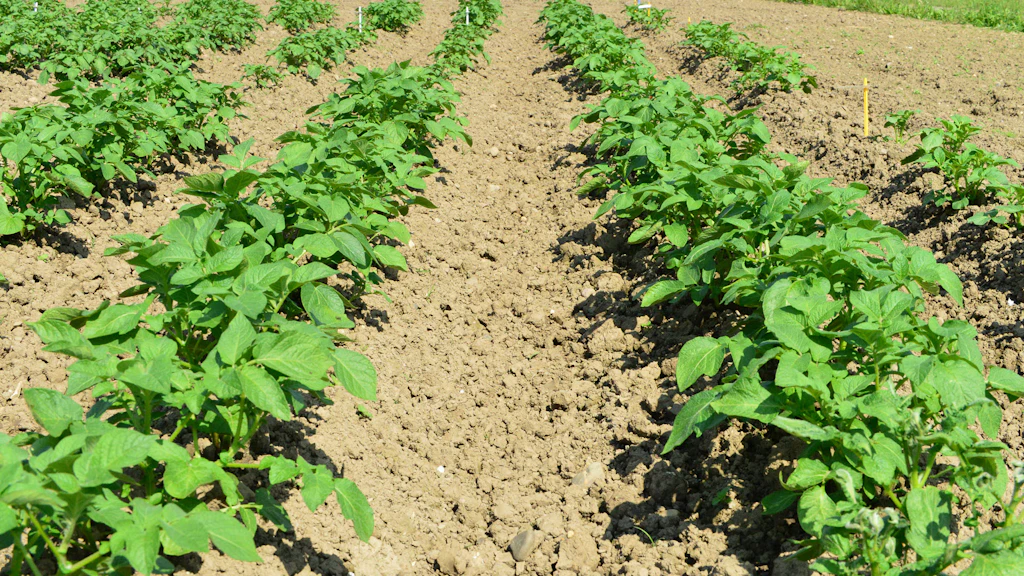
© Agroscope With the harvest of the University of Zurich’s genetically modified wheat and of its own cisgenic potatoes, Agroscope successfully concluded the field season of these two crops on the Protected Site in August. Although the wet spring and summer made work on the experimental fields difficult – the soil was often too wet to walk on, or even to drive machinery over – all management measures and scientific studies were carried out as planned within the scope of the current projects.Potatoes
The abundant precipitation favoured the development of late blight in the potatoes, enabling extensive data on the resistance of the cisgenic lines to be collected this year. The result was clear: two of the resistance genes used had a fully protective effect on the leaves against late blight in different potato lines, whilst two other resistance genes provided the plants with partial protection.
Wheat
As with last year, University of Zurich researchers were able to gather precise data on the powdery mildew resistance of their transgenic wheat lines, as well as determine the yield of the different lines. The resistance effect of individual genes and of combinations of two resistance genes was confirmed this year.
Apple Trees
The field trial with cisgenic apple trees carrying a resistance gene against fire blight from a wild apple was launched in 2016. Researchers planted the one-to-two-year-old trees as well as a number of control apple trees in a fully netted experimental facility at the beginning of May. At present, it is primarily tree traits that are being determined. As a contribution to biosafety research, experiments with non-genetically modified apple varieties have been started to determine the effect of total netting of the experimental facility against outcrossing. The evaluation of these trials will be conducted over the winter.
Further information on the individual projects
Agroscope Plans Field Trial with Genetically Modified Winter Wheat
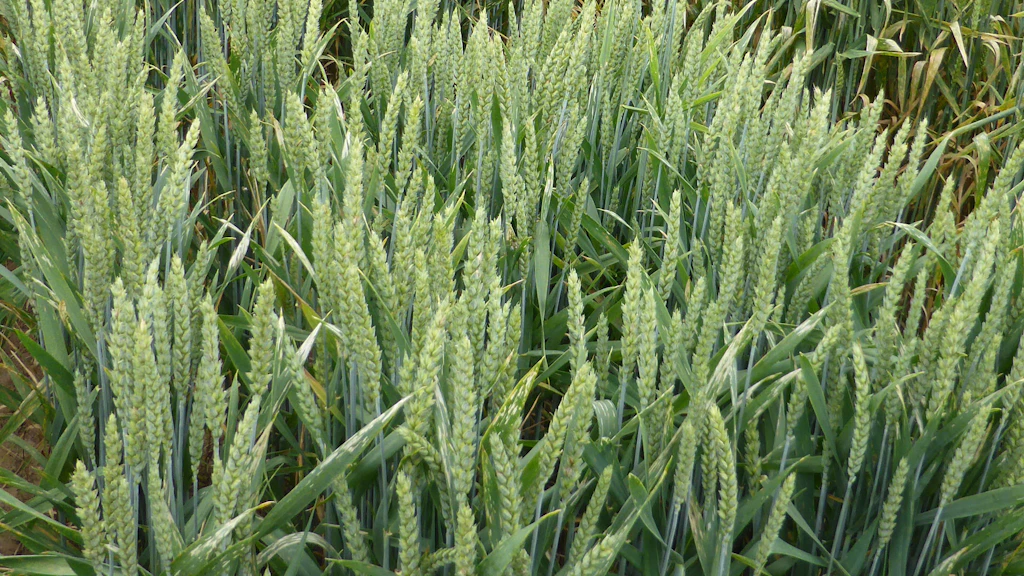 Agroscope and researchers from the Leibniz Institute of Plant Genetics and Crop Plant Research (IPK) intend to conduct a joint field trial with genetically modified winter wheat on the Protected Site in Zurich. In this wheat, sugar transport was altered, thereby increasing its yield potential. Agroscope submitted an application for the permit to conduct the trial to the Federal Office for the Environment (FOEN) in April 2016.
News Release Agroscope, 6.06.2016 (in German)
Further information on the project with winter wheat
Field Trial with Fire Blight-resistant Cisgenic Apple Trees Can Start
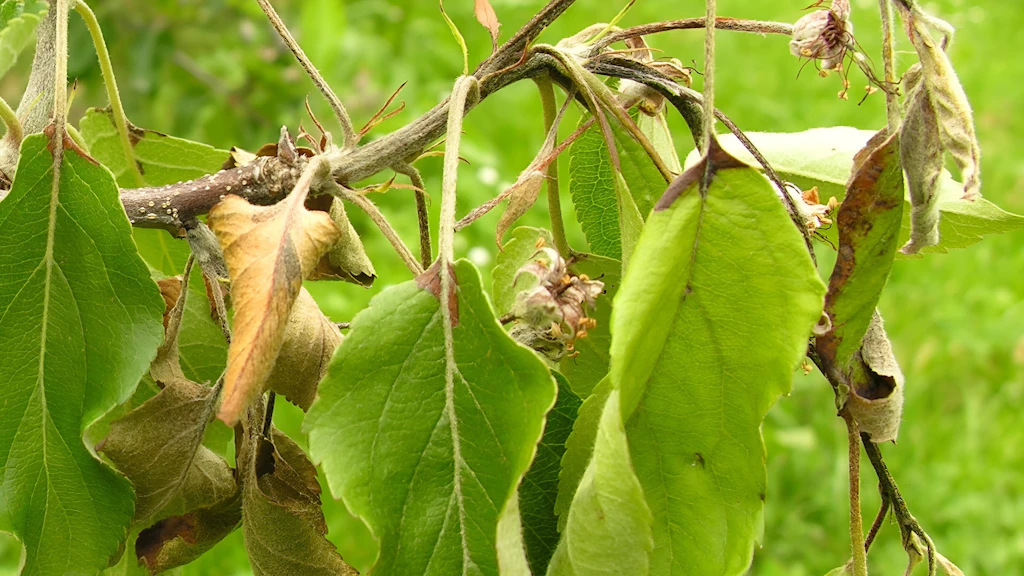 Fire blight is the most important bacterial disease of apple trees worldwide. Using a genetic engineering method, researchers from ETH Zurich have transferred a resistance gene from a wild apple tree to the ‘Gala' variety. Agroscope wants to learn whether the introduced resistance causes changes in Gala's varietal characteristics. A field trial with these trees can start now on the Agroscope-Reckenholz Protected Site in Zurich. The permit to conduct the trial was given by the Federal Office for the Environment.
News Release Agroscope, 3.05.2016 (in German)
Further information on the project with cisgenic apple trees
Third Field Season on the Protected Site Now Underway
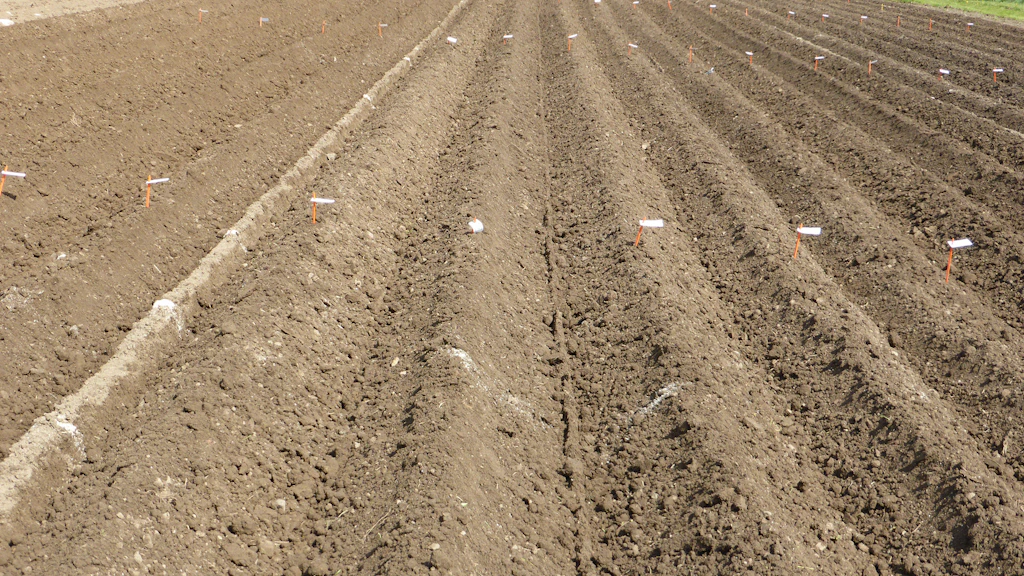
© Susanne Brunner, Agroscope The third field season on the Protected Site started in mid-March 2016 with the sowing of the University of Zurich wheat trial. In this third year of the trial, researchers will be verifying last year's results with the genetically modified wheat lines with increased resistance to powdery mildew, as well as expanding their investigations. Agroscope completed the planting of its own trial with cisgenic potatoes in April. This year, all eight potato lines envisaged for the trials are available. These lines carry different genes, or a combination of two or three genes providing resistance against the causal agent of late blight.Further information on the University of Zurich Wheat Project
Field Trial with Cisgenic Potatoes Launched
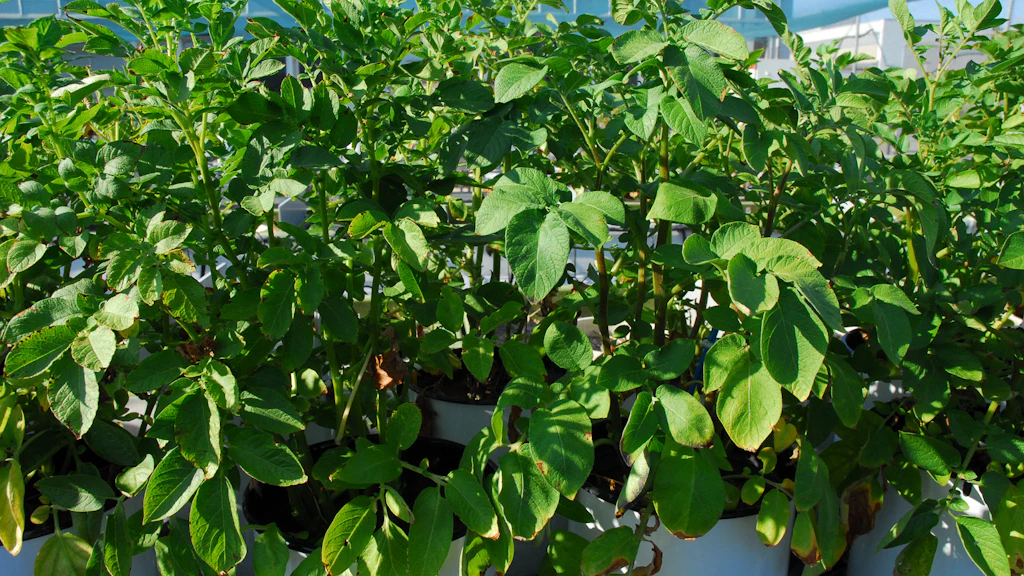
© Agroscope The Federal Office for the Environment (FOEN) approved Agroscope's field trial with genetically modified potatoes from the University of Wageningen (NL) on 21 April 2015. Thanks to favourable weather conditions, the planting of potatoes with improved resistance to potato late blight took place shortly thereafter, on 24 April. In 2015, the first year of the trial, two different potato lines are being studied, with one line containing one resistance gene and the other containing two. In the coming year all eight potato lines are to be tested in the field, with initial results being available at the end of 2016. You'll find further information on the Agroscope field trial with genetically modified potatoes under the heading ‘Projects'.News Release Agroscope, 21.04.2015 (in German)
Second year of the trial: Wheat now sown on the Protected Site
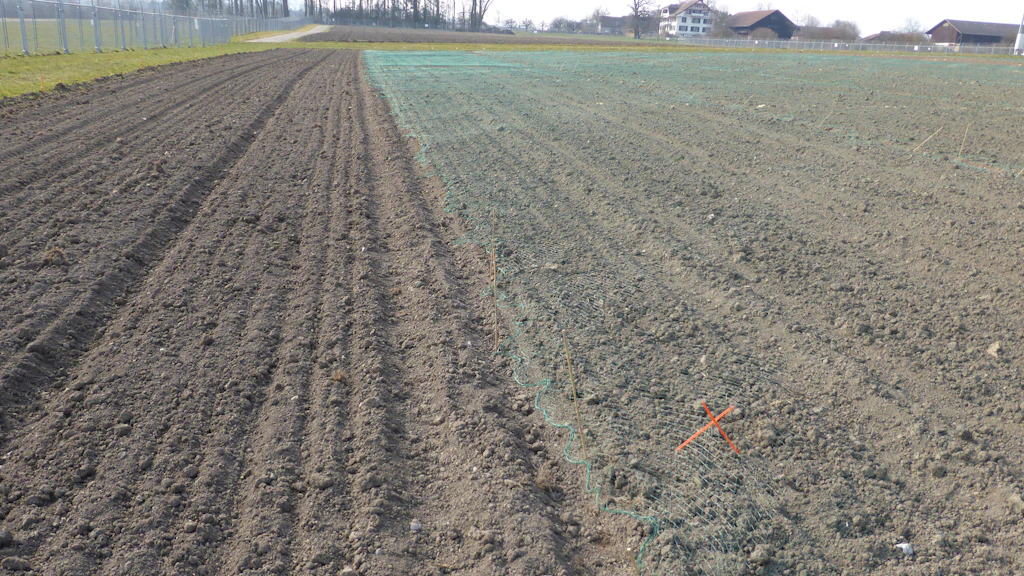
© Agroscope The University of Zurich is testing genetically modified wheat lines with increased resistance to powdery mildew in its field trial on the Protected Site. Sowing for the second year of the trial took place on 12 March in ideal weather conditions. As with the 2008-2010 and 2014 field trials, the aim of these trials is to gain knowledge as to how resistance genes work. In the current year of the experiment, the seven wheat lines that were in the field for the first time last year are to be studied further and compared with the plants tested earlier.Further information on the University of Zurich wheat project
Agroscope plans a field trial with cisgenic potatoes on the Protected Site
Late blight is the most important disease of potato worldwide. Researchers from Wageningen University (NL) transferred resistance genes against this disease from wild potato species to two potato varieties by genetic engineering. Agroscope wants to study whether the transferred resistance is effective under field conditions in Switzerland. It is planned to start the field trial in March 2015 on the Protected Site in Zürich, Reckenholz. The application for the permit was submitted to the Federal Office for the Environment.
Further information on the project with cisgenic potatoes
Wheat Harvest on the Protected Site
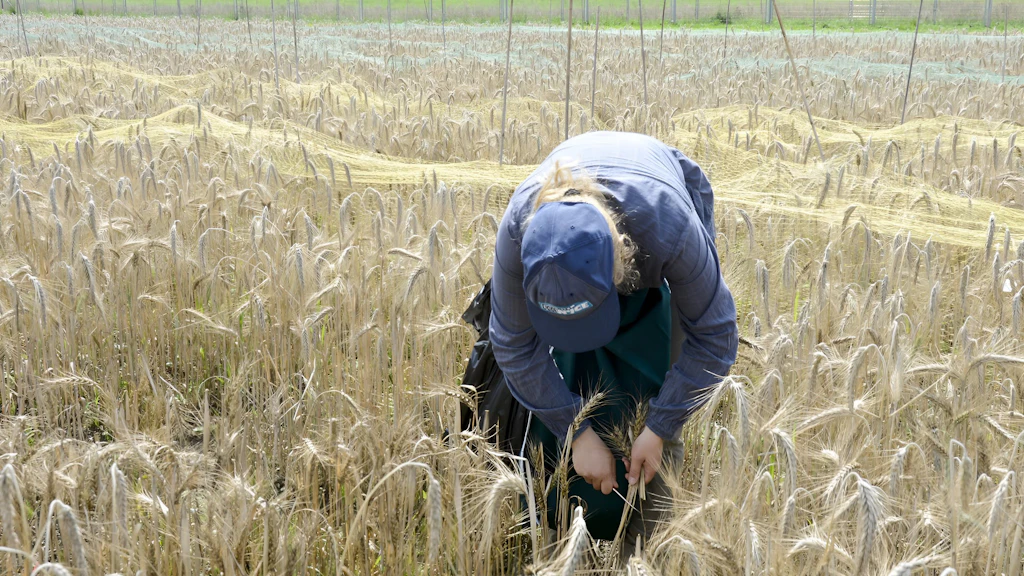
© Agroscope The genetically modified wheat grown by the University of Zurich on the Protected Site run by Agroscope was harvested by hand the 31 of July 2014. After drying, the wheat is threshed and prepared for sowing next spring. The non-propagatable material such as straw, stubble and roots is left on the field. The strip planted with coated triticale seed surrounding the experimental plots was harvested the 12 of August, and the harvested material disposed of in the waste-incineration plant. The test field is being prepared so that any grains that might have been lost during the harvest will germinate successfully and can then be treated with herbicide. The harvest marked the successful conclusion of the first year of the GM wheat-crop trial on the Protected Site. The University of Zurich intends to continue research activity next year as planned.Further information on the wheat project: Wheat with Improved Powdery Mildew Resistance
Field trials with genetically modified wheat given go-ahead
The Federal Office for the Environment (FOEN) gave the go-ahead for field trials with genetically modified wheat lines on 15 August 2013. At the beginning of the year, the University of Zurich had submitted a request for authorisation of research to enable a better understanding of the resistance of wheat to the fungal disease mildew in the field. To this end, we are now able to investigate wheat lines to which a number of variants of a resistance gene have been transferred by means of genetic engineering. These genes occur naturally in several wheat lines. Fungal diseases threaten wheat crops worldwide, and a better understanding of natural defences should help us to combat these pathogens more effectively. The trials are to take place from 2014 to 2018 on the Protected Site, Agroscope's purpose-equipped test field.
Project Information
1 May 2026
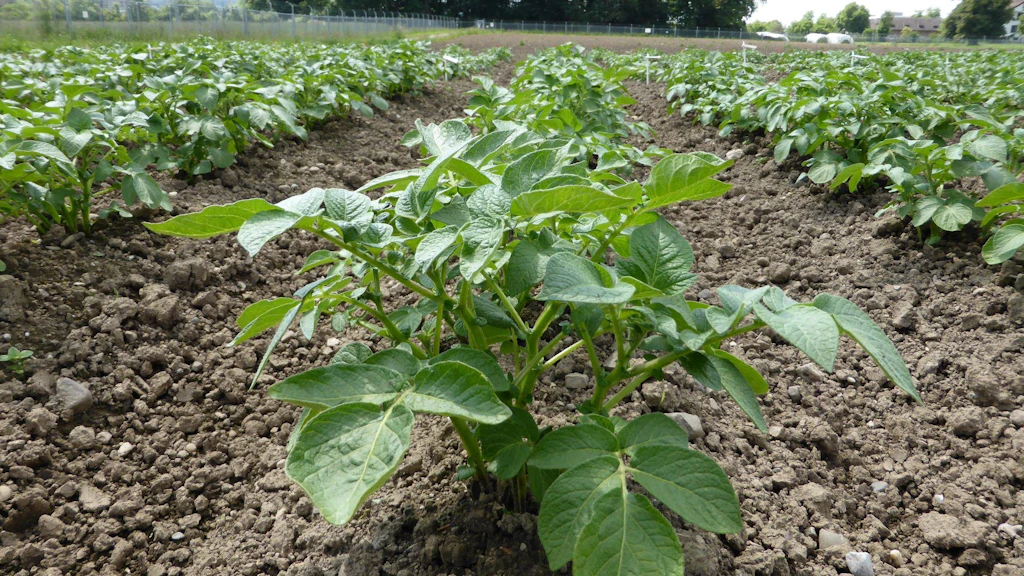
CRISPS Project (NRP 84): More Resistant Potatoes Through New Breeding Techniques (Agroscope)
The CRISPS project started in May 2025. In December 2025, Agroscope submitted an application to the Federal Office for the Environment (FOEN) to conduct a field trial at the Protected Site with a cisgenic potato line. This field trial also serves as preparation for further releases, with this line being an essential control. A second release application is expected to be submitted soon for new, genome-edited potato lines developed in the CRISPS project.
30 October 2025
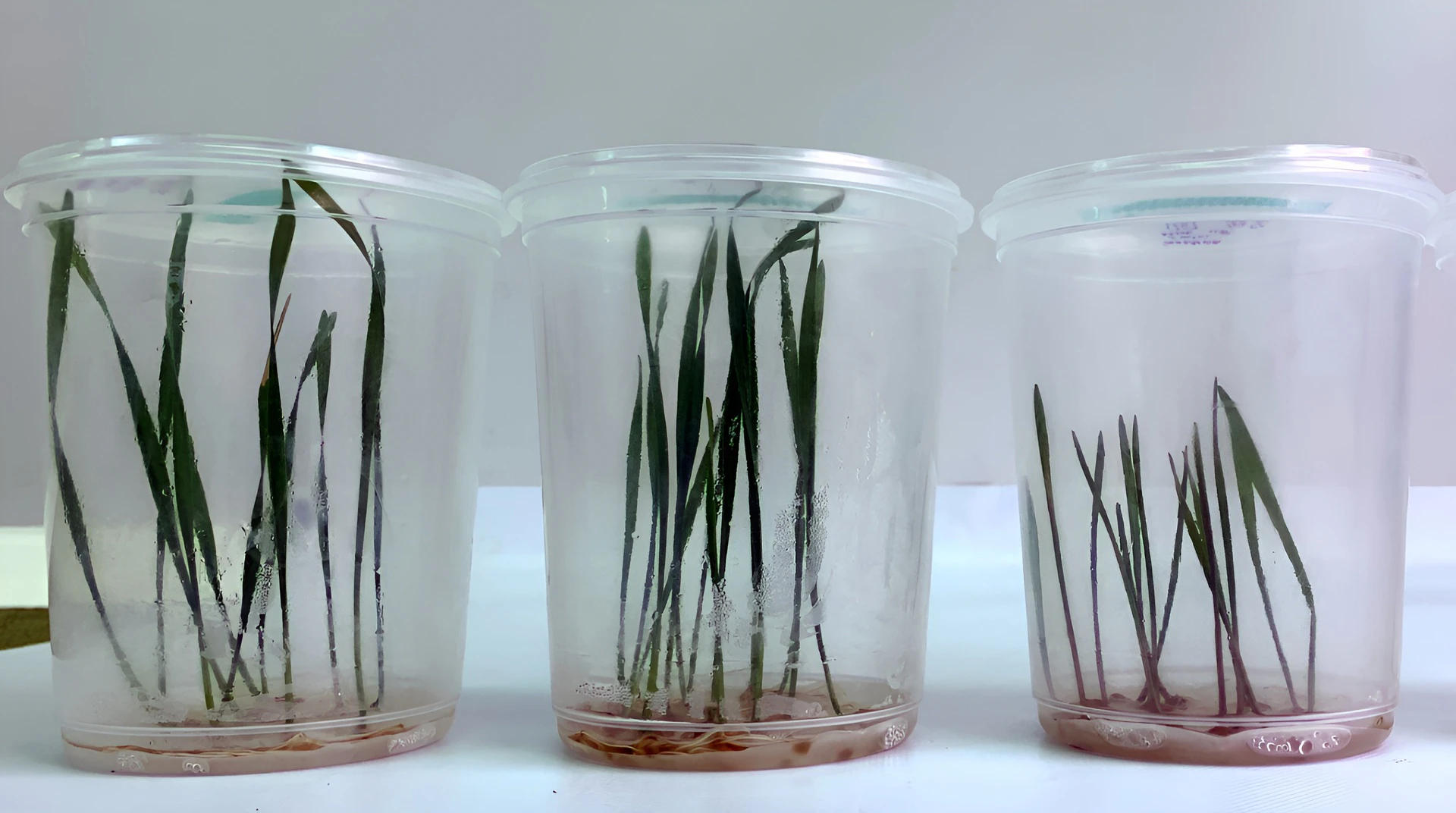
Screen for fungal resistances in TEgenesis-treated wheat
TEgenesis® is a new breeding method which, among other things, accelerates climate-change adaptation in plants. The method therefore has great potential for finding faster responses to the challenges of the agriculture and food sector than conventional breeding can.
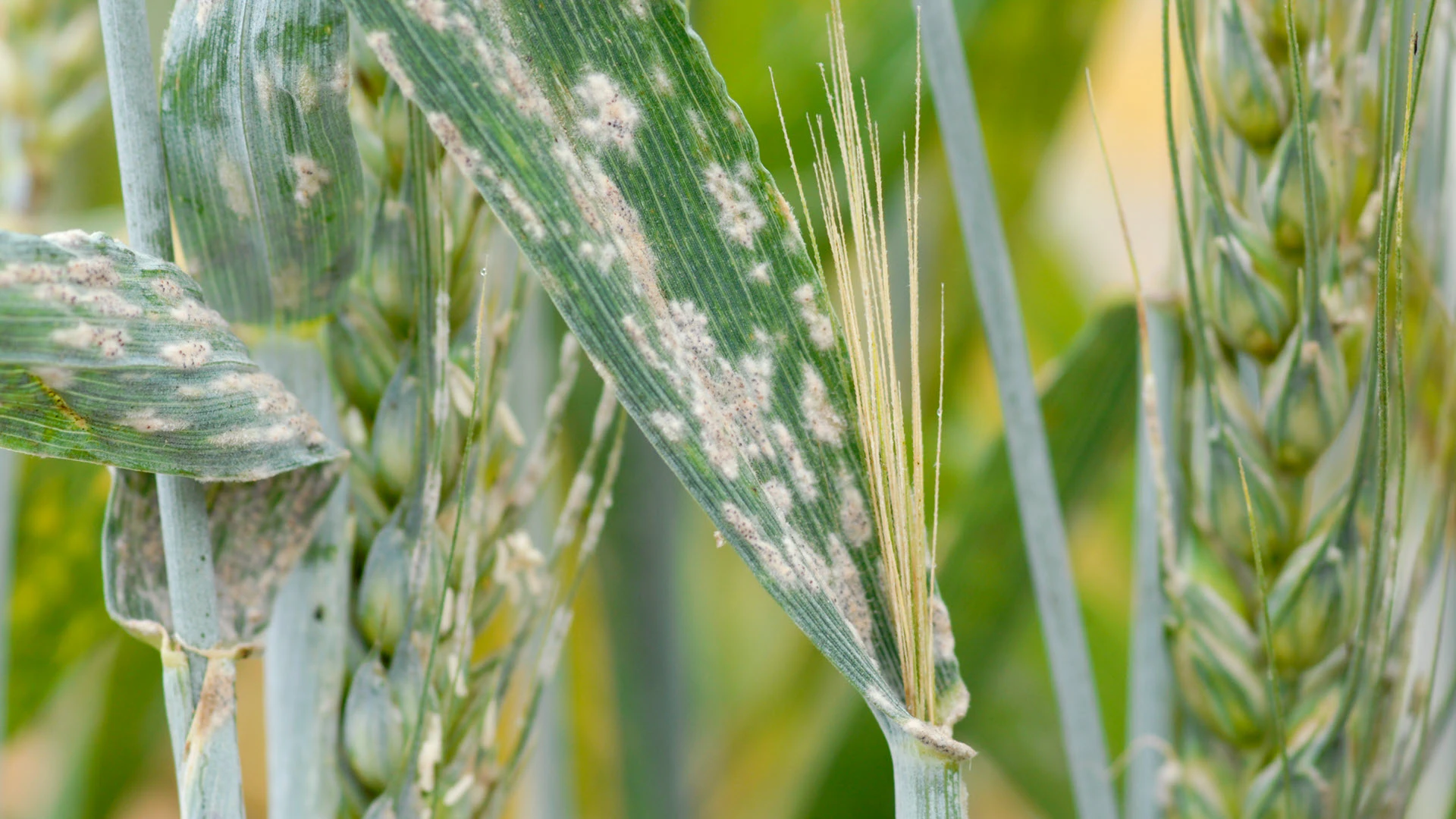
Wheat with Improved Powdery Mildew Resistance (University of Zurich)
The first field season was launched in 2014. The last harvest was carried out by the University of Zurich in 2023.
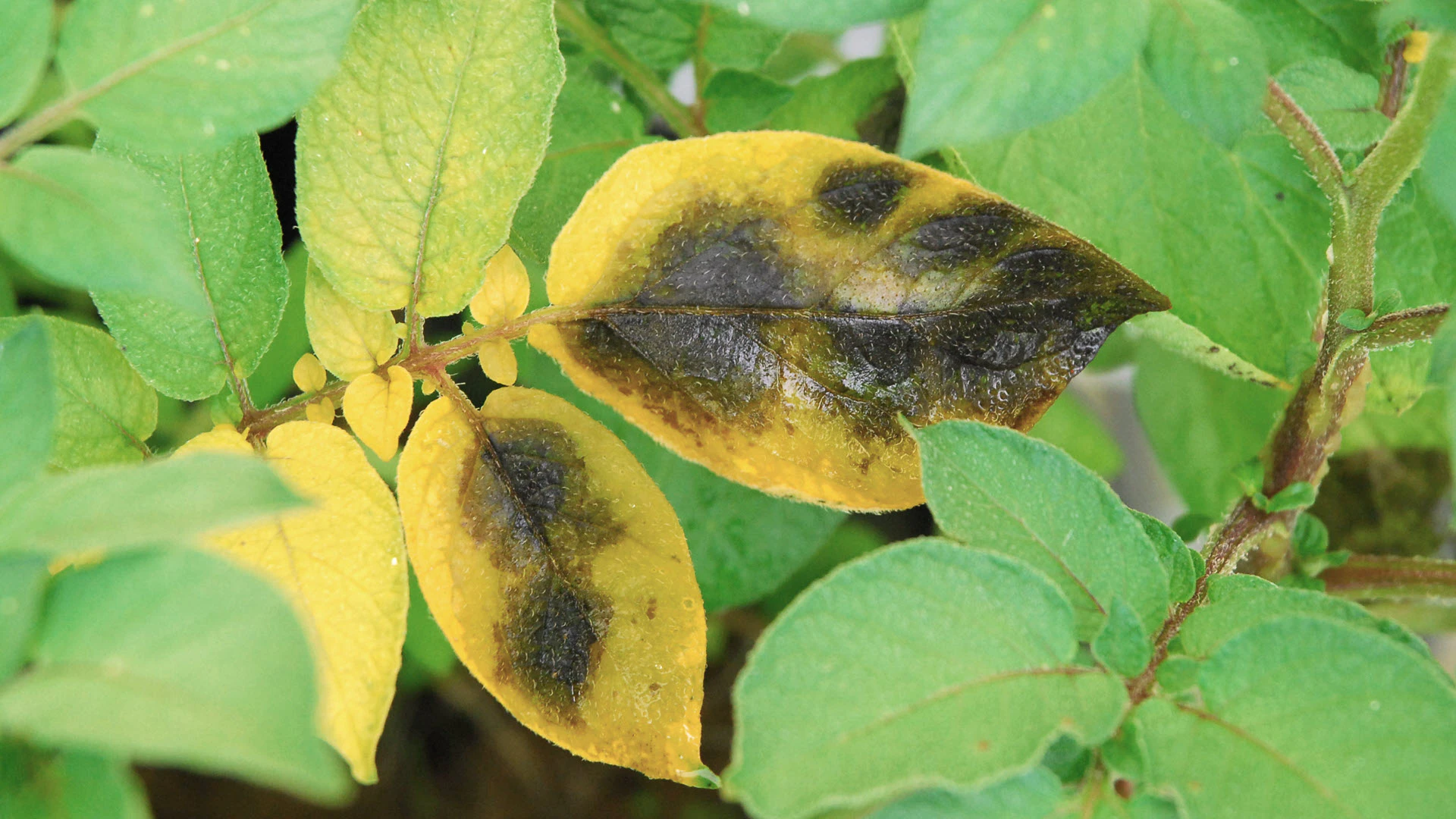
Cisgenic Potatoes with Improved Late Blight Resistance (Agroscope)
Late blight is the most important disease affecting potatoes worldwide. It is caused by the pathogen Phytophthora infestans. Researchers at Wageningen University (NL) have used genetic engineering methods to transfer genes that confer resistance to this disease from wild potatoes into two potato varieties. Agroscope studied whether the resistance thereby introduced was effective in the field under the local conditions in Switzerland.
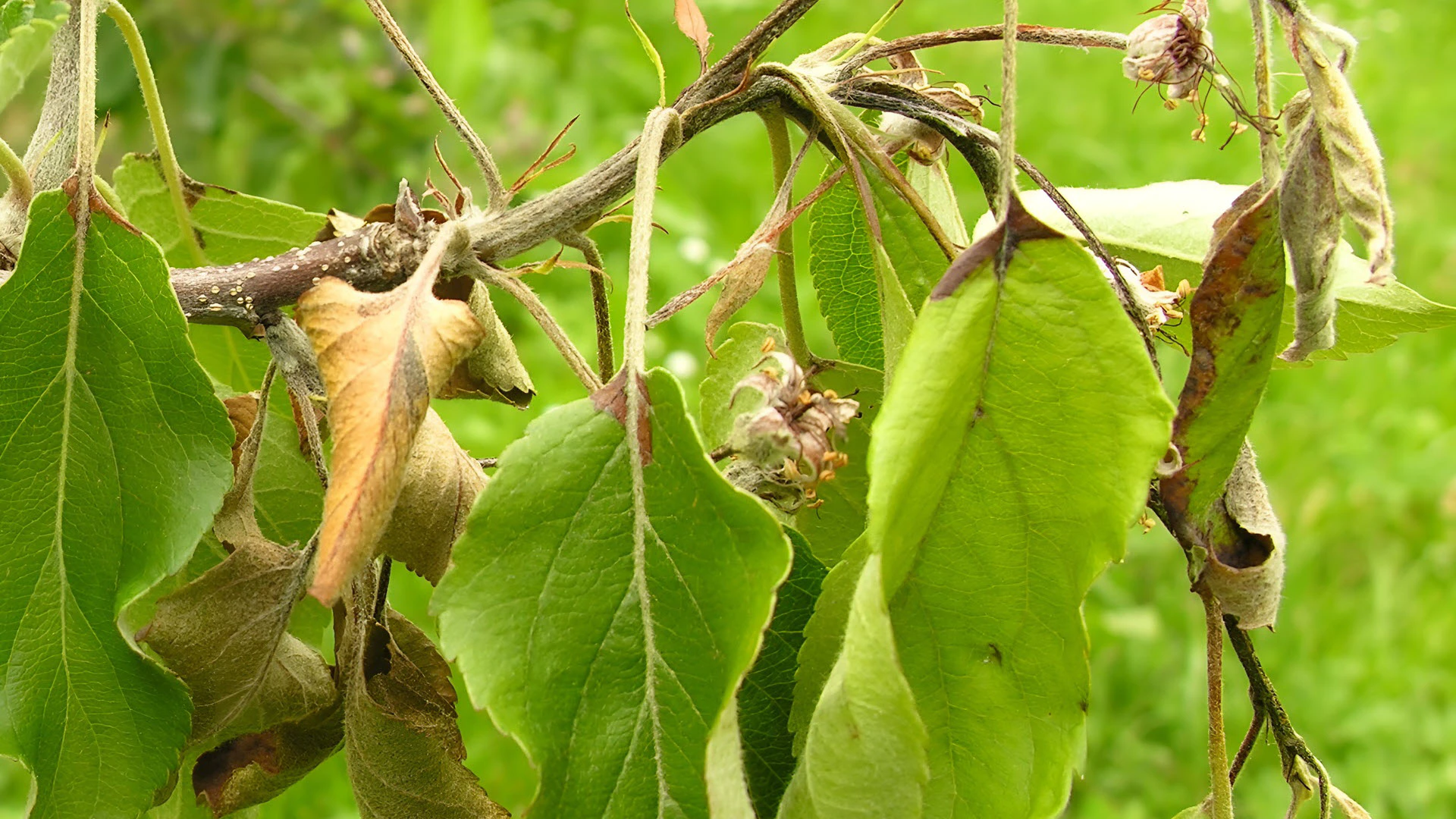
Cisgenic Apple Trees with Improved Fire Blight Resistance (Agroscope)
In the field trial, apple trees were examined to which a gene from a wild apple was transferred using genetic engineering methods. The gene confers resistance to fire blight, the most important bacterial disease affecting apple trees worldwide.
30 October 2025
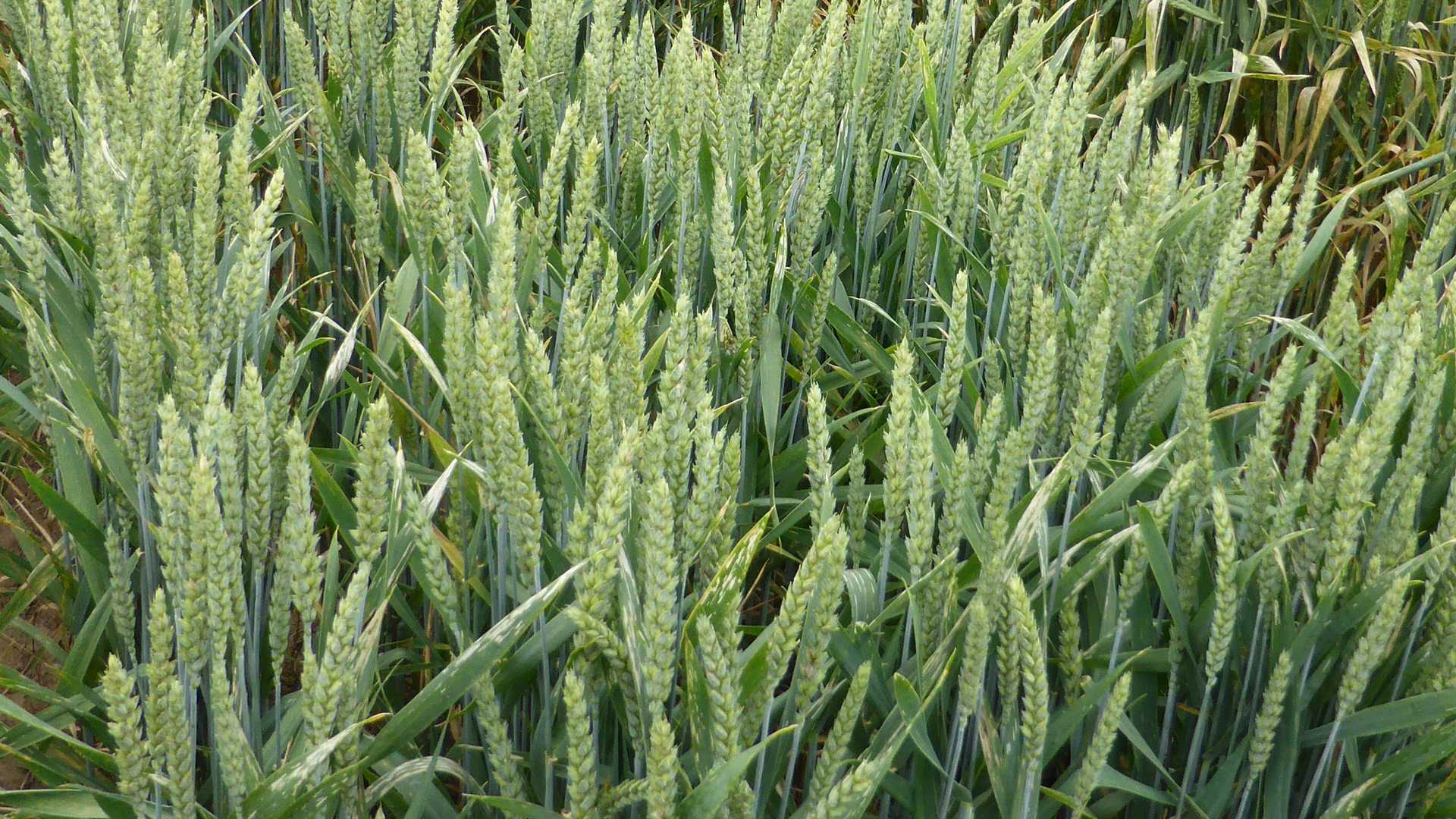
Winter Wheat with Increased Yield Potential (Agroscope)
Researchers at the Leibniz Institute of Plant Genetics and Crop Plant Research IPK in Gatersleben (Germany) have developed a genetically modified wheat with altered sugar transport. In greenhouse trials, it showed significant increases in yield compared to the non-transformed control line. Together with the IPK, Agroscope investigated the effect of the genetic modification on the performance of winter wheat under field condition in comparison with conventional winter wheat varieties.
30 October 2025
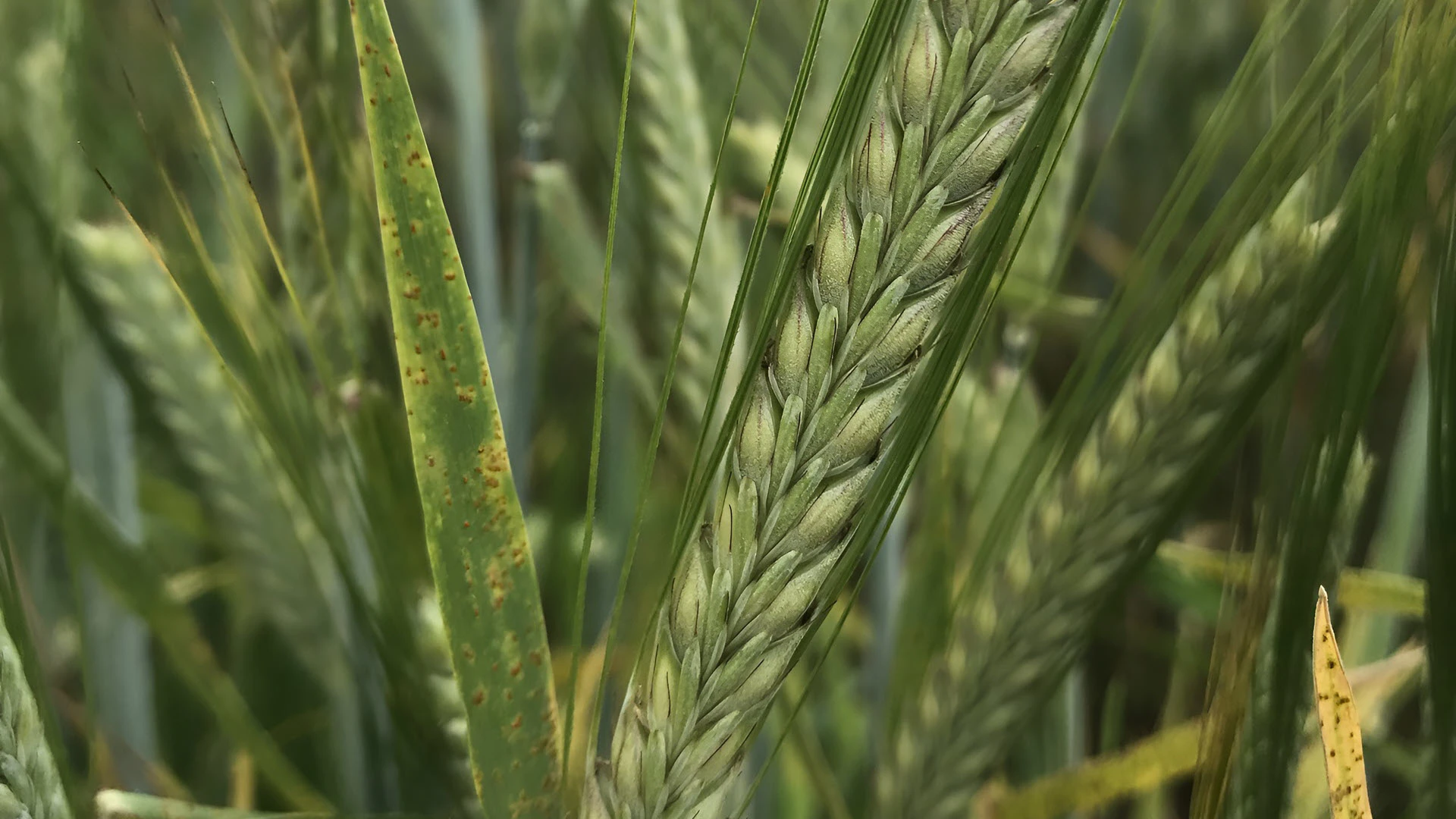
Barley and Maize with Improved Fungal Resistance (University of Zurich)
The University of Zurich carried out field trials with maize from 2020 to 2022 and with barley until 2023.
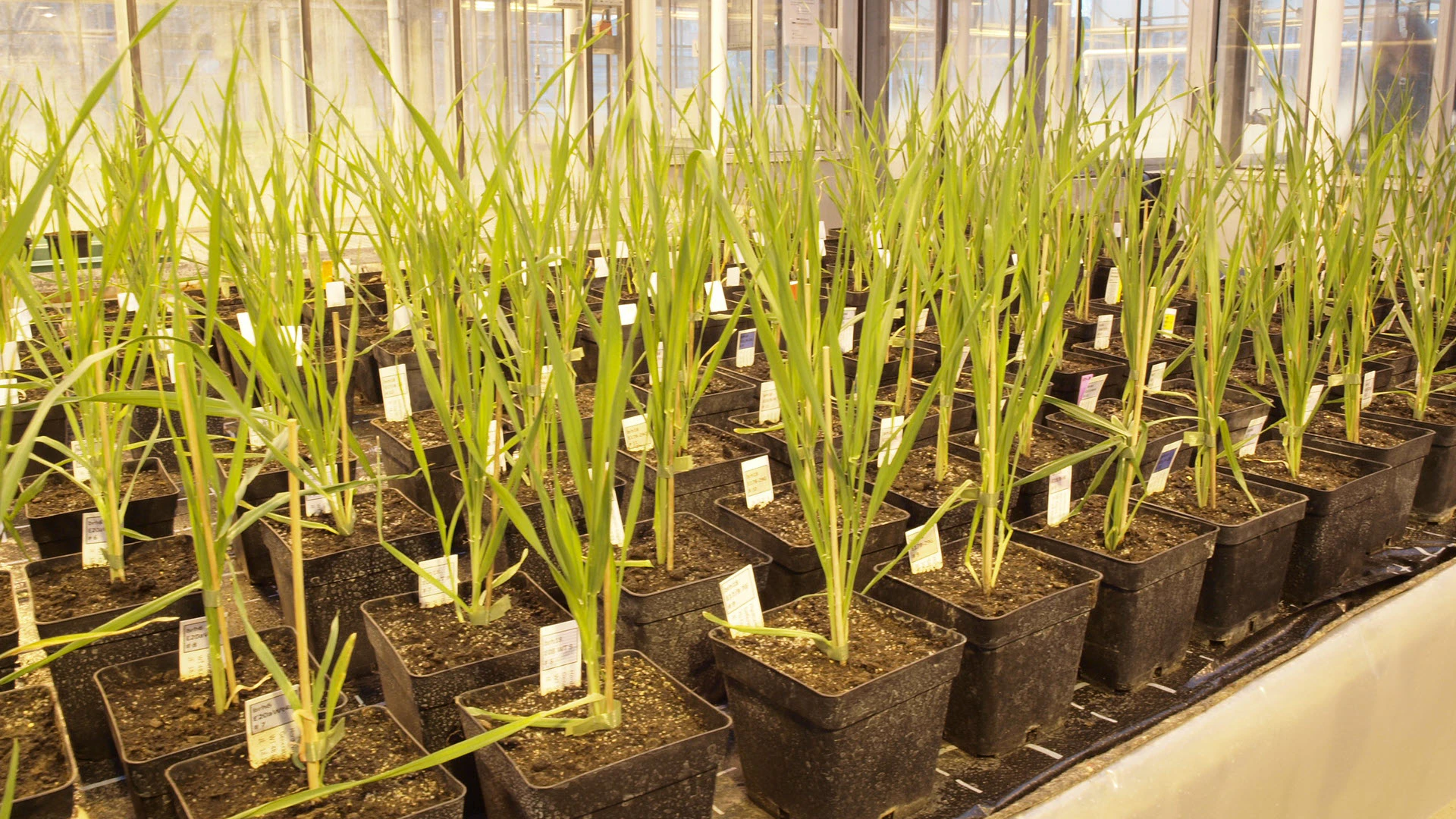
Barley with Altered Yield Traits
Agroscope submitted an application for the permit to conduct the field trial to the Federal Office for the Environment (FOEN) in September 2023. The field trial was approved on 15 February 2024.
Read more
30 October 2025
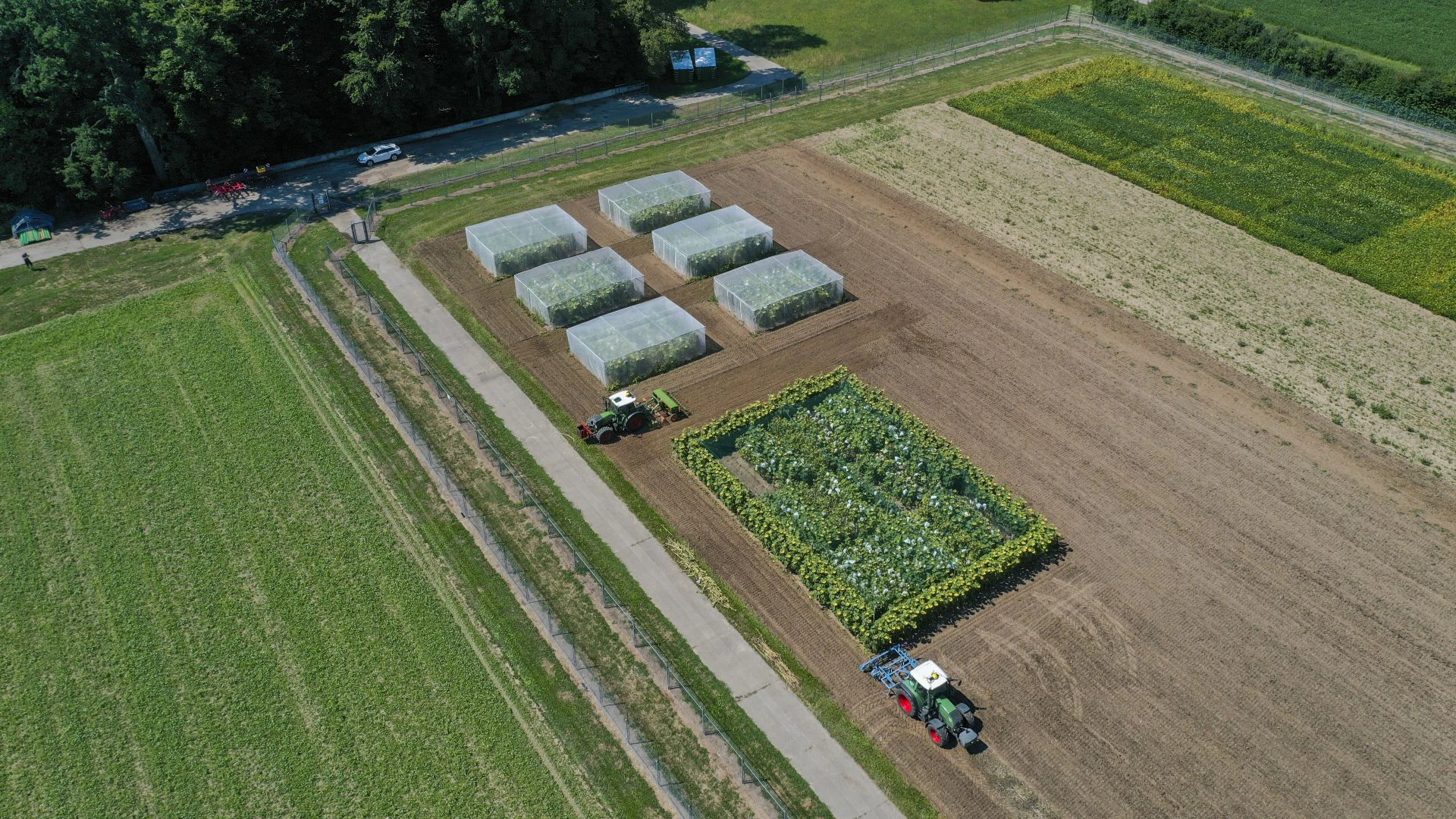
Protected Site - Site for Field Trials of Genetically Modified Plants
Agroscope is operating a protected field site at the location Reckenholz (Zurich) to enable field experiments with genetically modified plants in Switzerland. The aim of those experiments is to identify the potential and the limitations of green gene technology.
Breeding Research
The use of disease-resistant varieties is a sustainable approach for reducing the use of plant-protection products in agriculture. Agroscope provides breeders with the basic requirements of efficient resistance breeding.