
Monitoring, Analytics
Agroscope provides tools and decision-making criteria for the safeguarding of natural resources such as soil, water and biodiversity. These include e.g. environmental analytics or programmes that measure the environmental impact of agriculture.
News
Topics
Swiss Agri-Environmental Data Network (SAEDN)
How does agricultural practice affect the environment and how does this environmental impact change over time? Agri-environmental monitoring provides answers.

ALL-EMA: The Swiss Agricultural Landscape Biodiversity Monitoring Programme
The ALL-EMA Biodiversity Monitoring Programme has been recording the state and changes in species and habitat diversity in the Swiss agricultural landscape since 2015. The programme provides a scientific basis for recognising trends in biodiversity and for evaluating agricultural and environmental policy measures in the in the field of biodiversity.
Environmental Analytics
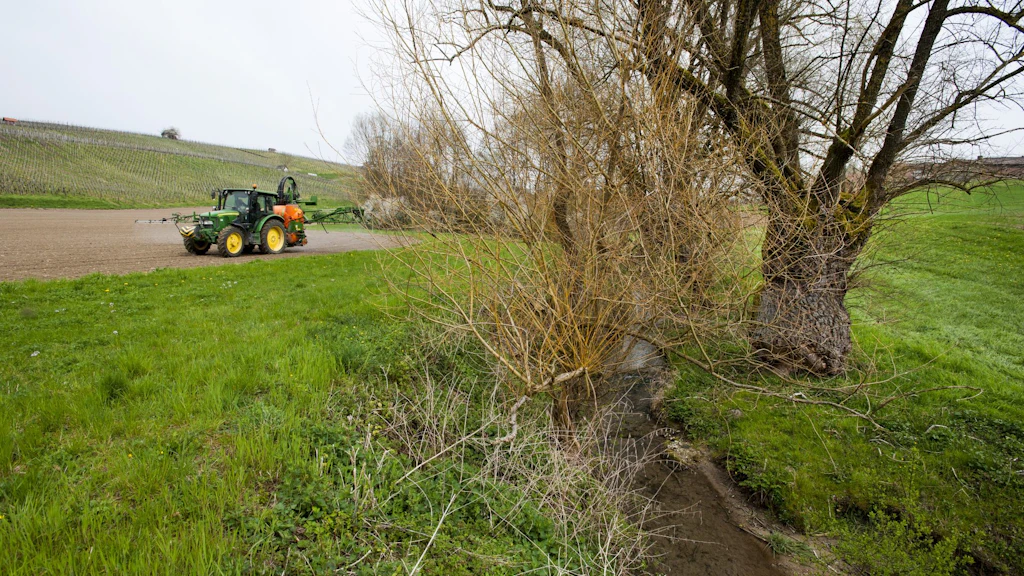
One of the main sources of micropollutants in the aqueous environment are diffuse emissions from agriculture through e.g. surface runoff or drainage. The Environmental Analytics Working Group investigates properties, emission pathways and degradation mechanisms of these agricultural micropollutants in different environmental matrices.

Schweizerische Referenzmethoden der Forschungsanstalten Agroscope
Das Ziel der Referenzmethodensammlung ist es, verbindliche Methoden für folgende Vollzugsaufgaben bereitzustellen:
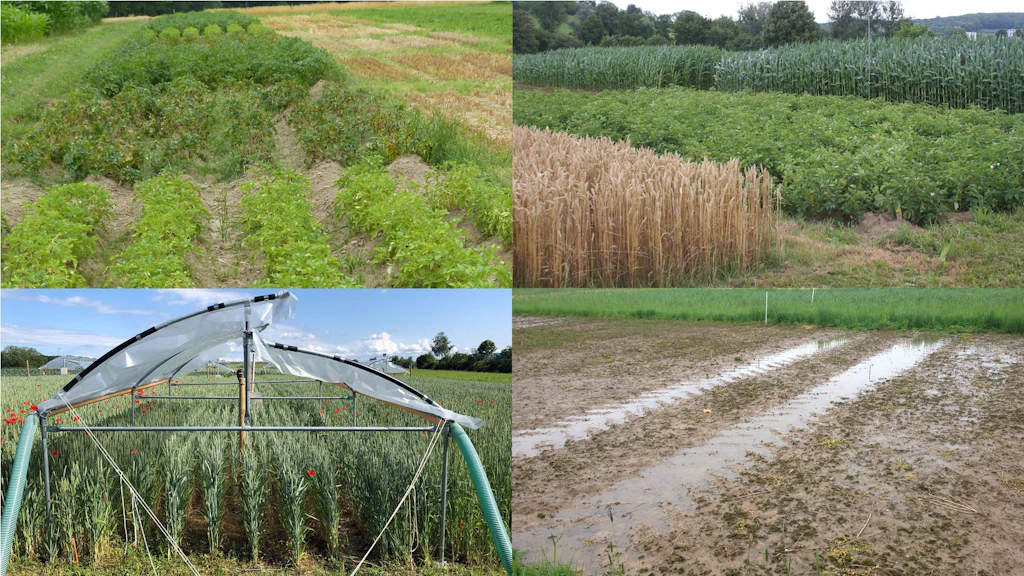
Long-Term Trials – What We Can Read Between the Lines
Agroscope maintains and supervises several long-term trials in Switzerland to enable the investigation of longer-term changes in soil quality and in the soil functions that depend on these.
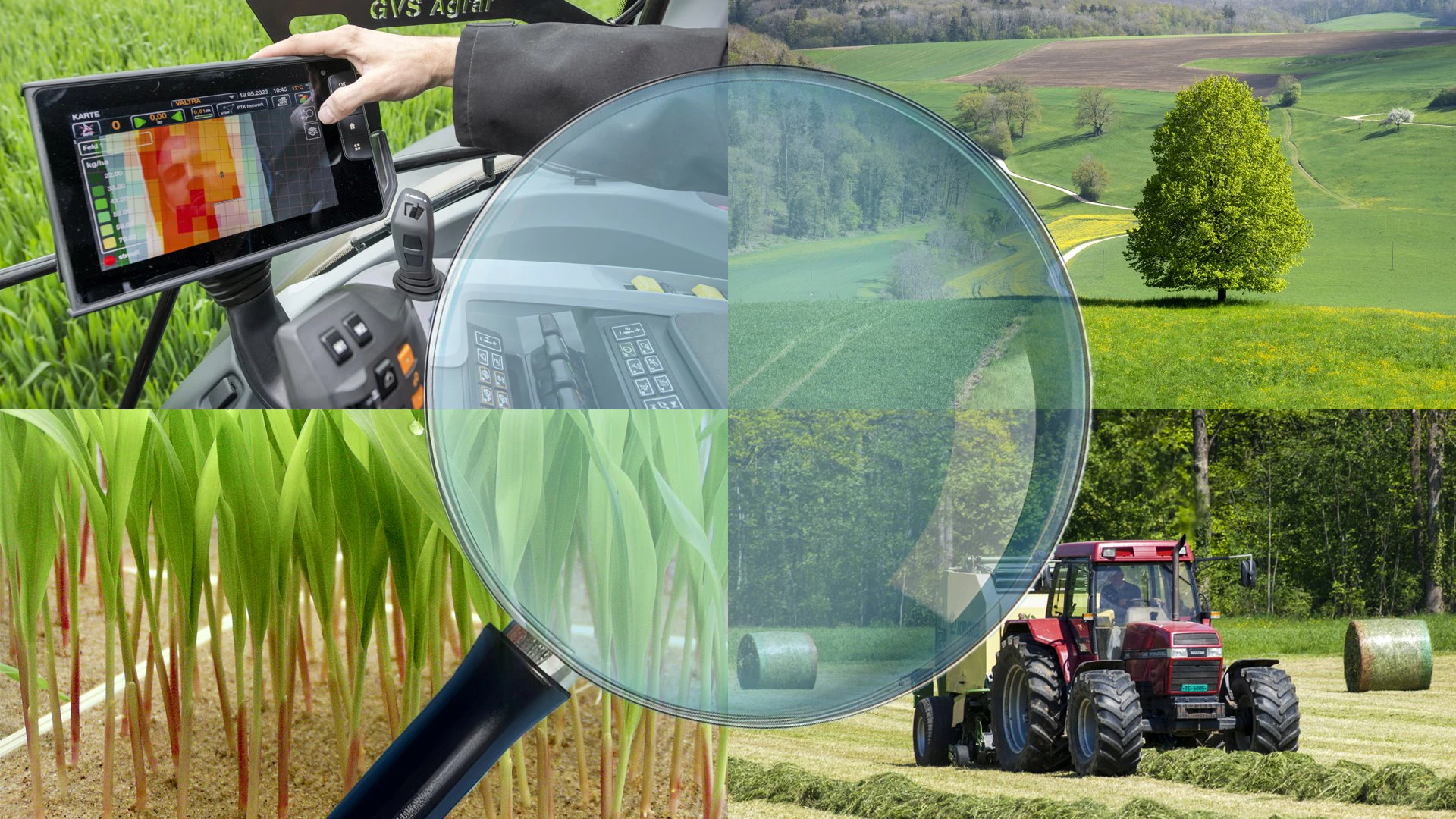
Monitoring of the Swiss Agri-Environmental System (MAUS)
In order to develop agricultural policy, it is important to know how agriculture affects the environment. For this reason, the Federal Office for Agriculture (FOAG) performs an agri-environmental monitoring (AEM) service, based on the ‘Ordinance concerning the Evaluation of the Sustainability of Agriculture’ (SR 919.118). Agroscope’s Competence Centre for Agri-Environmental Indicators is responsible for coordinating and calculating agri-environmental indicators (AEIs), at both national and individual-farm level.

