
Functional Ecological Compensation
Biodiversity can also be maintained and promoted with innovative cultivation strategies, e.g. with rice crops north of the Alps.
Topics

Operationalisation of the Agriculture-Related Environmental Objectives for ‘Species and Habitats’
The report furnishes a basis for the regional conservation and promotion of species and their habitats within the framework of the Agriculture-Related Environmental Objectives (AEO species).

Promoting Biodiversity in Arable Farming
Despite fulfilling important functions for the environment, many wildflowers have become rare on Swiss arable land. That’s why Agroscope is investigating how wildflowers can best be employed and used.
Ecological compensation
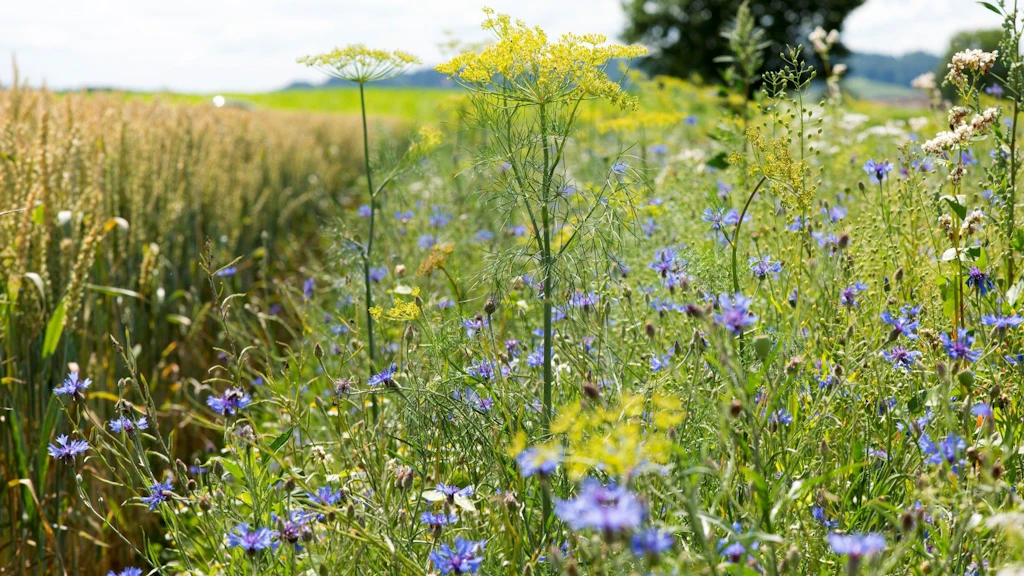
Since 1993 the promotion of ecological aspects, especially the enhancement of faunistic and floristic diversity, has become a main aim of the Swiss agricultural policy. These efforts include regulations concerning the application of pesticides, the balance of the nutrient budget, the crop rotation, livestock husbandry and the maintenance of ecological compensation areas. Direct payments are a crucial element in the new agriculture policy as a compensation for reduced prices for agricultural products and special ecological services. Since 1999 the farmers only have access to subsidy payments if the above-mentioned conditions are fulfilled. One of these conditions is to set aside 7% of the farmland as ecological compensation areas, including different types of extensively used grassland, hedgerows and bushes, wildflower strips or other elements.
Flower Strips for Beneficial Insects
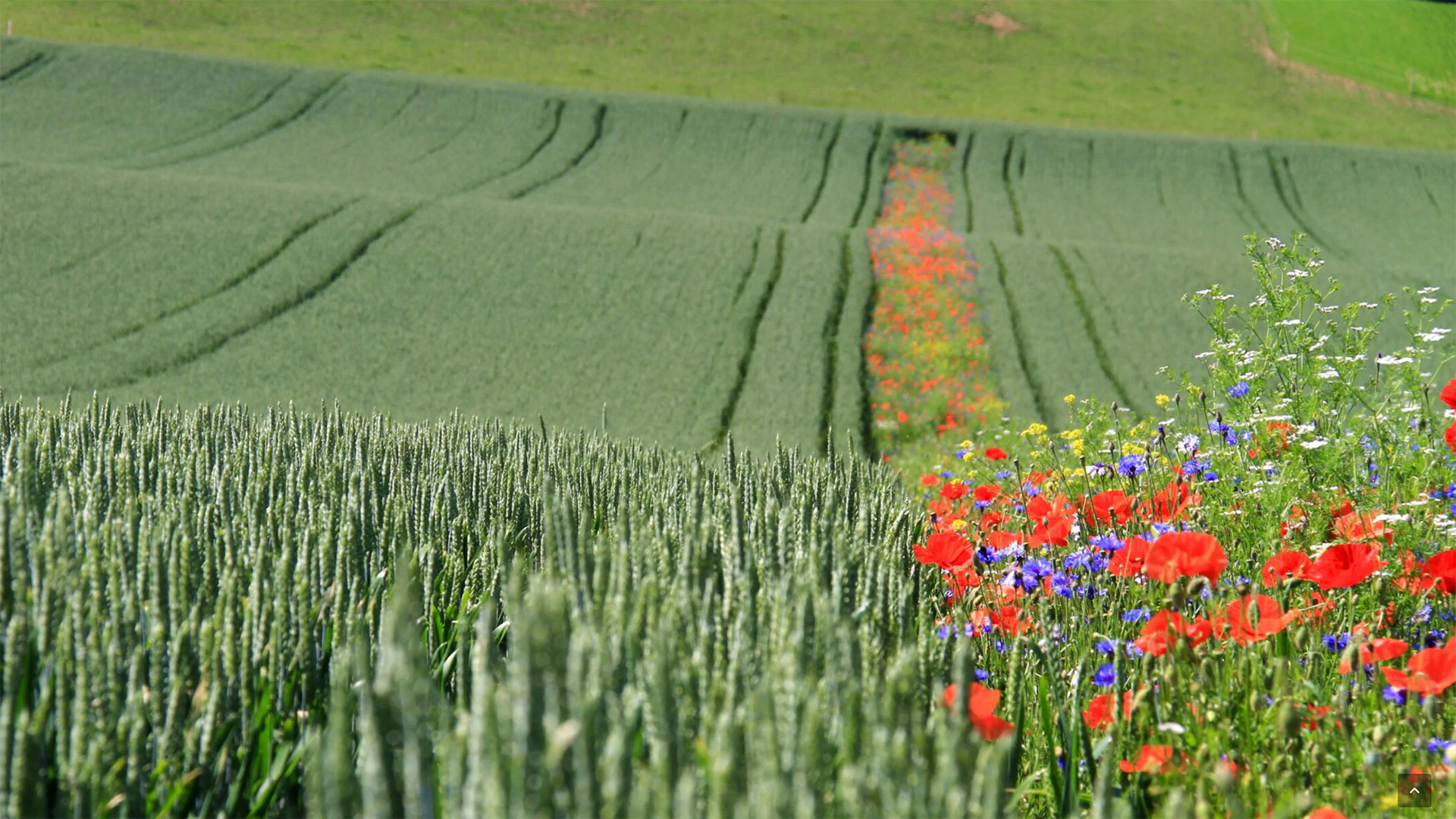
Flower strips specifically geared to the needs of beneficial insects can be a feasible tool for practitioners wishing to enhance biological pest control in the field. This was demonstrated by experiments with so-called ‘flower strips for beneficials’ sown as annual strips in the arable crop with 13 to 16 species of wild and cultivated plants such as cornflowers, coriander, buckwheat, poppy and dill.
Alternatives to the Use of Glyphosate at Train Stations and in the Swiss Rail Network
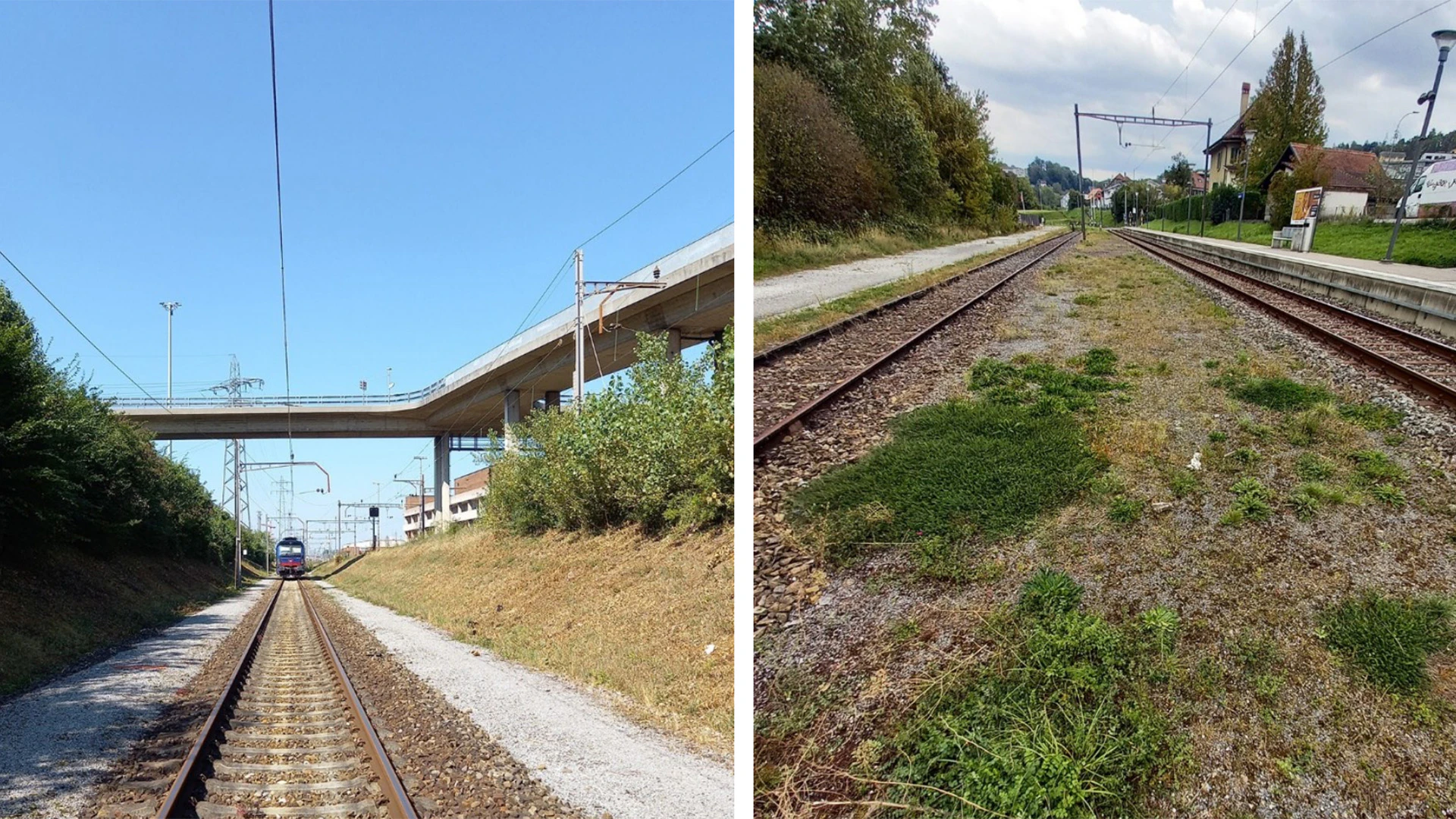
Vegetation in the track area must not impede rail traffic and must therefore be controlled. The Swiss Federal Railways (SBB) use glyphosate for this purpose but wish to restrict usage to a minimum. They have therefore charged Agroscope with investigating alternative strategies such as the targeted greening of verges and peripheral areas and the use of hot water to control vegetation.
Wild Bees and Pollination
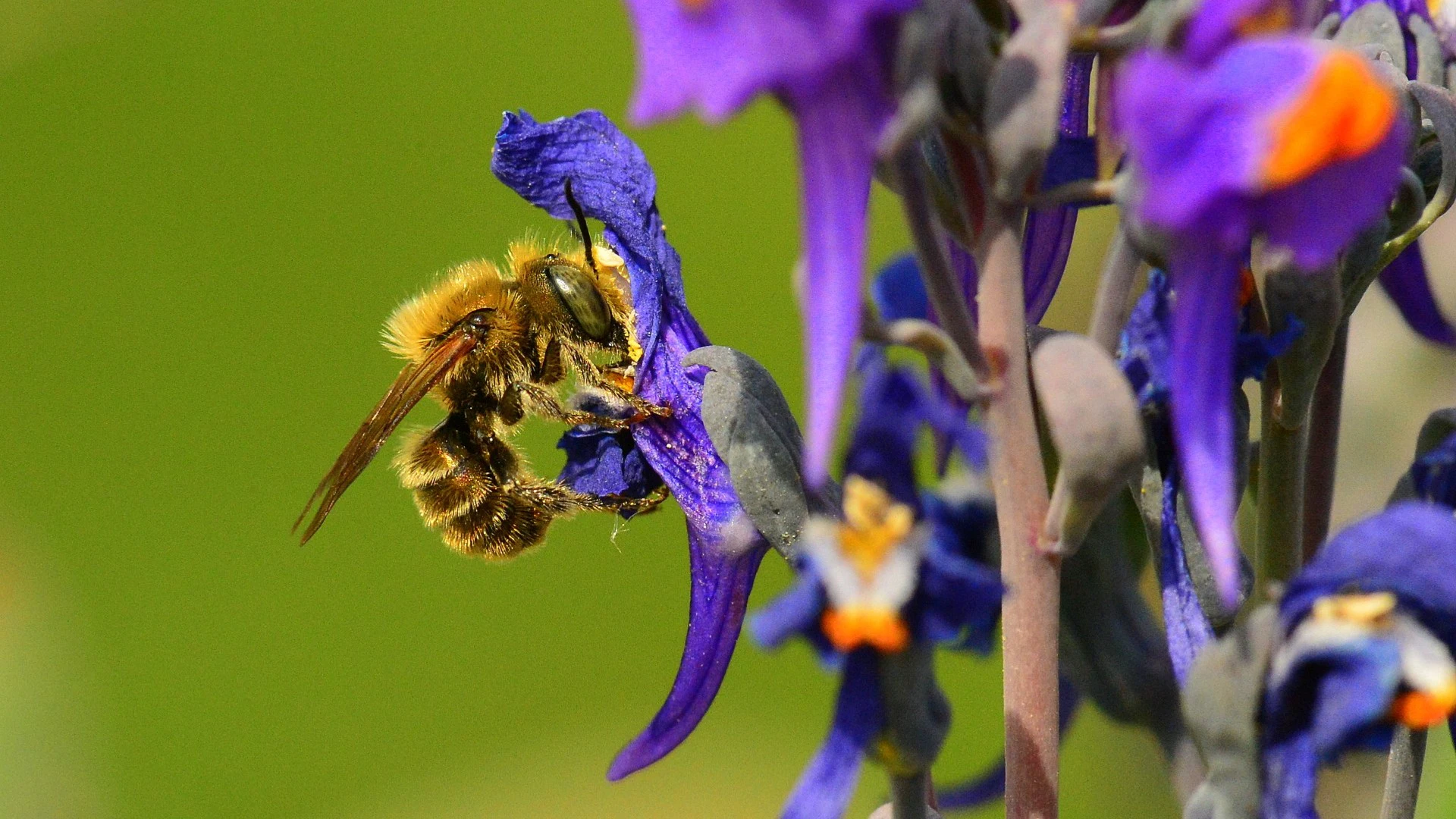
Honey bees, wild bees and other insect pollinators play a crucial role in agricultural ecosystems. Pollinators help to improve the yields of around 75% of the world’s most important agricultural crops.
Management of Environmental Focus Areas
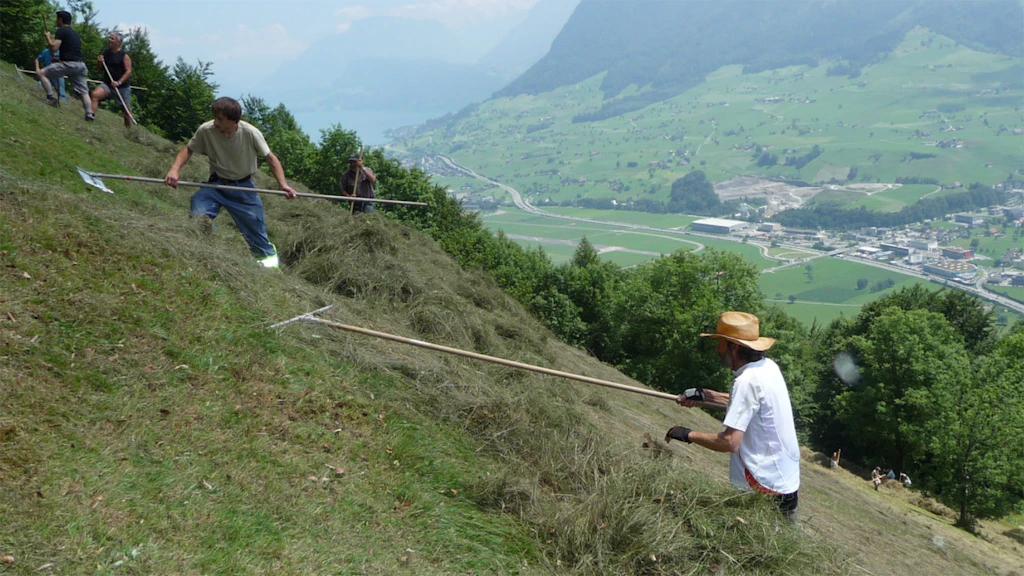
Regarding this issue, the effect of hay blowers on flora and various mowing devices on fauna have been the focus of investigations in recent years.
Promotion of Biodiversity on Wet Arable Land
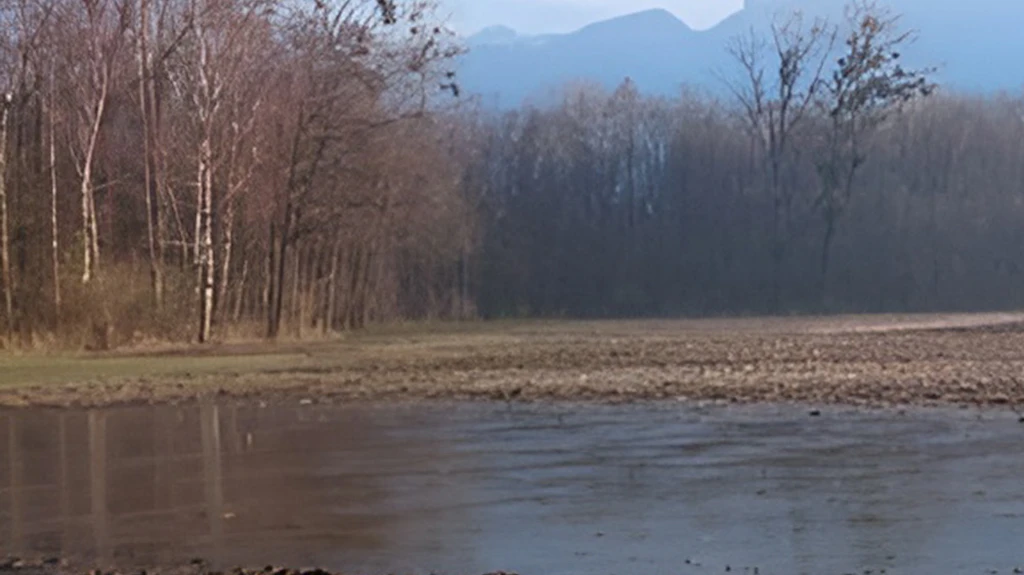
Wet arable land (WAL) offers special habitats for a range of animal and plant species that are reliant upon wet-dry habitats. Over the last 200 years, extensive drainage and water correction carried out to enable the cultivation of crops that are dependent upon sites of average wetness have led to a drastic decrease in WAL in Switzerland. For this reason, a large percentage of the wetland-specialised species which the Agricultural Environmental Objectives (AEOs) aim to encourage are currently endangered, or even threatened with extinction. In addition, agricultural drainage systems exert a complex influence on water, nutrient and pollutant flows, erosion, and greenhouse-gas emissions, as well as on agricultural production.
Pâturage extensif des lisières étagées
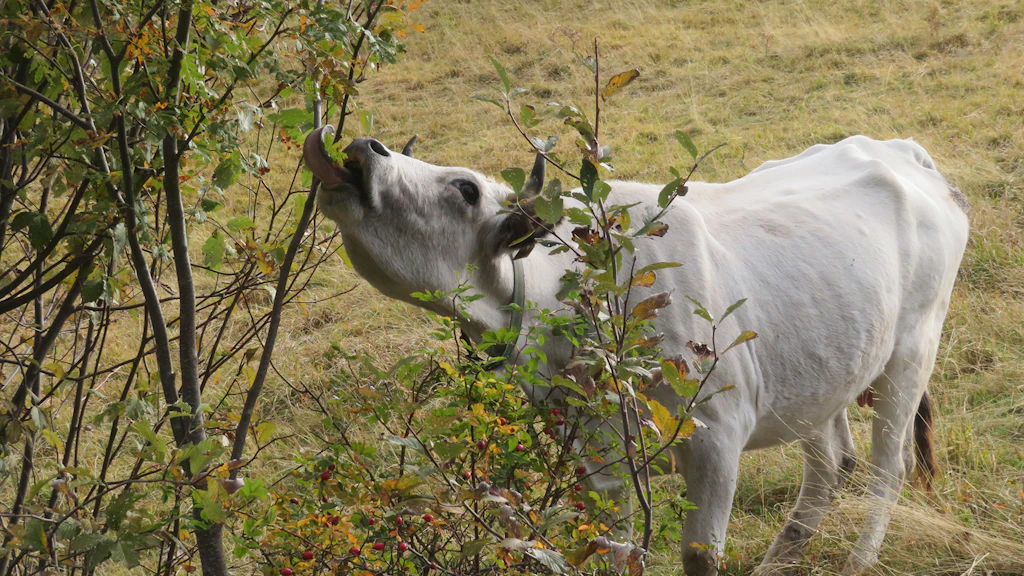
Les quelque 25 500 km de lisières de forêt du Plateau suisse recèlent un grand potentiel pour la valorisation écologique. Dans les terres cultivées, la frontière est souvent nette entre la forêt et les milieux ouverts et la diversité des espèces est faible. Aujourd’hui, certaines de ces lisières sont éclaircies mécaniquement afin de créer des habitats à haute diversité structurelle et de valoriser le paysage. C'est pourquoi Agroscope lance le projet «Pâturage extensif en lisière de forêt», qui étudie si un pâturage extensif peut réduire les interventions mécaniques pour éclaircir les lisières et empêcher qu'elles ne soient à nouveau envahies par la végétation. Cette utilisation durable des terres combine l'exploitation forestière traditionnelle avec des approches modernes de protection de l'environnement, afin de promouvoir la biodiversité et de mieux assurer la mise en réseau des biotopes.