
Wild Bees and Pollination
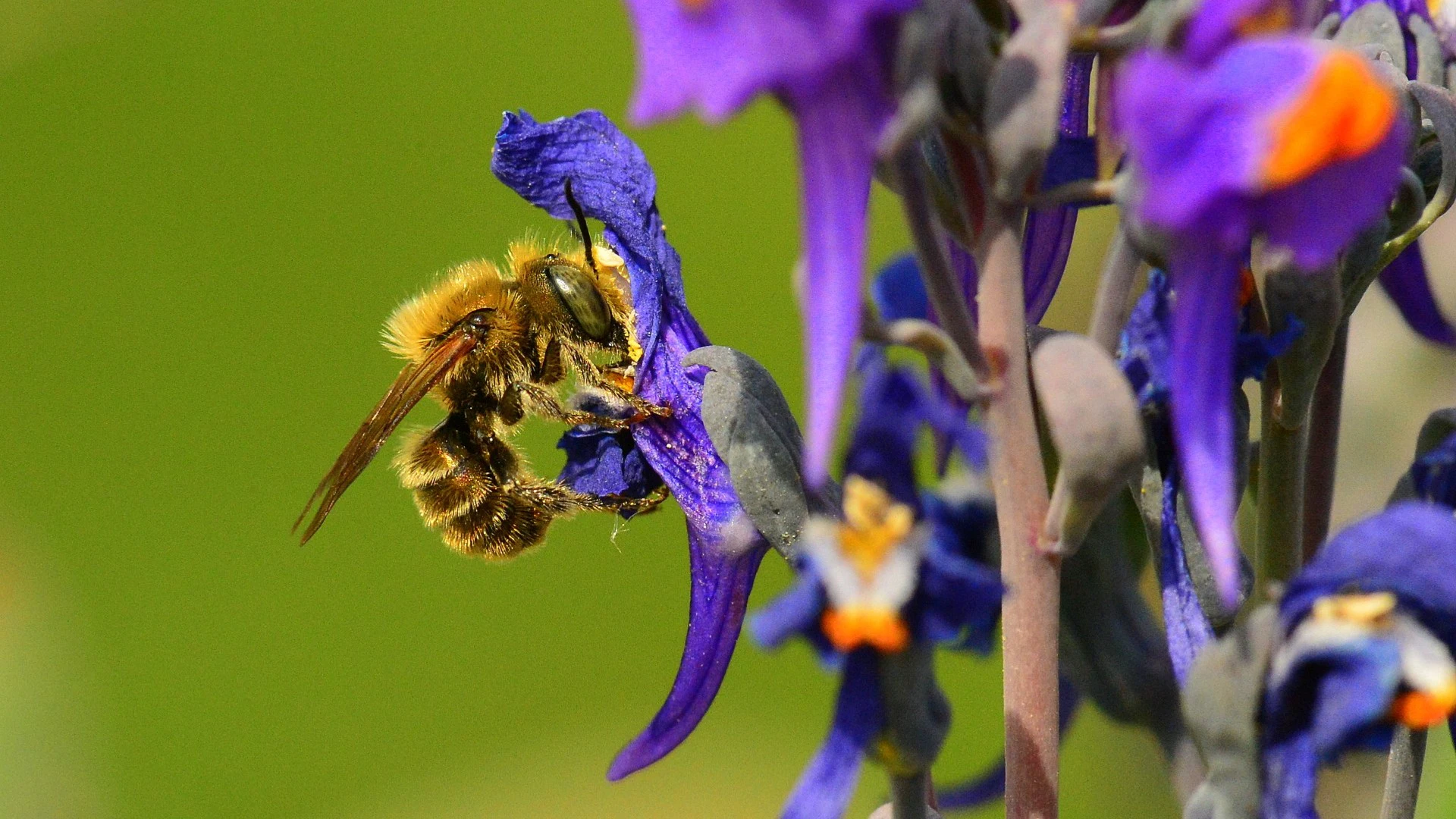
Honey bees, wild bees and other insect pollinators play a crucial role in agricultural ecosystems. Pollinators help to improve the yields of around 75% of the world’s most important agricultural crops. The estimated annual value of these pollination services is in excess of EUR 153 million. In addition, approx. 80% of wild plants are dependent upon, or at the least benefit from, pollination by insect pollinators. Wild bees and other pollinating insects such as hoverflies and other fly families, as well as butterflies, are highly diverse and species-rich groups of organisms which therefore make a substantial contribution to the high biodiversity of agricultural landscapes. Wild bees in particular are dependent upon linked habitats that are rich in flowers and microstructures, making them good indicators for the state of biodiversity in agricultural landscapes. Because of these relatively high habitat requirements, as well as possible contamination from pesticides and other stress factors, however, many wild bees and other insect pollinators in high-input agricultural landscapes are at risk.
We investigate the effects of the interaction of various threats of this sort on wild bees and other pollinators, how these effects impact the provision of pollination services for agricultural crops, and what measures can be taken to support pollinators and pollination services effectively in agricultural ecosystems.
Topics
Index
Horizon2020 Project PoshBee: Wildbees fly for Research
What stresses wild bees? Is it certain plant-protection products, the absence of nutrient-rich foods – or a combination of both factors? Together with research partners throughout Europe, Agroscope is investigating these issues.
Flower Strips for Promoting Pollination
A new type of biodiversity-promotion area – ‘flower strips for pollinators and other beneficials’ – was introduced in 2015 for the targeted support of pollinators and the natural enemies of crop pests.
Is there a pollination deficit in insect-pollinated crops in Switzerland?
In arable-crop, fruit and vegetable production, the harvest quantity and quality of many crops depend on whether they are adequately pollinated by insects.
Interactive Effects of Pesticides, Nutritional Stress and Pathogens on Wild Bees
As pollinators of agricultural crops and wild plants, wild bees are of immense environmental and economic importance, though nutritional stress, certain pesticides and even accidentally introduced bee diseases and pathogens can adversely affect these creatures.
European Cooperation for Sustainable Pollination in Europe
Semi-natural Habitats Promote Pollinators and Pollination Services
Semi-natural habitats and structural elements such as hedgerows, forest edges or permanent grassland offer habitats for beneficial insects such as wild bees and predators of pests. How semi-natural habitats influence pollinators and other beneficials, and how knowledge of this can be used to promote pollinators and beneficials, thereby supporting pollination services and natural pest control, is currently being investigated in the EU FP7 Project QuESSA, with the involvement of Agroscope.