
Cheese, Milk and Dairy Products
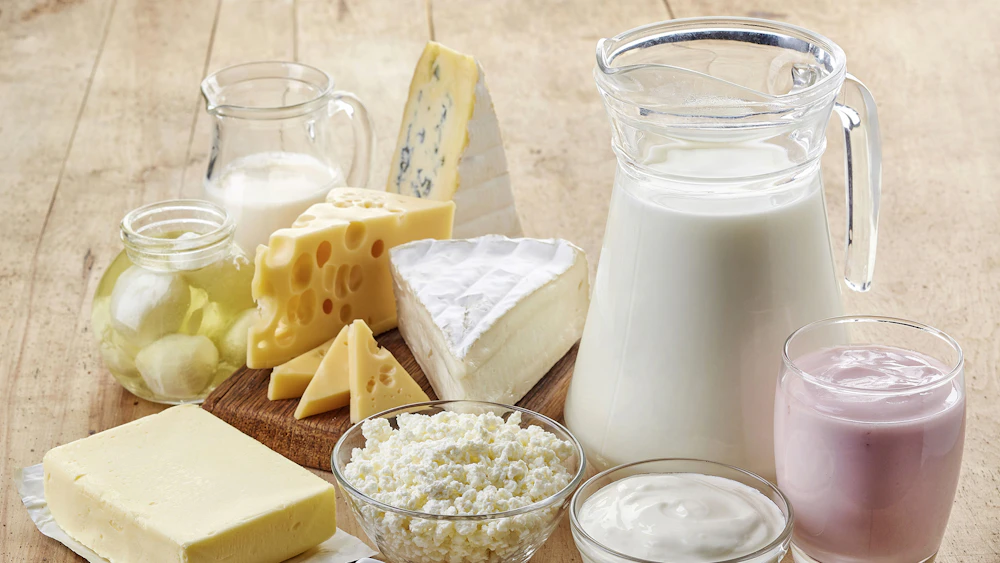
Milk and milk products are valuable foods in the human diet because of their composition.
Milk is processed mainly into cheese, butter, drinking milk, sterilised dairy products such as milk powder, liquid cream, yoghurt, ice-cream, various dairy desserts and quark.
Swiss milk, dairy products and cheese are world-renowned for their outstanding quality thanks to many years of research and advice from Agroscope.
With its research, advisory service, teaching activities and services, Agroscope supports milk processing and helps enable consumers to choose from a wide range of high quality products.
From animal feed to milk processing, Agroscope investigates factors influencing the quality of milk and dairy products.
Research work also aims at generating added value by means of innovative products, new methods and a targeted use of the functional constituents of milk. In addition to aspects of product quality, Agroscope also investigates the importance of dairy products and cheese in the human diet. Agroscope is particularly interested in preserving the nutritional value of milk compounds by minimal processing.
Research work and close contact with milk processors in trade and industry enable the expert and impartial evaluation of issues affecting milk, milk products and cheese. Agroscope develops and produces a wide range of cultures in eco-bud quality for the production of fermented milk products.
News
Topics

Consultation en matière d'économie laitière
Conseiller nos clients du secteur laitier fait partie de notre mandat, qui consiste à transmettre rapidement les résultats de nos recherches à la pratique.

Produits laitiers dans la nutrition
Dans la mythologie, le lait symbolise la maternité et la force de vie. Dans la Bible, «Le pays où coulent le lait et le miel» désigne le paradis.
Service spécialisé FIL / Codex
Plus de 50 expert-e-s suisses contribuent aux travaux de la Fédération internationale de laiterie FIL (International Dairy Federation IDF).

Yoghurt and curdled milk products
The fermentation of milk using micro-organisms was the very first way of preserving milk. Even then, however, it was only possible to extend the keeping qualities of milk by a few days.
Cheese
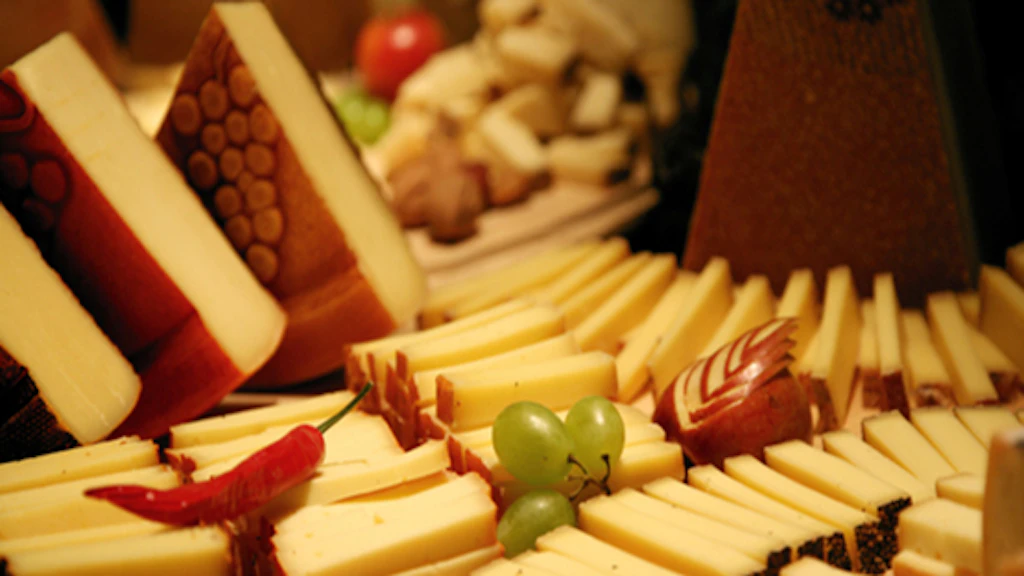
Around 170,000 tonnes of cheese per year are made in Switzerland, which corresponds to a good 40 per cent of the quantity of milk produced.
Milkfat
From a chemical perspective, fats are primarily triglycerides, i.e. ester-like compounds composed of three fatty acids and glycerol.

Fresh Milk
An analysis was made of the composition of pasteurised and ultra heat-treated whole milk, milk drink and skimmed milk bought on the Swiss market.
Raw-Milk Products: A Voyage of Discovery
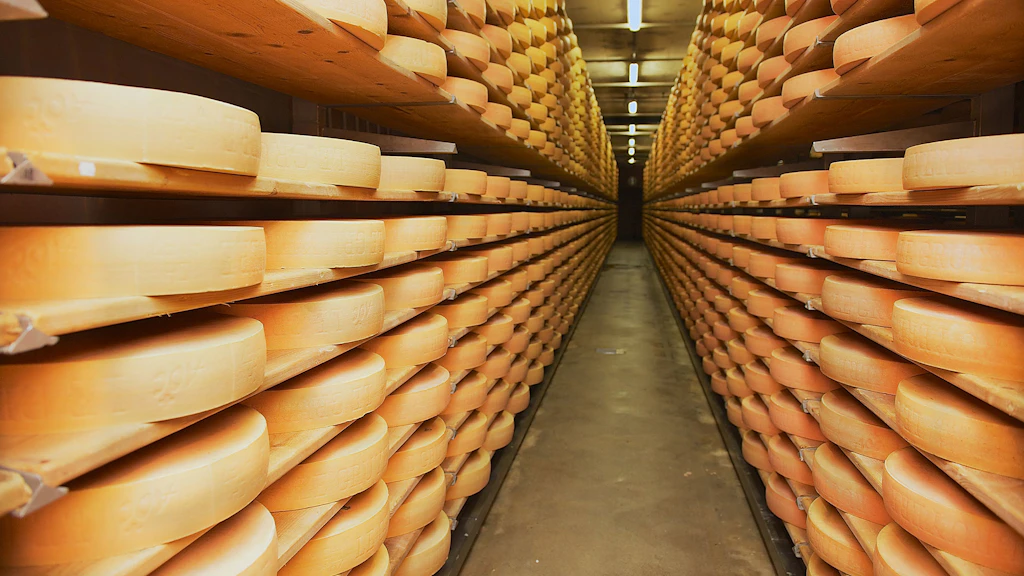
Making raw-milk products involves much more than simply not heating the milk. Raw milk contains a highly diverse microbiome. In order to ensure food safety and enjoyment, holistic production systems that encompass the entire value chain from pasture to plate are essential. In this way, the desirable bacteria are able to develop their full effect and the undesirable bacteria die off. The decades-long – sometimes even centuries-long – experience that has been collected, nurtured and passed on is of inestimable value.
Concentrates and Dried Products with Milk Components
Approximately 10% of Swiss milk is used directly to manufacture dried-milk products and condensed milk (long-life dairy products). The figure fluctuates between around 8% and 13%, depending on the market situation of milk and dairy products.
Lactobacillus: nouveau nom pour d’anciennes connaissances
Les lactobacilles sont un composant important des aliments fermentés comme le yaourt, le fromage, les saucisses crues ou la choucroute etc. Une équipe internationale de chercheurs-euses a maintenant publié une classification actualisée de Lactobacillus.

Cultures from Liebefeld

