
Bees
Agroscope’s Bee Research Centre conducts applied research for practical beekeeping in order to ensure the pollination of crops and wild plants and obtain bee products of impeccable quality.
News
Topics

Bee Research Centre
The superordinate objective is the realisation of ecological and economical beekeeping for plant pollination and the production of high quality bee products.
Diseases
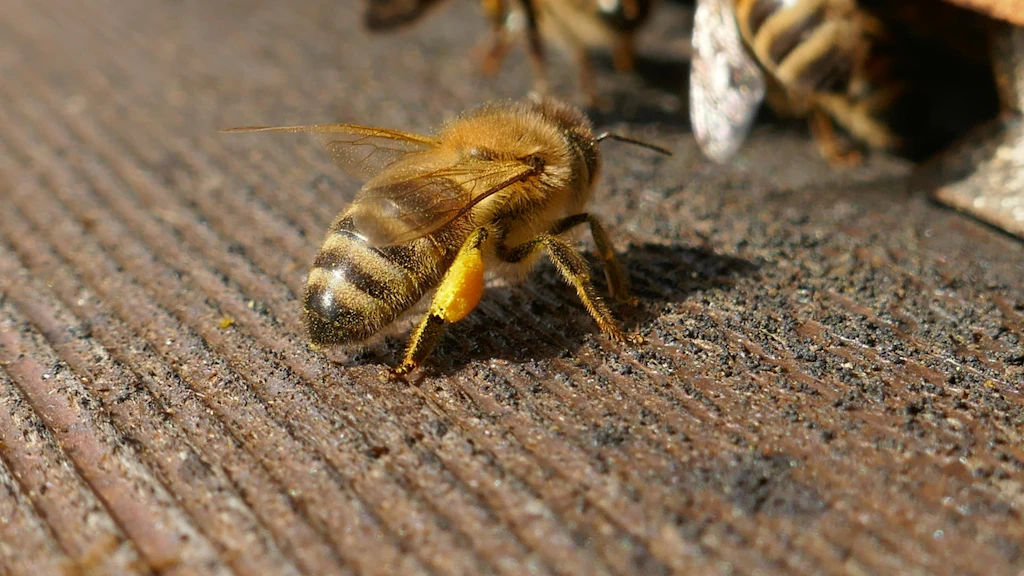
Bee pathogens and pests are responsible for a large proportion of the high colony losses observed in recent years. Many different types of organisms seek refuge in the colonies and can trigger diseases there. Among these, for example, are fungi, bacteria, viruses and mites. These affect the adult bees as well as the larval stagies, i.e. the brood. It is the task of the beekeeper to monitor the health of the colonies, and to take action if disease should strike.

Bee products
From time immemorial, man has used hive products as a food or for therapeutic ends. Honey, pollen, royal gelly, beeswax, propolis, bee venom.
Biology
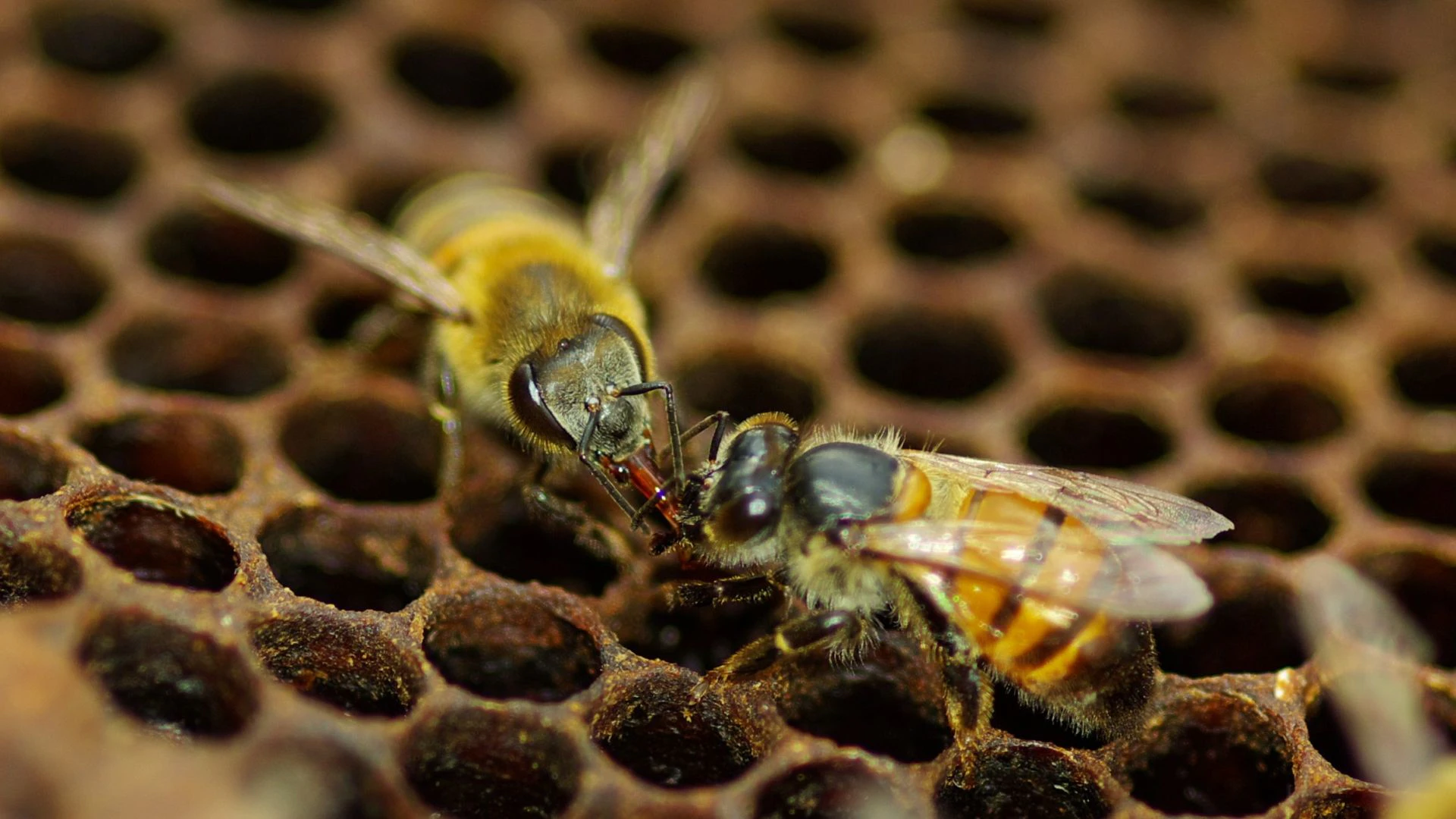
Honey bees are an example of social insects that live in complexly organised societies. Investigating how these societies are organised has fascinated generations of researchers since ancient times, making bees one of the world's most studied insects.
Bees and Agriculture
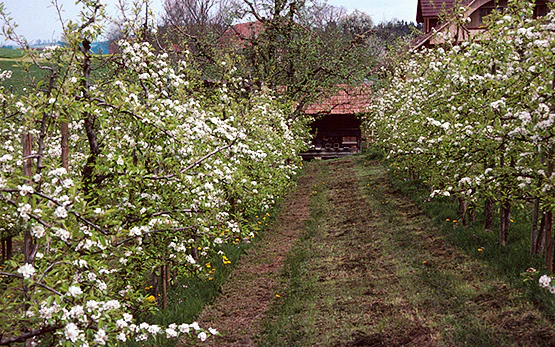
Beekeeping and agriculture are closely linked and dependent on one another. On the one hand, bees guarantee the efficient pollination and production of many crop plants; on the other, said crop plants offer a good source of food and foraging opportunities for the bees. Agricultural practitioners can also exert an influence on bee-colony development by implementing measures with positive or negative effects.
Beekeeping in Switzerland
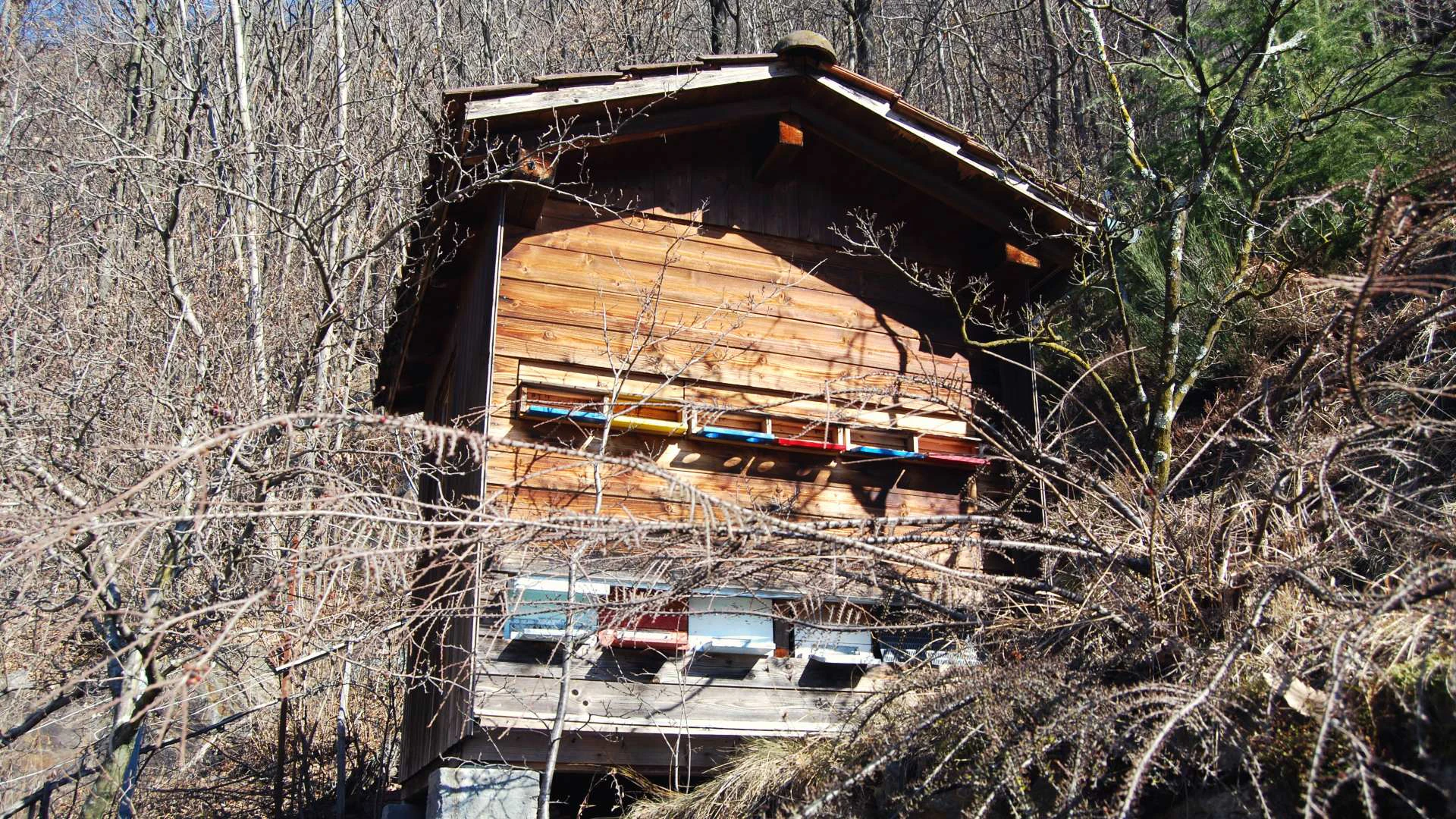
In Switzerland bees are kept in various ways. There are about 17 500 beekeepers with 165 000 bee colonies. This means that each beekeeper has on the average about 10 colonies.

Colony losses
In Switzerland as well as in many other regions in the northern hemisphere, beekeepers are confronted with major colony losses. The Varroa destructor mite plays an important role in these losses. We therefore recommend that beekeepers treat against varroa at the right time, in order to reduce the danger of colony losses to the greatest extent possible.

