
Alpine Farming, marginal sites
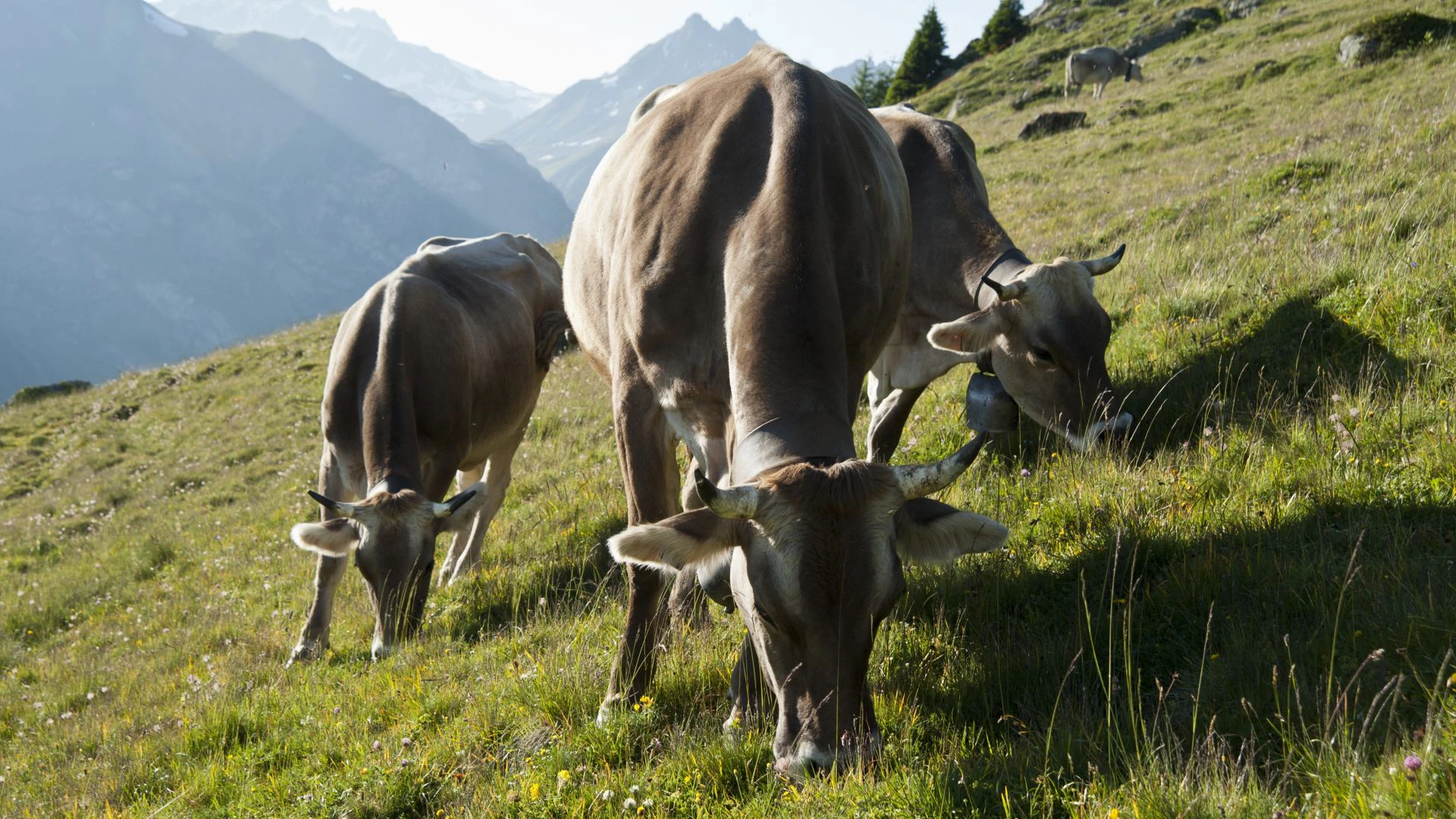
Alpine farming is an integral component of Swiss mountain agriculture. It produces high-quality foodstuffs and maintains an attractive landscape, valuable habitats and vibrant traditions. Many alpine pastures are marginal agricultural sites that must be managed with great care in order to maintain valuable forage ressources for grazing animals and preserve biodiversity. The type and intensity of grazing is crucial for the composition of the vegetation as well as the services that benefit both people and animals, such as forage production, biodiversity, carbon storage and erosion protection:
Structural change in mountain agriculture continues apace, with ever fewer farms cultivating ever larger acreages with an ever-decreasing workforce. We develop site-appropriate strategies for sustainable land use in the mountain region, and deal with current issues concerning grazing management, the use and conservation of plant communities, and the maintenance of an open landscape:
Further information

Regulierung von Zwergsträuchern durch gezielte Beweidung
Die zunehmende Verbuschung durch Zwergsträucher ist ein wachsendes Problem in alpinen und subalpinen Zonen des Alpgebiets. Arten wie Alpenrosen, Heidelbeeren, Wacholder oder Heidekraut breiten sich insbesondere in schwer zugänglichen Lagen aus und führen zu einem Rückgang der Biodiversität, der Futtermenge und Futterqualität sowie des Landschaftswerts. Vor diesem Hintergrund untersucht das Projekt, wie sich diese Verbuschung durch gezielte Beweidung regulieren lässt.
Grazing Systems for Landscape Conservation
Grazing behaviour of cattle breeds
Low-input pastures, among them many mountain and alpine pastures, are the most species-rich habitats in Switzerland. Centuries of grazing by cattle, sheep and goats have created open grassland, which offers habitat to numerous plants and animals.
Grazing of green alder by Highland cattle
Throughout the last decades, the reduction of agro-pastoral activities in Swiss mountain areas has determined profound landscape modifications, with extensive reforestation processes over former pastures, particularly by green alder (Alnus viridis).
Controlling Problematic Plants on Summer Pastures
Schweizer Alpweiden unter der Lupe
Wie viele Tiere können auf einer Alpweide grasen, ohne diese zu übernutzen? Dies hängt von der Fläche, aber auch vom Futterangebot ab. Der Klimawandel beeinflusst Menge und Qualität des Futters. Eine Studie (2022-2026) in vierzehn repräsentativen Alpgebieten überprüft die Richtwerte zum Viehbesatz.
The Right Cow for the Alp - PeaMaps
Influence of Dairy Cow Productivity on the Ecosystem, Profitability and Animal Welfare in the Summering Area