

Agroscope’s Microbial Collections
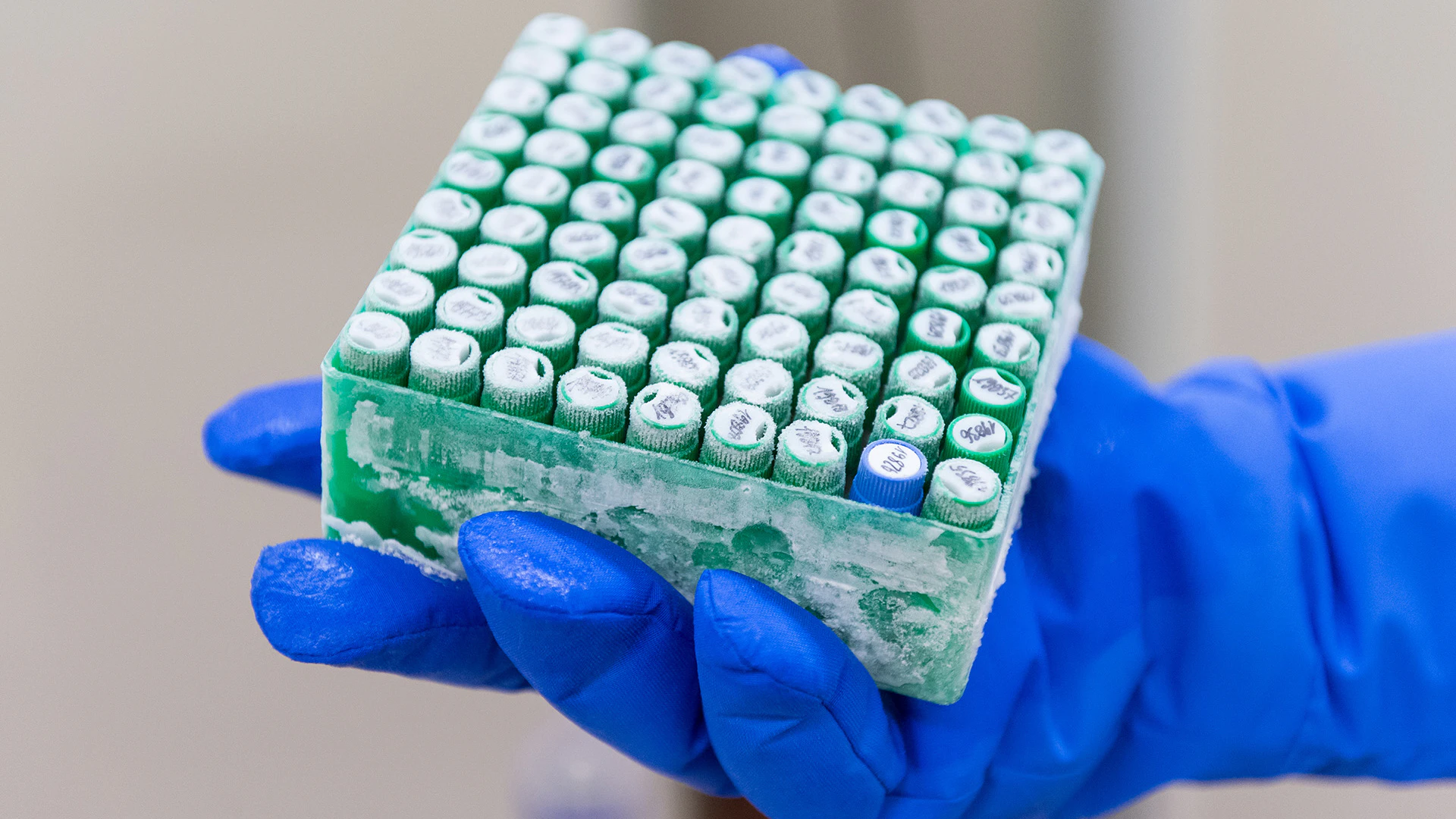
As part of its various research activities, Agroscope has collected numerous microorganisms isolated from various agricultural and food systems. The microbial collections built up over time not only encompass a vast taxonomic diversity of organisms, including viruses, bacteria, fungi, oomycetes, and microalgae, but also cover a wide variety of functions. Some of these microorganisms are pathogens of plants, animals, or humans, while others have biotechnological applications, such as biocontrol, the production of food for humans and feed for animals, and the synthesis of bioactive compounds of medical or agronomic interest. The microorganisms collected represent a heritage of Swiss microbial biodiversity and play a central role in many of the research projects conducted by Agroscope.
Agroscope’s collections are essential structures for preserving and maintaining these microbial resources and making them available to researchers within Agroscope, and more widely to the scientific community as part of collaborations. Activities relating to the preservation and maintenance of Agroscope’s collections have been grouped together in the ‘Microbes of Agroscope’ project (work programme 2022-2025, project 22.08.13.07.01).
The various microbial collections identified to date are presented here. These collections have different modes of operation, and the resources allocated to their maintenance are heterogeneous.
N.B.: Agroscope is not a supplier of microbial resources. However, the exchange of isolates is possible within the framework of collaborations and must be evaluated on a case-by-case basis. For this reason, a detailed list of isolates is not provided. Please contact the collection managers for further details.
Further information
The collections

Collection of entomopathogenic fungi

Collection of microorganisms from fermented foods
Most of the microorganisms in this collection were isolated during the 20th century from milk and fermented dairy products as part of projects aimed at understanding the role of microorganisms in cheesemaking (lactic acid fermentation, formation of flavours and rheological characteristics of cheese dough, hole formation, defects) and at developing starter or adjunct cultures.
AlgoScope microalgae collection
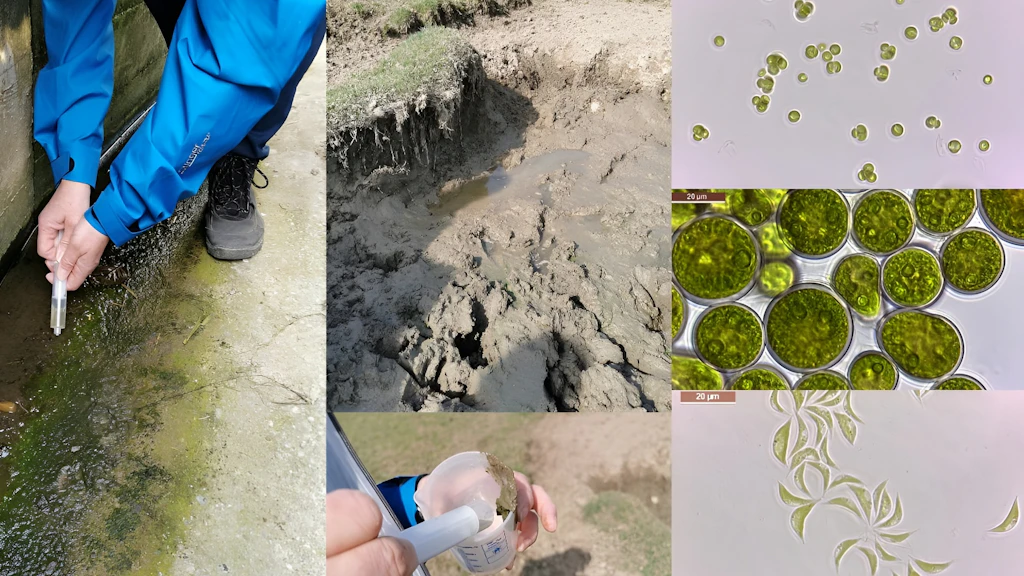
The AlgoScope microalgae collection was established in 2022 as part of the Algafeed project. This project aims to replace imported soya proteins for livestock feed with microalgae proteins produced directly on farms.

Mycoscope
Fungi have been used for a very long time for dietary, medical, and divinatory purposes. The Egyptians used them as leaven, the Romans as poisons to eliminate their enemies, and the Aztecs as hallucinogenic and divinatory drugs. As early as the 5th century BC, the Chinese understood the potential of mushrooms as remedies in the form of decoctions, alicaments (therapeutic foods), or other preparations, and their use was recorded in an age-old work, passing from one emperor to another. For centuries, fungi have aroused curiosity. However, they were studied and considered as inferior plants, without flowers, without leaves, appearing by magic during rainy weather. Indeed, until the 16th century, fungi were thought to appear spontaneously from the frost resulting from the decomposition of tree leaves. Even after the invention of the microscope, from the beginning of the 18th century, renowned mycologists and scientists such as Pier Antonio Micheli and Robert Hooke observed fungi and described them with great precision, but maintained that they belonged to the lower plants, a very small part of botany. It was not until the 19th century that the science of fungi was given a decisive boost, taking the name of mycology. At that time, people stopped believing in the spontaneous generation of fungi and began to distinguish them from plants. Rich and detailed monographs were published, involving the great names of mycological research, such as Fries, Persoon, De Bary, Saccardo, and many others, right up to Professor Heinz Clémençon, who devoted so many years to their study, emphasising their singularity. It was not until 1969 that Whittaker made fungi a group of their own rights, and the fungi attained the rank of a kingdom.
Collection of honey bee microbial pathogens
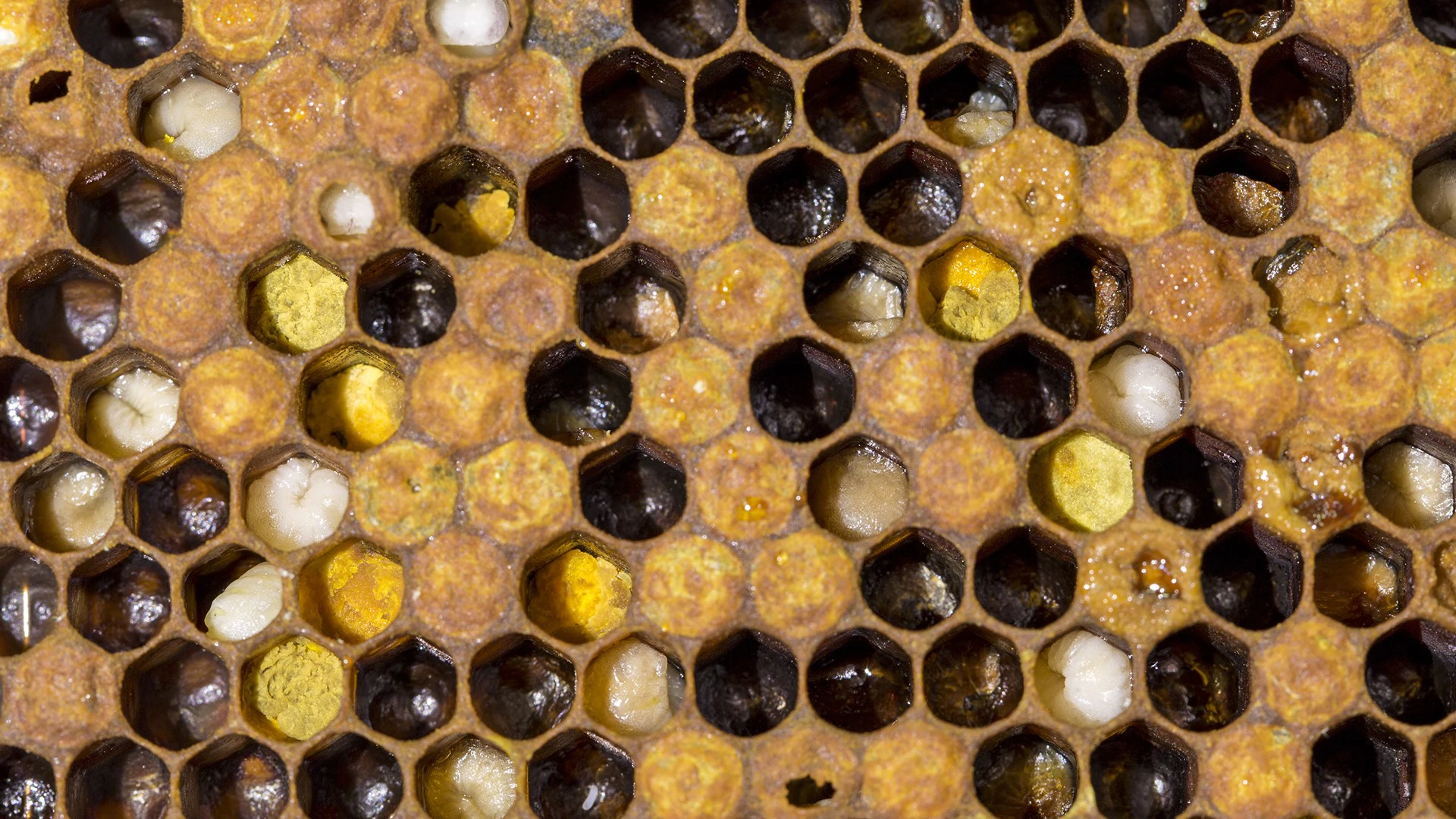
The collection has been built up as part of research projects carried out since 2006, focusing mainly on the bee larvae disease caused by Melissococcus plutonius (Figure 1). The collection currently comprises 180 isolates, exclusively bacteria of the Paenibacillus (20 isolates) and Melissococcus (160 isolates) genera. The vast majority of strains (167) were isolated from Swiss beehives, but the collection also contains a few reference strains (7) from international collections, as well as a few strains isolated abroad (6).
Collection of human pathogens and antibiotic-resistant bacteria
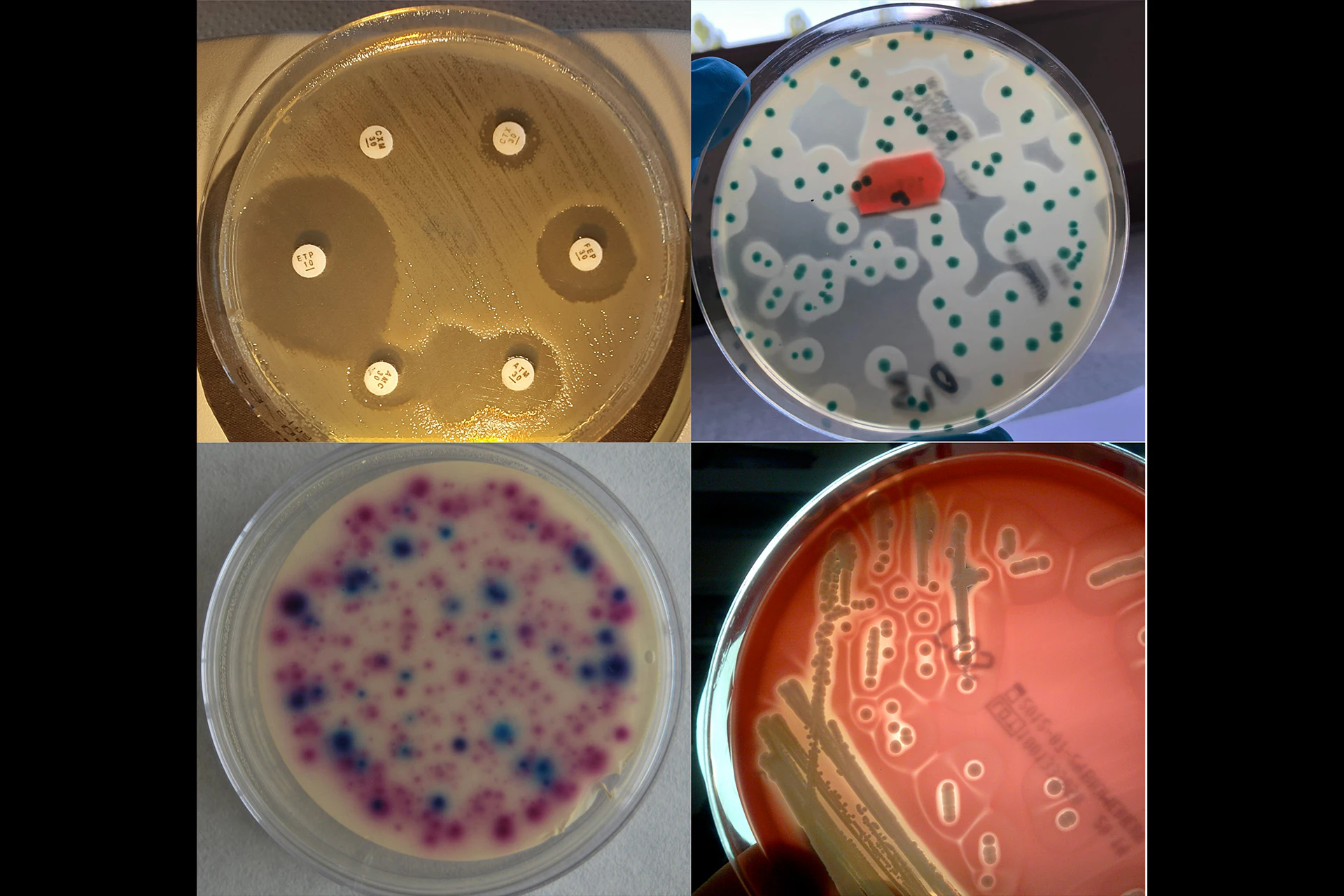
The collection of human pathogens and antibiotic-resistant bacteria mainly contains isolates of Listeria monocytogenes from samples of dairy products analysed during the listeriosis epidemics that occurred in Switzerland in the 1980s. Escherichia coli isolates represent the second most abundant species and include crucial STEC isolates. Staphylococcus aureus is the third most abundant species and has mainly been isolated from dairies or cows suffering from mastitis. More recently, antibiotic-resistant bacteria such as extended-spectrum beta-lactamase-producing Enterobacteriaceae or carbapenem-resistant strains of Pseudomonas aeruginosa isolated from dairy, meat, or fresh produce have been included in the collection.
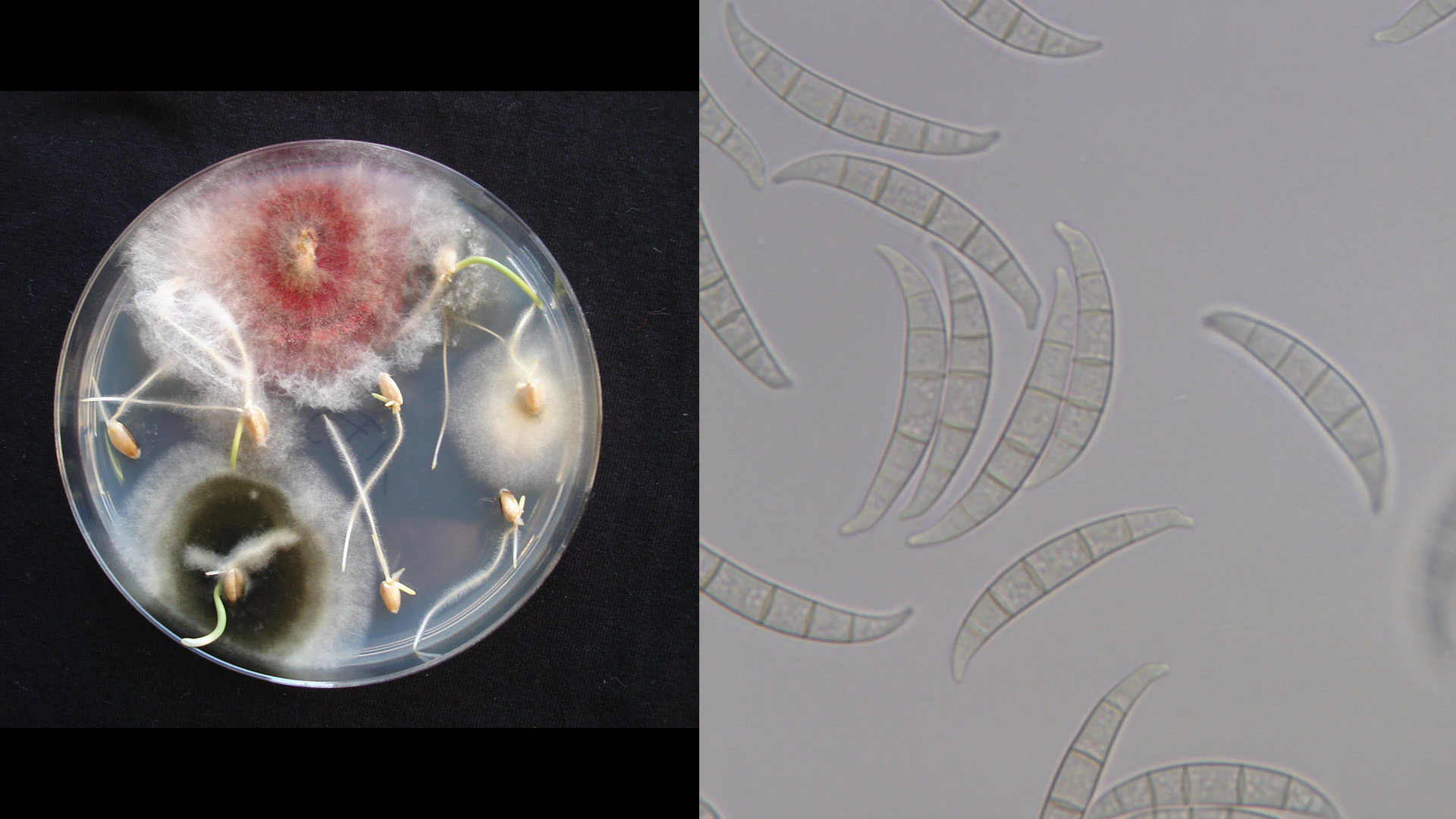
Agroscope collection of phytopathogenic fungi
As of today, the collection includes around 400 isolates, mainly of the genus Fusarium from Switzerland. The collection was first established in 1997, when F. graminearum was isolated from wheat as part of a research project. Subsequently, isolates have been continuously collected from commercial samples (monitoring) and used for our own field and laboratory experiments. Some isolates from abroad are also part of the collection. The mycotheque mainly contains species isolated from cereals such as F. graminearum, F. poae, F. avenaceum, F. culmorum, F. equiseti and F. langsethiae. The collection also includes species isolated from maize, such as F. verticillioides, F. proliferatum and F. subglutinans. As part of projects aimed at controlling pathogens using antagonists, the collection has been supplemented with isolates of Clonostachys rosea and Trichoderma spp.

Collection of plant pathogenic viruses and bacteria
Swiss Collection of Arbuscular Mycorrhizal Fungi (SAF)
Mycorrhizal fungi have a wide range of positive effects in agricultural ecosystems. We analyse your soil and root samples and determine which and how many mycorrhizal fungi are present. We also sell mycorrhizal fungal inoculum for a variety of applications.
Read more
Agroscope’s Microorganism Collections – an Invisible Treasure
Agroscope harbours a treasure in the form of its microorganism collections. From fungi to cheese-culture bacteria by way of microalgae, these valuable resources drive research on behalf of a more sustainable agricultural sector.
%20%207.8.%202018%20(129).JPG?w=1920&auto=format)
Plant Protection
The agricultural sector must square up to numerous challenges in the field of plant protection. Discover what Agroscope is doing in this field.

Environment and Resources
Research for an agricultural sector that preserves biodiversity as well as soil, air and water quality against the backdrop of climate change.