
Weed Science in Arable Crops
Weed control is an important skill for farmers, allowing them to obtain yields and profits from their land. The ‘Weed Science in Arable Crops’ Research Group deals with weeds that compete with field crops, vegetables and vines.
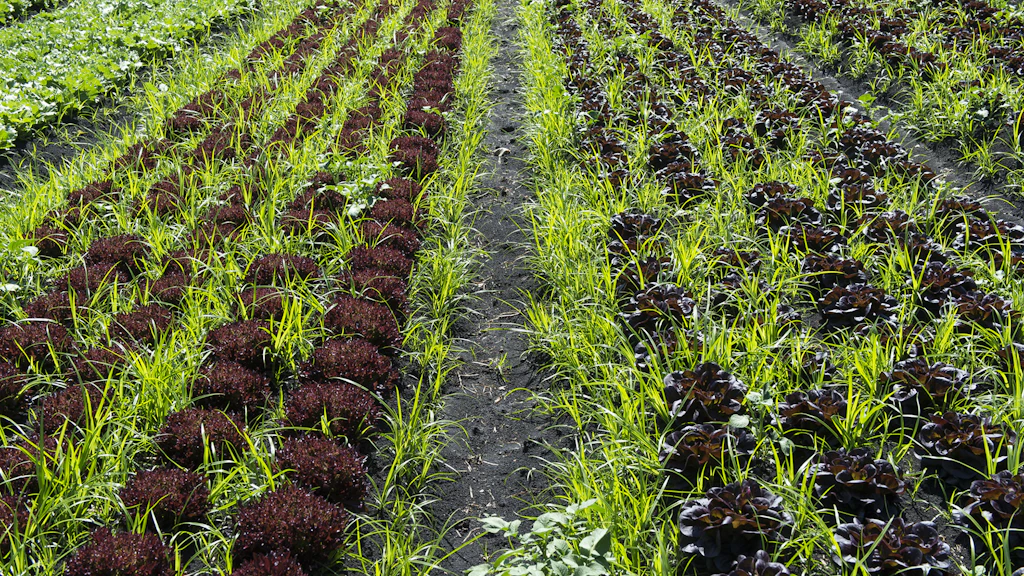
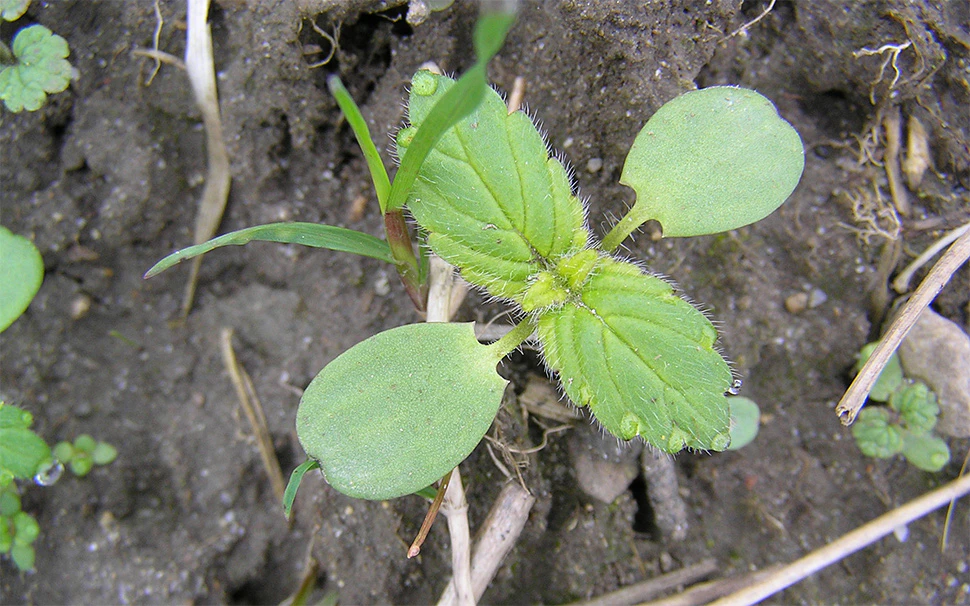
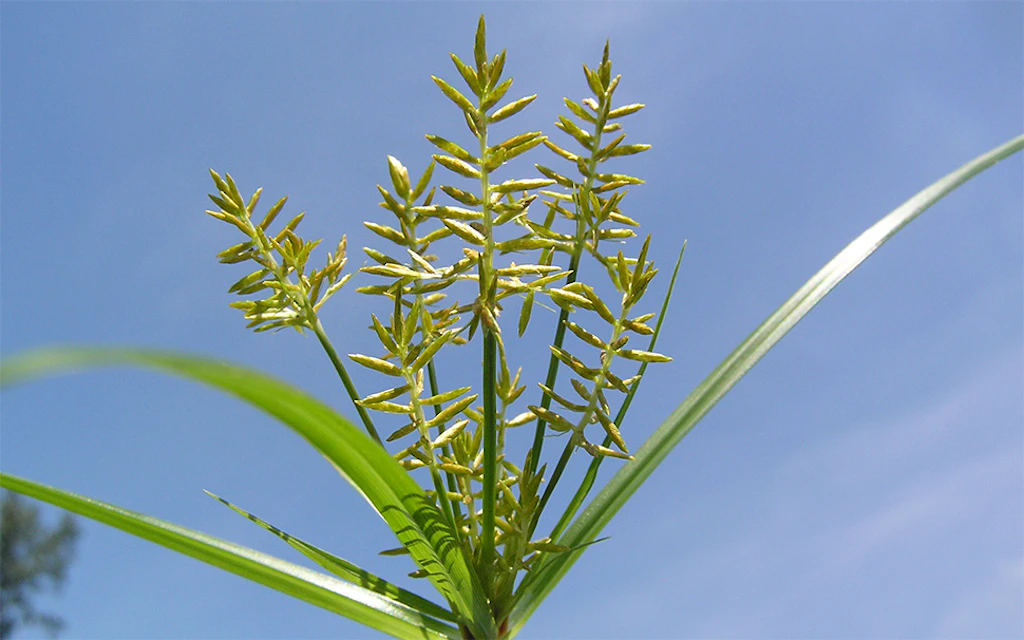
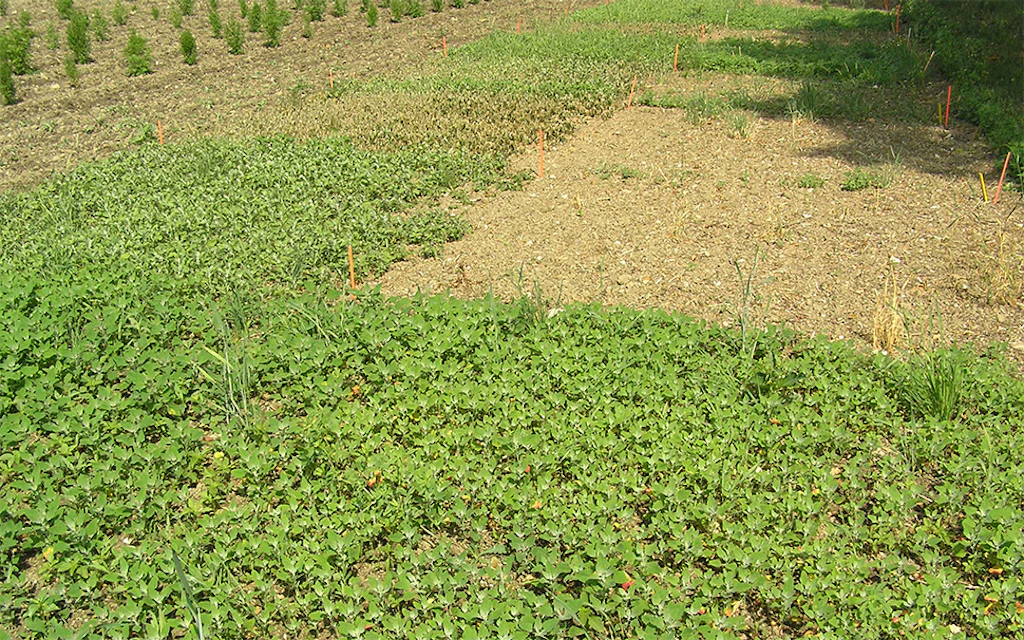
Recognising weeds at the seedling stage (1) is crucial for taking appropriate weed-control measures. Monitoring the propagation of problematic, often neophytic plants such as yellow nutsedge (2) is as crucial as the testing of new herbicides in the field (3).
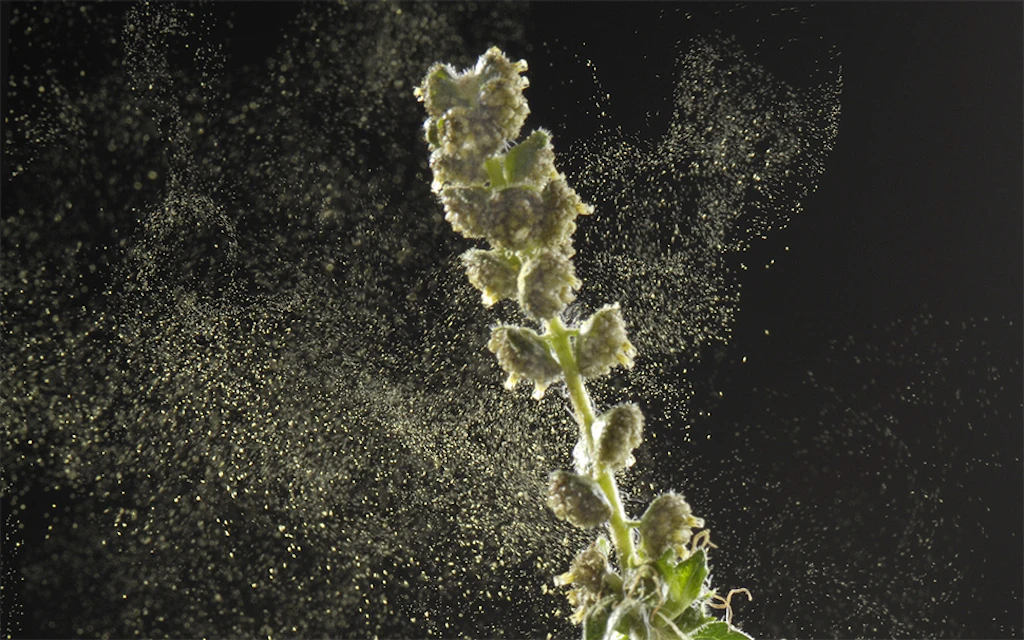
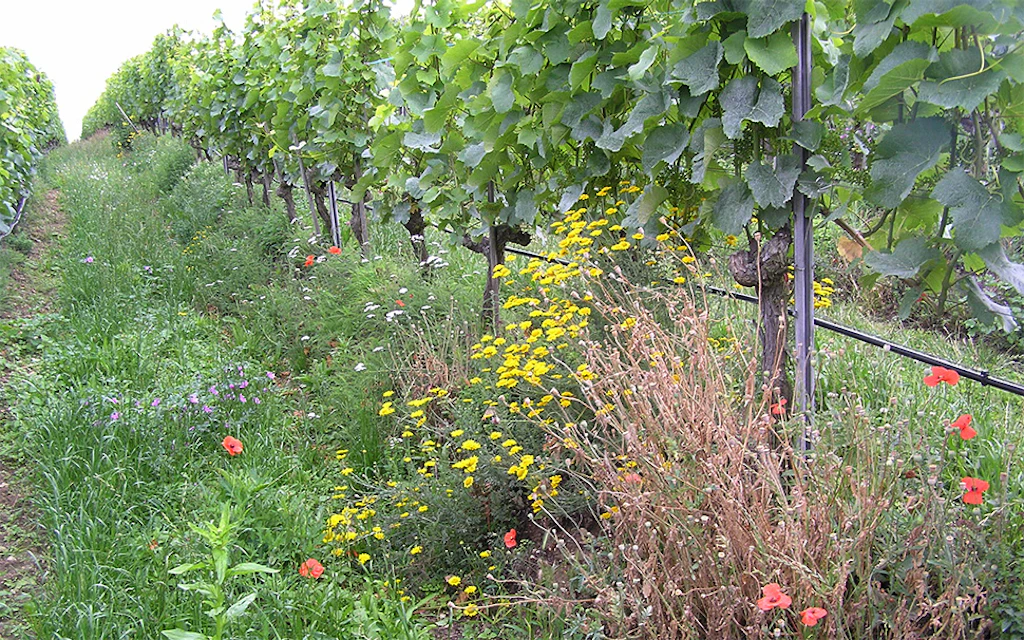
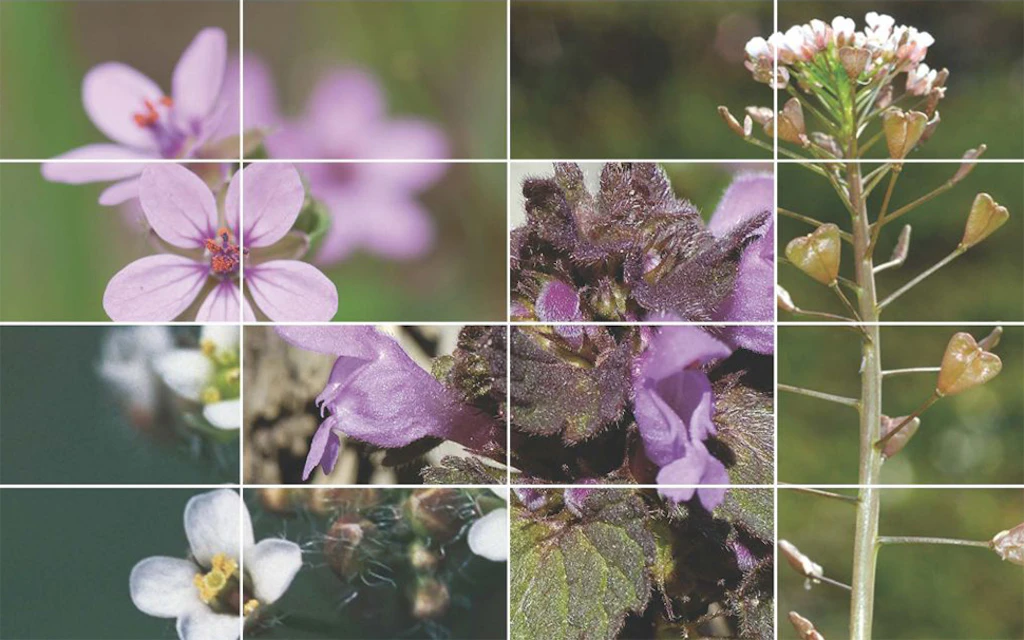
Weed science at Changins has played a decisive role in establishing a productive national strategy against ragweed (4), whose highly allergenic pollen is a threat to human health. The use of grass cover between the vine rows (5), which contributes to a reduction in the use of herbicides in vineyards, is also based on the experience of our Research Group. The book Flore des vignes (‘Vineyard Flora’) (6), written by Agroscope researchers, enables identification of the main species that are present in the vineyard.
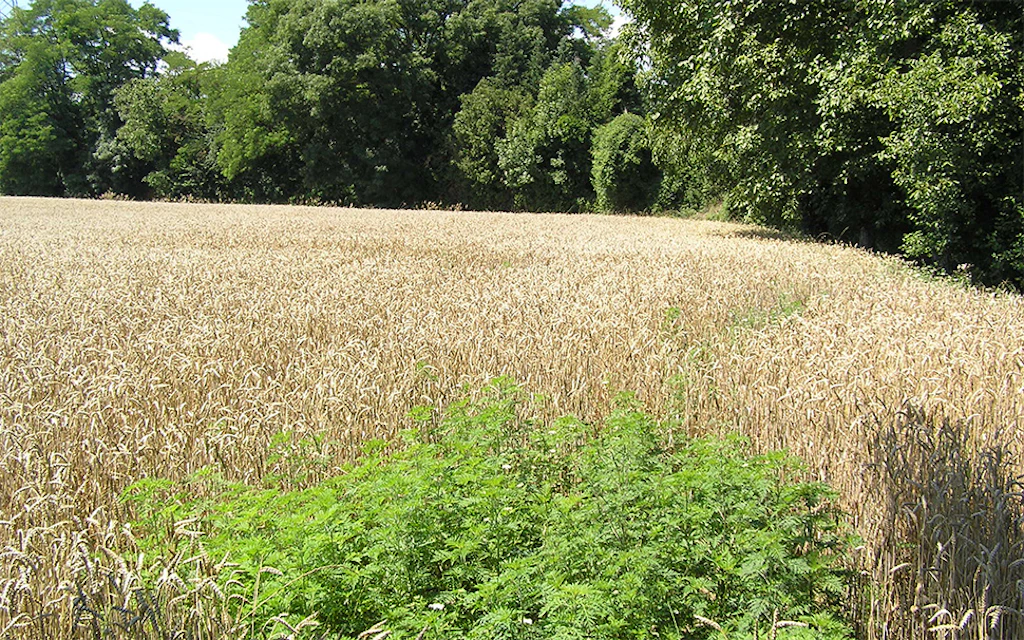
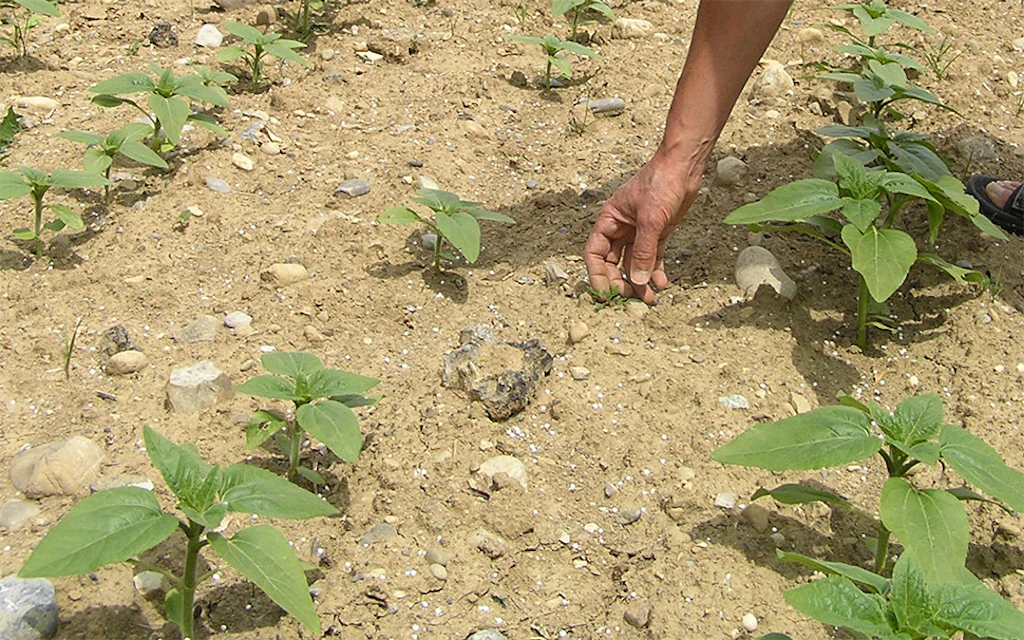
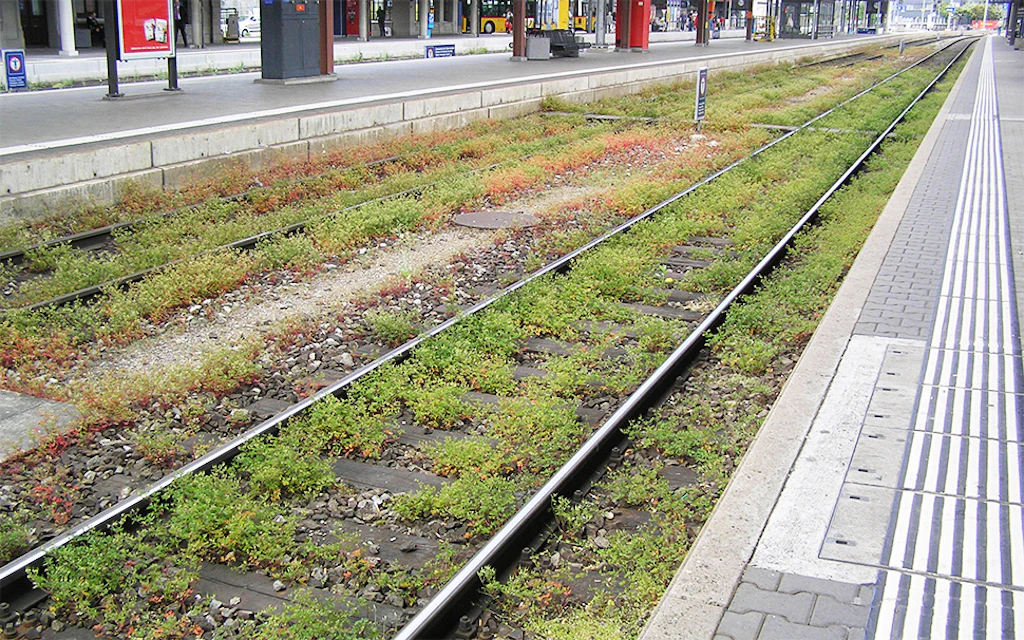
Because weeds can develop a resistance to herbicides applied annually in most crops (7), the effectiveness of herbicides must be rigorously observed (8). The Research Group also plays a consultative role in the weeding of communication channels (9), railway tracks and roads. In the immediate future, the research priority in weed science is to discover alternatives to herbicides.
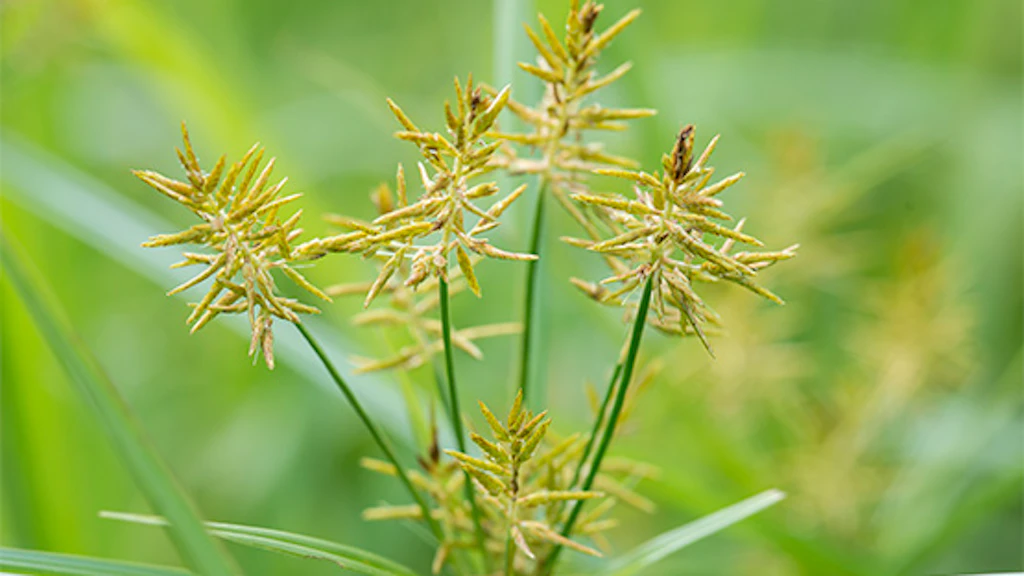
Yellow nutsedge
First discovered in Switzerland around 30 years ago, yellow nutsedge (Cyperus esculentus) is a non-indigenous plant that has spread exponentially at the expense of local crops. Classified among the neophytic invasive species, it has been placed on the Blacklist.
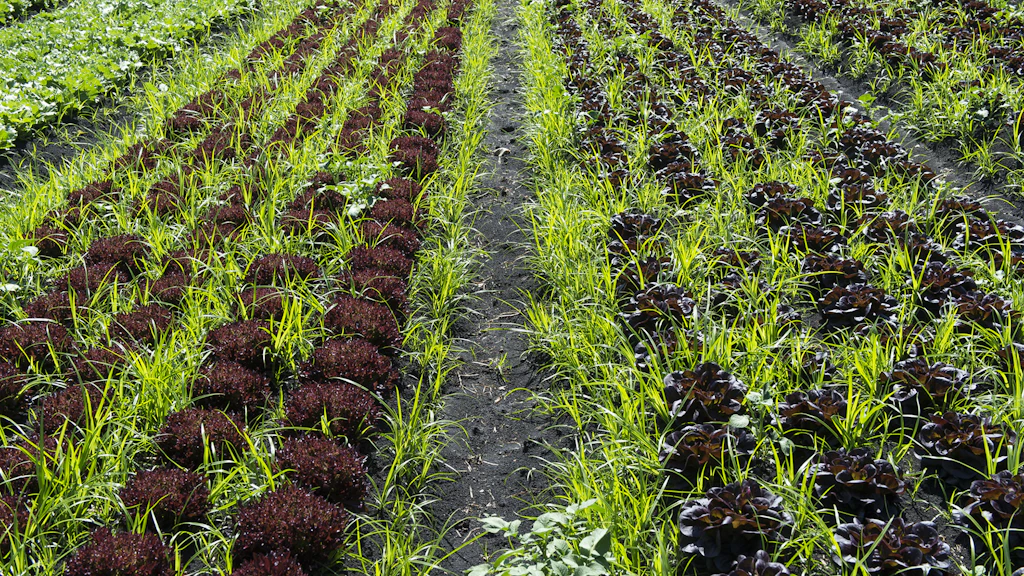
Allelopathy
Allelopathy is a natural phenomenon that can be defined as the totality of interactions between two organisms via compounds generally produced by their secondary metabolites and released into the environment.
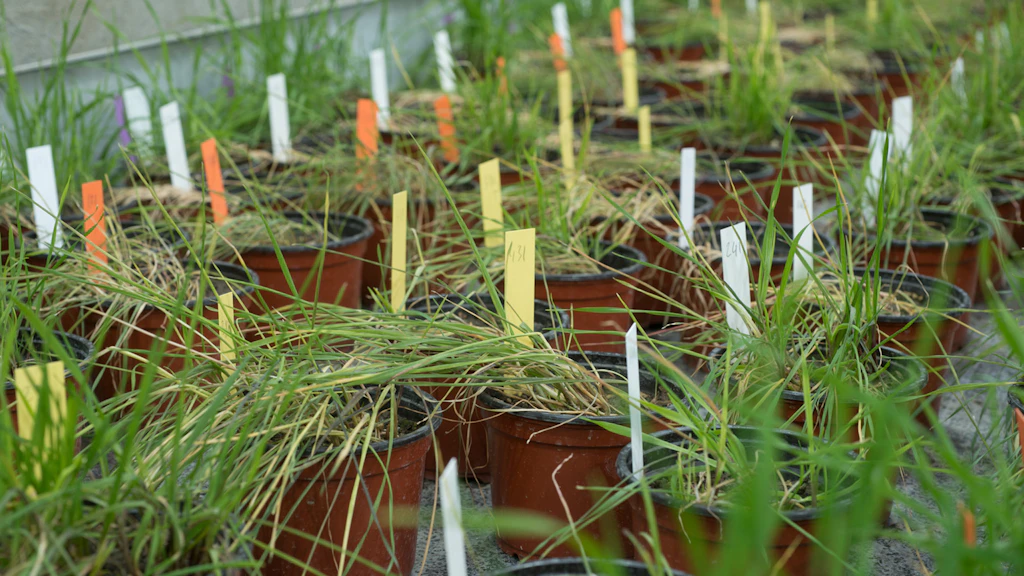
Herbicide Resistance
Herbicide resistance is a worldwide problem of modern agriculture which worsens from year to year. The repeated use of herbicides with the same modes of action leads to the risk of weeds developing resistance and surviving properly executed treatments. Thanks to its small-scale agriculture and a diversified crop rotation, the level of resistance in Switzerland is currently low.
SIMONE Project
SIMONE is a collaborative European project that aims to promote the agroecological transition in various regions of North-West Europe. The European Union is endeavouring to reduce chemical plant-protection product and fertiliser use by 50% and 20%, respectively, by the year 2030.

