Colony Development
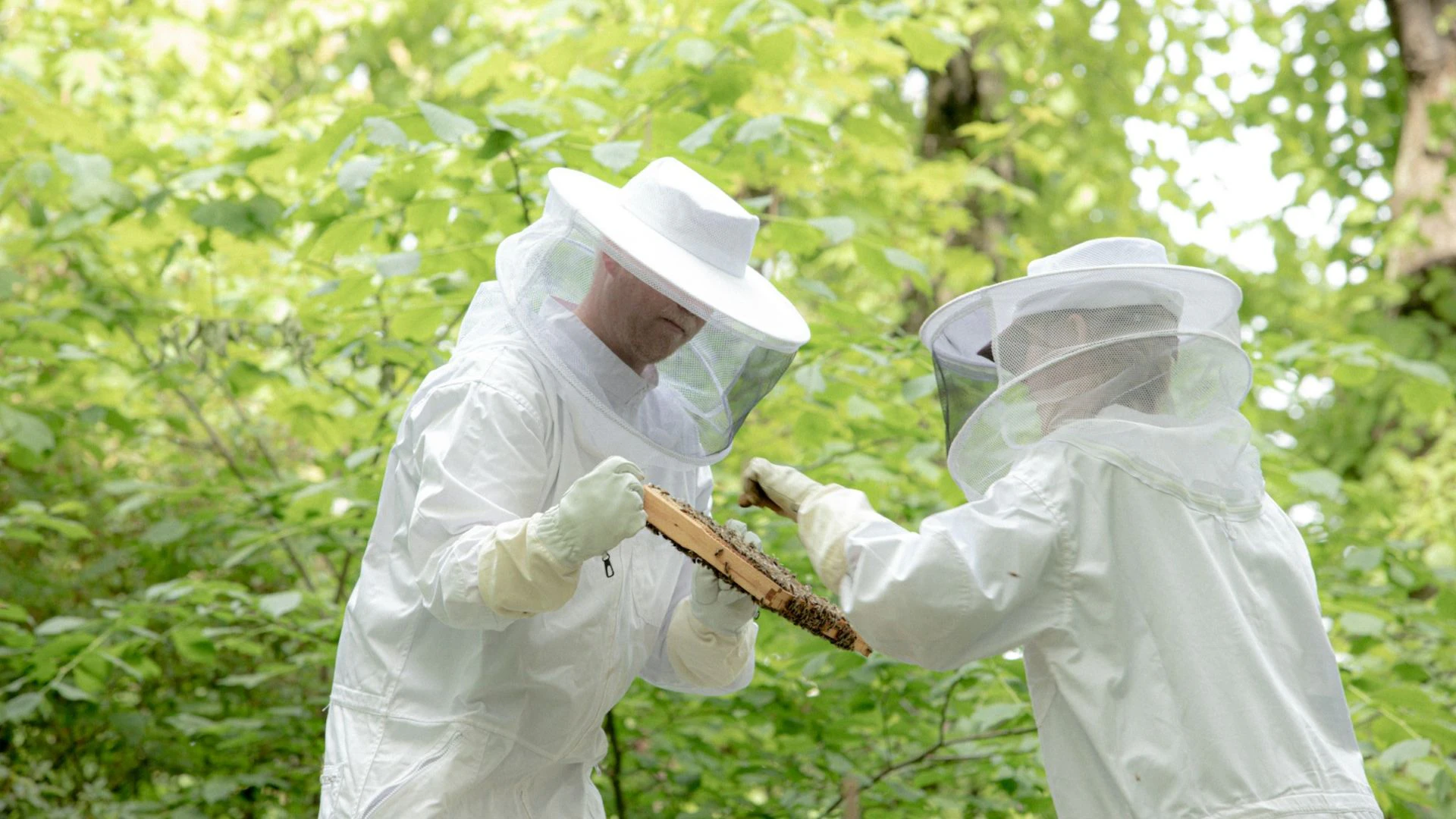
Many factors influence colony development, such as climate, nectar flow conditions, genetic predispositions, pathogens, apiary management, and so on. These factors are constantly changing. This is why colony development is a highly dynamic and complex process.
What measures do beekeepers take, and which environmental factors have a decisive influence on the number of bees in a colony? Can beekeepers influence colony development through stimulatory feeding? Are there significant differences in development among genetic lines? These and similar questions are addressed in the brochure “Colony Development in Honey Bees.”
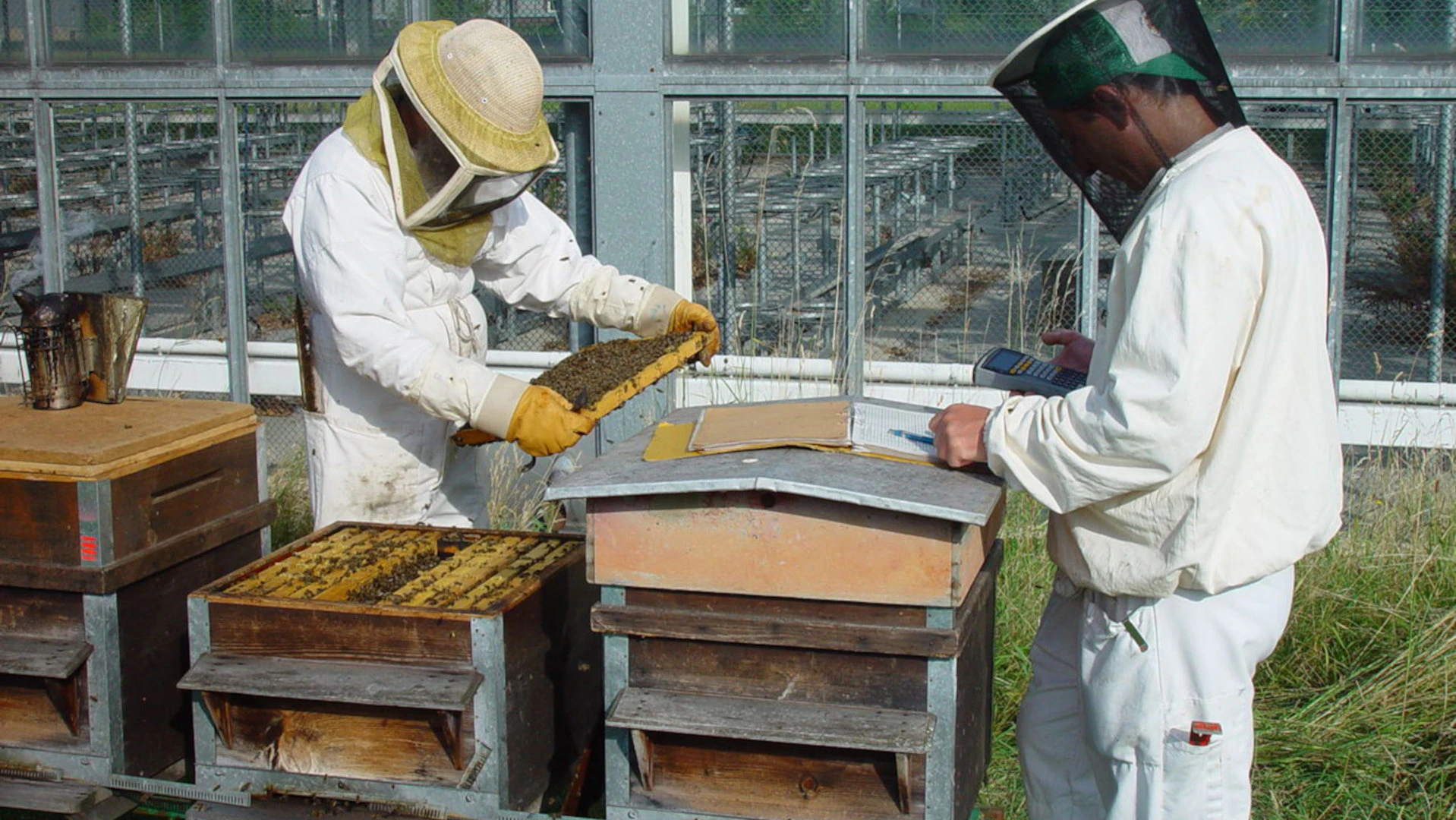
To determine the effect of certain factors on colony development, we have developed a colony size assessment tool that is currently used as a research standard worldwide.
However, this highly accurate tool is not reserved for scientific use alone. By assessing the strength of 2 to 3 colonies every three weeks during a beekeeping season, beekeepers can gain insights into the colony’s progress. This assessment can serve as the foundation for effective apiary management.