
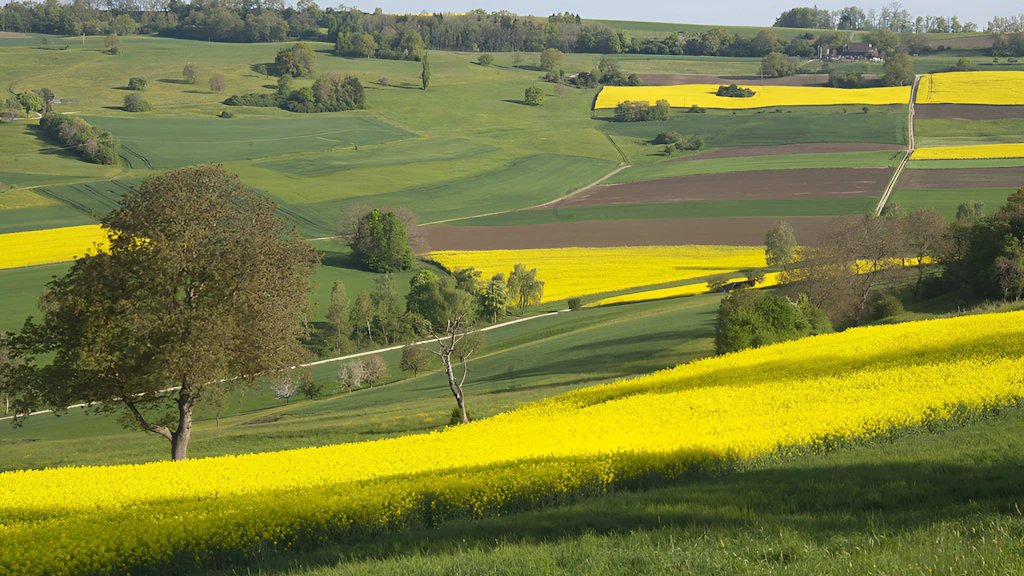
Agricultural Landscape
Using (among others) computer-assisted spatial analyses, Agroscope investigates how land use impacts the landscape.
Topics

Agroforestry as a New Land-Use Form
Modern agroforestry systems combine the cultivation of arable crops with trees, are managed using modern agricultural engineering methods, and are economically attractive.

Swiss Tree Lines
Mountain timber lines are significant markers of transition between Swiss landscapes types. They play an important role in the environmental assessment of land-use change, land abandonment, and climate research.
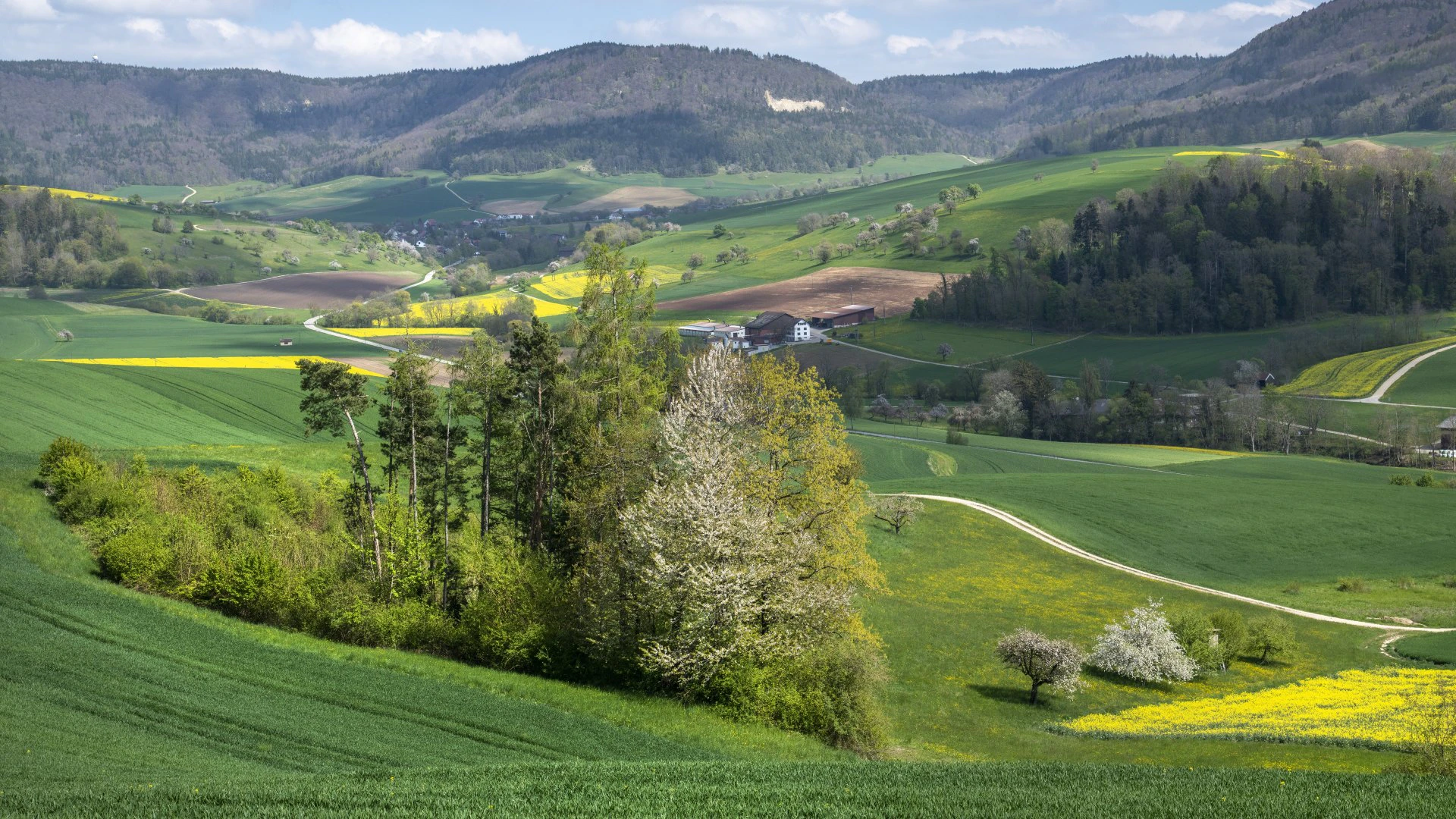
Geographic Information Systems (GIS) in Agricultural Research
Spatial analyses are becoming increasingly important in agriculture and in agricultural research. Nowadays, the spatial reference is usually created with Geographic Information Systems – ‘GIS’ for short – and in the field, with the assistance of the Global Positioning System, or ‘GPS’ for short.
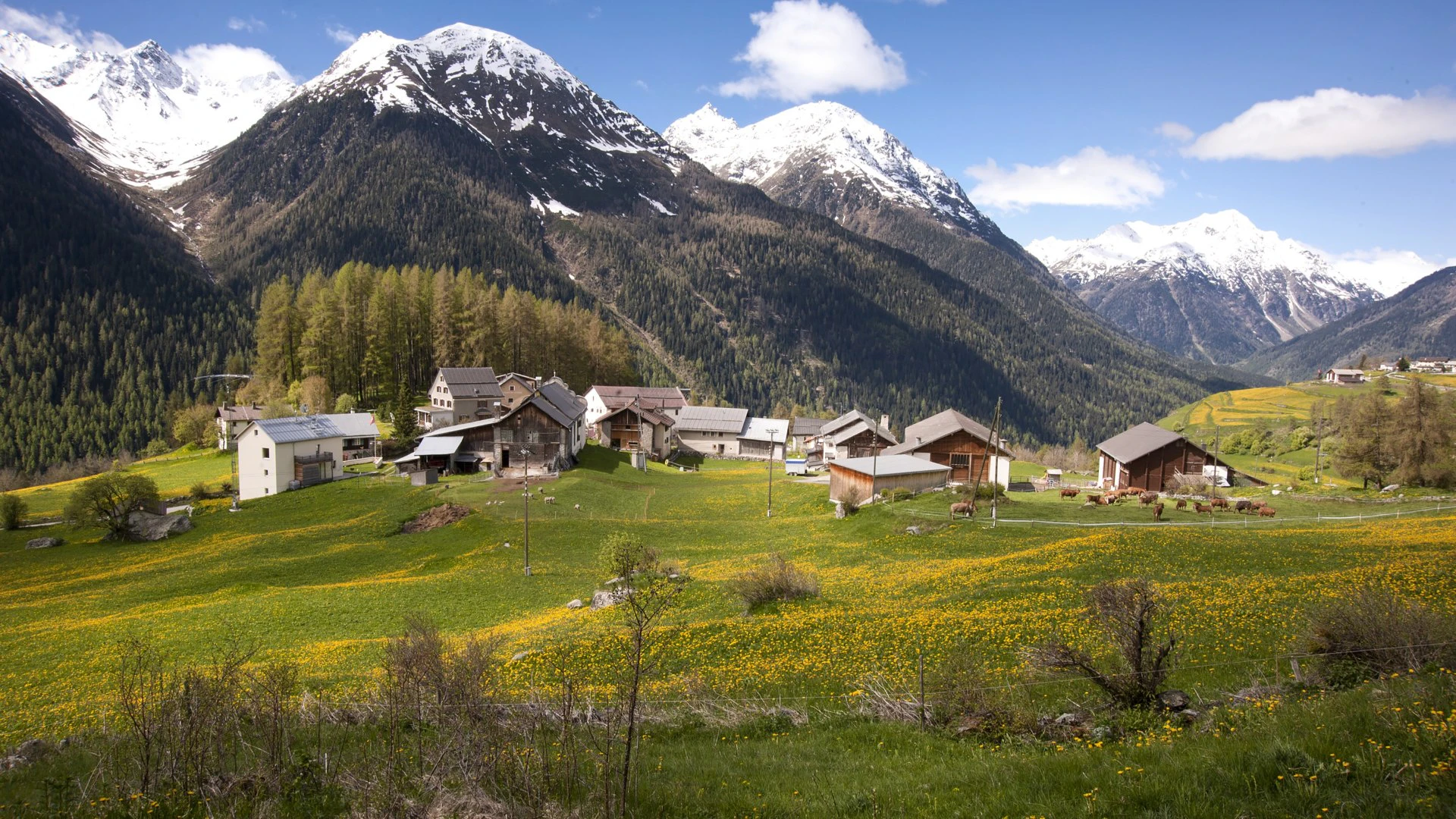
Focus Alpine Farming
Switzerland has over 7000 alpine farms, which account for one-third of the agricultural land cultivated in the country. Alpine pastures occupy the middle ground between abandonment and intensification, and a wide variety of challenges exist in connection with their profitability, labour shortage, availability of suitable animals for summer grazing, the preservation of biodiversity, climate change, etc.

Maran Alpine Garden
The Maran Alpine Garden above Arosa encompasses test fields for forage production and potatoes, as well as a 1000-square-metre alpine garden with around 500 vascular plants. The 4000-square-metre facility is open for visits during the growing season.

Growing Almonds in Switzerland
A pre-project funded by the Fondation Sur-la-Croix showed that Swiss almonds are perceived as a worthwhile option for the future by both farmers and the customer market; however, Swiss producers find it difficult to choose an appropriate almond variety and a suitable cultivation system.